
14 Foods That May Be Hurting Your Blood Sugar
Managing blood sugar can feel like a full-time job. You read labels, you try to eat healthy, and yet your levels still spike. Here’s the thing: some “normal” foods are secretly sabotaging your efforts. White bread, flavored yogurt, fruit juice, even that “healthy” granola bar—they can all send your blood sugar on a roller coaster. The problem isn’t always obvious sugar. It’s hidden sugars, refined carbs, and lack of fiber that cause rapid glucose spikes. The good news? You don’t have to give up everything you love. You just need to know which foods are the real culprits and what to eat instead. Think whole grains, plain yogurt, whole fruits, and protein-packed snacks that keep you steady all day long.
So if you’re tired of the energy crashes, the cravings, and the confusion, this one’s for you. In this article, we’re breaking down 13 common foods that can spike your blood sugar—from white bread and sugary cereals to French fries, candy bars, instant noodles, and even sweetened condiments. You’ll learn simple swaps like choosing brown rice over white, baking your own fries, and reading labels for hidden sugars (hint: anything ending in “-ose” is a red flag). No complicated science. Just real talk about real food. Let’s take control of your blood sugar—starting with your next meal.
The White Bread Trap

White bread is a staple in many households, yet its lack of fiber makes it problematic for blood sugar levels. Produced from refined flour, white bread is digested quickly, leading to rapid glucose spikes. Opt for whole grain alternatives, which are rich in fiber and slow down digestion. This gradual glucose release helps prevent the sharp rise in blood sugar that white bread causes, making whole grains a more diabetes-friendly option.
Sugary Cereals: A Risky Start

Many cereals marketed as healthy are surprisingly high in sugar. These cereals elevate blood sugar rapidly and don’t provide sustaining energy for the day. Check labels carefully and choose options low in sugar and high in fiber. Better yet, consider a breakfast of steel-cut oats or whole grain toast with avocado, which offer nutrients and stable energy without the sugar rush that comes with sugary cereals.
Sweetened Beverages: Sugar Shock

Sodas and sweetened teas provide a direct hit of sugar that can send blood glucose soaring. Even drinks labeled as ‘fruit-flavored’ may contain large amounts of added sugars. Instead, hydrate with water, unsweetened tea, or sparkling water. If craving flavor, add a splash of fresh lemon or a few mint leaves. These choices help you avoid sharp blood sugar spikes and support better hydration without unnecessary sugars.
The Truth About Flavored Yogurts

Flavored yogurts often contain more sugar than expected, overshadowing their potential benefits. Many brands add sweeteners to their products, significantly impacting blood glucose levels. Choose plain, unsweetened yogurt to avoid this pitfall. Add your own fresh fruits or a sprinkle of nuts for natural sweetness and crunch. This provides a satisfying snack or breakfast that maintains your blood sugar balance while still delivering key nutrients.
White Rice: A Hidden Culprit

White rice, a staple in many cuisines, can significantly impact blood sugar levels due to its high glycemic index. Opt for brown rice or quinoa as alternatives, both of which provide more fiber and nutrients, thus moderating glucose spikes. Rinsing rice before cooking can remove excess starch, partially reducing its glycemic effect. Pairing rice with protein and vegetables further stabilizes blood sugar by slowing carbohydrate absorption. Simple adjustments in preparation can make a marked difference in maintaining healthier blood sugar levels.
Pastries and Doughnuts: Sweet Danger

Pastries and doughnuts, often laden with refined flour and sugar, present a potent risk for blood sugar control. Their lack of fiber and high sugar content lead to rapid glucose surges. Consider homemade versions with whole-grain flours and natural sweeteners like honey or maple syrup to reduce this impact. Adding nuts or seeds can contribute healthy fats and protein, further controlling glucose levels. These strategies allow indulgence with significantly less harm to blood sugar management.
Energy Drinks: Buzz and Bust

Energy drinks, while providing a quick caffeine boost, typically contain high amounts of sugar, leading to sharp increases in blood sugar. Commonly ranging from 20 to 30 grams of sugar per serving, they pose a significant glycemic challenge. Choose alternatives like green tea or infused water for an energizing and hydrating experience without the sugar rush. Additionally, examining labels for lower sugar options or those sweetened with stevia or erythritol can mitigate adverse effects on glucose control.
French Fries: A Glycemic Spike

French fries are not only high in carbs but also contain unhealthy fats from deep frying, combining to spike blood sugar. Baking fries with a light brush of olive oil and a sprinkle of seasoning offers a satisfying alternative with less glycemic impact. Using sweet potatoes instead of white potatoes also provides more fiber and vitamins, contributing to steadier glucose levels. Mastering cooking techniques such as air frying can further reduce the unhealthy aspects while maintaining texture and flavor.
Candy Bars: Tempting Trouble
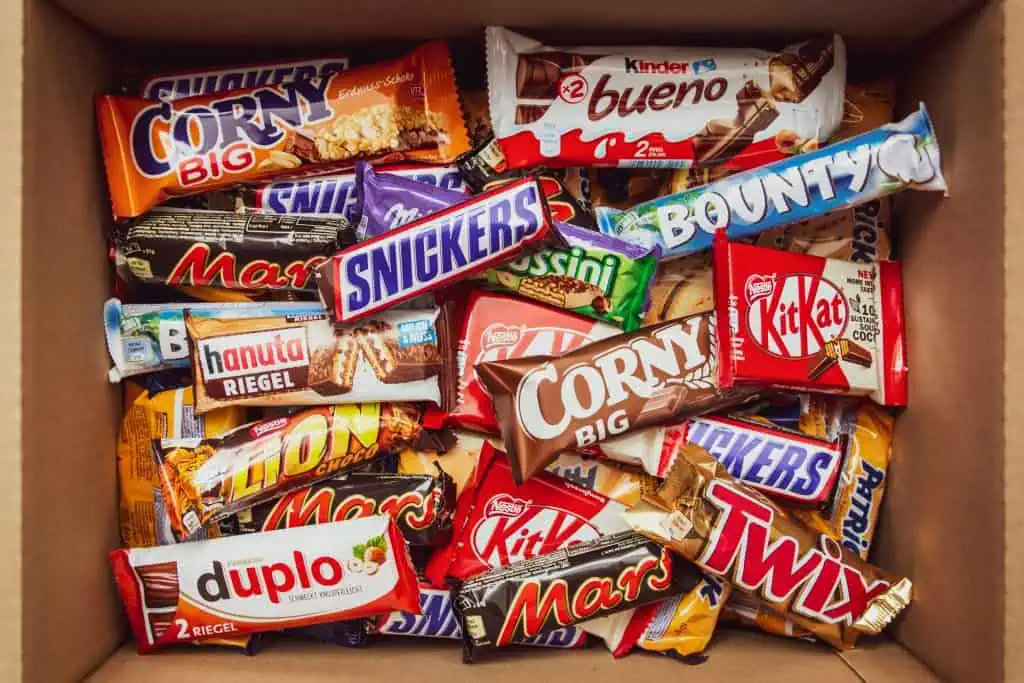
Candy bars, a common quick snack, pose significant risks due to their high sugar and fat content. These ingredients quickly elevate blood glucose and contribute to insulin resistance over time. Opt for dark chocolate with a minimum of 70% cocoa for a healthier treat, rich in antioxidants and lower in sugar. Incorporating nuts or seeds can add satisfying crunch and protein, promoting better blood sugar management. Small, deliberate changes enhance snacking habits without sacrificing the enjoyment of occasional sweetness.
Processed Snacks: The Sugar Sneak

Processed snacks, though convenient, often harbor hidden sugars that can affect blood sugar levels. Many chips, crackers, and packaged goods contain added sugars and refined carbohydrates, which quickly convert to glucose. It’s important to read labels vigilantly, looking for terms like corn syrup or dextrose. Opting for whole-grain or baked alternatives can reduce the sugar impact. Pairing these snacks with fiber-rich vegetables can also help moderate their effect on your blood sugar.
Ice Cream: A Sugary Delight

Ice cream is a well-loved treat that unfortunately tends to be high in both sugar and fat. This combination can lead to rapid spikes in blood sugar levels. Even light or diet versions usually contain sugar alcohols, which may still impact glucose. Consider making homemade versions with fresh fruit and natural sweeteners to better control sugar content. Consuming in moderation and pairing with a bit of protein or fiber can minimize the glycemic impact.
Fruit Juices: Not So Innocent

While fruit juices are often perceived as healthy, many are laden with added sugars and lack fiber, which contributes to blood sugar spikes. Even 100% fruit juice can concentrate natural sugars, causing a swift rise in glucose levels. When possible, choose whole fruits over juices to benefit from fiber and nutrients without the sugar surge. If juice is a must, try diluting it with water and consume alongside foods rich in healthy fats or proteins.
Instant Noodles: Fast but Risky

Instant noodles offer a quick meal solution but are typically high in refined carbs and low in protein and fiber, making them risky for blood sugar control. The high sodium content can also lead to other health issues. To make them more blood sugar-friendly, consider adding steamed vegetables and lean proteins like tofu or chicken. Choosing whole-grain or soba noodle versions can help provide more stable energy release.
Sweetened Condiments: Hidden Sugars

Many condiments, from ketchup to barbecue sauce, contain surprising amounts of added sugars. These hidden sugars can gradually contribute to higher blood sugar levels. Always check condiment labels for sugar content, and seek out varieties labeled as unsweetened or no added sugars when available. Making your own condiments at home with fresh ingredients allows for better control over sugar levels, aligning with more balanced dietary needs.
