
12 Former Snack Fads TikTok Made People Quit Overnight
Snack trends used to fade slowly, giving people time to adjust habits or lose interest. TikTok changed that rhythm entirely. A single viral breakdown, label comparison, or dramatic “don’t eat this” clip can now collapse a product’s reputation overnight. Snacks that once felt modern, healthy, or harmless suddenly became symbols of misinformation, overprocessing, or diet-culture excess. People didn’t slowly cut back they stopped buying them altogether. These snacks didn’t fail because of taste. They failed because TikTok reframed how people saw them, turning casual choices into moral or intellectual mistakes that no longer felt worth defending.
Flavored Rice Cakes
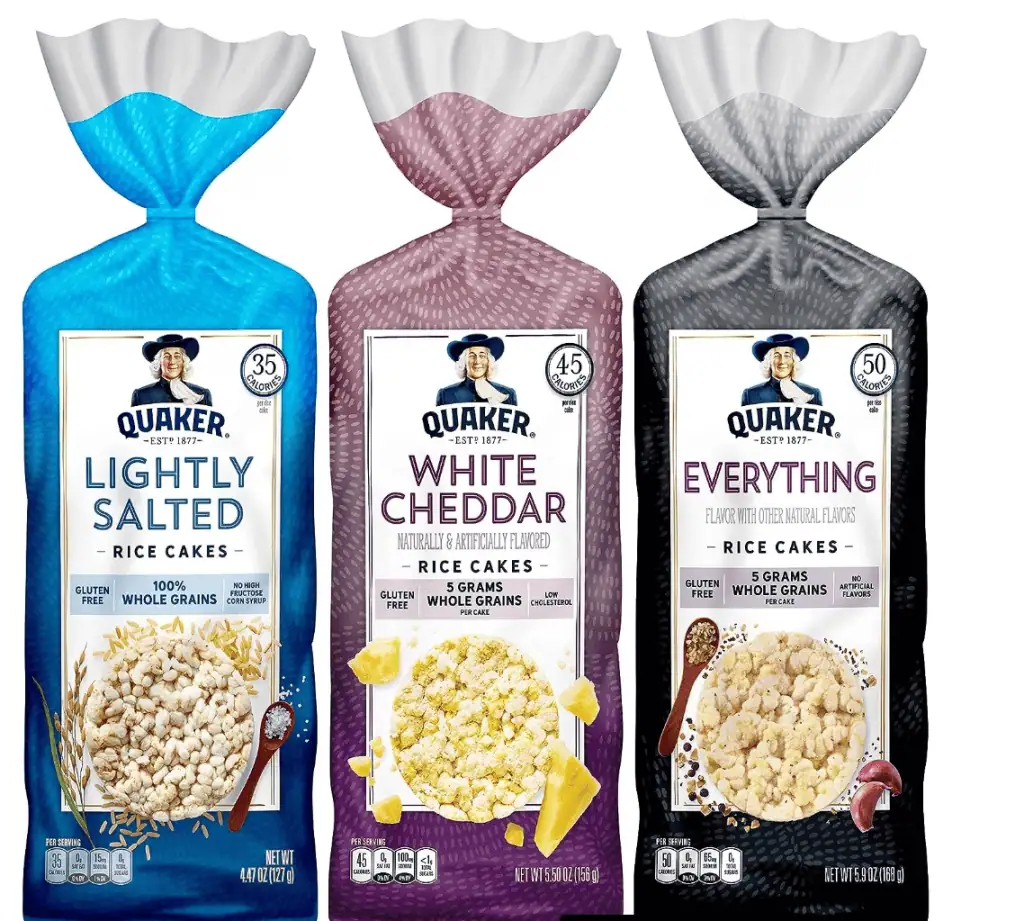
Flavored rice cakes once thrived as a low-calorie snack that felt disciplined, light, and harmless. TikTok nutrition creators reframed them as nutritionally hollow, empty carbs that spike blood sugar without providing satiety. When influencers started calling them “air with seasoning,” the illusion cracked. Viewers realized rice cakes weren’t being eaten for pleasure, but out of diet guilt and habit. That reframing hit fast. Almost overnight, rice cakes shifted from wellness staple to cultural punchline, making continued consumption feel naïve rather than intentional.
Veggie Chips
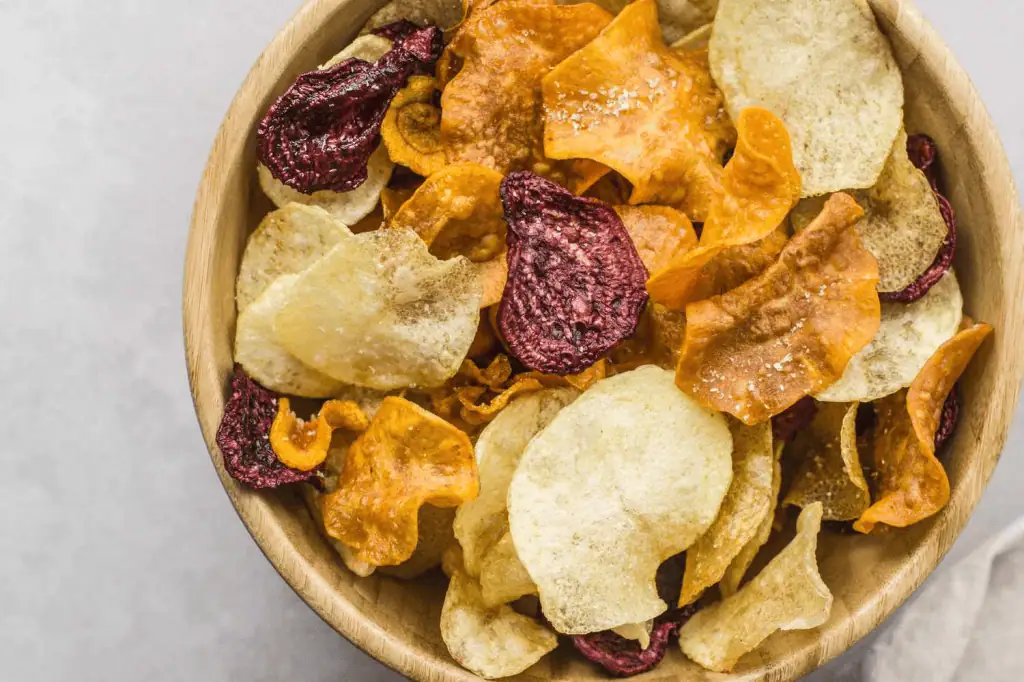
Veggie chips carried a strong health halo until TikTok exposed how little vegetable content they actually contained. Viral side-by-side ingredient comparisons made them look misleading, if not dishonest. Once viewers saw they were largely refined starch, oil, and coloring rather than vegetables, the category lost credibility. The problem wasn’t indulgence, it was implication. People felt tricked. Instead of moderating portions or switching brands, many shoppers abandoned veggie chips entirely, unwilling to keep buying something that no longer aligned with how it was marketed.
Protein Bars
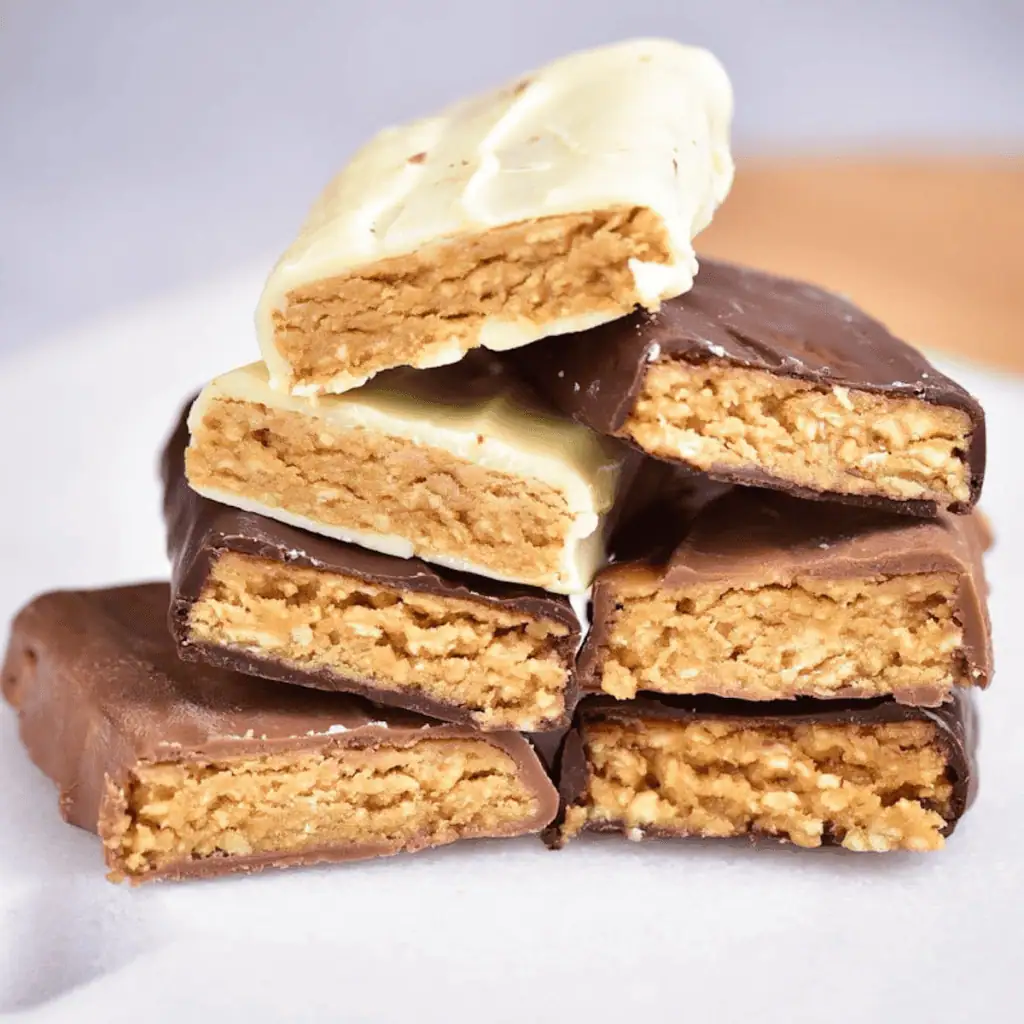
Protein bars dominated snack culture for years, especially among busy adults seeking functional food. TikTok creators began dissecting labels in slow, unforgiving detail, highlighting sugar levels, additives, and artificial sweeteners. Many bars started to resemble candy with protein claims rather than fuel. Once that framing took hold, trust collapsed quickly. What once felt responsible began to feel deceptive. People didn’t look for better bars they stopped reaching for them at all, unwilling to justify a snack that no longer matched its promise.
Flavored Yogurt Drinks
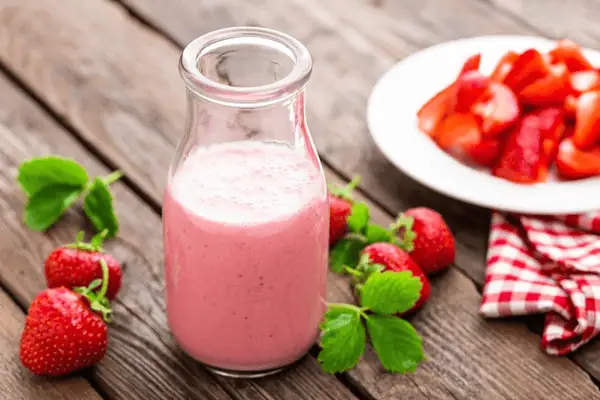
Drinkable yogurts were once trusted for convenience, probiotics, and grab-and-go nutrition. TikTok changed that perception almost overnight. Viral videos lining yogurt drinks up next to soda bottles made the sugar content impossible to ignore. Seeing the comparison visually reframed them as desserts pretending to be healthy foods. The issue wasn’t probiotics; it was trust. Parents and adults didn’t gradually reconsider; they stopped buying them almost immediately. Once the health halo cracked, the category felt misleading, and few people wanted to keep justifying a drink that no longer felt honest.
Baked Chips
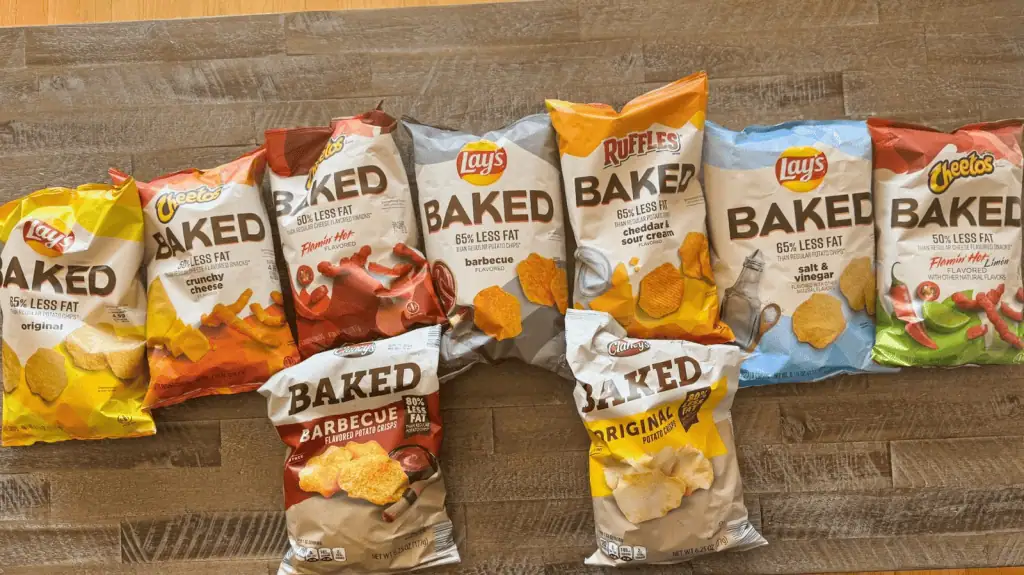
Baked chips survived for years on a simple promise: better than fried. TikTok nutrition discourse flattened that distinction quickly. Creators explained that baked didn’t automatically mean low-calorie, filling, or nutritious. Without the health justification, many people realized something uncomfortable they didn’t actually enjoy baked chips very much. The texture felt inferior, the flavor muted. Once the “better choice” narrative disappeared, there was nothing left to defend. People didn’t replace them with fried chips; they just stopped buying them altogether.
Snack Packs With Crackers and Cheese
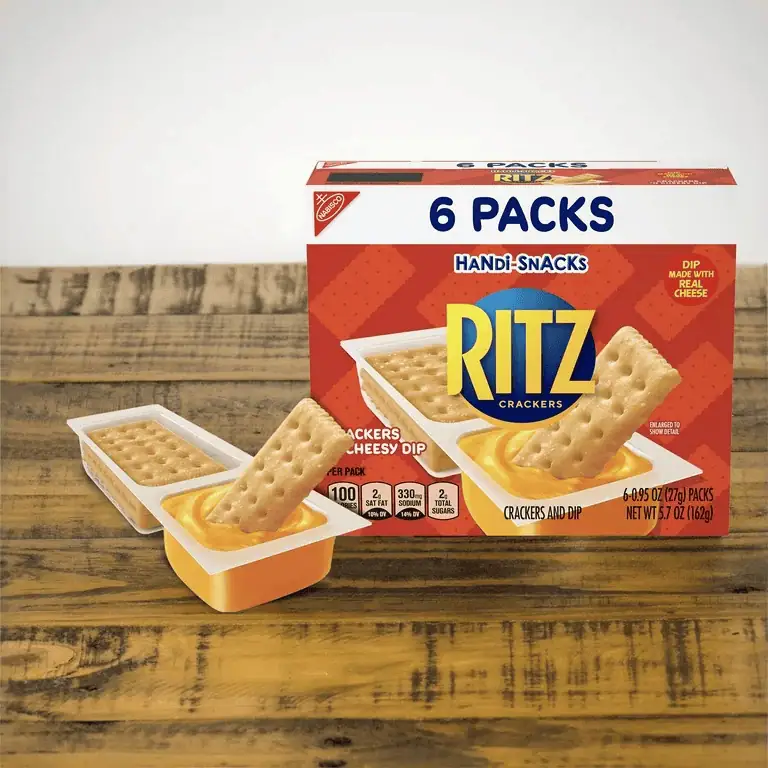
Cracker-and-cheese snack packs once felt balanced, portioned, and responsible. TikTok reframed them as expensive combinations of refined carbs, processed cheese, and minimal fiber. Viral clips questioned both the nutrition and the value, pointing out how quickly they failed to satisfy hunger. Once labeled as snacks pretending to be meals, their relevance collapsed. People stopped seeing them as smart solutions and started seeing them as unnecessary compromises, too processed to feel good about and too small to feel worth the money.
Granola Clusters
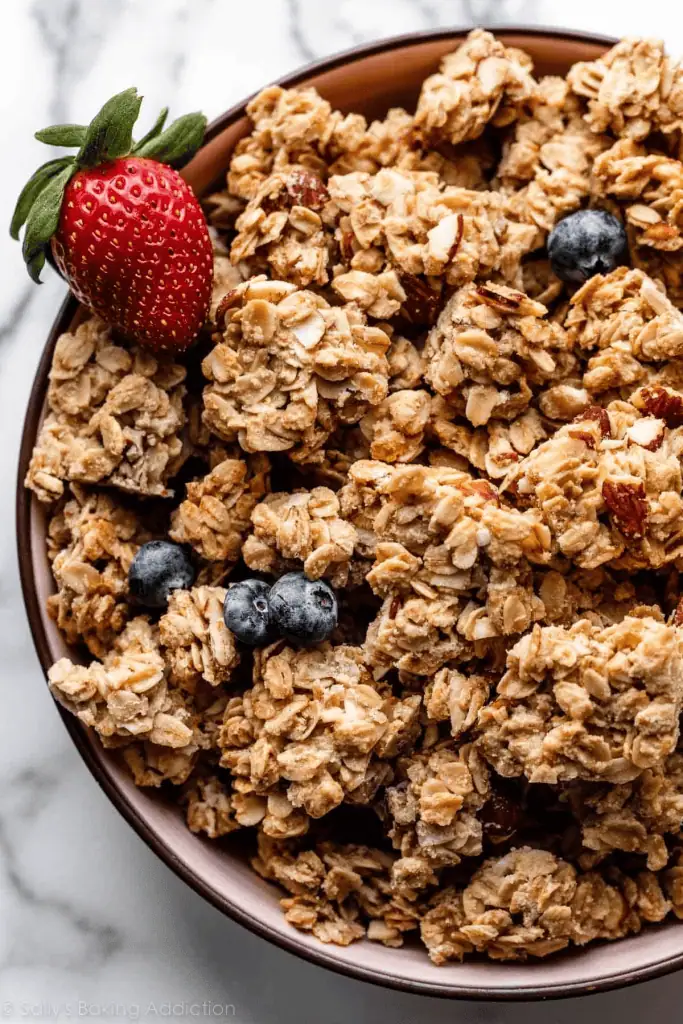
Granola clusters carried a strong wellness image tied to oats, nuts, and energy. TikTok dismantled that image with math. Creators poured out “recommended servings” next to real bowls, showing how calorie-dense and sugar-heavy granola could be. The visual shock mattered more than the numbers. Once people saw how easy it was to overeat, granola didn’t slowly lose favor it dropped fast. The product didn’t change, but perception did, turning a once-trusted staple into something people quietly removed from carts.
Fruit Snacks
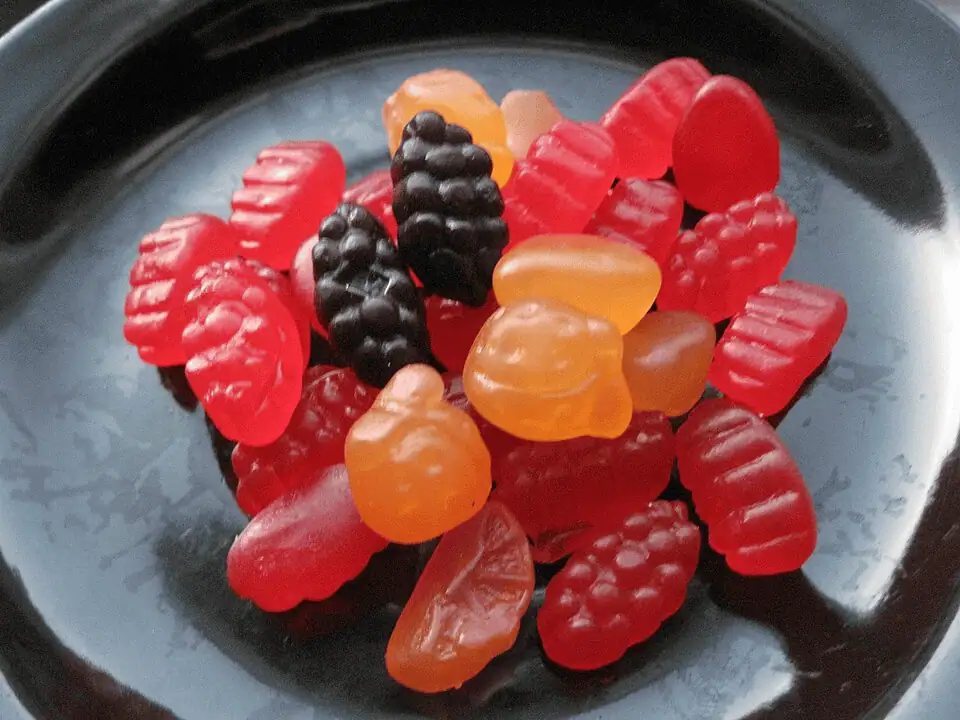
Fruit snacks were long marketed as playful, fruit-adjacent treats, especially for kids’ lunchboxes. TikTok ingredient breakdowns dismantled that image almost instantly. Once creators visually highlighted gelatin, corn syrup, and artificial dyes, the framing collapsed. Parents and adults stopped defending them because the “fruit” language no longer felt harmless. The shift was abrupt. Fruit snacks didn’t slowly fall out of favor, they flipped from everyday staple to something actively avoided. Once the illusion was stripped away, keeping them felt less like convenience and more like willful denial.
Low-Calorie Ice Cream Pints
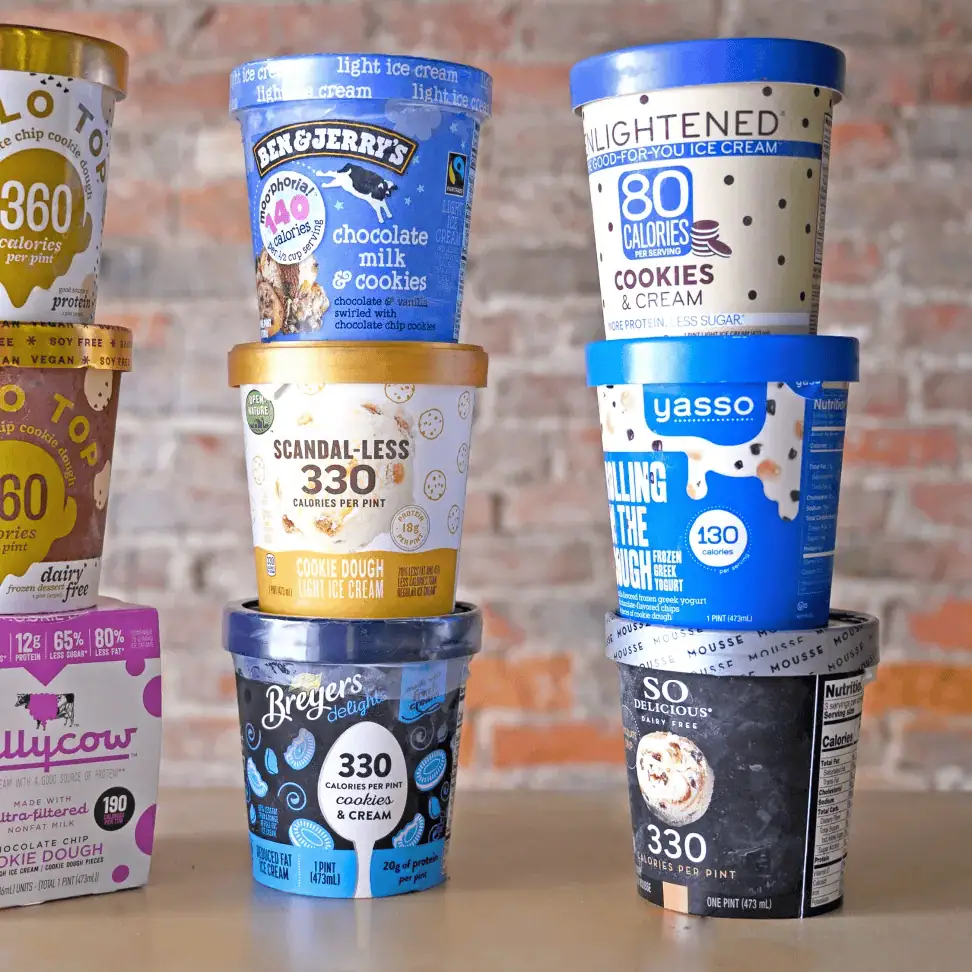
Low-calorie ice cream pints surged by promising indulgence without consequences. TikTok critics attacked where it hurt most: texture, aftertaste, and ingredient lists. Videos calling them “diet food pretending to be dessert” resonated widely. Once people recognized they were forcing themselves to like something unsatisfying, the spell broke. Many returned to smaller portions of regular ice cream, while others skipped dessert altogether. The appeal vanished quickly because the product depended entirely on belief. Once that belief cracked, there was no emotional reason to keep buying it.
Flavored Instant Oatmeal Packets
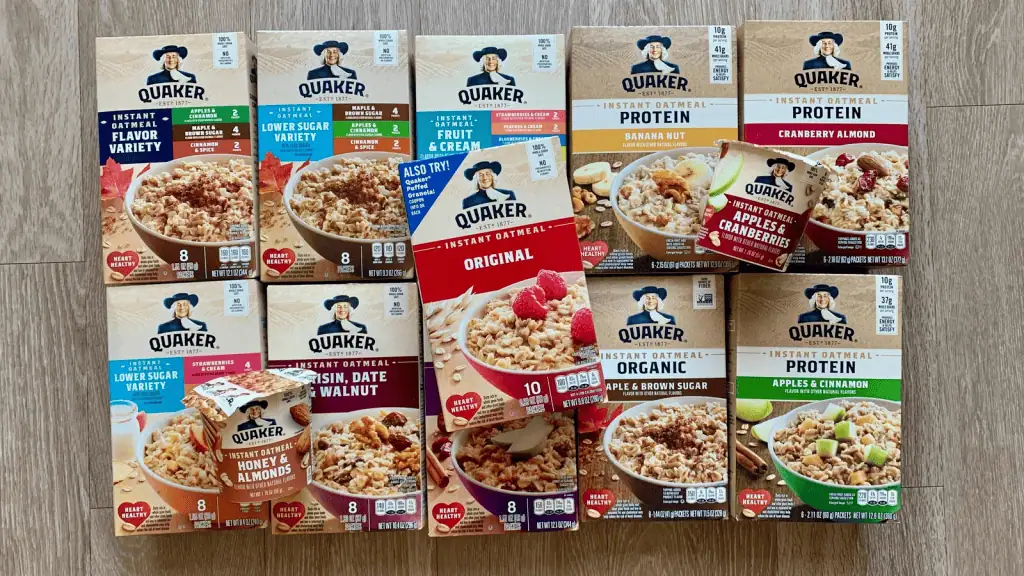
Flavored instant oatmeal packets once felt like a safe, wholesome shortcut. TikTok label comparisons exposed how much sugar hid behind flavors like maple or apple cinnamon. Creators visualized teaspoons of sugar, reframing the packets as closer to dessert than breakfast. Trust evaporated fast. Shoppers didn’t debate moderation, they switched to plain oats or stopped buying packets entirely. Convenience wasn’t enough to offset the feeling of being misled. Once the numbers became visible, the category lost its quiet credibility almost overnight.
Energy Balls
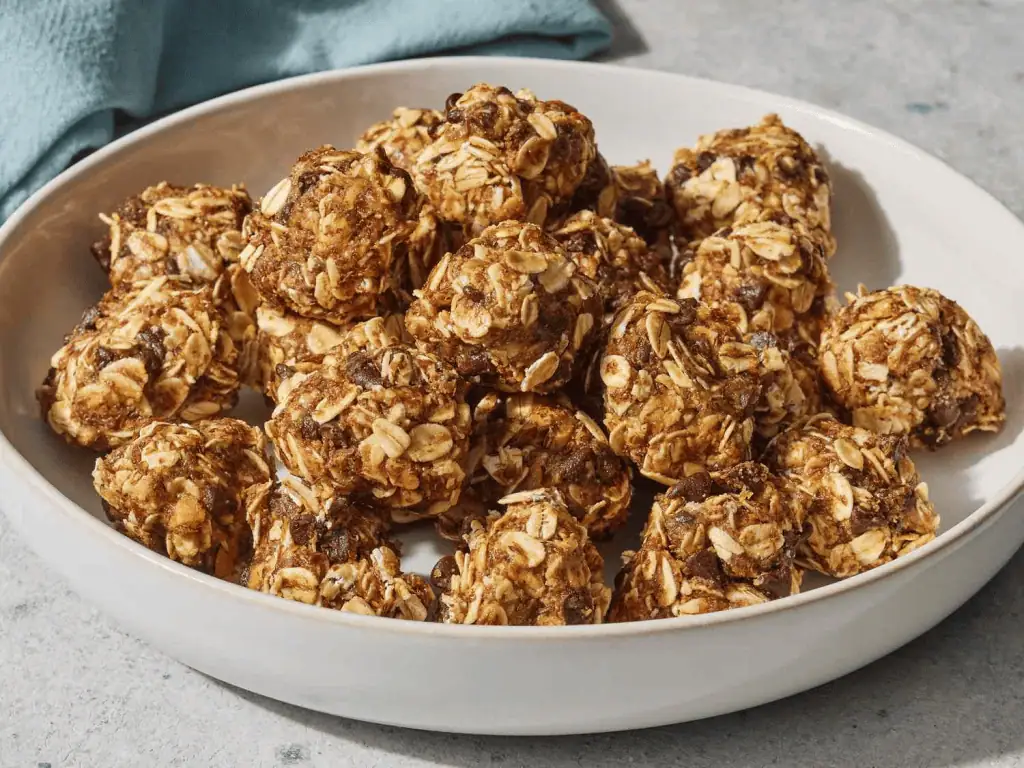
Energy balls thrived in wellness culture as compact, “clean” snacks. TikTok reframed them by breaking down calorie density and macronutrients in blunt terms. Viral clips showed how small portions delivered high calories with surprisingly little protein. Once labeled as fat-heavy snacks rather than functional fuel, enthusiasm dropped sharply. They stopped feeling energized and started feeling depleted. The decline was sudden because the appeal depended on perception. When that perception shifted, energy balls no longer felt worth the mental or caloric justification.
Diet Snack Cookies
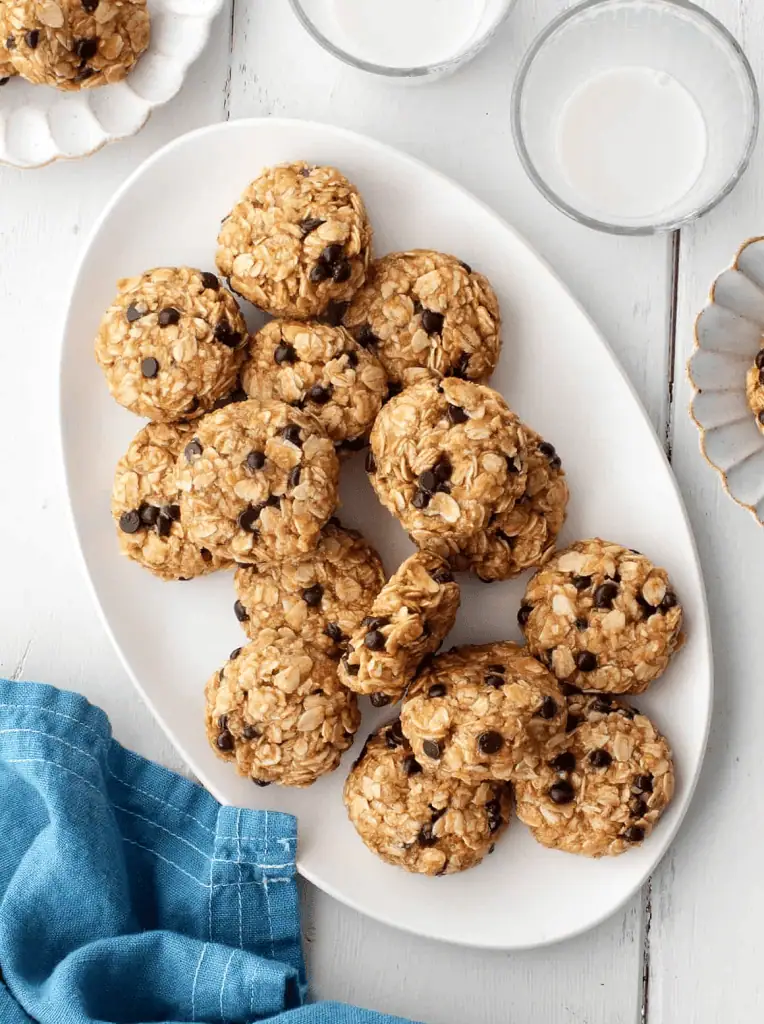
Diet snack cookies lasted as long as guilt made them feel necessary. They weren’t bought for pleasure, texture, or satisfaction; they were bought to signal restraint. TikTok’s blunt taste tests and ingredient breakdowns shattered that logic. Creators openly admitted they tasted bad and weren’t meaningfully healthier, permitting viewers to admit the same. Once people realized they were eating these cookies out of obligation rather than enjoyment, demand collapsed. Without guilt-driven motivation to prop them up, the category faded fast, leaving little reason to keep pretending compromise tasted like virtue.
