
12 Doctor-Recommended Veggies to Grow and Eat This Summer
Growing your own vegetables offers not only the freshest flavors but also an array of health benefits. Focusing on doctor-recommended veggies can enhance your well-being and culinary adventures. This selection of twelve veggies includes those that bolster immunity, reduce inflammation, aid digestion, and keep you hydrated, ensuring a nutritious boost throughout the summer months.
Boost Immunity with Bell Peppers
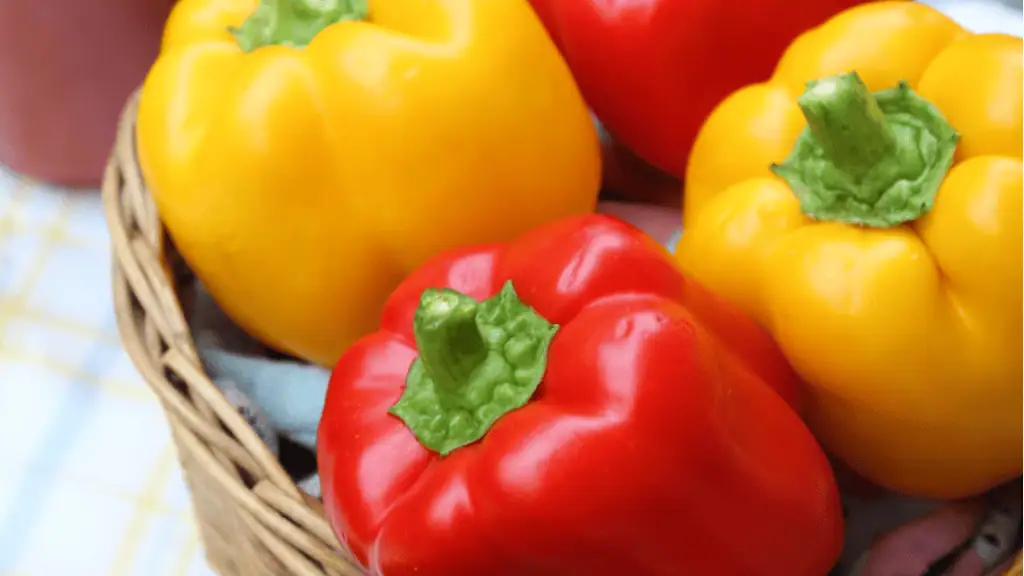
Bell peppers are vibrant additions to your garden and a powerhouse of vitamin C, crucial for immune support. All colors offer benefits, but red varieties contain the highest levels of antioxidants. Roasting bell peppers intensifies their natural sweetness and enhances their rich texture. When preparing, avoid overcooking to maintain their crisp snap. Incorporate them into salads, stir-fries, or stuff with quinoa and herbs for a nutritious meal.
Fight Inflammation with Kale
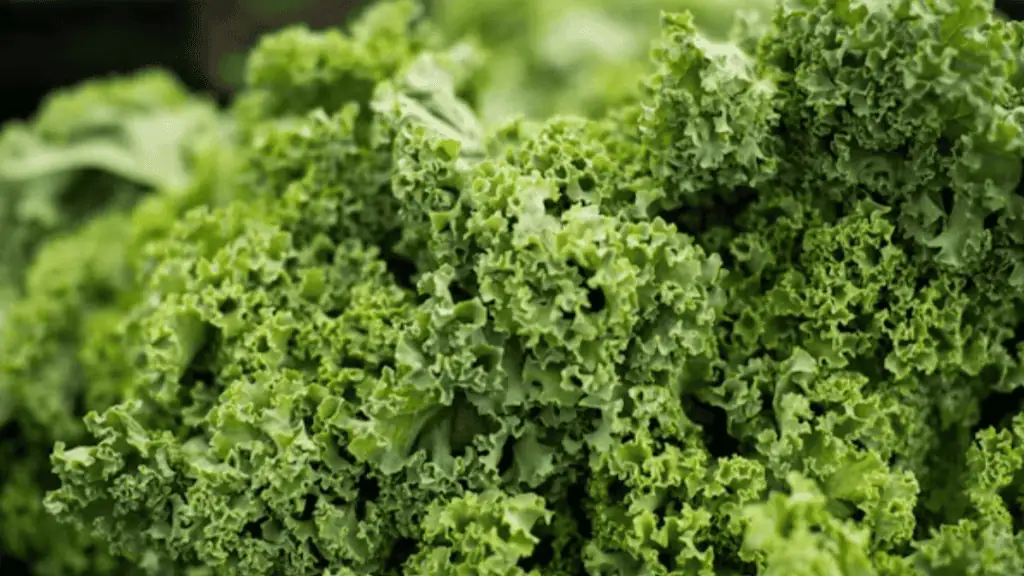
Kale is renowned for its anti-inflammatory properties, thanks to a high concentration of vitamins A, C, and K. Its hardy leaves hold well under heat, making it ideal for steaming or sautéing to create tender yet robust textures. Massaging raw kale with olive oil and a touch of lemon juice can soften its fibers, creating an inviting base for salads. Pair with nuts and cranberries for a refreshing twist that brings out its earthy flavor.
Digestive Health from Spinach
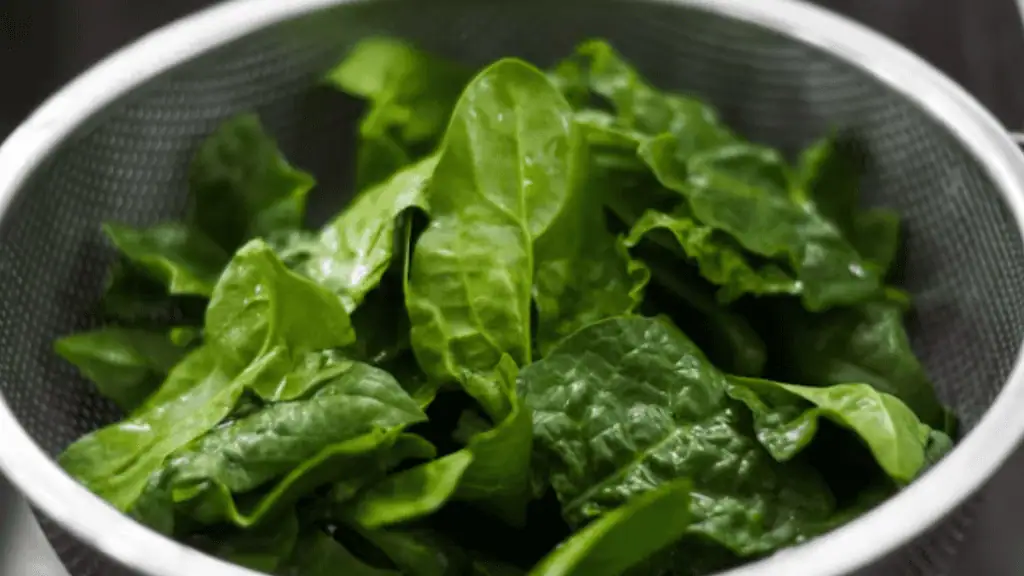
Spinach supports digestive health with its rich fiber content and array of essential nutrients. Its versatility shines in both raw and cooked forms, maintaining a silky texture when wilted in gentle heat. Blend spinach into smoothies for a nutritious start to your day or layer it in lasagnas for a nutritious depth. To retain its vibrant green color, quickly blanch spinach before shocking it in ice water, preserving both taste and aesthetics.
Hydration from Cucumbers
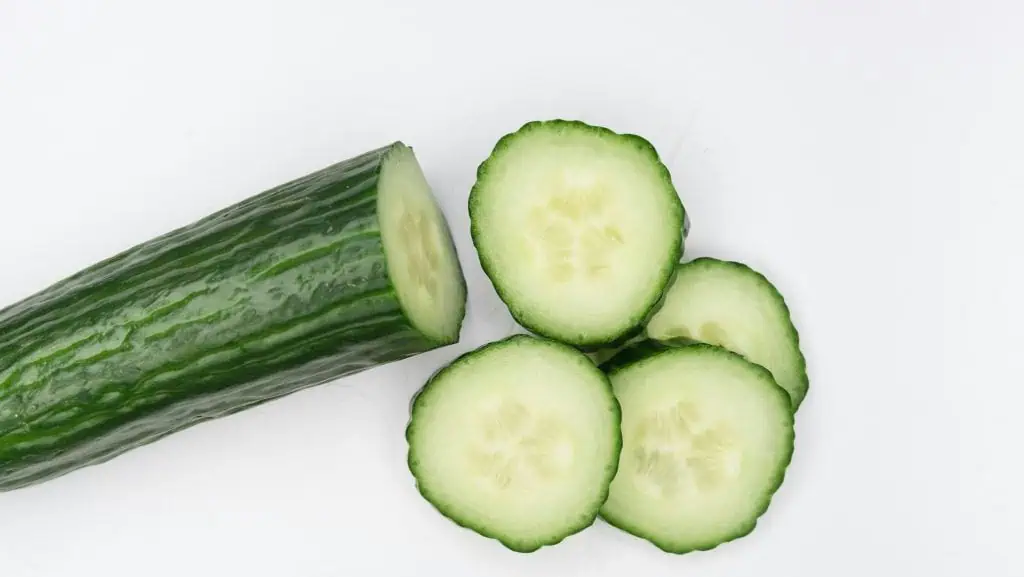
Cucumbers are over 95% water, making them a perfect choice for hydration during hot summer days. Their crisp texture and mild flavor make them incredibly versatile. Slicing cucumbers thinly and marinating them with vinegar and herbs creates a refreshing bite. Additionally, adding cucumbers to infused water elevates hydration with a hint of natural sweetness, while incorporating them into salads adds a hydrating crunch.
Support Vision with Carrots
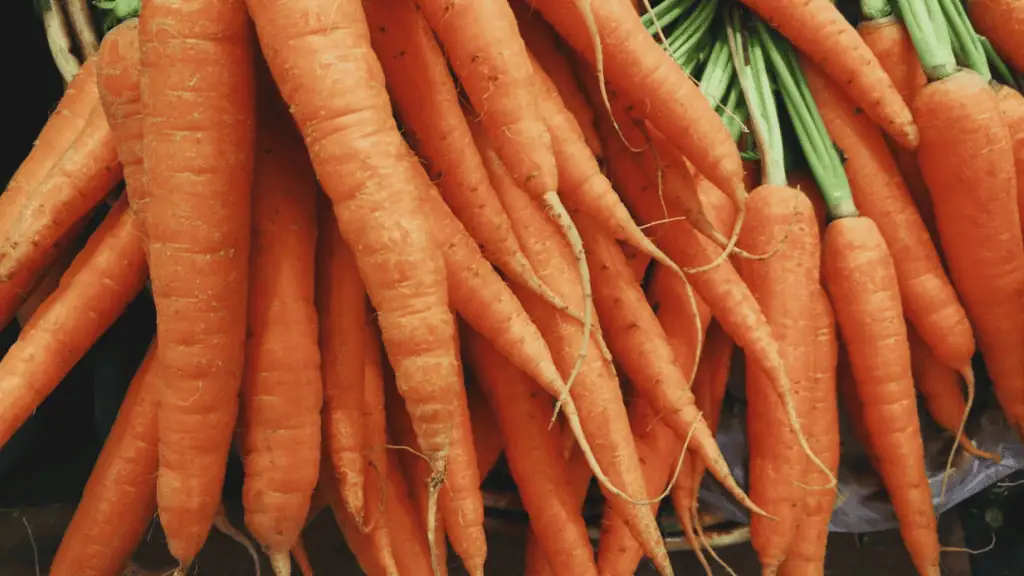
Carrots are a classic vegetable that contribute significantly to eye health, thanks to their high beta-carotene content, a precursor to vitamin A. To fully enjoy their benefits, slice carrots and roast them, intensifying their natural sweetness while preserving nutrients. Toss with olive oil and season lightly with salt and pepper for a simple side dish. For added interest, incorporate them into salads with citrus vinaigrette, highlighting their vibrant color and crunch. Growing your own ensures the freshest flavor and maximum nutritional value.
Antioxidant Richness of Tomatoes
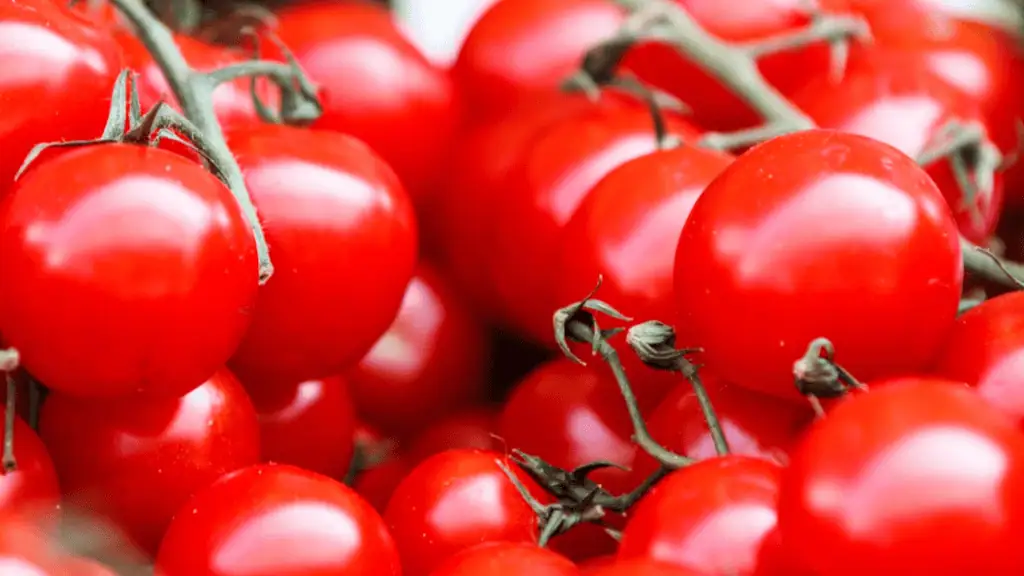
Tomatoes are rich in lycopene, an antioxidant known for its cancer-fighting properties. To harness their full potential, choose vine-ripened varieties for freshness. Enjoy them in a caprese salad, where their sweetness can shine alongside fresh mozzarella and basil. Gently drizzle with extra virgin olive oil and balsamic vinegar to enhance their naturally robust flavor. Alternatively, slow-roast tomatoes to concentrate their essence and add depth to sauces. Homegrown tomatoes tend to have superior taste and texture, rewarding your gardening efforts.
Brain Boosting Power of Broccoli
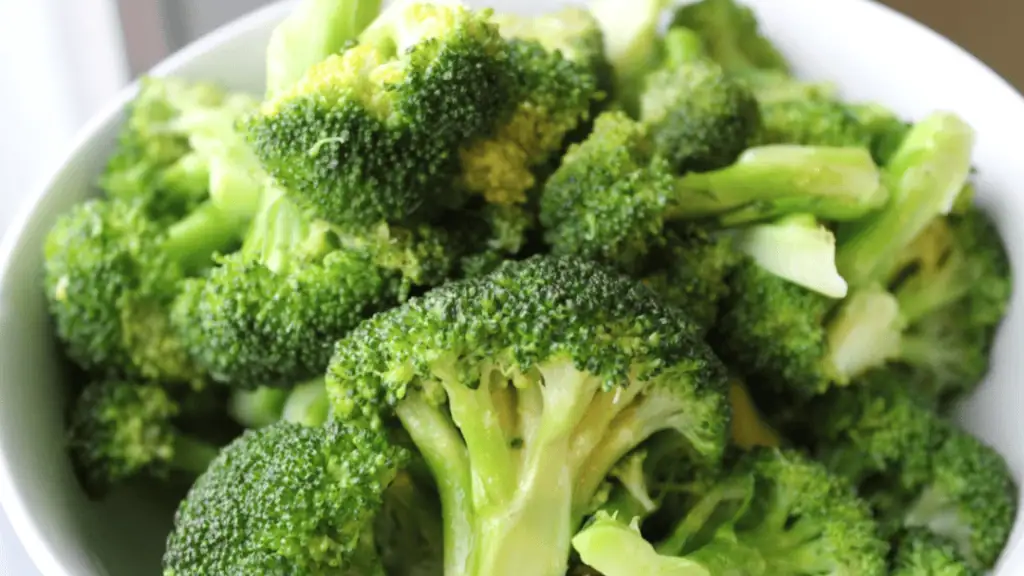
Broccoli, abundant in vitamin K and choline, supports cognitive function. For optimal texture and nutrient retention, steam broccoli until vibrant green yet tender-crisp. Pair with a squeeze of lemon juice to brighten flavors, or sauté with garlic and chili flakes for a flavor-packed dish. Growing broccoli in your garden gives you control over its harvest time, ensuring it’s picked at peak sweetness. Incorporate into stir-fries or grain bowls for a wholesome meal, capitalizing on both its earthiness and nutritional density.
Strengthen Bones with Swiss Chard
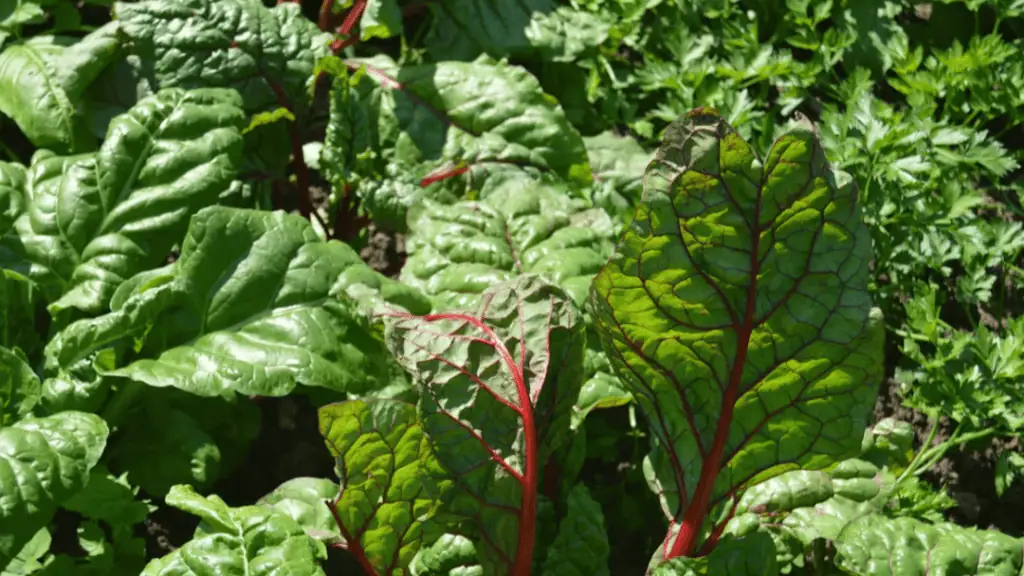
Swiss chard is a powerhouse of vitamins K and C, crucial for bone health. Selectively harvest the outer leaves to encourage continued growth, ensuring freshness for each use. Sauté chard with a dash of olive oil, diced onions, and a pinch of nutmeg, allowing their natural flavors to meld beautifully. Serve as a vibrant side or incorporate into frittatas for added texture and nutrition. Growing Swiss chard at home offers a steady supply of this leafy green, maximizing its health benefits at your table.
Heart Health from Beets
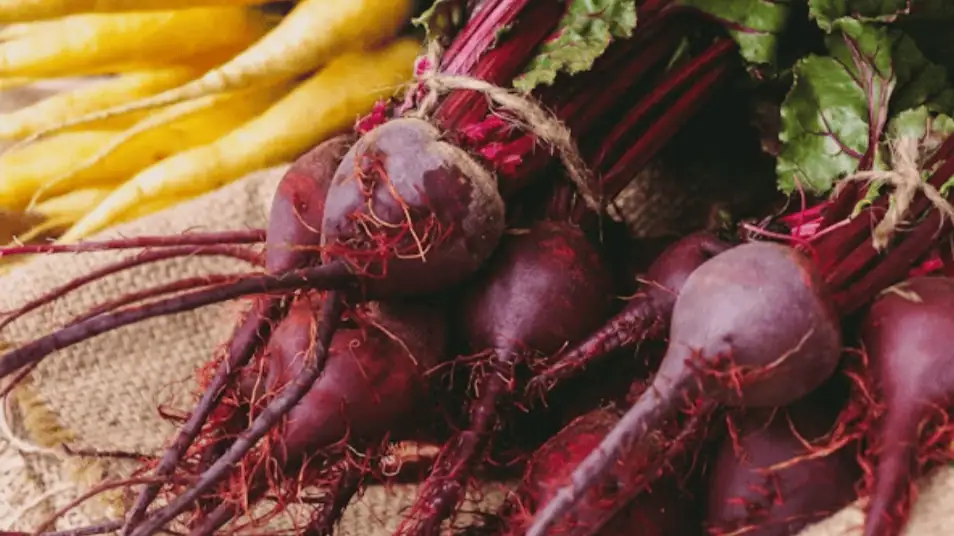
Beets are packed with nitrates, promoting heart health by improving blood flow and lowering blood pressure. Roast them to accentuate their earthy sweetness, then toss with goat cheese and walnuts for a classic salad. Alternatively, shave raw beets thinly in salads for a crunchy texture and vivid color. When growing your own, thin the seedlings for an ample root crop. Use greens in a pesto with nuts and cheese to avoid waste, enjoying every bit of this versatile plant. Keeping beet skins intact during cooking preserves their vibrant color and nutrients.
Detox Naturally with Zucchini
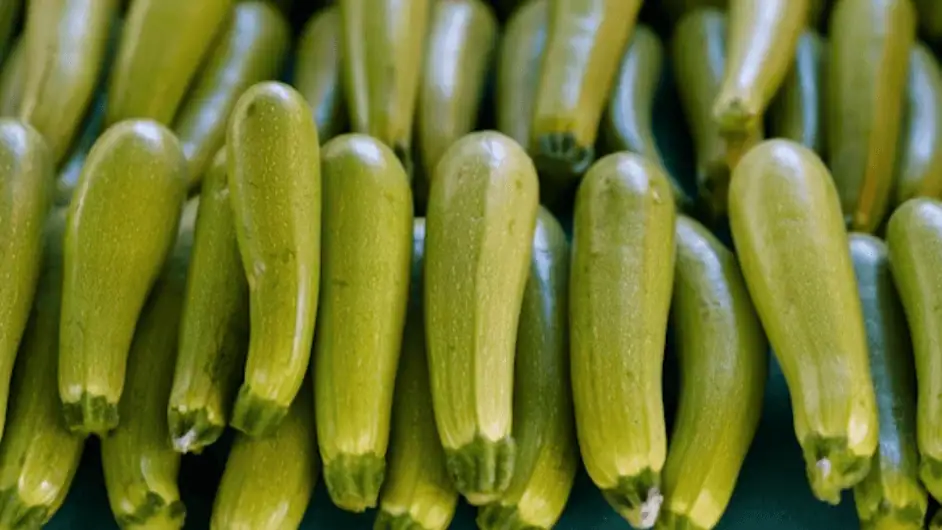
Zucchini is a versatile summer squash, rich in antioxidants and high in water content, making it ideal for natural detoxification. When preparing zucchini, leave the skin on to maximize its nutrient retention. It can be spiralized for a fresh pasta alternative or sliced thin for grilling. To enhance its mild flavor, sauté with garlic and olive oil, finishing with a sprinkle of sea salt and lemon juice. Grilled zucchini can also benefit from a drizzle of balsamic glaze, elevating its sweetness without overpowering its delicate texture.
Anti-Aging Benefits of Red Cabbage

Red cabbage stands out for its vivid hue, which indicates a high concentration of anthocyanins, powerful antioxidants that combat free radicals and support skin health. For best results, consume red cabbage raw or lightly pickled, as excessive cooking can diminish its vibrant color and nutritional value. Shave thinly for salads or shred for slaw. Pair with ingredients like apple cider vinegar and Dijon mustard to create a dressing that enhances its natural crispness and prevents oxidation, preserving both flavor and nutritional benefits.
Metabolism Magic of Green Beans
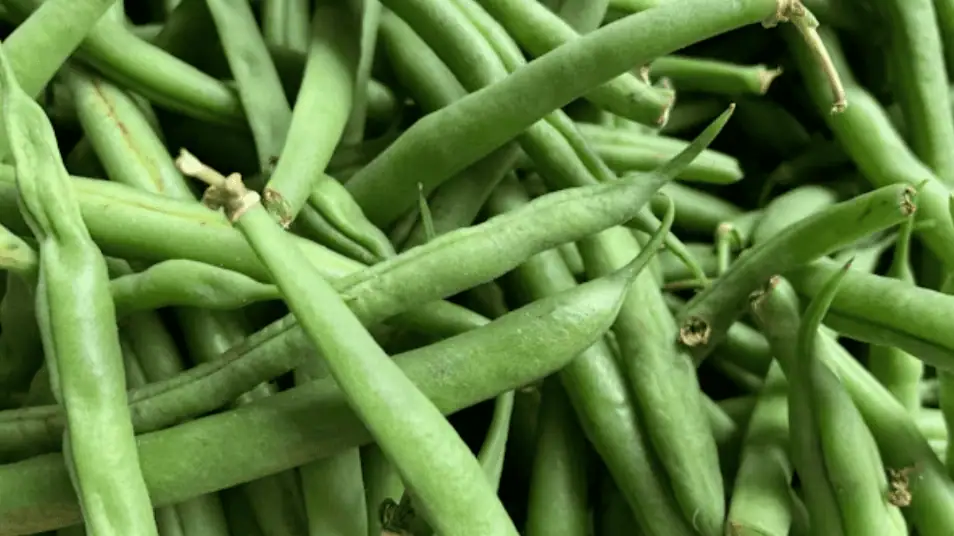
Green beans are not only a low-calorie option but also packed with nutrients that can help boost metabolism, such as fiber and complex carbohydrates. For optimal nutrient preservation, consider steaming or quickly blanching them. Ensure they’re cooked to a tender-crisp to retain their vibrant green color and nutritional content. Toss blanched beans with toasted almonds and a squeeze of lemon for a refreshing side. Alternatively, sauté with shallots and thyme to create a warm dish that complements grilled proteins or hearty grains.
