
10 Traditional Cuisines That Prove Eating Clean Doesn’t Mean Boring
Eating clean doesn’t have to mean bland salads or restrictive diets. Around the world, entire cultures have mastered the art of healthy eating long before the phrase “clean eating” was coined. Rooted in local ingredients, balance, and mindful preparation, these 10 traditional cuisines celebrate fresh food, vibrant flavor, and wholesome nourishment proving that health and pleasure can share the same plate.
Mediterranean Cuisine
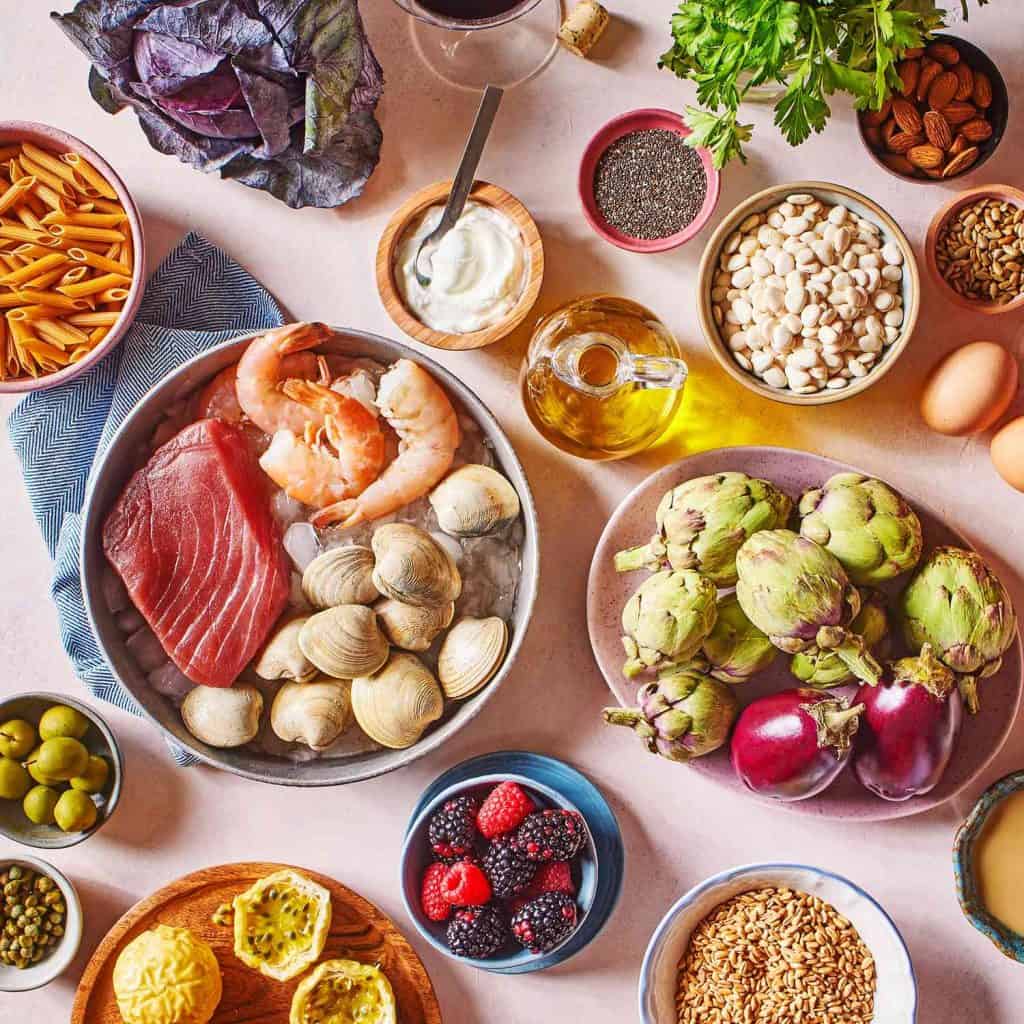
Celebrated for heart health and longevity, Mediterranean cuisine blends olive oil, vegetables, grains, and lean proteins like fish or chicken. Dishes such as Greek salads, Italian minestrone, and Moroccan couscous emphasize balance over restriction. Fresh herbs and natural fats replace heavy sauces, creating meals that are both nutritious and bursting with flavor. It’s proof that simple ingredients, when combined with care, create extraordinary food.
Japanese Cuisine
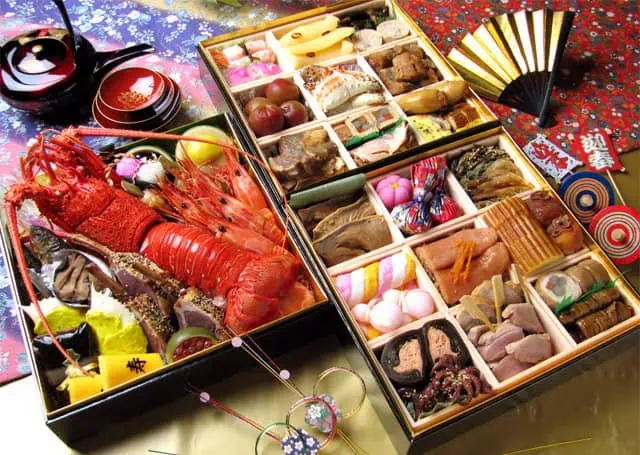
Japanese cooking revolves around harmony, freshness, and presentation. Meals feature rice, grilled fish, seaweed, miso, and seasonal vegetables light yet deeply satisfying. The practice of “hara hachi bu,” or eating until 80% full, promotes moderation and mindfulness. From sushi to miso soup, Japan’s culinary philosophy shows that clean eating isn’t about less it’s about respect for every ingredient.
Thai Cuisine
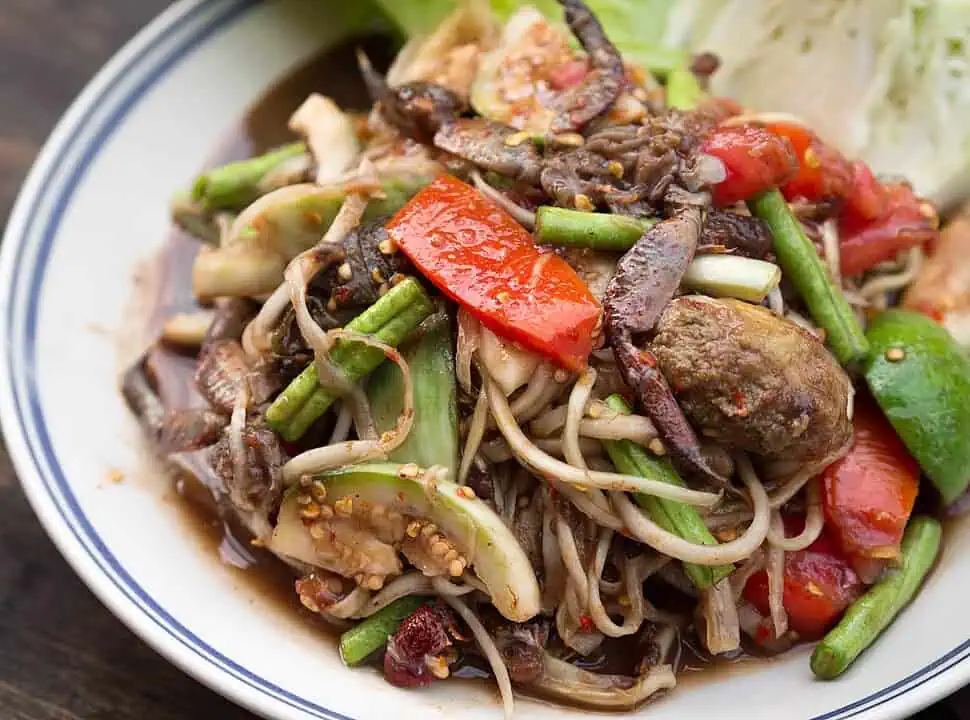
Thai cuisine achieves balance through sweet, salty, sour, and spicy elements, using fresh herbs, chili, lime, and coconut. Stir-fries and curries often incorporate lean proteins and colorful vegetables, while fresh herbs add layers of complexity. Despite its bold flavors, Thai food remains largely low in processed fats and sugars. It’s clean eating with a thrilling kick full of color, aroma, and natural zest.
Indian Cuisine

Rich in plant-based meals and healing spices, Indian cuisine makes clean eating both flavorful and diverse. Lentils, chickpeas, and vegetables form the base for curries and dals, while turmeric, cumin, and ginger provide depth and health benefits. Many regions use ghee or coconut oil in moderation, keeping meals balanced. It’s proof that centuries-old cooking can be wholesome without losing its richness.
Korean Cuisine

Fermentation and balance define Korean food. Staples like kimchi, doenjang (soybean paste), and gochujang (chili paste) deliver both nutrition and probiotic benefits. Meals typically include rice, vegetables, grilled meats, and side dishes that emphasize variety over excess. The result is a flavorful, gut-friendly cuisine that combines vibrant spices with the wisdom of traditional eating.
Ethiopian Cuisine

Ethiopian meals center around injera a spongy, fermented flatbread paired with lentil stews, spiced vegetables, and legumes. The cuisine is naturally low in processed ingredients and rich in plant proteins. Its variety of textures and spices keeps meals exciting, while the communal dining tradition adds warmth and connection. Eating clean in Ethiopia is a flavorful, shared experience full of depth and culture.
Lebanese Cuisine
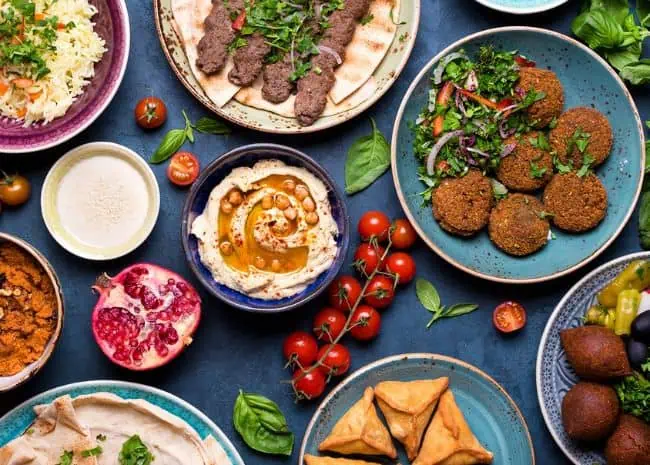
Lebanese food thrives on freshness and balance. Olive oil, lemon juice, garlic, and herbs form the foundation for dishes like tabbouleh, hummus, and grilled kebabs. Meals highlight vegetables and legumes over heavy meats, with plenty of whole grains and healthy fats. Every bite feels light yet satisfying, showing how Mediterranean-inspired eating can be clean, comforting, and endlessly delicious.
Mexican Cuisine (Traditional)
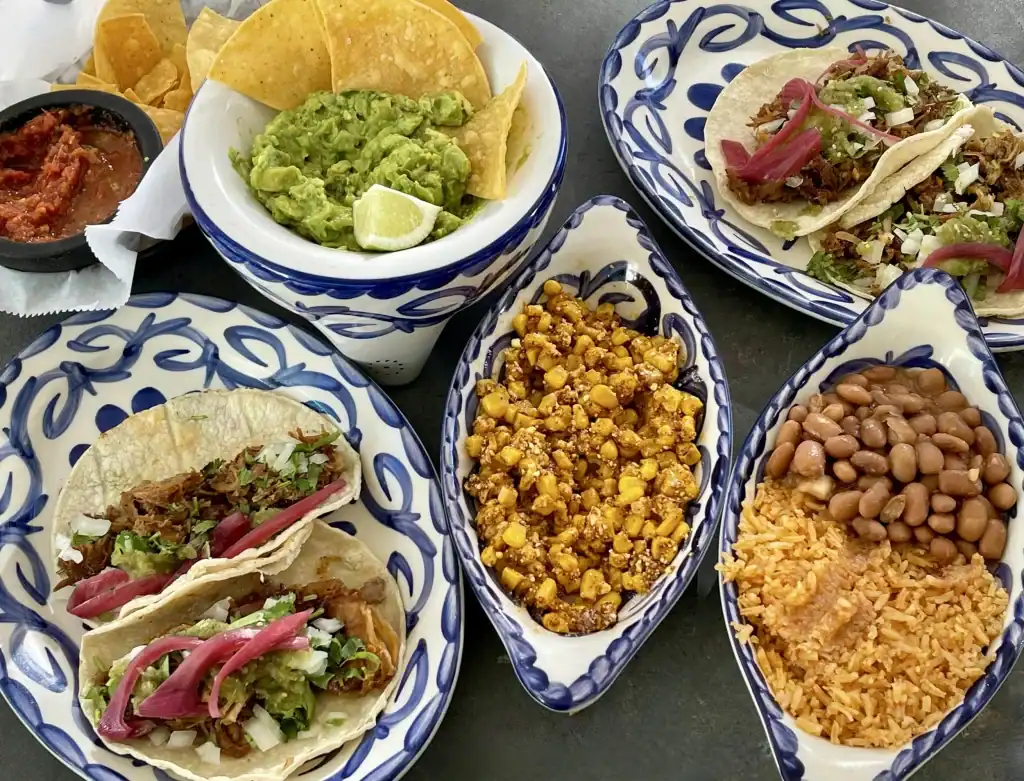
Long before fast food interpretations, traditional Mexican cuisine was naturally clean. Corn, beans, tomatoes, and chili peppers form the base of wholesome meals like pozole, tamales, and salsas. The balance of fiber, spice, and lean proteins offers both energy and flavor. By returning to its Indigenous roots, Mexican cooking proves that real flavor doesn’t require excess fat or additives.
Vietnamese Cuisine

Fresh herbs, light broths, and minimal oil define Vietnamese cooking. Dishes like pho, spring rolls, and vermicelli bowls rely on rice noodles, lean meats, and crisp vegetables. The use of fish sauce and lime enhances flavor naturally, while the abundance of greens keeps meals refreshing. Vietnamese cuisine shows that clean food can be fragrant, balanced, and irresistibly satisfying.
Nordic Cuisine
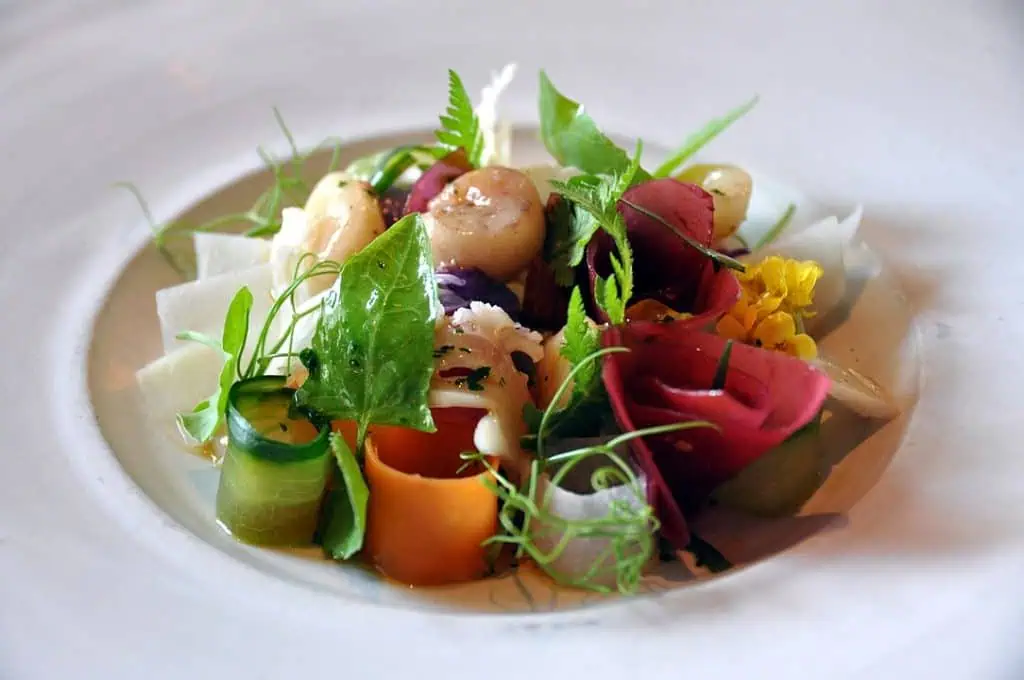
Rooted in simplicity and seasonality, Nordic cuisine embraces wild fish, root vegetables, berries, and whole grains. The emphasis on foraging, smoking, and fermentation yields clean yet deeply flavorful dishes. Meals focus on sustainability and natural fats from seafood, making them nourishing and grounded in nature. Modern Nordic diets reflect centuries of respect for purity and freshness.
