
10 Food Trends That Will Define 2026 Dining
As the culinary world evolves, 2026 promises to bring innovations that blend technology, sustainability, and a deeper connection to food origins. These trends reflect shifting consumer preferences toward health, ecology, and immersive dining experiences. With an emphasis on quality, creativity, and responsibility, the upcoming food scene offers exciting directions for both chefs and home cooks, driving new ideas into kitchens everywhere. Here’s a look at ten pivotal food trends that will redefine dining in 2026.
AI-Crafted Menus: The Future of Dining

Artificial intelligence is stepping into the culinary spotlight, offering chefs and restaurateurs data-driven insights to create personalized dining experiences. These AI-crafted menus take into account individual dietary preferences, local ingredient availability, and flavor profiling to curate a meal that delights and surprises. For home cooks, embracing AI tools means access to recipe suggestions that balance nutrition with creativity, helping to refine technique and foster culinary exploration without the usual guesswork.
Hyper-Local Sourcing: Beyond Farm-to-Table

Hyper-local sourcing pushes the boundaries of farm-to-table by focusing on ultra-regional ingredients. Chefs are forming deeper connections with local growers and even growing their own produce on-site to ensure freshness and reduce carbon footprints. For the home cook, this trend encourages exploring community markets and cultivating small-scale herb gardens. Emphasizing locality not only enhances the flavor profile but also supports a sustainable food system, making meals more environmentally responsible.
Plant-Forward Comfort: A New Cozy Cuisine
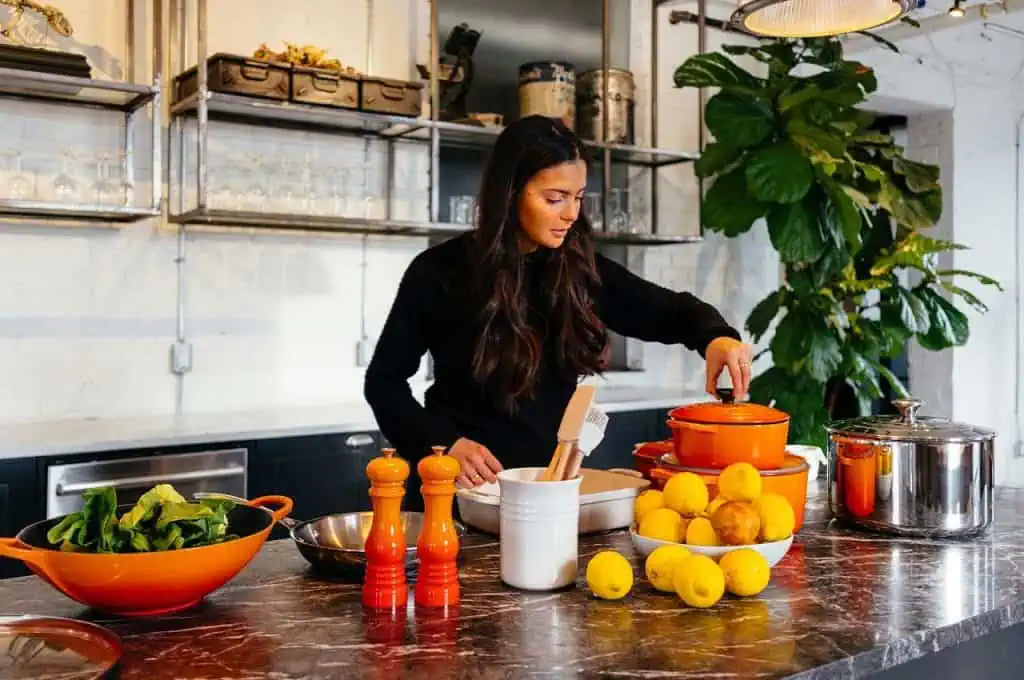
Plant-forward cooking meets comfort food, blending health-conscious choices with nostalgic dishes. The focus is on using vegetables as the main attraction, transformed through techniques like roasting and slow-cooking to enhance flavors and textures. Home cooks can elevate classic comfort staples by incorporating whole grains, legumes, and plant-based proteins, turning familiar recipes into nourishing delights. This approach offers variety, satisfaction, and aligns with growing preferences for plant-centric meals.
Fermentation 2.0: A Tangy Revival

Fermentation is entering a new era, with chefs exploring beyond traditional methods to create innovative flavors and textures. Using advanced techniques, they expand on classics like kimchi and sauerkraut, integrating unexpected ingredients such as tropical fruits and aromatic herbs. For home cooks, venturing into Fermentation 2.0 involves experimenting with small batches and understanding the science of live cultures. These processes unlock complex tastes, adding depth and umami to both everyday and gourmet dishes.
Upcycled Ingredients: Waste Not, Want Not

Harness the full potential of ingredients by using every part in new ways, reducing waste while creating innovative dishes. Vegetable peels become crisp garnishes, and mushroom stems can be the base for a rich broth. This practice not only benefits sustainability but adds unique flavors and textures to your cooking. Focus on understanding the intrinsic qualities of each ingredient and imagine their transformation. The goal is to craft meals that are both environmentally conscious and deeply flavorful.
Global Fusion Breakfasts: Morning Meets World

Explore bold and diverse flavors by blending breakfast elements from different cultures. Integrate spices like za’atar into classic omelets, or pair kimchi with avocado toast. This trend encourages experimentation with condiments and spices, giving traditional morning dishes a global flair. These combinations not only surprise the palate but also offer a delightful way to start the day with diverse, harmonious flavors. Delve into this culinary fusion to transform standard breakfasts into vibrant global experiences.
Functional Beverages: Sip with Purpose

Elevate beverage choices with drinks designed for wellness and vitality. Incorporate herbs such as ashwagandha or turmeric to complement flavors while contributing health benefits. These drinks blend nutrition with taste, encouraging home cooks to consider not just what they consume, but the impact on their well-being. Kombuchas, infused waters, and teas are ripe for innovation, offering functional hydration that is as beneficial as it is enjoyable. Focus on balance and synergy when developing these purposeful sips.
Zero-Proof Cocktails: Buzz-Free Sipping
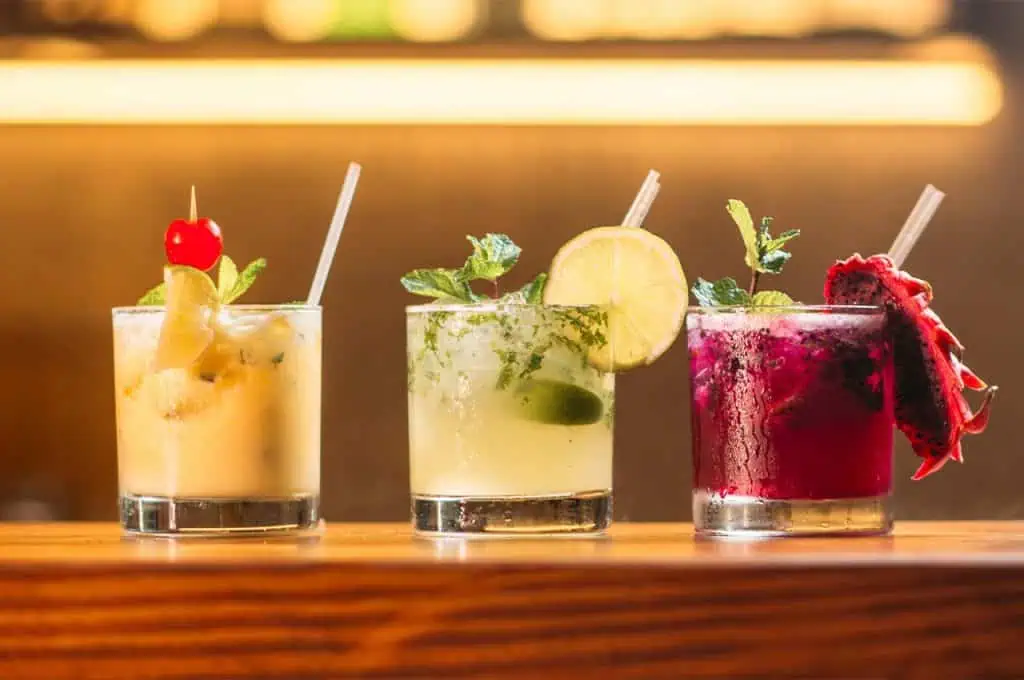
Craft sophisticated, alcohol-free cocktail alternatives by focusing on complex flavors and layered experiences. Use botanicals for aromatic depth, and don’t shy away from experimenting with bitter and sweet elements. Mixing techniques such as shake, stir, and muddle remain essential in creating these beverages. Zero-proof cocktails cater to those seeking flavorful, refreshing, and thoughtfully composed drinks without the alcohol. This approach ensures inclusivity while maintaining the craftsmanship expected of traditional cocktail creation.
Texture-Driven Dining: Feel the Flavor
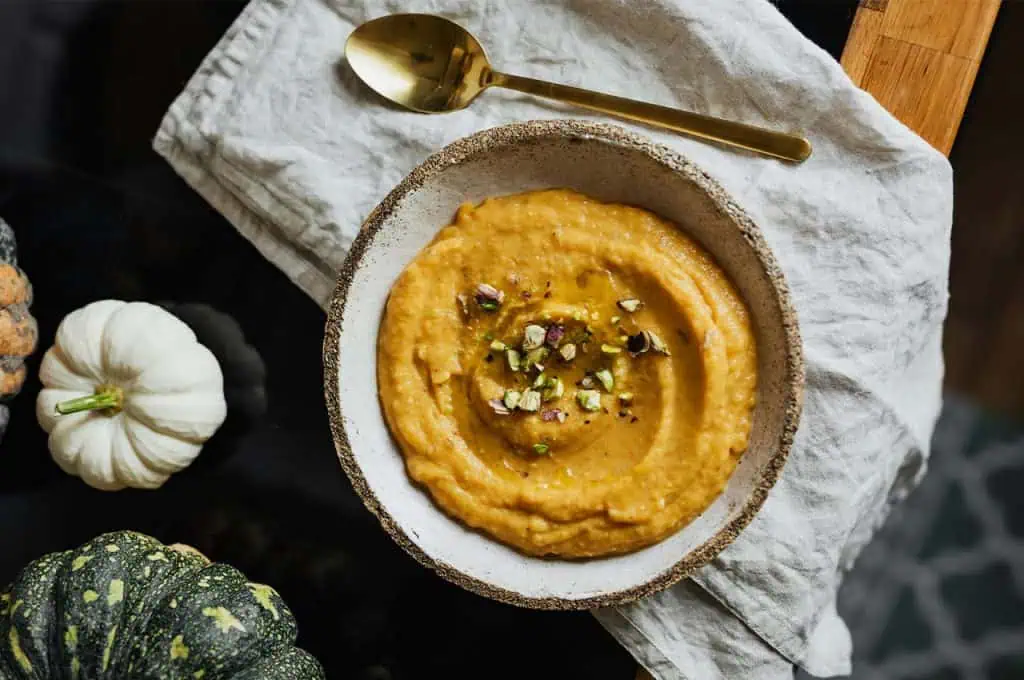
Highlight textural contrasts to amplify dining experiences. Combine smooth purees with crunchy toppings or incorporate silky sauces over crisp proteins. Understanding the varied sensations they can impart is crucial. Textures play a significant role in how flavors are perceived and enjoyed, encouraging diners to explore beyond taste alone. Emphasize the interplay between soft, crisp, tender, and chewy to create a more engaging and memorable dish. Texture-driven dining invites creativity and a deeper appreciation of what constitutes a satisfying meal.
Personalized Nutrition: Tailored Tastes

Advancements in technology have brought personalized nutrition to the forefront, allowing diners to craft meals that cater precisely to their dietary needs and flavor preferences. This trend emphasizes the integration of data-driven insights into daily dining, enhancing not only health but also culinary enjoyment. Whether using apps or consulting with nutritionists, home cooks can now harness detailed information about their unique nutritional profiles. This enables the creation of dishes that satisfy personal tastes while optimizing well-being. Embrace this innovation by exploring ingredient substitutes and cooking methods that align with individual goals, ensuring each meal is both delicious and nourishing.
