
How to Make Sun-Dried Tomatoes in Oil
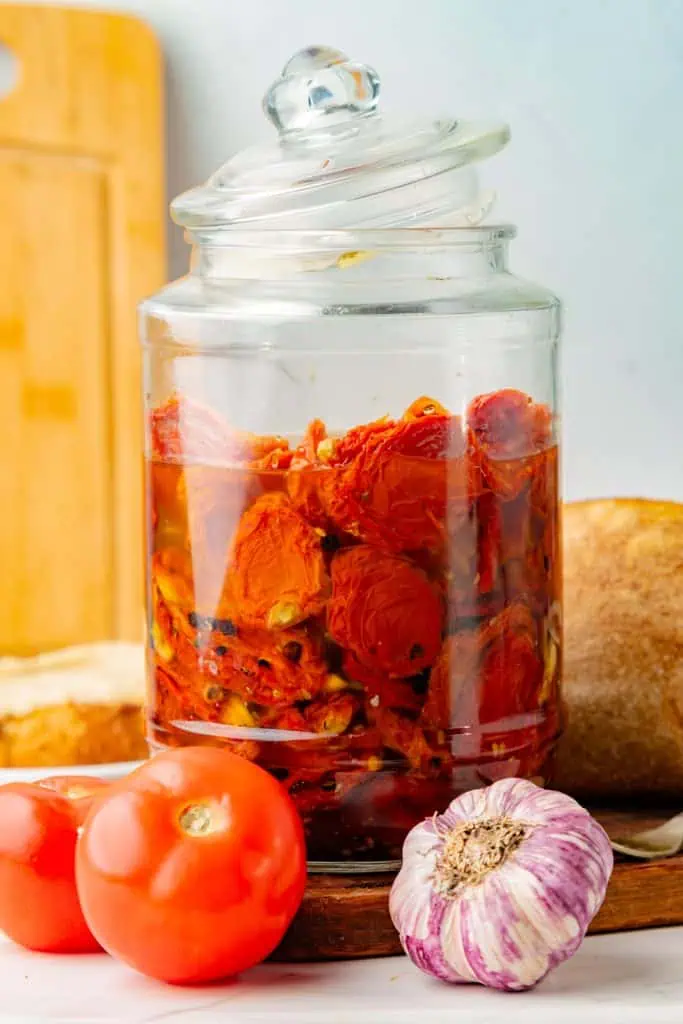
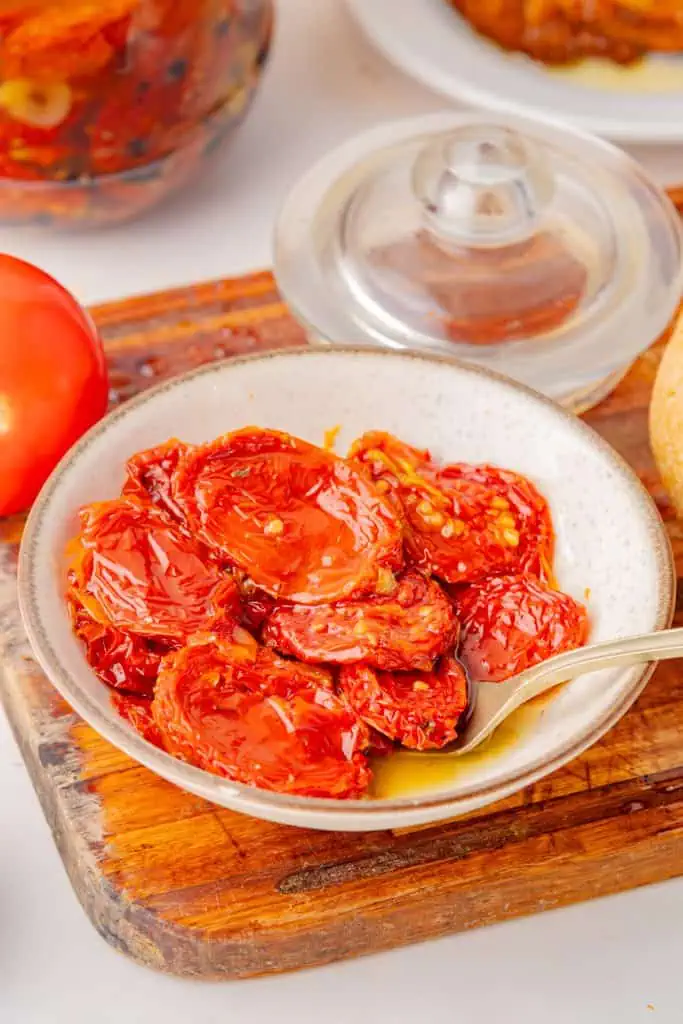
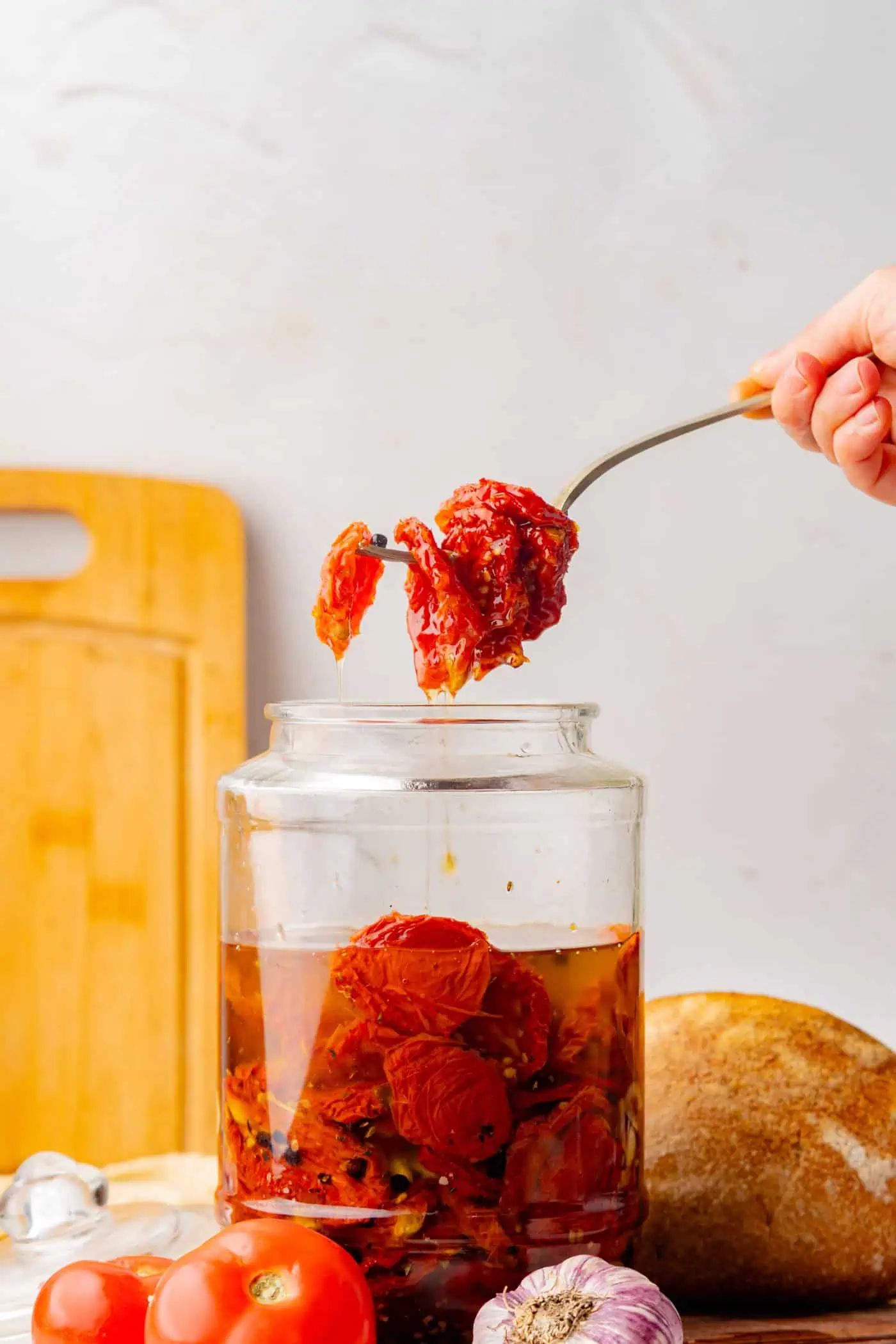
Learning how to make sun-dried tomatoes in oil is one of those simple kitchen tricks that adds so much flavor to everyday meals. Chewy sun-dried tomatoes soften into a rich, flavorful ingredient with olive oil, herbs, and garlic that you can use in pasta, chicken dishes, sandwiches, salads, and more.
Store-bought jars can be expensive, but making your own lets you control the flavor and create that delicious seasoned oil at the same time. That infused oil is perfect for adding extra flavor to sauces, dressings, or drizzling into your favorite recipes.
I started making these specifically for my classic marry me chicken recipe, because I wanted control over both the tomatoes and the oil. Using that garlic and herb infused oil to sear the chicken instead of plain olive oil helped to elevate the flavor. Now I always have a jar in the fridge! It's one of those “small effort, big payoff” kitchen moves I love.
About This Recipe
This is a quick-method recipe for homemade sun-dried tomatoes in oil using dry-packed tomatoes, a vinegar-water blanch, and extra virgin olive oil with garlic and herbs. The whole process takes about 20 minutes of active work, then 24 hours in the fridge before the tomatoes are ready to use. It yields one standard mason jar (roughly 100g tomatoes in about 500ml of infused oil). No dehydrator required. The acid-hydration step is what makes these last significantly longer than versions made with plain water.

Recipe Snapshot
- Acid-hydration method: The white vinegar blanch softens the tomatoes fast and lowers surface pH, which naturally extends shelf life without preservatives.
- The infused oil is the real prize: By day three, that olive oil is packed with garlic, tomato, and herb flavor. It becomes a cooking ingredient in its own right.
- No special equipment needed: No dehydrator, no days-long oven drying. A pot, a jar, and a kitchen towel.
- Works across the whole cluster: Every recipe in this marry me chicken collection calls for both the tomatoes and the infused oil.
- Best For: Stocking your fridge ahead of any marry me chicken recipe, pasta nights, pizza, charcuterie boards, or anywhere a jarred sun-dried tomato would go.
David's Tip: Make this on a Sunday and you'll have the best possible starting ingredient for every recipe you cook that week. The oil improves every single day it sits.
SUMMARIZE AND SAVE THIS RECIPE CONTENT ON:
Why You'll Love This Recipe
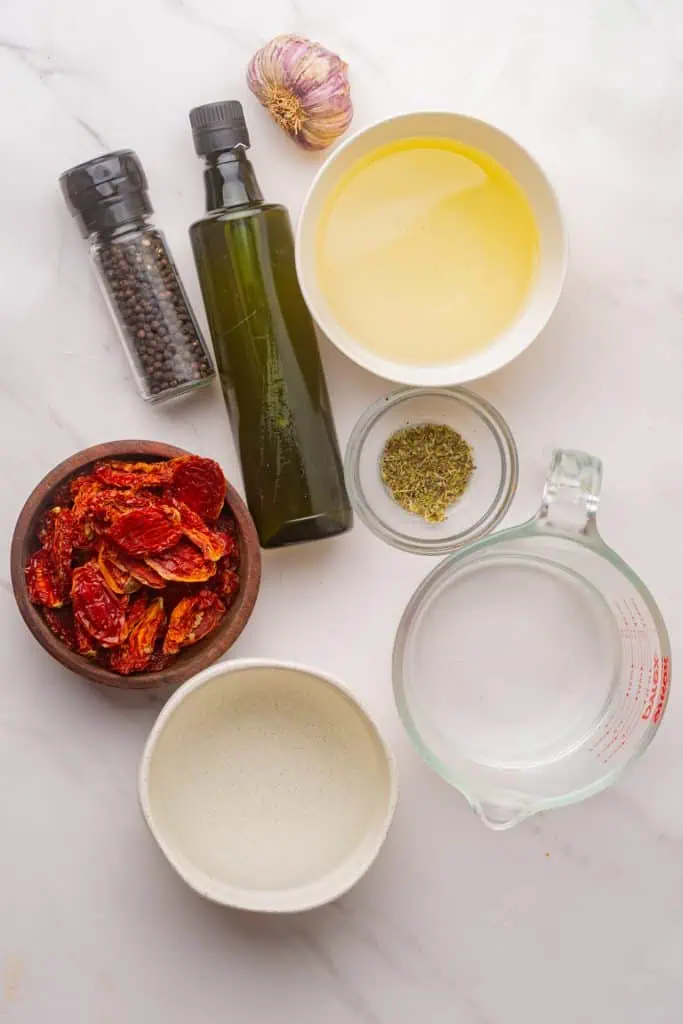
The Ingredient Breakdown
Top Tip for a “Fabulous” Finish
Sterilize your jar properly. Wash with hot soapy water, rinse, then heat in a 220F (100C) oven for 10 minutes. Let it air-dry in the oven — never towel-dry it. Any fiber or moisture left behind shortens shelf life significantly.
How to Make Sun-Dried Tomatoes in Oil (Step-by-Step)
Step 1: Blanch the Tomatoes
Bring the water and white vinegar to a boil in a medium saucepan. Add the dry-packed sun-dried tomatoes and cook for 2 to 3 minutes. You're looking for tomatoes that have softened and become pliable but still hold their shape with some body — not mushy, not falling apart. They should feel like a rehydrated fruit with a slight give when pressed. If they start to lose their edges, pull them immediately.
Step 2: Drain and Dry Completely
Drain the tomatoes into a colander, then transfer to a clean kitchen towel. This is the step most people rush, and it's the one that matters most. Lay the tomatoes out and press firmly with a second towel. You want to feel no surface moisture at all when you pick one up. I learned this the hard way — my first batch went cloudy within two days because I skipped this step. Leave them on a rack for 30 minutes after towel-drying if you want an extra margin of safety. The difference in shelf life is weeks.
Step 3: Layer in a Sterilized Jar
Start with a small layer of tomatoes, then a few garlic slices, a pinch of oregano, and a couple of peppercorns. Repeat the layers until everything is in the jar. The layering isn't just for looks — it distributes the aromatics evenly through the oil so every part of the jar is infusing at the same rate.
Step 4: Cover with Olive Oil
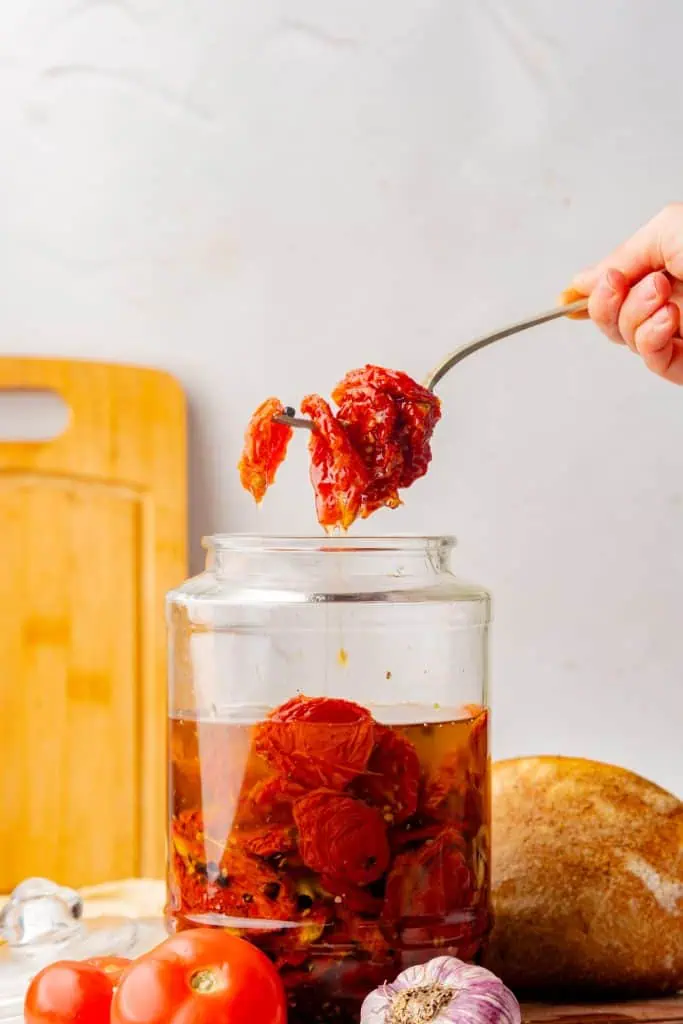
Pour the olive oil slowly over the layered tomatoes. Use a chopstick or thin spatula to press the tomatoes down and release any air pockets — you'll see small bubbles rising to the surface. Every tomato must be completely submerged below the oil line. Any piece touching air is where mold starts. Cap tightly and refrigerate. The oil will solidify in the fridge — that's completely normal. It doesn't affect quality at all.

David's Tip
The infused oil is an ingredient, not a byproduct. Use it to sear chicken, start pasta sauces, dress warm vegetables, or drizzle over pizza right before serving. It accumulates flavor every single day it sits in the fridge.
Fun Variations
Chili-forward version: Add 1 tsp of dried chili flakes and a small dried chili to the jar. The infused oil gets a gentle heat that's excellent for the pizza and soup recipes.
Lemon and thyme: Add two strips of lemon zest (peel only, no pith) and a few sprigs of dried thyme. Bright, herbal, and excellent for fish dishes or salad dressings.
Rosemary and bay: One dried bay leaf and a stem of dried rosemary. More woodsy and assertive — great if you're using the oil for red meat or roasted potatoes.
Smoky version: Add 1/2 tsp smoked paprika to the oil before filling. Gives everything a subtle smoky depth that's incredible for pizza.
Storage and Make-Ahead Instructions
Refrigerator: Up to 2 weeks in a sealed jar, with all tomatoes consistently submerged in oil.
Freezer (tomatoes only, no oil): Up to 3 months. Freeze in a single layer on a baking sheet first, then transfer to a bag. Thaw overnight in the fridge and re-jar in fresh oil before using.
Room temperature: Not recommended. Even with the acid treatment, home refrigeration is the safe choice.
When to discard: Cloudy oil, any bubbling, a white film on the surface, or any off smell. Don't taste to check. If anything looks or smells wrong, discard the entire batch.
Make-ahead note: These are ready to use after 24 hours. They're noticeably better by day 3. Make them at the start of the week and they'll serve every recipe that follows.
More Recipes Using Sun-Dried Tomatoes
- Marry Me Chicken Soup: A cozy soup version with all the creamy sun-dried tomato flavor.
- Marry Me Chicken Pizza: A fun twist with creamy sauce, chicken, and sun-dried tomatoes.
- Instant Pot Tuscan Chicken: Tender chicken with creamy Tuscan inspired flavors.
Make a jar of these this weekend and you'll have the single best ingredient in your fridge going into the week. Every recipe I'm about to share with you starts with this jar — and once you taste what it does to a pan sauce, you'll understand why. Drop a comment below if you give it a go. I love hearing how the cluster is working for you.

Sun-Dried Tomatoes in Oil
Ingredients
- 100 g sun-dried tomatoes dry-packed, not already in oil
- 500 ml water
- 250 ml white vinegar distilled or wine vinegar
- 2 garlic cloves thinly sliced
- 1 tsp dried oregano
- ½ tsp black peppercorns
- Extra virgin olive oil to cover enough to fill the jar
Instructions
- Bring water and vinegar to a boil. Add the tomatoes and cook for 2–3 minutes until softened but still holding their shape. They should have body — not mushy.
- Drain and dry thoroughly. Spread tomatoes on a clean kitchen towel and press firmly with a second towel. Every surface must be completely dry before jarring.
- Layer in a sterilized jar. Alternate tomatoes with garlic slices, oregano, and peppercorns.
- Cover completely with olive oil. Press tomatoes below the oil surface. Cap tightly and refrigerate.
Nutrition
Notes
Pro Tips
- Slice garlic thin: I can't stress this enough. Thick garlic slices create sharp, raw pockets of flavor that never fully mellow into the oil. Paper-thin slices infuse smoothly and evenly within 24 hours.
- Keep tomatoes submerged: Every time you remove some tomatoes, use a clean dry spoon to press the remaining ones back below the oil surface. Exposure to air is how surface mold begins.
- Room temperature oil fills more evenly: Cold olive oil thickens and can trap micro-moisture pockets around the tomatoes. Use oil at room temperature when filling the jar for better coverage.
- Use a clean, dry spoon every time: Never reach into the jar with wet hands or a damp utensil. Moisture is the enemy of any oil-preserved ingredient.
- Taste the oil after 3 days: You'll be amazed how different it is from fresh olive oil at that point. It'll smell and taste like something from a very good Italian deli counter.
Tried this recipe?
Let us know how it was!FAQs: Sun-Dried Tomato Questions, Answered
Can I use fresh tomatoes instead of dry-packed?
No. Fresh tomatoes have far too much water content and will not preserve safely in oil. The dehydration is what concentrates the flavor and makes oil preservation safe. Fresh tomatoes in oil can create conditions that harbor botulism. Always start with dry-packed.
How long do they really last?
Up to 2 weeks refrigerated, as long as the tomatoes stay completely submerged in oil and you're using a clean dry spoon every time. Discard if you see cloudiness, any bubbling, or an off smell — don't taste-test, just discard the batch.
My oil is solid in the fridge. Is that normal?
Completely normal. Olive oil solidifies below around 50F (10C). Set the jar on the counter 20 to 30 minutes before using and it'll return to liquid on its own. Quality is completely unaffected by the solidifying process.
Can I skip the vinegar and just use water?
You can, but shelf life drops significantly. The acid in the vinegar does real preservation work — it's not just a flavor choice. If you skip it, use the tomatoes within 5 days maximum.
Can I freeze them?
Yes, but freeze the tomatoes without the oil. Freeze in a single layer first so they don't clump, then transfer to a freezer bag for up to 3 months. Thaw in the fridge overnight and re-jar in fresh olive oil with fresh aromatics.
Why did my oil go cloudy?
Almost always moisture. Either the tomatoes weren't fully dried before jarring or the jar wasn't properly sterilized. Discard that batch and start fresh. On your next attempt, after towel-drying the tomatoes, leave them on a rack for a full 30 minutes before jarring. Room temperature oil also helps avoid moisture trapping.
Can I use this oil for cooking at high heat?
For high-heat searing, use a 50/50 blend of extra virgin olive oil and a neutral oil like avocado oil. Pure EVOO has a lower smoke point. For medium-heat cooking and sauce-starting, the straight infused EVOO is perfect and adds incredible flavor.
