
End of an Era? 7-Eleven to Shutter 645 Stores as ‘Sales Slump’ Hits North America
The landscape of American convenience stores is about to look very different. Seven & i Holdings, the Japanese parent company of 7-Eleven, has announced plans to shutter 645 locations across North America through early 2027.
The aggressive move comes as the retailer grapples with a persistent sales slump and shifting consumer habits that have left the iconic brand struggling to maintain its footing in a post-inflation economy.
Why the Massive Shutdown?
The decision to close hundreds of stores—roughly 5% of its North American footprint—isn’t just a sudden pivot. According to recent earnings filings, 7-Eleven has faced five consecutive years of closing more stores than it opens.
Company executives cited several factors driving the “restructuring”:
- Inflationary Pressures: Rising costs of goods have led many low-income households to cut back on discretionary “gas station” spending.
- Declining Foot Traffic: With higher gas prices and the rise of remote work, the morning rush for coffee and snacks isn’t what it used to be.
- A “Focus on Food”: The company is moving away from smaller, outdated kiosks in favor of larger, “New-Format” stores that offer expanded fresh food menus, seating areas, and modern amenities to compete with chains like Wawa and Buc-ee’s.
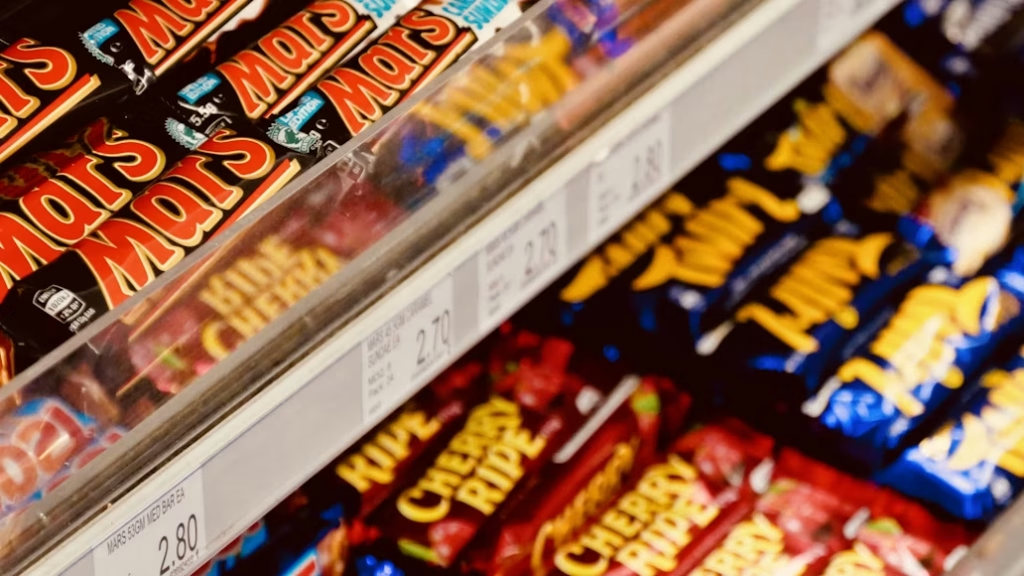
What Happens to Your Local Store?
While 645 stores are slated for closure, they won’t all disappear completely. 7-Eleven revealed that some locations will be converted into wholesale fuel stores. These sites will continue to pump gas but will no longer operate as full-service convenience stores with retail staff.
“We are optimizing our portfolio to focus on high-growth areas,” a spokesperson for Seven & i Holdings indicated. The company also plans to open 205 new stores this year, emphasizing that they are “reshaping” rather than simply “shrinking.”
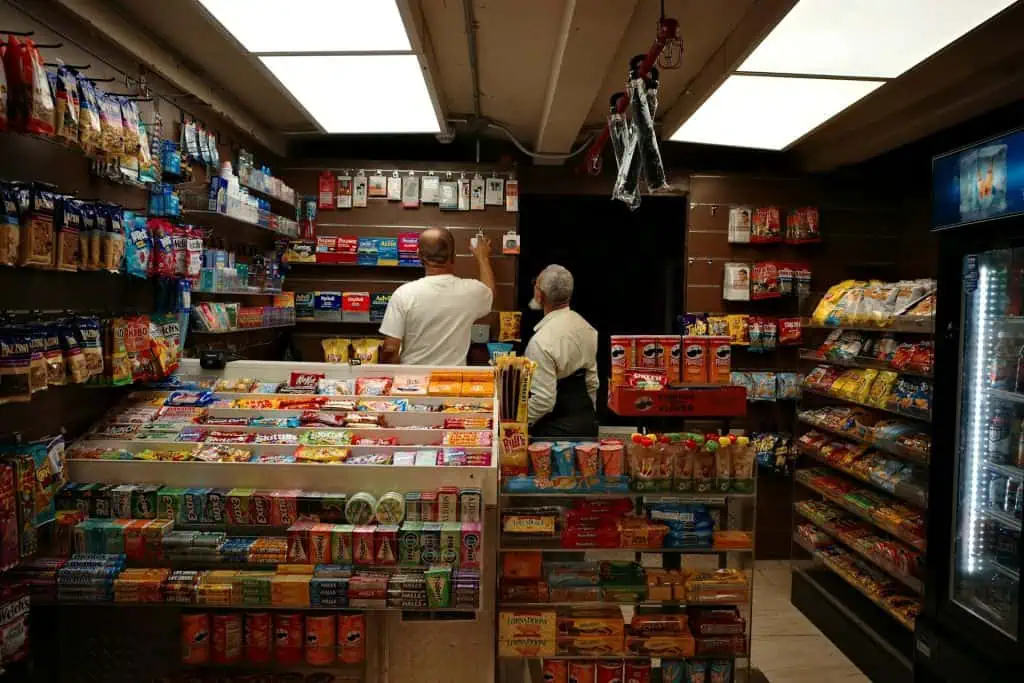
Are Employees at Risk?
The impact of these closures could be felt by thousands of workers. While the company has not released a specific list of locations marked for the chopping block, areas with high store density—like Chicago, Los Angeles, and parts of Texas—are expected to see the most significant changes.
Local economies may also feel the sting, as 7-Eleven is often a primary source of tax revenue and quick-access groceries in smaller communities.
What’s Next for the Brand?
The store closures are part of a larger plan to streamline the company ahead of a highly anticipated IPO in 2027. By cutting underperforming “legacy” stores and investing in “food-forward” destinations, 7-Eleven hopes to regain its status as the king of convenience.
Consumer Tip: If your local 7-Eleven is one of the sites closing, keep an eye on your 7REWARDS points. While the points are valid across the national network, you’ll want to locate your next closest store before your neighborhood spot locks its doors for good.
