
6 Food Marketing Campaigns That missed the mark despite big expectations
Food brands love a buzzy campaign, but not every big idea turns into a win. Sometimes a slogan lands badly, a redesign confuses loyal customers, or a social media stunt sparks instant backlash. These six campaigns became cautionary tales in how quickly marketing can go from clever to cringe.
Pepsi and Kendall Jenner’s protest ad
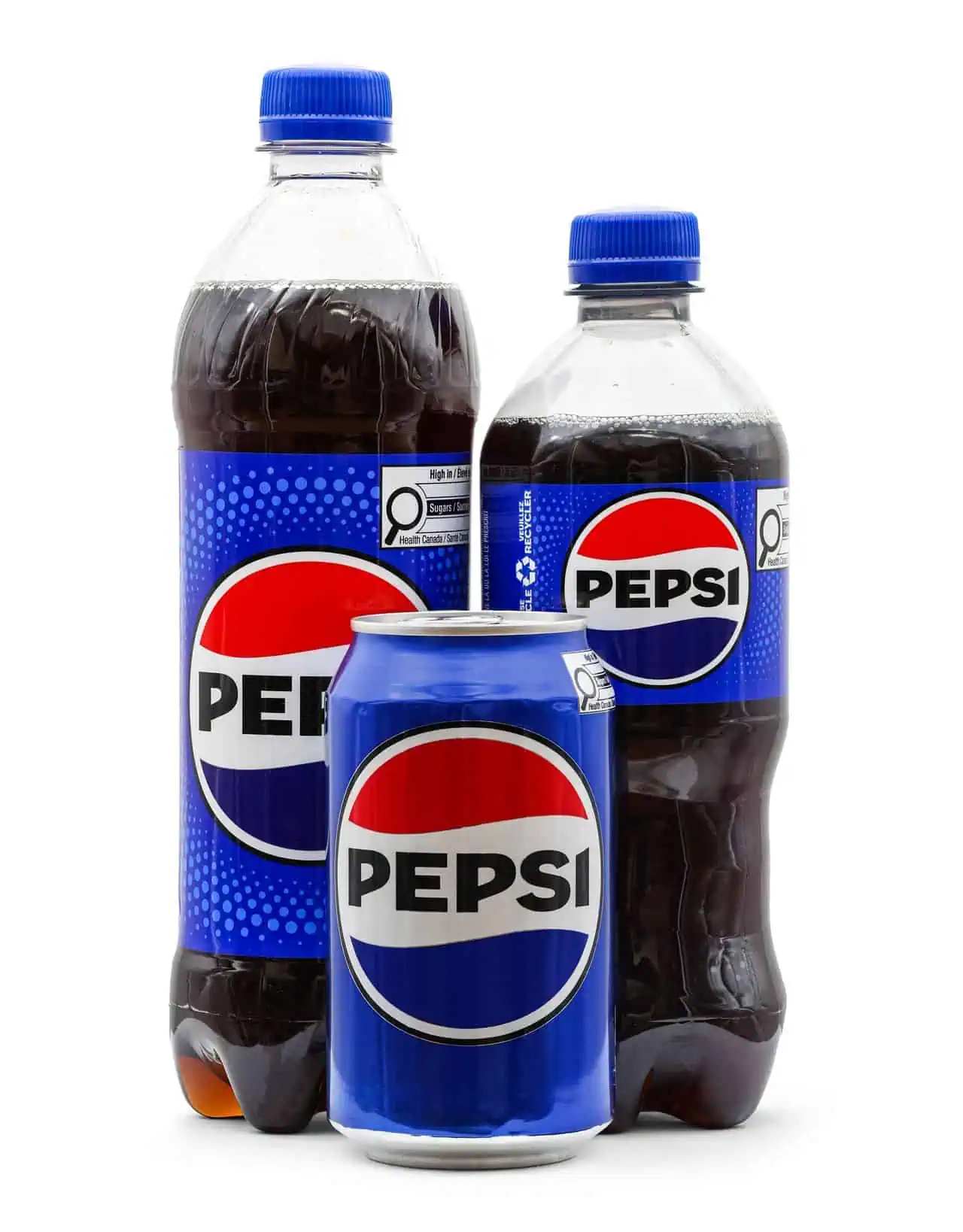
This campaign was supposed to bottle the spirit of unity and youthful optimism. Instead, Pepsi’s 2017 ad featuring Kendall Jenner was blasted for trivializing real protest movements and turning serious social justice imagery into a soft drink commercial.
The backlash was immediate and intense. Viewers mocked the idea that handing a police officer a can of soda could magically resolve tension, and critics said the ad reduced activism to an aesthetic. Pepsi pulled the spot and apologized, but by then it had already become one of the most infamous examples of a brand badly misreading the cultural moment.
McDonald’s and the awkward hashtag tribute
When McDonald’s launched the hashtag McDStories, the company likely expected warm memories about Happy Meals, road trips, and favorite menu items. What it got instead was a flood of sarcastic, gross, and deeply unflattering stories from users eager to share bad restaurant experiences.
It was a classic case of opening the internet’s complaint box and acting surprised by what came out. Social media users quickly hijacked the tag, turning the campaign into a running joke. The brand cut the promotion short, but the episode stuck around as a reminder that once a hashtag goes public, the audience gets a vote in where it goes.
Burger King’s women belong in the kitchen tweet
Burger King UK tried to spark attention on International Women’s Day with the line, women belong in the kitchen. The fuller campaign was meant to highlight the lack of women working as chefs and promote scholarships, but the opening message overwhelmed everything that followed.
On social media, context moves slowly and outrage moves fast. Many people saw only the first line and viewed it as sexist clickbait disguised as empowerment. Even after the brand explained the intent, the criticism kept coming. The tweet was deleted, and the campaign became a textbook example of how a shock-first strategy can bury the message it claims to support.
Sunny Delight’s purple stuff confusion

Sunny Delight spent years marketing itself with bright, energetic ads that made the drink feel like a fun breakfast essential. But critics and parents increasingly pushed back on how healthy it seemed in commercials compared with what was actually in the bottle.
The brand became a symbol of food marketing that blurred the line between juice and sugary drink. One especially lasting blow came from public concern over nutrition claims and stories that fed urban legends about the drink’s effects. Even when some claims were exaggerated, the damage was real. The campaign style helped sell a lifestyle, but it also invited scrutiny that made Sunny Delight look more misleading than refreshing.
Tropicana’s redesign that shoppers rejected
Not every marketing failure is about a slogan. In 2009, Tropicana rolled out a sleek new packaging design that ditched its familiar orange-with-a-straw image for a cleaner, more minimalist look. On paper, it seemed modern. In stores, it just looked generic.
Customers had trouble spotting the product they knew, and many thought they were buying something different. Sales reportedly dropped sharply in a matter of weeks, which is about as loud a consumer review as a brand can get. Tropicana quickly reversed course and brought back the old design. It was a costly lesson in how branding consistency can matter more than a polished creative refresh.
Snapple’s giant popsicle publicity stunt

In 2005, Snapple tried to break a record by creating a massive popsicle in New York City. It sounded whimsical, photogenic, and tailor-made for morning show coverage. Then the giant frozen treat started melting much faster than expected.
Instead of a sweet spectacle, the event turned into a sticky mess. Strawberry kiwi sludge ran through the street, people had to scramble, and firefighters were reportedly called in to help control the chaos. The stunt instantly crossed from charming to absurd. It got attention, sure, but not the kind any brand wants. Snapple learned the hard way that experiential marketing works best when the experience stays under control.
