
10 Countries With the Highest Spice Tolerance (and What They Eat)
Some people dab hot sauce on everything. In a few parts of the world, though, intense heat isn’t a dare or a novelty, it’s just dinner. This gallery explores 10 countries famous for boldly seasoned cuisine, where chilies, pepper pastes, and spice blends are woven into everyday meals and local pride.
India
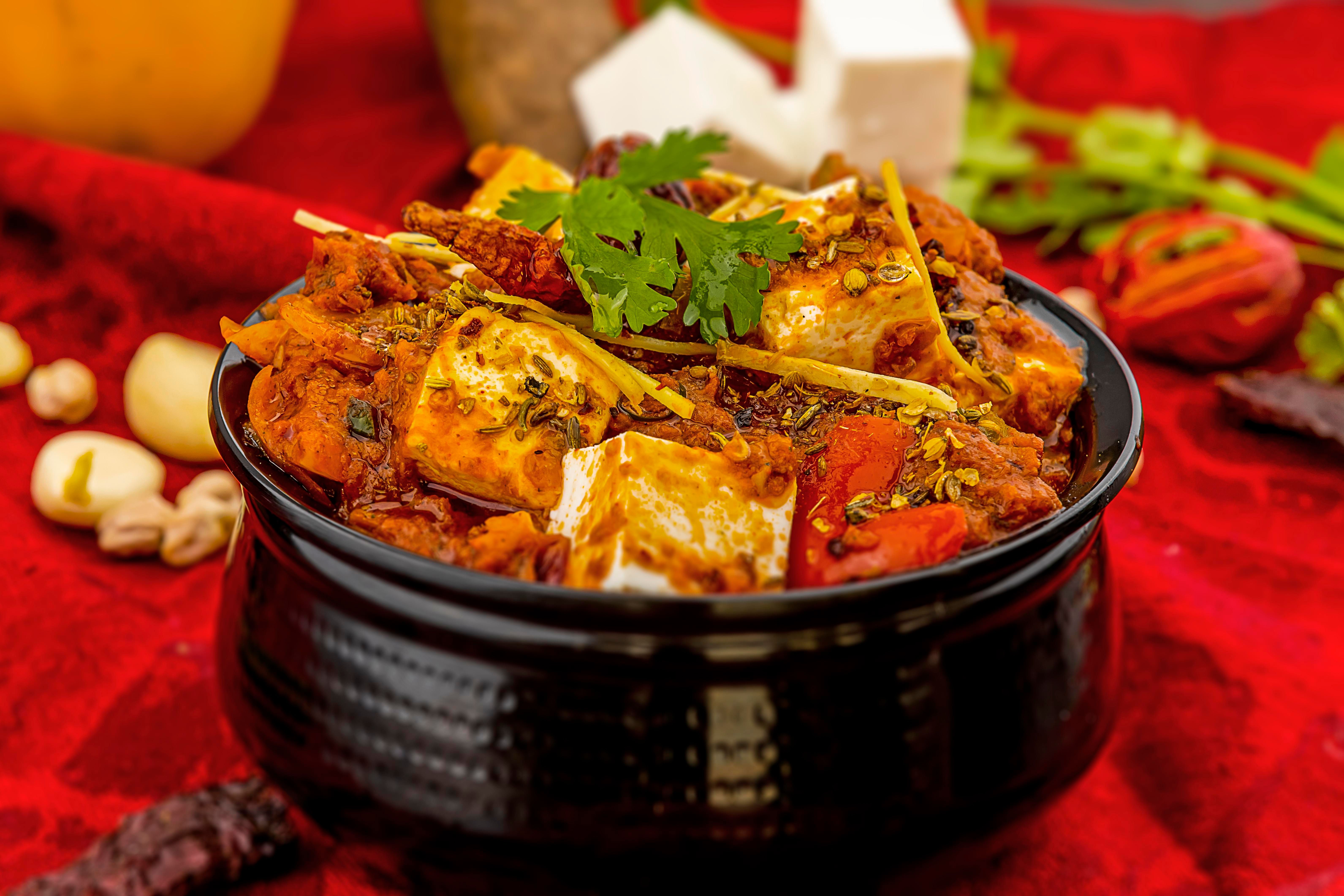
India is often the first country people think of when the subject turns to heat, and for good reason. Across the country, chilies, black pepper, mustard seeds, ginger, and garam masala create layers of flavor that can build into serious fire. In many regions, spicy food is less about showing off and more about balance, aroma, and depth.
And that heat shows up in everyday eating. From fiery Andhra curries to spicy street chaat and peppery South Indian dishes, strong seasoning is woven into daily life. Of course, spice levels vary by region and home cook, but many diners in India grow up with a tolerance that can leave visitors reaching for water fast.
Thailand
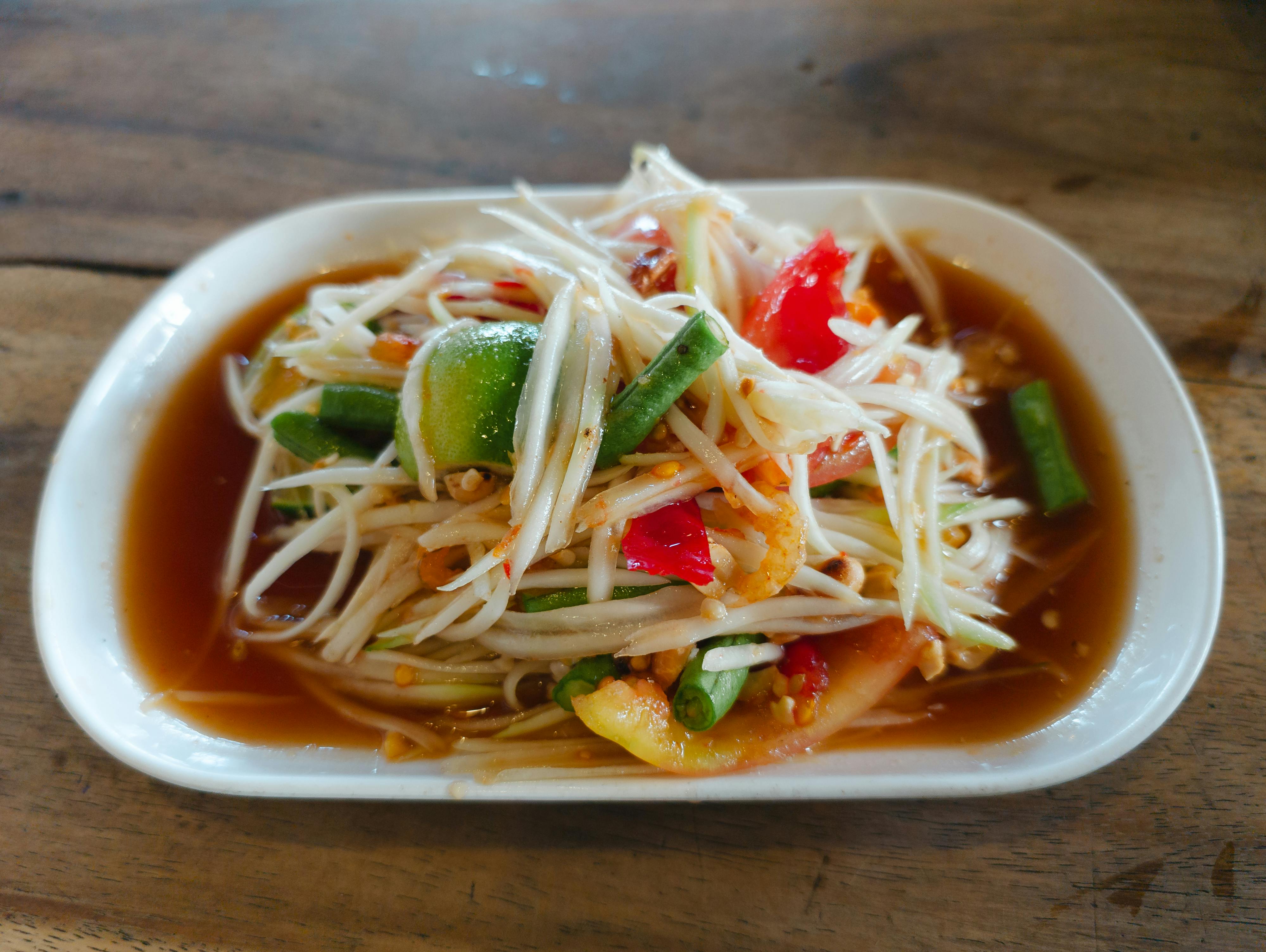
Thai cuisine has a way of catching people off guard. A dish can look light and fresh, then land with a bright, sharp chili kick that builds with every bite. Bird’s eye chilies, curry pastes, and spicy dipping sauces play a major role, especially in dishes that chase the perfect mix of sweet, sour, salty, and hot.
That balance is what makes Thai heat so memorable. Som tam, tom yum, and certain curries can be intensely spicy without feeling one-note. In Thailand, many locals are used to a level of heat that tourists often ask to have reduced, which says a lot about just how high the country’s baseline tolerance can be.
Mexico

Mexico’s relationship with spice is deep, historic, and incredibly varied. This is one of the birthplaces of so many beloved chili peppers, and the country’s cuisine treats them with remarkable nuance. Jalapeños, serranos, habaneros, poblanos, and dried chilies all bring different personalities, from smoky warmth to full-on heat.
What stands out is how often spice is part of the everyday rhythm of eating. Salsas appear at nearly every table, hot sauces are treated like essentials, and even snacks can come dusted with chili. In parts of Mexico, especially where habanero-forward cooking thrives, locals often handle levels of heat that can feel astonishingly intense to outsiders.
South Korea

South Korea earns its place thanks to a cuisine built around fermented spice, bold seasoning, and a real comfort with heat. Gochugaru and gochujang bring more than just fire — they add sweetness, smokiness, and depth. That means spicy food here often feels rich and addictive, not just punishing.
Kimchi, tteokbokki, spicy stews, and fiery chicken dishes all help shape a culture where strong heat is widely embraced. Even foods considered casual or comforting can pack a serious kick. For many Korean diners, that level of spice is simply familiar, which is why visitors often discover that their own tolerance is a lot lower than they thought.
China

China is far too diverse to sum up with one spice level, but certain regions are legendary for intense heat. Sichuan and Hunan cuisine, in particular, have built global reputations on bold chili use. In Sichuan, the combination of dried chilies and tongue-tingling Sichuan pepper creates a uniquely electrifying sensation that goes beyond standard spiciness.
That regional strength matters when talking about tolerance. Hot pot, chili-laden stir-fries, and deeply seasoned noodle dishes are everyday favorites for millions of people. While not every part of China leans heavily spicy, the places that do often embrace heat at a level that can be genuinely challenging for visitors unfamiliar with that famous numbing burn.
Ethiopia
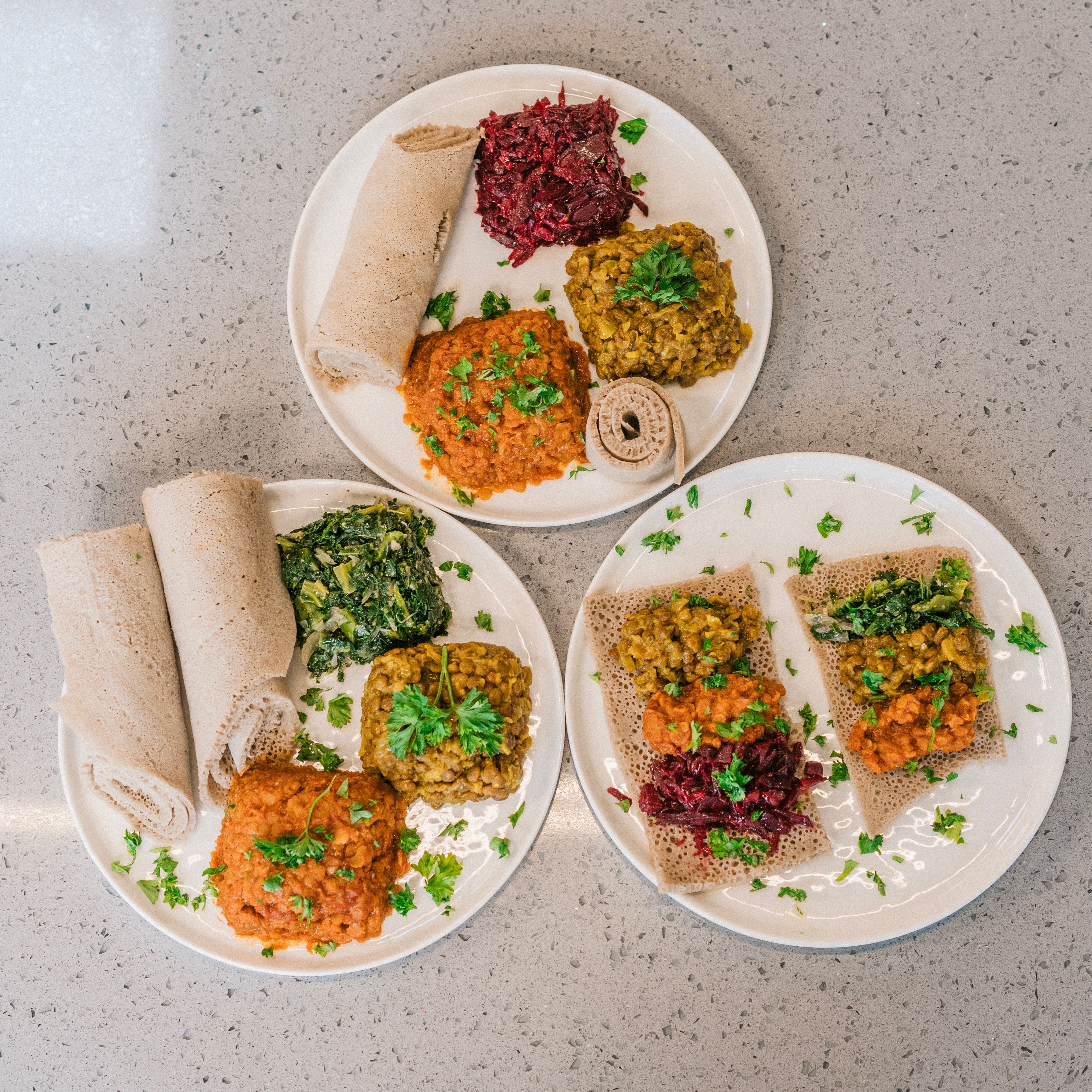
Ethiopian food deserves a bigger place in conversations about spice tolerance. The heat here often comes through berbere, a fragrant blend that can include chilies, garlic, ginger, fenugreek, and warming spices. It gives dishes a deep, reddish intensity that feels earthy, layered, and unmistakably bold.
Meals built around stews like doro wat can deliver substantial heat, especially when spice-forward cooking is part of family tradition. Because these flavors are so rooted in everyday dining, many Ethiopian eaters develop a strong comfort with them early on. It is less about chasing extremes and more about enjoying dishes where spice is central to the whole experience.
Nigeria
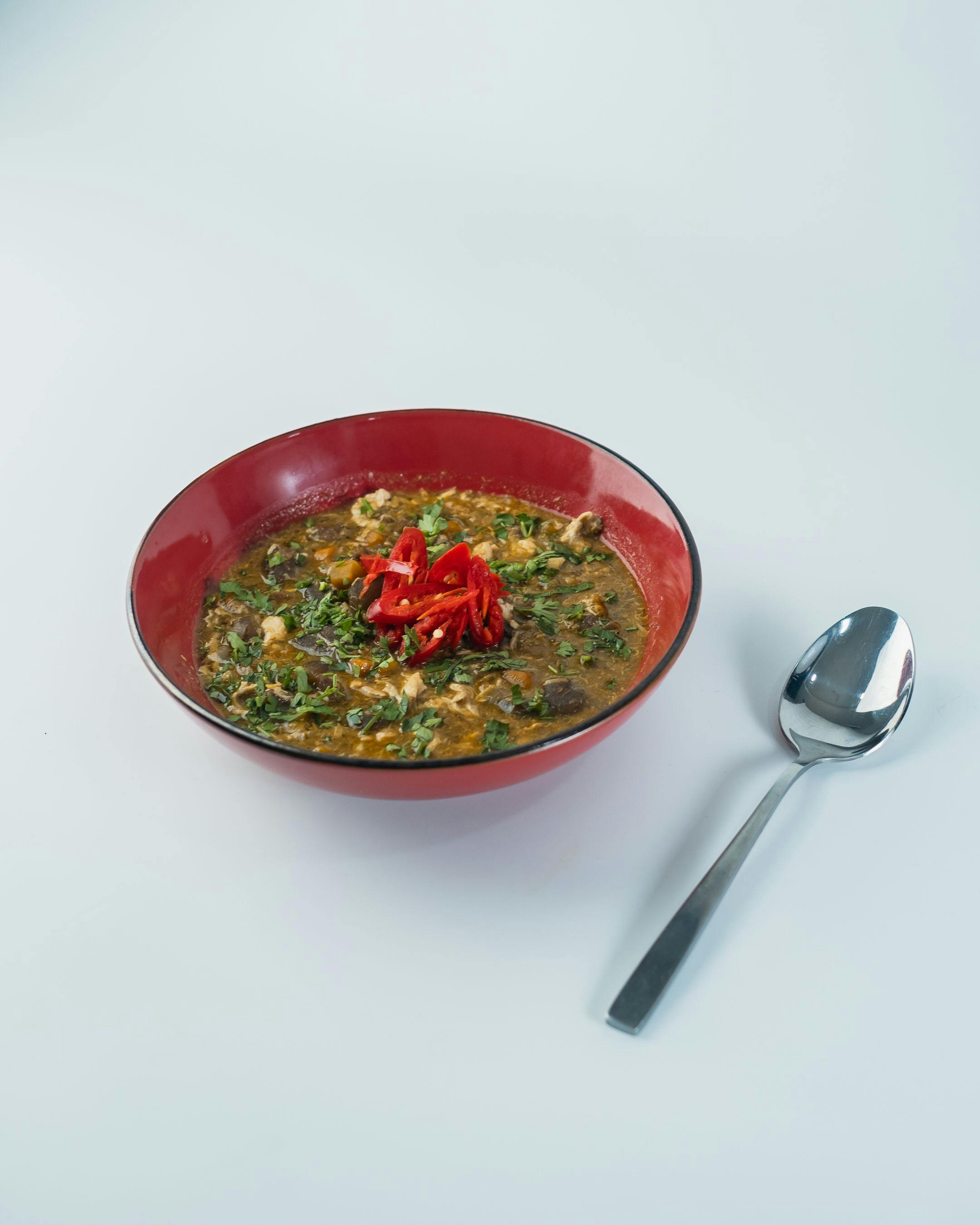
Nigerian cuisine has a boldness that spice lovers instantly recognize. Scotch bonnet peppers show up in a wide range of dishes, bringing a sharp, fruity heat that can be absolutely fierce. Combined with rich soups, stews, jollof rice, and pepper sauces, that creates meals with real intensity and memorable personality.
The key thing is that this isn’t occasional heat saved for thrill seekers. In many Nigerian homes, spicy flavor is just part of how food tastes when it’s made right. Pepper soup alone can be enough to make newcomers sweat, while locals may eat it with total ease. That everyday familiarity says a lot about the country’s spice tolerance.
Jamaica
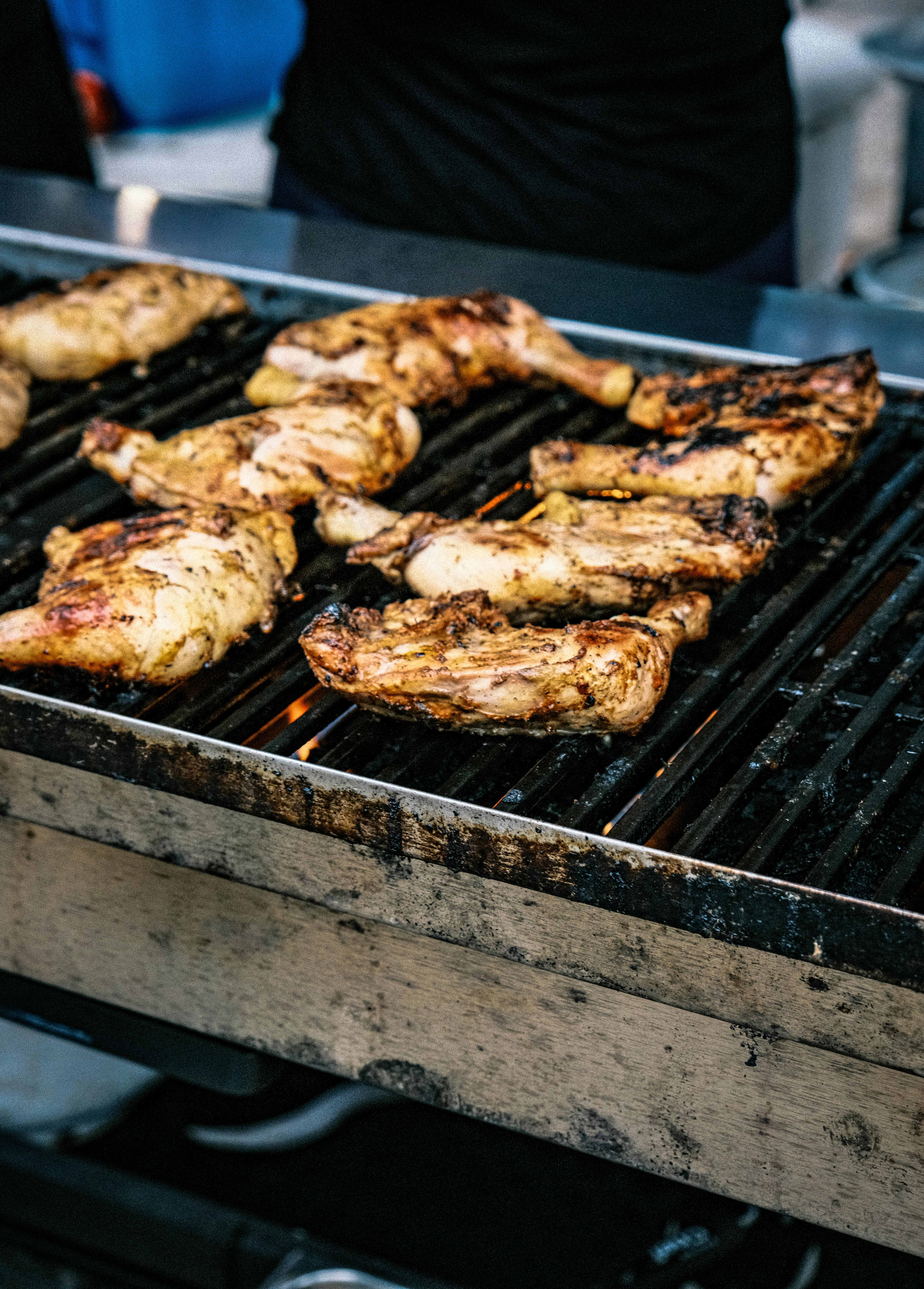
Jamaica brings a different kind of fire, one tied closely to the famous Scotch bonnet pepper. That pepper has serious heat, but it also has a fruity brightness that makes it a favorite in jerk marinades, pepper sauces, and stews. The result is food that tastes vibrant and warm before it turns properly hot.
Jerk chicken and pork are the best-known examples, but the island’s love of spicy flavor goes much further. Heat is often layered with smoke, allspice, thyme, and other seasonings, creating something far more complex than simple burn. Many Jamaicans grow up with that profile, which gives them an impressive comfort with high-heat cooking.
Malaysia
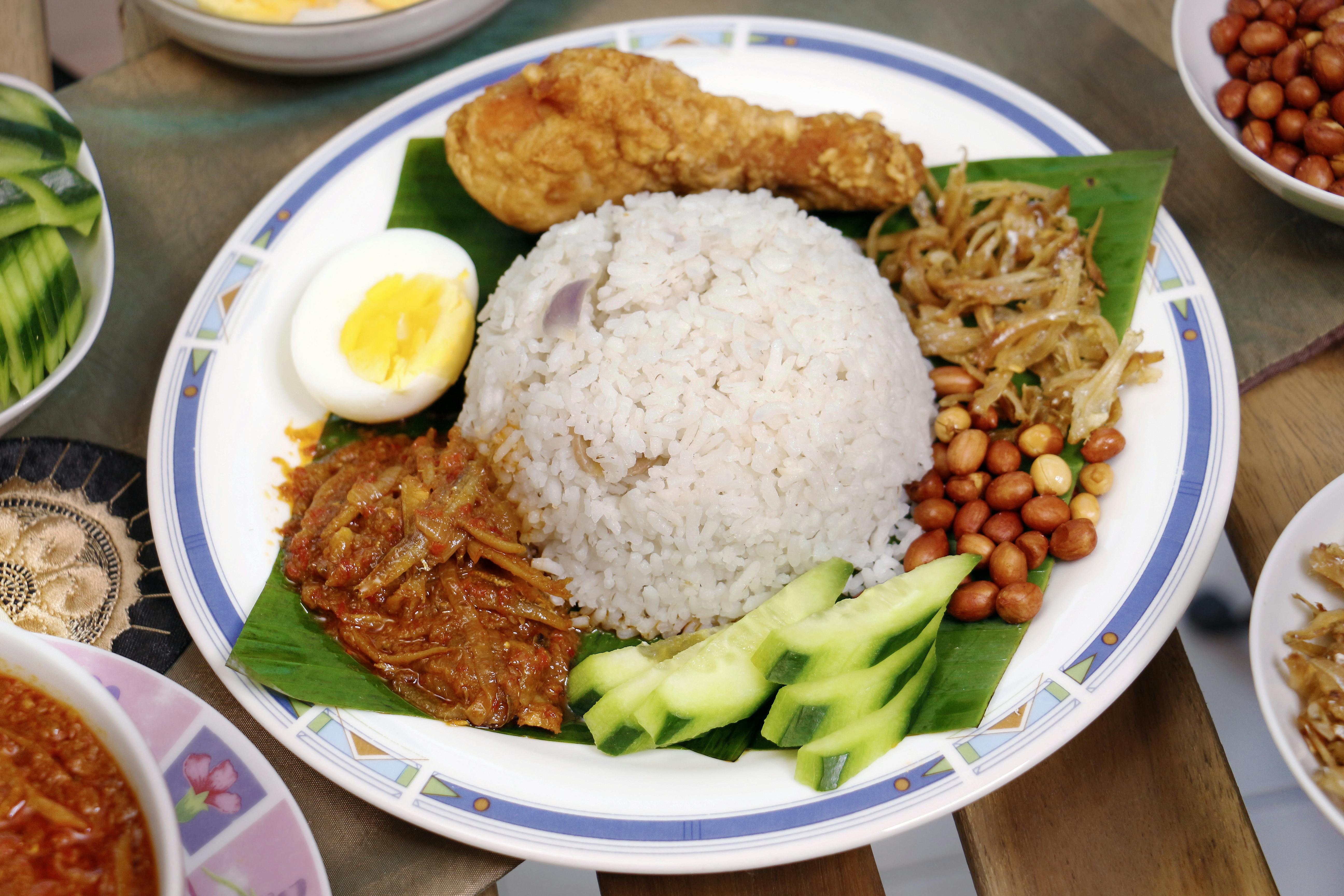
Malaysia is a serious contender because spicy food is deeply woven into its multicultural food scene. Malay, Indian, and Chinese influences all contribute to a cuisine where sambal, curries, chili pastes, and spicy noodle dishes show up constantly. Heat here can be sharp, smoky, savory, or slow-building depending on the dish.
That variety matters because it means spice isn’t confined to one signature meal. It appears at breakfast, lunch, late-night stalls, and festive tables alike. Sambal alone can turn a dish from mild to unforgettable in seconds. For many Malaysians, that extra kick is part of the pleasure, and a tolerance for it becomes second nature over time.
Sri Lanka
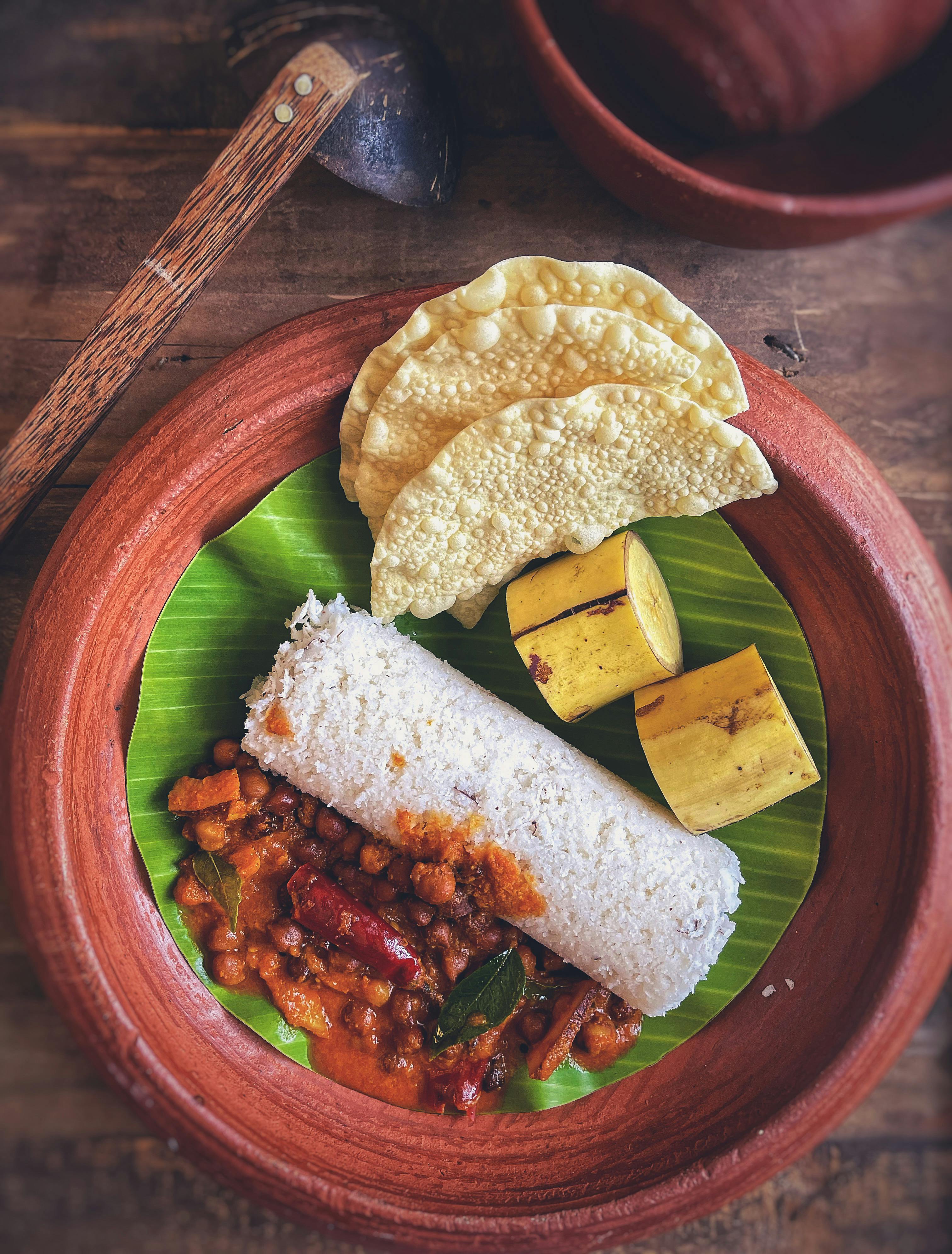
Sri Lankan food is often praised for its complexity, but it can also be startlingly hot. Chili powder, black pepper, curry leaves, mustard seeds, and roasted spice blends come together in dishes that feel intensely aromatic and seriously fiery. The heat tends to be full-bodied, woven into the dish rather than sitting on top of it.
Curries, sambols, and rice dishes can all deliver a powerful punch, especially when homemade recipes lean traditional. Visitors are often surprised by just how assertive the spice can be, even in meals that look simple at first glance. For locals, though, that heat is a familiar and welcome part of daily comfort food.
Turkey

Turkey may not always top global spice lists, but certain regional cuisines absolutely deserve attention. In the southeast especially, dishes can feature generous amounts of isot pepper, Aleppo pepper, and other chili-based seasonings. The heat is often warm, smoky, and persistent rather than explosively sharp, which can make people underestimate how much spice they’re actually eating.
That subtle confidence is part of the country’s appeal. Kebabs, mezes, and richly seasoned meat dishes often carry more fire than outsiders expect, especially in places like Gaziantep and Adana. While Turkish cuisine is broader than heat alone, plenty of locals have a real tolerance for spice-forward cooking that earns them a spot here.
Why spice tolerance is hard to measure

A list like this is always a mix of culinary reputation, ingredient use, and everyday eating habits rather than a lab-tested ranking. Not every person in a country loves spicy food, and not every region cooks the same way. One household’s comfort level can be miles apart from another’s, even within the same city.
Still, some countries clearly build more heat into daily cuisine than others, and that tends to shape stronger tolerance over time. If there’s a takeaway, it’s this: spice tolerance isn’t just about bravado. It’s about culture, memory, and the flavors people grow up craving, one fiery bite after another.
