
Why Eating More Protein Isn’t Always the Healthiest Choice
In the 2026 wellness landscape, protein has been elevated to “super-nutrient” status. Between the rise of high-protein snacks and the “carnivore diet” trend, many people now consume double the recommended daily allowance. However, recent studies from the UK Biobank and major health institutions suggest that “more” isn't always “better.”
For many, an obsession with protein can lead to unintended health consequences, shifting the focus from balanced nutrition to a one-dimensional diet that may actually shorten your healthspan. Understanding the threshold where protein stops being a builder and starts being a burden is critical for long-term vitality.
The Risk of Glomerular Hyperfiltration

One of the primary concerns highlighted in 2026 medical research is the impact of excessive protein on kidney health. When you consume high amounts of protein, your kidneys must work harder to filter out the nitrogenous waste products like urea.
This process, known as glomerular hyperfiltration, can cause intraglomerular hypertension. While healthy kidneys can often handle this in the short term, long-term hyperfiltration can lead to permanent glomerular injury and a decline in kidney function, especially in those with undiagnosed early-stage chronic kidney disease (CKD).
Cardiovascular Interaction and the “Age Factor”

A landmark 2026 cohort study involving over 19,000 participants found a surprising interaction between age and protein intake. For adults over the age of 55, a high-protein diet (defined as $\ge 1.8 \text{ g/kg/day}$) was associated with a 36% higher risk of Major Adverse Cardiovascular Events (MACE), including heart failure and myocardial infarction.
Interestingly, this risk was not as evident in participants under 55. This suggests that as we age, the body's ability to process high levels of animal-based proteins without systemic inflammation or arterial strain may diminish, making a moderate approach safer for heart health.
The Hidden Dangers of “Protein Bloat” and Digestive Distress
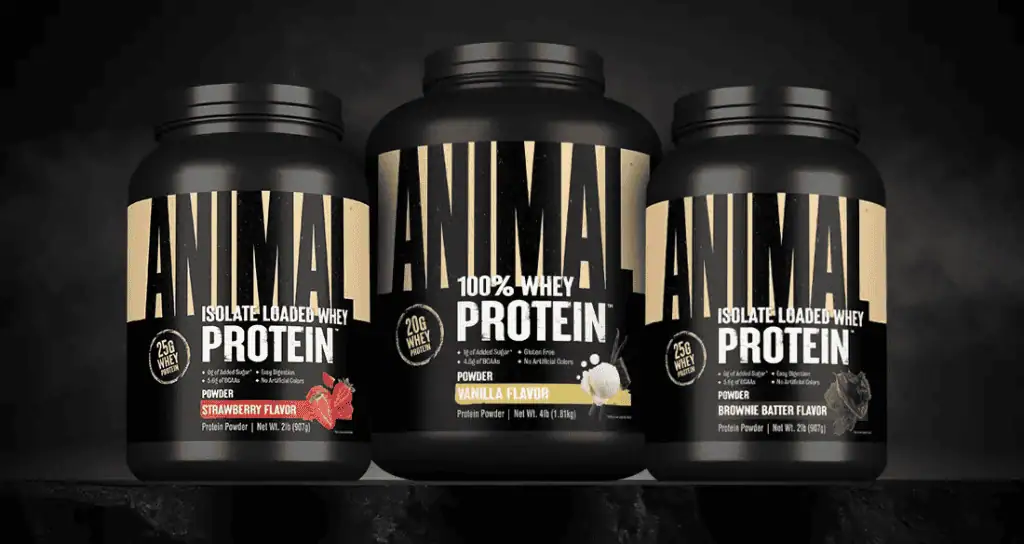
The 2026 “protein craze” has led to a significant increase in digestive complaints, often nicknamed “protein bloat.” Many high-protein diets, particularly those focusing on animal products or whey supplements, lack essential dietary fiber. This lack of fiber, combined with the slow transit time of dense proteins through the gut, can cause constipation, headaches, and chronic bloating.
Furthermore, excessive protein can alter the gut microbiome, favoring bacteria that produce inflammatory metabolites rather than the short-chain fatty acids provided by plant-based fibers, leading to long-term metabolic dysfunction.
Finding the 2026 “Sweet Spot” for Intake
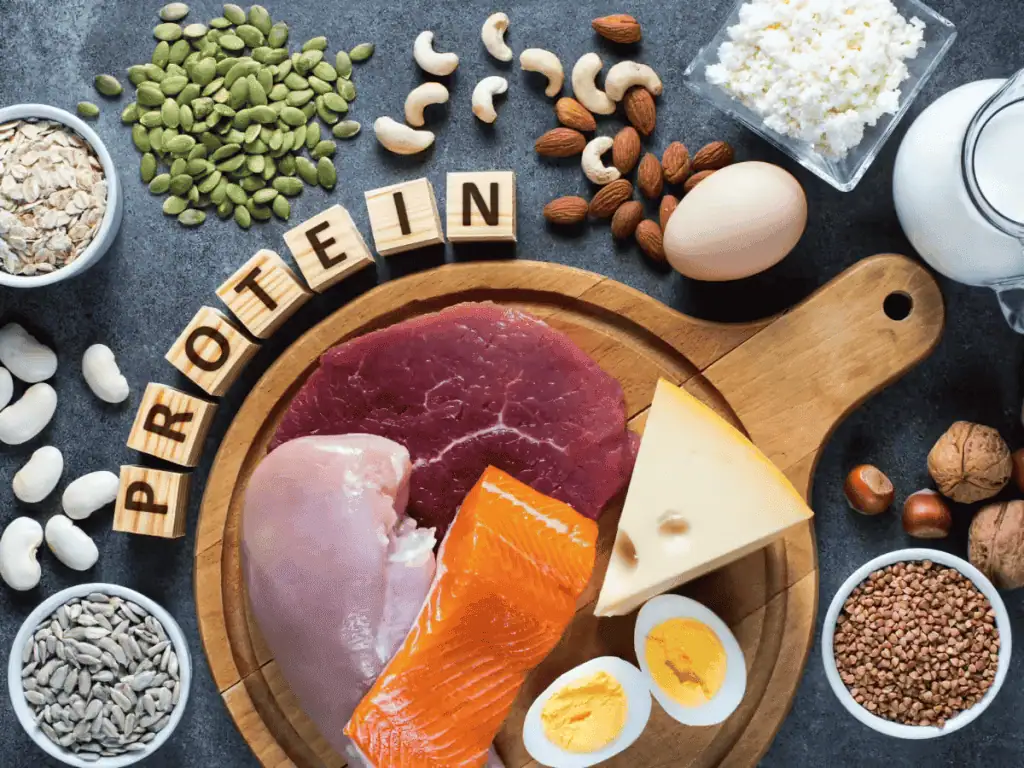
According to current 2026 dietary guidelines, the “sweet spot” for protein intake depends heavily on your activity level and age. For the average healthy adult, the recommended baseline remains 0.8 grams of protein per kilogram of body weight. For a 180-pound person, this is approximately 65 grams per day far less than the 150+ grams many fitness enthusiasts consume.
While active athletes and seniors over 65 may need 1.2 to 1.5 grams, exceeding these levels rarely provides additional muscle-building benefits and instead increases the risk of metabolic and renal issues discussed above.
