
5 things you need to know about meat prices before your next grocery run
Meat prices have been anything but predictable lately, and that can make grocery shopping feel like a guessing game. From sudden spikes in beef to fluctuating chicken costs, there’s more happening behind the scenes than most shoppers realize. Understanding what drives these changes can help you plan smarter and save money. Before your next grocery run, here are five key things you should know about meat prices.
Why Beef Prices Are Still High

Beef prices remain elevated due to factors including feed costs and environmental challenges. Rising grain prices directly impact cattle feed expenses, which in turn affects meat prices. Drought conditions in key cattle-producing regions also reduce herd sizes, limiting supply. Familiarize yourself with lesser-known cuts like the chuck and brisket, which provide excellent flavor at a lower cost.
Their marbling ensures tenderness when cooked correctly, using slow, moist methods such as braising, which can enhance taste and make use of more economical cuts.
Seasonal Demand and Chicken Costs

Chicken prices often fluctuate with seasonal demand, driven by holidays and grilling season. Increased demand can stretch supply, pushing prices up temporarily. To combat this, select bone-in cuts like thighs or drumsticks, which impart more flavor during cooking and often remain more affordable.
Mastering techniques like marinating can enhance flavor profiles and add moisture, ensuring juicy results. Remember that choosing the right cooking method, like grilling or roasting, can make these cuts shine, providing delectable and cost-effective options for weeknight meals.
Fluctuating Ground Beef Prices

Ground beef prices can vary due to cattle cycle impacts and shifting consumer preferences. Look for sales on larger family packs, which can be divided and frozen for later use. Opt for grinding your own beef at home if possible, combining cuts like chuck and sirloin to control fat content and freshness.
Master cooking techniques such as browning and seasoning, which enhance the meat’s flavor profile. Use a cast-iron skillet for even cooking and build flavorful layers by sautéing onions and garlic with the meat, creating a robust foundation for various dishes.
Bulk Buying Pork: Save Big
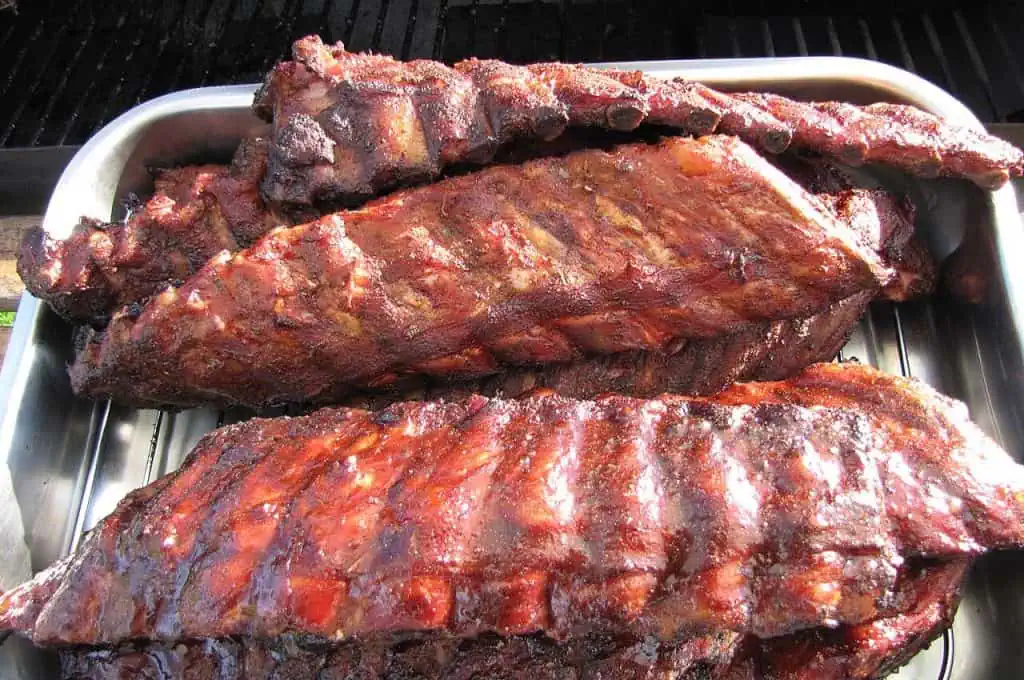
Buying pork in bulk can yield significant savings, especially when purchasing from local farms or through wholesale opportunities. Focus on versatile cuts like pork shoulder or loin, which can be portioned and stored for future meals. Effective seasoning and cooking methods such as slow-roasting or braising can transform these economical cuts into tender, flavorful dishes.
Invest in a vacuum sealer to maintain freshness and prevent freezer burn. Consistently well-prepared pork can serve a variety of meals, from pulled pork sandwiches to stir-fries, maximizing your investment.
Store Brands vs. Cuts for Steak

Exploring store-brand steaks can be cost-effective, as these options often maintain quality while being priced lower. Compare the marbling and thickness with name-brand cuts to ensure satisfaction. Consider trying lesser-known cuts like the flat iron or skirt steak, which provide excellent value with good flavor when cooked properly, such as searing or grilling.
Proper resting post-cooking allows the juices to redistribute, enhancing tenderness. A meat thermometer can ensure precision in reaching desired doneness, elevating your steak experience without stretching your budget.
