
11 Restaurant Tricks That Make You Spend More Without Realizing
Restaurant dining often involves subtle strategies designed to encourage spending. These techniques make a dining experience more enticing, ensuring patrons enjoy their visit while potentially spending more. Understanding these methods can enhance both the appreciation of dining out and the way we view menu and service interactions.
Eye-Catching Menu Designs

Menus are often crafted with strategic design elements to guide your choices. Bold fonts, strategic colors, and highlighted boxes draw attention to specific items. Often, items with the highest profit margins are placed in the top-right corner, a prime location for visibility. These design choices utilize eye-tracking principles to subtly influence what diners choose, making certain options more appealing.
Descriptive Language Temptations

Menus use descriptive language to evoke the senses and elevate dishes beyond their ingredients. Phrases like “hand-tossed,” “succulent,” or “artisan” introduce a layer of allure, transforming straightforward entries into a culinary narrative. This enticing language can make dishes seem more exclusive or indulgent, justifying higher prices and encouraging indulgence in those selections.
Top-Placed Pricey Options
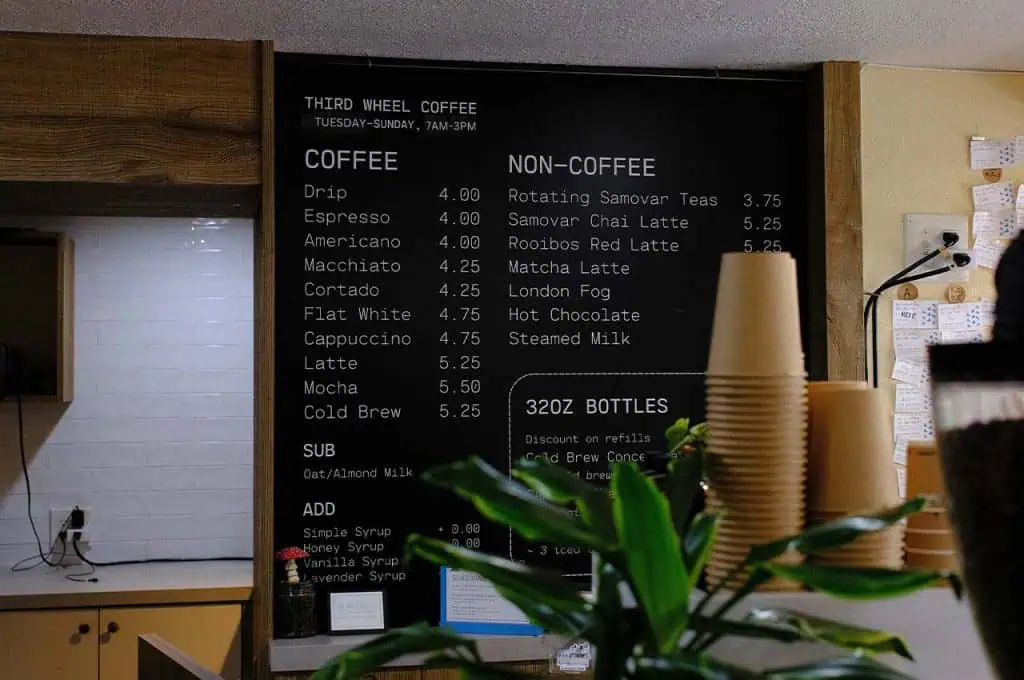
Expensive items are often placed at the top of the menu or within a category to set a pricing benchmark. This strategy makes other dishes appear more reasonably priced by comparison. By anchoring with high-priced items, selections that might have seemed costly on their own now appear as a more sensible choice, subtly steering diners’ decisions.
Irresistible Upsell Add-Ons

Waitstaff is trained to offer add-ons that elevate a meal’s appeal and increase the final bill. Options like adding a side, substituting premium ingredients, or suggesting desserts capitalize on diners’ desire to enhance their experience. These proposed upsells, casually integrated into interactions, often seem too tempting to refuse, leading to a more enriched—and costly—dining experience.
Lured by Limited-Time Specials

Limited-time specials can create a sense of urgency and excitement, drawing you in with the fear of missing out. Restaurants use these offers to spotlight dishes they want to push, often rotating them to keep the menu feeling fresh and exclusive. This tactic not only increases sales but also introduces you to new flavors or premium ingredients you might have otherwise overlooked. Consider if the experience truly excites your palate before committing, as these specials are crafted to make every culinary venture feel like a must-have.
Portion Illusions on Large Plates

Large plates can make portions appear smaller, subtly encouraging you to order appetizers or desserts to feel satisfied. This plating strategy plays on visual perception, presenting dishes that seem diminutive amidst wide-rimmed or oversized platings. It’s worthwhile to trust your satiation over the visual cues the dish presents. Being aware of this can help balance enjoyment and hunger satisfaction, ensuring you leave feeling content without overindulging or overspending.
Suggesting Premium Drink Choices
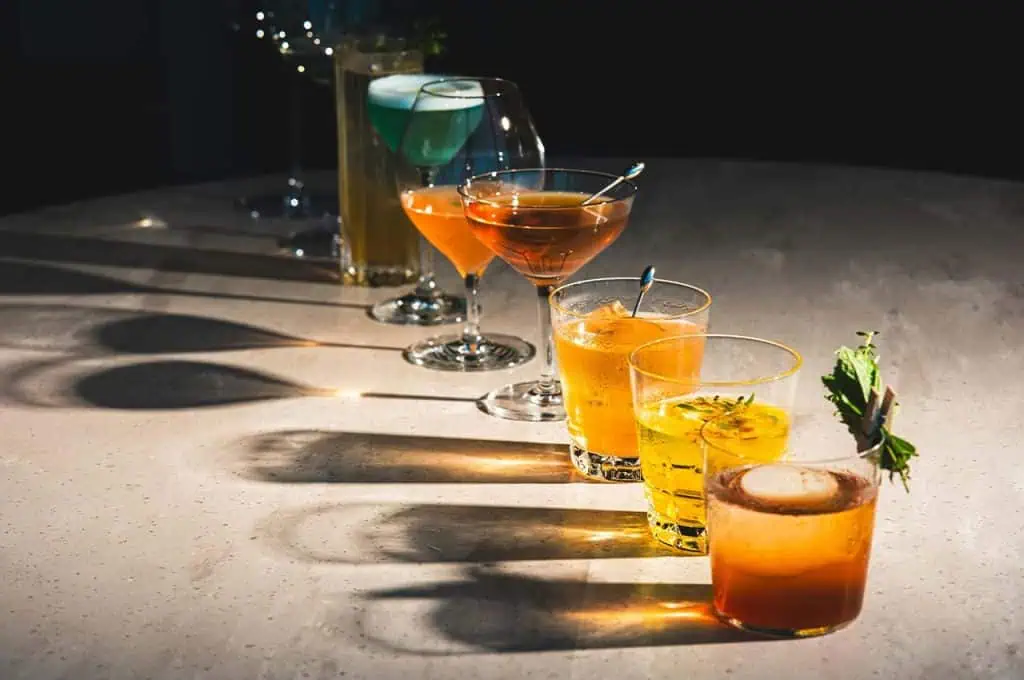
Offering premium drink options is a strategic approach to elevate both your dining experience and the check total. Servers are trained to suggest cocktails or wines that complement your meal, often highlighting flavors and pairings that enhance the main dish. While these options can indeed elevate your meal, consider your preferences and budget. A mindful choice can provide the satisfaction of a thoughtfully curated experience without the unintended expense that can accompany such upselling.
Prices Sans Dollar Signs

Omitting dollar signs from menus subtly encourages patrons to focus on the experience rather than cost, making it less likely that pricing will weigh on your decision-making. This design choice can subconsciously impact how you view price, often making it feel more like a non-monetary number. It’s a technique rooted in behavioral psychology, making it easier to choose based on desire rather than an immediate financial calculation. Remember, it’s perfectly fine to consider the price alongside your dining experience.
Enticing Combo Meal Deals

Combo meal deals leverage perceived value, promising more for less while steering you towards additional purchases. These offerings often bundle items that complement but aren’t always essential, making them appear as advantageous choices. While they can indeed provide savings, it’s important to assess whether each component enhances your meal enjoyment. Opting for à la carte selections may better suit your taste and satisfaction level without being swayed by the illusion of a bargain.
Displaying Delightful Desserts
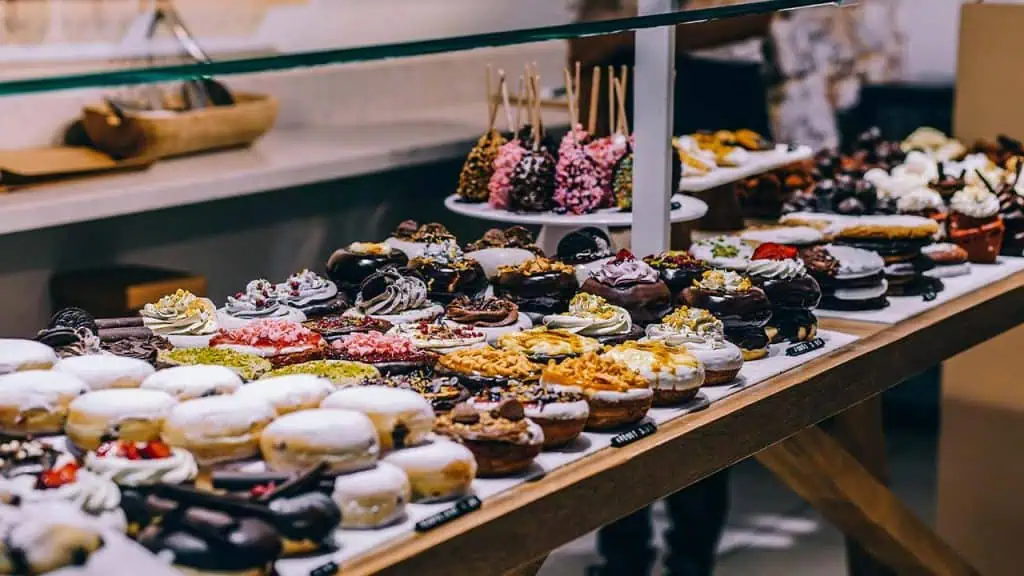
Strategic dessert placement can elevate your dining experience, subtly encouraging indulgence. Consider how restaurateurs present desserts at eye level or in well-lit showcases to highlight textures and vibrant colors. The use of elegant glassware or artisan plates draws attention to intricate details, enhancing perceived value. At home, try presenting your creations with similar attention. Use contrasting dishware to make colors pop and arrange components with precision to showcase layers and garnish. This artful presentation makes each dessert tempting and irresistible.
Extras That Enhance Your Order

Restaurants often use small, complementary items to enhance a meal’s appeal, making the overall experience feel more luxurious. This might include offering freshly baked bread with flavored butters or a palette-cleansing sorbet between courses. At home, consider adding a thoughtfully prepared side dish or a unique condiment that complements your main course. Small touches like herbed oils or homemade pickles can elevate the meal, providing complexity and satisfaction. Paying attention to these details can transform an everyday dinner into a memorable occasion.
