
The 7 Grocery Store Tricks That Are Basically Stealing From You (And How to Avoid Them)
Modern grocery stores are no longer just shops; they are highly engineered environments designed to maximize “spend per minute.” As we navigate the inflation of 2026, retailers have refined their tactics to be subtler and more effective than ever before. From the scent of the bakery to the height of the shelves, every detail is a calculated attempt to part you from your money. Understanding these “tricks” is the only way to maintain control over your budget and ensure you are actually getting the value you expect.
The “Decoy” Bulk Discount
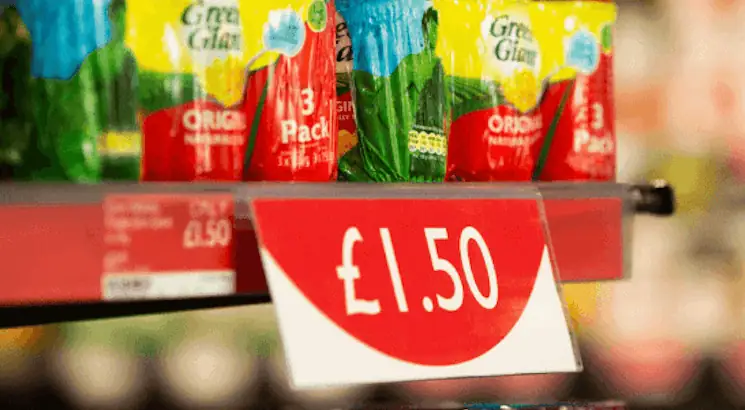
A common 2026 trick is the “decoy” bulk price, where a large 24-pack is actually more expensive per unit than two 12-packs. Retailers bank on the “bulk is cheaper” mental shortcut that most shoppers use. In 2026, with packaging costs fluctuating, stores often hide price hikes in larger containers. Always check the “Unit Price” in small print on the shelf tag. If the unit price is missing or confusing, use your phone to calculate it. Never assume a larger box is a better deal without doing the math first.
“Eye-Level” Profit Padding

The “Eye-Level is Buy-Level” rule is stronger than ever in 2026. Stores place the products with the highest profit margins not the best value, directly at your eye level. To find the real bargains, you must “Look High and Low.” The bottom shelves often hold the bulk bags and generic brands that offer the exact same quality for 40% less. Meanwhile, the top shelves house niche, premium brands that are often overpriced. Training yourself to scan the entire vertical shelf will save you hundreds of dollars over a year.
The Sensory Bakery Trap
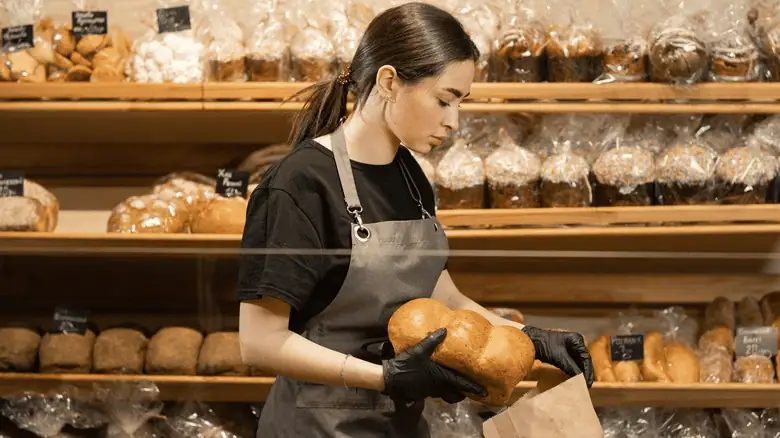
Have you noticed that modern 2026 supermarkets have moved their bakeries to the very front? This is “Aroma Marketing.” The scent of fresh bread triggers your salivary glands and induces “impulse hunger,” making you more likely to fill your cart with high-margin snacks. It also slows your walking pace, keeping you in the store longer. To avoid this, always eat a small meal before shopping. When you aren’t shopping on an empty stomach, these scents lose their power to manipulate your buying choices.
The “Limited-Time” False Scarcity
In 2026, stores use digital “Flash Sales” and “Ending Soon” tags to create a false sense of urgency. This psychological pressure triggers “FOMO” (Fear Of Missing Out), leading you to buy items you don’t actually need just because they are “on sale.” Most of these “limited” deals are actually recurring cycles that happen every six weeks. If it isn’t on your list, it isn’t a deal, it’s an unnecessary expense. Stick to your pre-planned shopping list and ignore the bright red tags designed to derail your budget.
Shrinkflation in “Premium” Packages
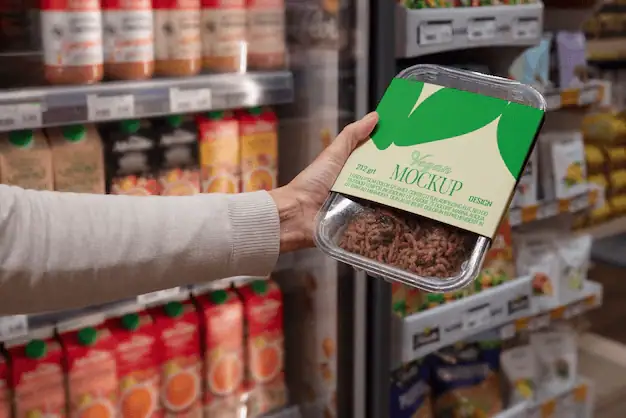
“Shrinkflation” has reached its peak in 2026, where the box stays the same size but the net weight drops by 10-15%. Look for “new look” packaging, which is often a distraction from a reduced product count. Items like cereal, coffee, and laundry pods are the biggest offenders this year. Always compare the weight listed on the package to your previous purchases. Retailers hope you are too busy to notice the missing ounces, but those small losses add up to a significant “theft” of your purchasing power over time.
The Maze of Essential Items
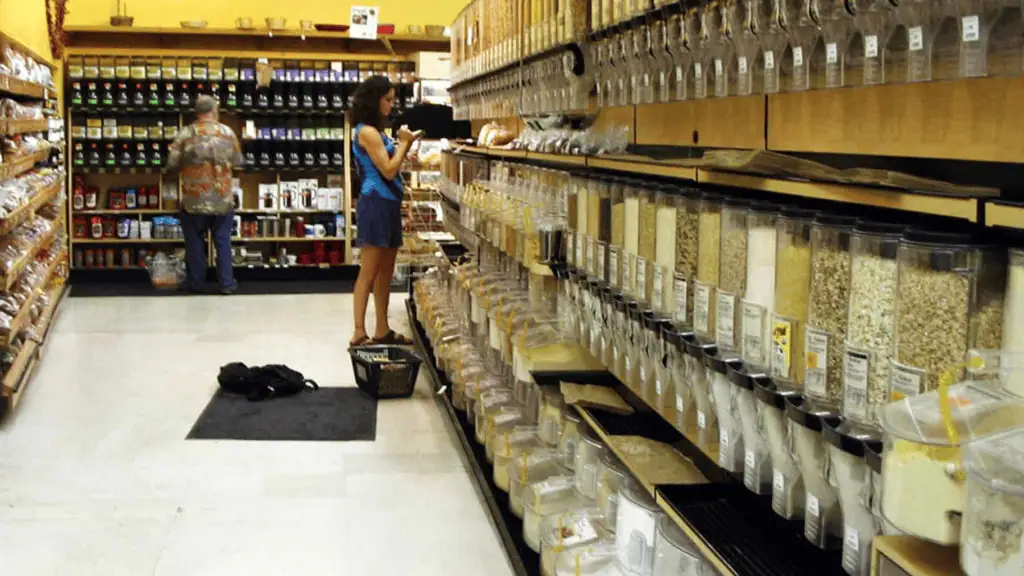
There is a reason the milk, eggs, and bread are at the back of the store: it forces you to walk past thousands of high-margin impulse items. In 2026, stores have “Maze-ified” their layouts to maximize your exposure to non-essentials. To counter this, use the “Perimeter-Only” strategy. Most whole foods are located on the outer edges of the store. Avoid the middle aisles unless you specifically need an item on your list. The more aisles you skip, the more money stays in your bank account at the end of the trip.
The Digital Coupon Data Mine
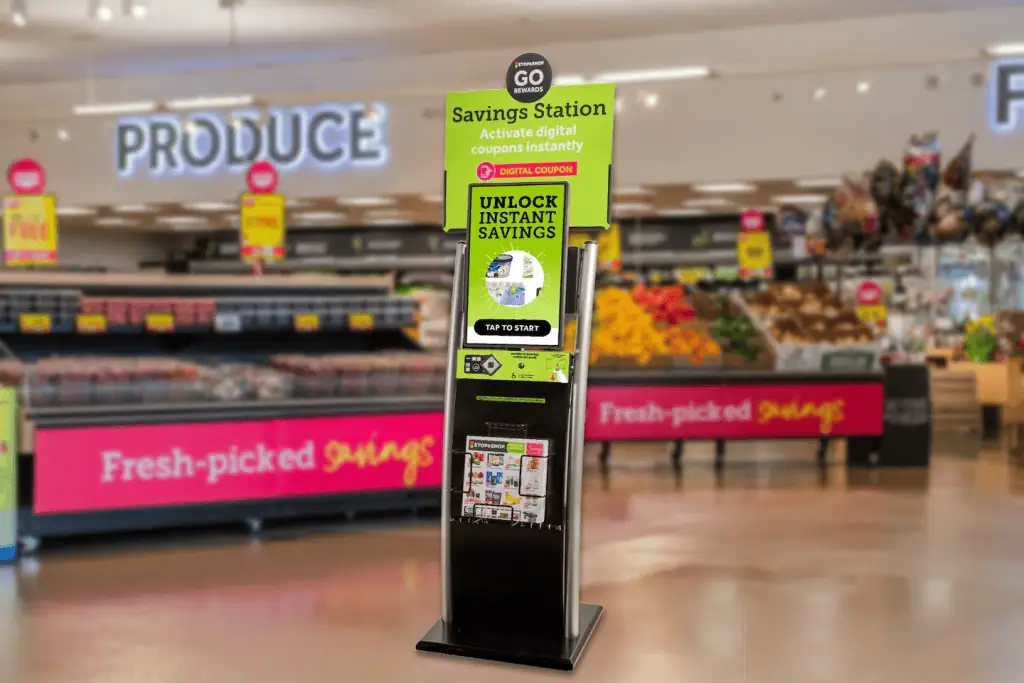
“Member-Only” prices in 2026 often require you to use an app that tracks your data. While the “deal” looks good, the store is often charging you a “Data Tax” by selling your habits to third-party marketers. Sometimes, the “App Price” is simply the normal price, while the “Shelf Price” has been artificially inflated. To avoid this, use a secondary email for rewards accounts and always compare prices across different stores. Don’t let a “loyalty discount” blind you to the fact that you might be overpaying for convenience.
