
7 Fast-Food Secrets the Industry Doesn’t Want You Thinking About
By 2026, the fast-food experience has transitioned from a simple transaction to a highly engineered psychological journey. While we often focus on the convenience of mobile apps and AI-driven drive-thrus, the industry relies on a foundation of “invisible” tactics that dictate what we eat and how much we pay. These range from the chemical design of scents to the specific timing of menu transitions that most customers never think to question.
As technology advances, these secrets have become more sophisticated, moving beyond simple marketing into the realm of neurological and biological influence. Whether it is the bacteria thriving in a poorly maintained soda machine or the “digital nudge” of a self-service kiosk, the industry’s goal remains the same: maximizing volume while minimizing your awareness of the process. Understanding these seven secrets is the only way to reclaim control over your meal and your health in the modern quick-service landscape.
The Psychology of “Digital Nudging.”
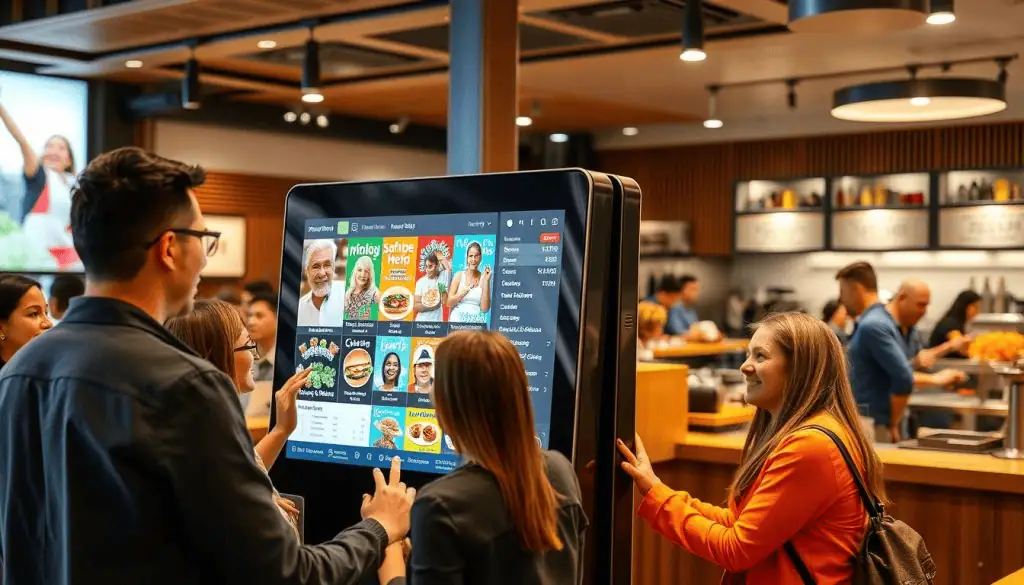
In 2026, those sleek ordering kiosks aren’t just for convenience; they are finely tuned psychological tools. Research shows that customers spend an average of 20% more when ordering from a screen compared to a human cashier. This is due to “digital nudging,” where AI algorithms suggest high-margin add-ons based on the time of day and your previous order history.
Without the social pressure of a line behind you, you are more likely to browse and succumb to tempting, high-resolution imagery of desserts and sides. These systems are designed to reduce “decision fatigue” while subtly maximizing the value of your final basket.
The Biofilm in the Soda Fountain
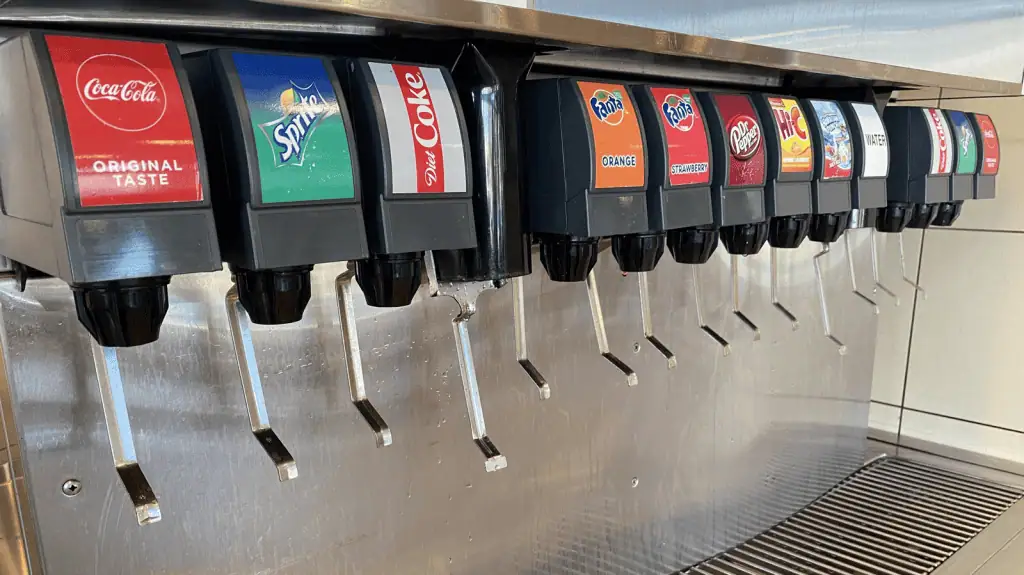
A 2026 study revealed that nearly 41% of fast-food soda fountains contain coliform bacteria, a key indicator of fecal contamination. The culprit is often the plastic tubing and dispensers, which can develop “biofilm,” a slimy layer of microorganisms that is extremely difficult to scrub away.
While the water supply itself usually meets EPA standards, the internal components of the machines are frequently neglected during nightly cleaning routines. This buildup can harbor opportunistic pathogens like E. coli and Salmonella, posing a risk to immunocompromised diners. If the machine looks slightly grimy on the outside, the internal pipes are likely much worse.
“Clean Label” Marketing Myths
As we move through 2026, many chains are touting “clean labels” and “fresh, never frozen” beef to appeal to health-conscious diners. However, while they may have removed artificial dyes, many still use “incidental additives” that don’t always appear on the main ingredient list.
Packaging materials, such as burger wraps and fry boxes, are often coated with PFAS or phthalates to prevent grease from soaking through. These chemicals can migrate into your hot food, meaning you are still consuming industrial byproducts even if the meat itself is “natural.” The push for transparency often stops at the edge of the wrapper, leaving consumers in the dark.
The 10:30 AM “Scrap” Danger Zone
The transition from breakfast to lunch around 10:30 AM is the most chaotic time in any fast-food kitchen. During this overlap, employees are rushing to swap out equipment and ingredients, which can lead to significant food safety lapses. You are more likely to receive “scrap” items, older eggs, or lukewarm hash browns that have been sitting in holding bins since the early morning rush.
Furthermore, the rush to prepare for the lunch crowd often means that grill surfaces aren’t properly sanitized between different types of proteins. If you want the freshest food, it is best to avoid the “bridge” period and wait until the lunch menu is fully established.
Secret Menus are Profit Traps
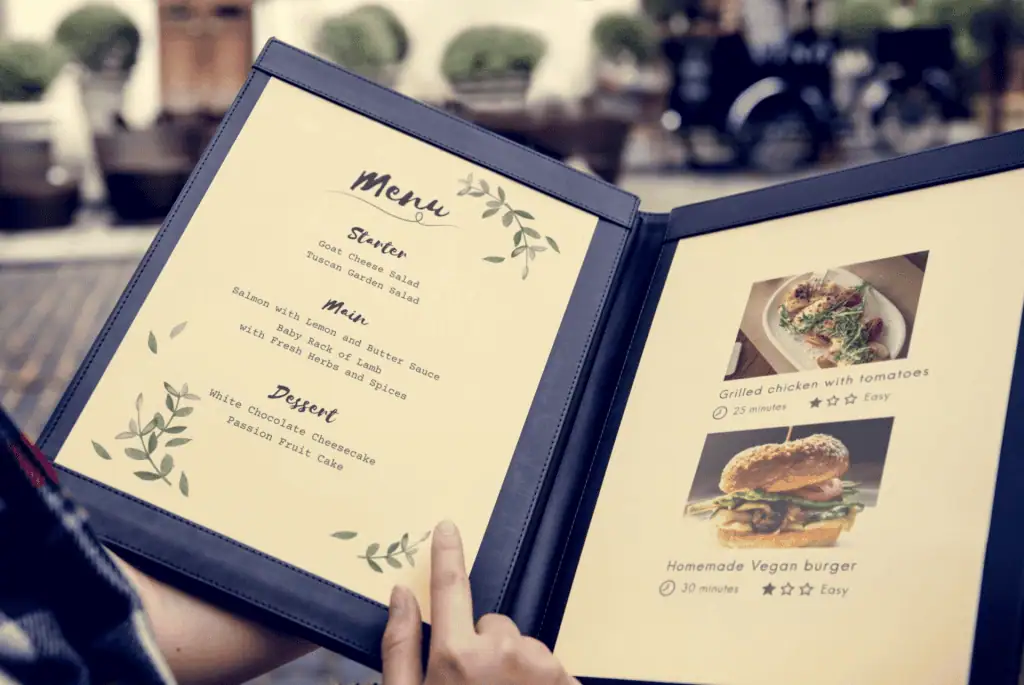
“Secret menus” may feel like an insider hack, but in 2026, they are often a highly profitable trap for the restaurant. Customizing a standard item with multiple “off-menu” additions usually results in a significantly higher price than a comparable standard combo.
Because these items aren’t programmed as single buttons on the POS system, cashiers must add each ingredient as a “premium” surcharge. You often end up paying 30% more for a slightly modified burger that uses the exact same base ingredients as a cheaper menu option. The “insider” feeling is a clever marketing trick that encourages you to pay a premium for standard kitchen labor.
The “Warmth” of Artificial Scents

Many modern fast-food outlets in 2026 use “scent marketing” to trigger your appetite before you even see the menu. Specialized HVAC systems can vent the smell of frying onions or baking bread directly into the parking lot or the front entrance. These scents are often enhanced with artificial aromas to ensure they remain consistent regardless of what is actually being cooked at that moment.
This olfactory manipulation bypasses your logical brain and triggers a primal hunger response, making you more likely to order a larger meal. It is a powerful form of sensory branding that ensures the “fast food smell” is synonymous with your hunger.
The Ice Machine “Black Mold” Secret
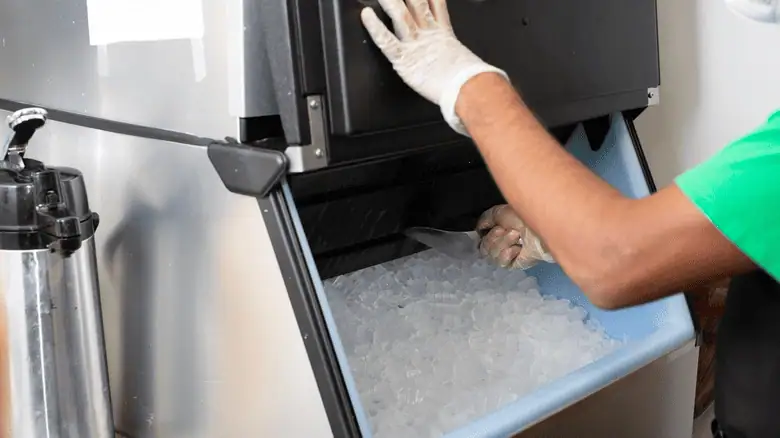
Former employees and health inspectors frequently cite the ice machine as the dirtiest piece of equipment in the building. Because ice is technically a food product, it requires strict sanitation, yet many managers prioritize the fryers and grills instead. In 2026, inspections continue to find “black mold” and slime inside the freezing chambers where water is circulated.
Since the ice is cold, it can mask the taste and smell of these contaminants, making them invisible to the average consumer. Many veteran fast-food workers refuse to put ice in their own drinks for this very reason. It is often the most overlooked health hazard in the entire fast-food ecosystem.
