
The Expiration Date on Your Food Is Lying to You: Here’s What It Actually Means
In 2026, the dates on your food containers are often more about business than biology. Most people believe that an “expired” date means the food has suddenly turned into a health hazard. In reality, with the exception of infant formula, these dates are not regulated by federal law in the U.S. They are voluntary marks provided by manufacturers to signal peak quality.
This means the date is a guess about when the flavor or texture might begin to fade. It is not a hard deadline for when the food becomes unsafe to eat. This confusion leads to billions of pounds of perfectly good food being tossed into landfills every year. Consumers are effectively throwing away money because they trust a printer over their own senses. Understanding the true meaning of these labels can change how you manage your kitchen. Let’s break down the labels and the science of food longevity.
Quality vs. Safety Labels
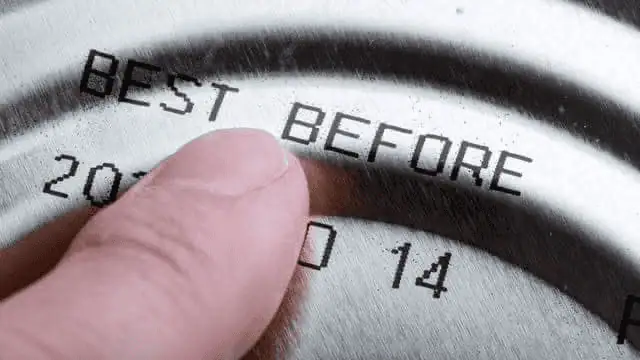
The biggest secret of the food industry is the difference between “Best Before” and “Use By” dates. A “Best if Used By” date is strictly an estimate of when the product is at its most delicious. It relates to the crunch of a cracker or the zing of a sauce, not its safety. You can often eat these items weeks or even months after the date has passed without any risk.
Conversely, a “Use By” date is often found on highly perishable items like fresh meat or soft cheeses. In these cases, the manufacturer is warning you that the product’s safety could decline rapidly. While many of these are still safe for a day or two, they require much more caution. In 2026, experts suggest treating “Best By” as a suggestion and “Use By” as a firm guideline. Distinguishing between these two can drastically reduce your weekly grocery bill. It allows you to prioritize which items truly need to be eaten immediately.
The Marketing of Freshness
Manufacturers have a strong financial incentive to put conservative dates on their packaging. If you throw away a half-full carton of milk because of a date, you have to buy a new one. This keeps the inventory moving and ensures that consumers always experience the product at its absolute peak. A shorter date also protects the brand from a customer having a “stale” experience.
Retailers also use “Sell By” dates as a tool for inventory management on the floor. These dates tell the store when to pull an item to make room for newer, more attractive stock. They do not mean the food is bad; they mean the store wants to refresh its display. In 2026, many savvy shoppers are looking for these “near-expiry” items to find massive discounts. You are getting the same nutrition and safety for a fraction of the cost. Don't let a marketing stamp dictate your kitchen's true shelf life.
How Long Food Really Lasts
Most pantry staples are far more resilient than the labels on the box would suggest. Low-acid canned goods, like beans or corn, can stay safe for up to five years if the seal is intact. High-acid cans, such as tomatoes, are generally good for eighteen months before the quality dips. Even eggs are often perfectly safe to eat for three to five weeks past the date on the carton.
Dry goods like pasta and white rice can last nearly indefinitely if they are kept away from moisture. In 2026, the focus has shifted toward “storage conditions” rather than just the date. Food kept at a steady, cool temperature will always outlast food that has been sitting in a warm car. Freezing your food acts as a “pause button” that stops the clock on spoilage entirely. As long as the food is frozen solid, it remains safe to eat regardless of the calendar. Knowing these real-world timelines can give you much more flexibility during meal planning.
The Three-Sense Safety Check

Since the dates are mostly suggestions, your body's natural tools are your best defense. In 2026, food scientists still recommend the “sniff, look, and touch” method over any label. Your nose is evolved to detect the specific gases released by harmful spoilage bacteria. If a product smells sour, fermented, or “off,” it is time to let it go.
Visually, you should look for mold, unusual color changes, or a slimy film on the surface. For canned goods, never eat from a container that is bulging, rusted, or severely dented. These are signs that the internal seal has failed and bacteria may be growing inside. If the food passes the smell and sight tests, a tiny taste can confirm its quality. If it tastes fine, it is almost certainly safe to consume in a normal serving. Trusting your senses empowers you to be a more confident and less wasteful cook.
