
What Really Happens to All the Unsold Food at Major Fast-Food Chains?
In the past, the end of a fast-food shift was factually defined by the “trash bag ritual,” where perfectly good burgers and fries were tossed into a dumpster to avoid liability. According to 2026 sustainability reports, this practice is rapidly disappearing as major chains move toward “zero-waste” circular systems.
Fueled by new legislation and high-tech tracking, companies are finding that donating surplus food is more profitable than trashing it. In 2026, your “unsold” dinner is increasingly likely to end up in a local food pantry rather than a landfill.
The Shift in Legal Liability
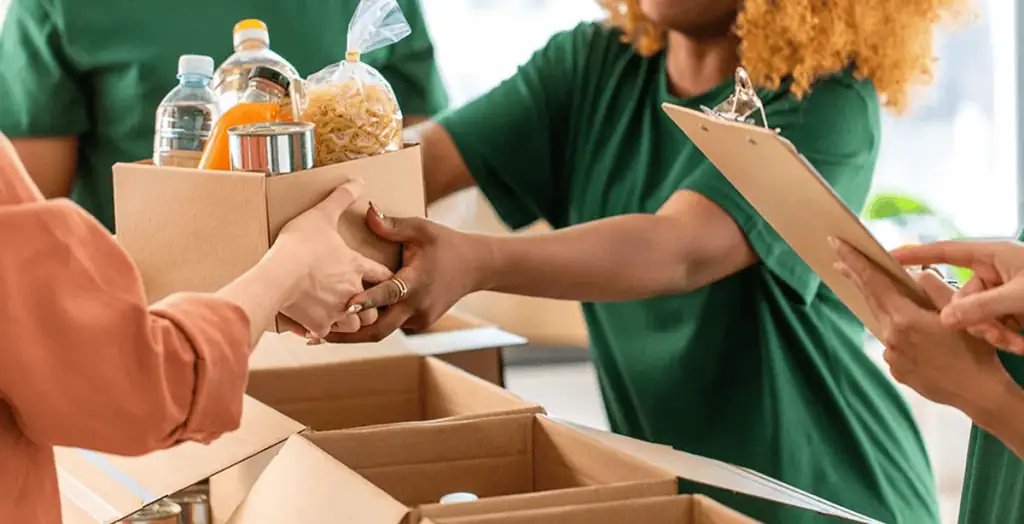
For decades, the biggest hurdle for food donation was the factual fear of being sued if someone got sick from a donated meal. However, in late 2025 and early 2026, the Food Donation Improvement Act (FDIA) significantly expanded federal liability protections for restaurants.
According to 2026 legal audits, this law now allows chains to donate food directly to individuals and food banks without fear of litigation, provided the food was handled safely. This legal shift has removed the primary “corporate excuse” for food waste, leading to a surge in new donation partnerships across the country.
Starbucks: The 121 Million Meal Milestone
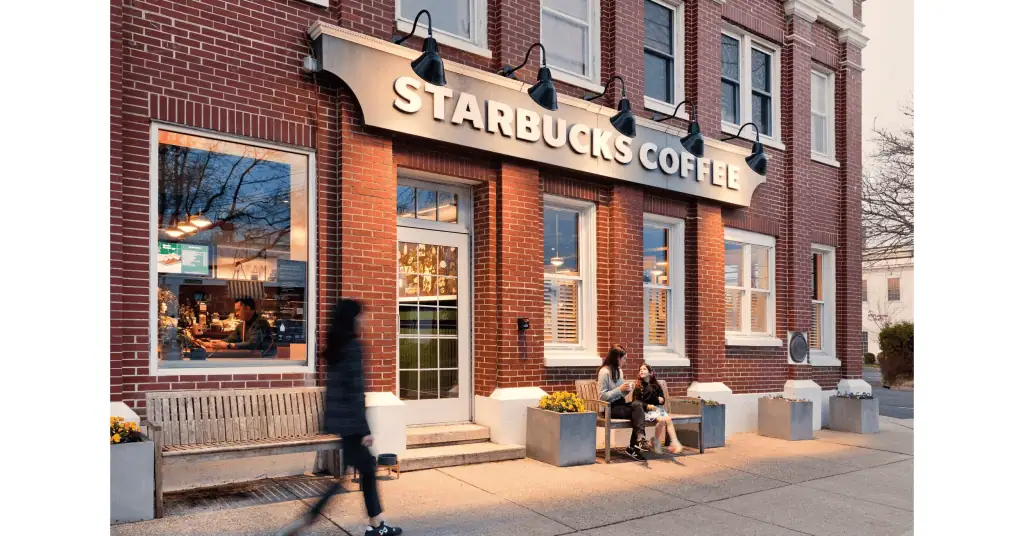
Starbucks remains the 2026 leader in large-scale food recovery through its FoodShare program, which celebrated its 10th anniversary in February. According to official 2026 data, the program has now successfully donated over 121 million meals nationwide since its inception.
Every night, partners (employees) package unsold sandwiches, salads, and pastries into refrigerated trucks that transport the food to distribution centers. This factual “backhaul” model ensures that perishables remain at safe temperatures until they reach local families the following morning.
Panera: The “Day-End Dough-Nation”
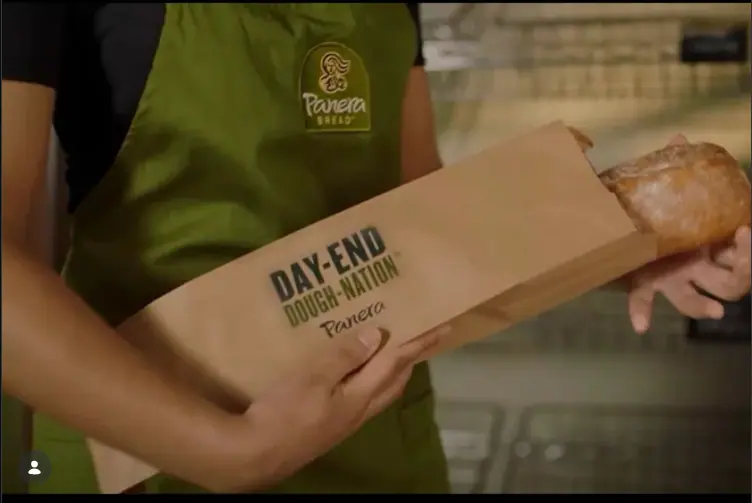
Panera Bread has turned its commitment to “fresh-baked daily” into a massive community resource through its Day-End Dough-Nation program. According to the 2026 bakery reports, participating locations package every single unsold loaf and pastry at closing time for pickup by local non-profits.
In 2026 alone, the retail value of these nightly donations is expected to exceed $100 million across their thousands of locations. This program is factually integrated into the daily closing checklist, making “generosity” a standard operational requirement for every shift manager.
McDonald’s and the “Smart Ordering” Revolution
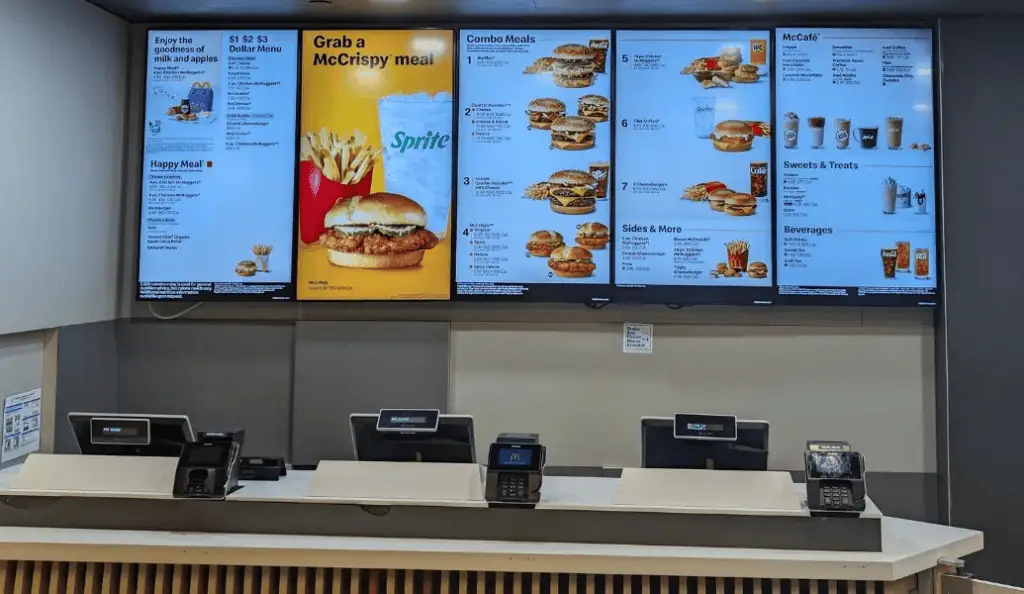
Rather than just managing waste at the end of the night, McDonald’s is using AI in 2026 to prevent overproduction before it happens. According to 2026 “Plan for Change” updates, the chain uses smart ordering systems that predict customer demand with over 95% accuracy based on local weather and events.
When surplus does occur, McDonald’s has expanded its partnerships with organizations like FareShare to ensure that extra ingredients are diverted to those in need. By 2027, the company aims to give 100% of its restaurant waste a “second life” through recycling, composting, or donation.
Chipotle and “The Farmlink Project”
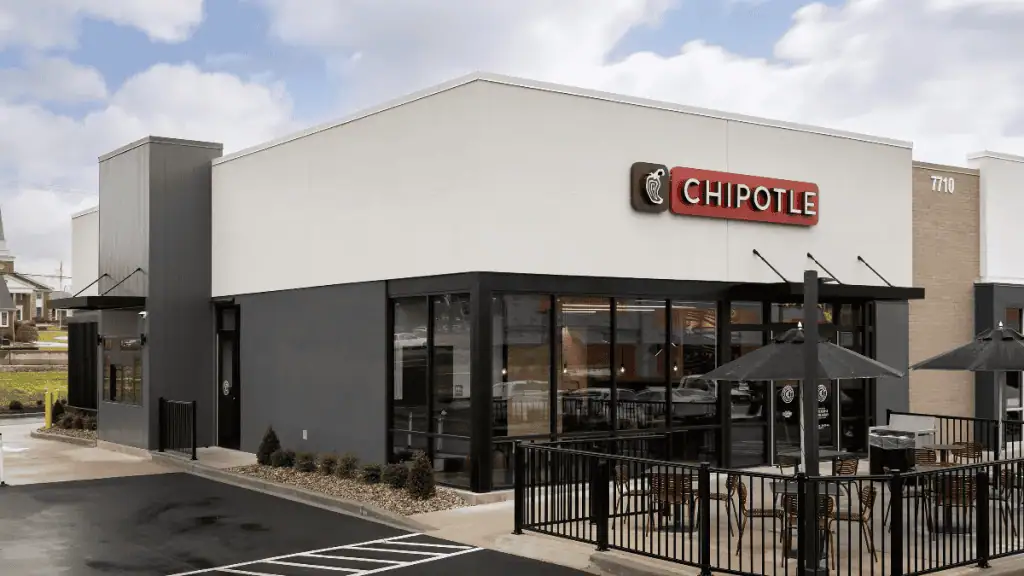
Chipotle has taken a unique 2026 approach by addressing food waste at the source the farms themselves. Through the “GIVETEN” initiative, Chipotle connects its suppliers directly with food banks to ensure that “ugly” or unsold produce never leaves the field for a landfill.
According to 2026 impact reports, this student-led partnership has helped transport millions of pounds of produce to areas facing food insecurity. Within their restaurants, Chipotle also utilizes a “round-up” program that has raised over $105 million to support local food accessibility and sustainable farming practices.
