
Thinking of Trying Caviar? Read This First
Caviar has long been the ultimate symbol of culinary luxury, but for the uninitiated, the first experience can be as intimidating as it is expensive. According to recent 2026 market reports, the “accessible luxury” trend has brought more sustainable, farmed varieties to the average consumer, yet the rules of engagement remain strictly traditional.
If you are planning to invest in a tin this season, understanding the nuances of storage, service, and selection is essential to avoid a costly mistake. We have synthesized the current 2026 expert guidelines to ensure your first taste is a factual success rather than a salty disappointment.
The Golden Rule: Never Use Metal Spoons
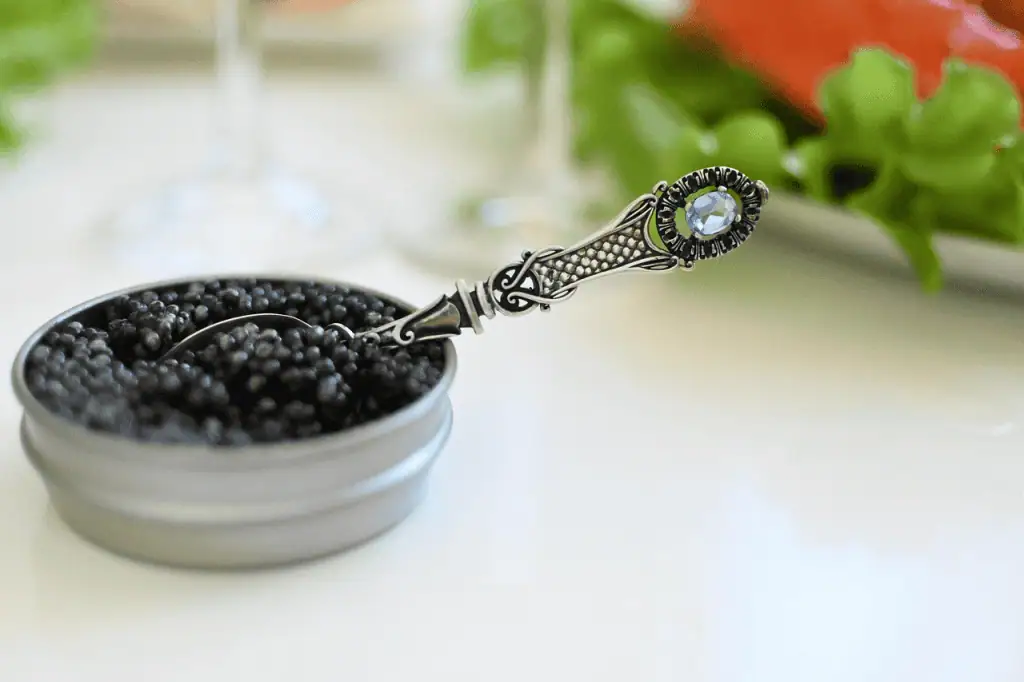
The most critical piece of caviar etiquette is also a functional one: never let a silver or stainless steel spoon touch the eggs. According to 2026 culinary science, metal spoons can cause a chemical reaction that imparts a bitter, metallic “tinny” taste to the delicate roe.
To preserve the pure, buttery flavor, you should exclusively use mother-of-pearl, bone, glass, or high-grade plastic utensils. If you are dining at a reputable establishment in 2026, they will always provide a non-reactive spoon; if you are serving it at home, a simple plastic spoon is factually superior to your finest silverware.
Know Your Varieties: Ossetra vs. Beluga
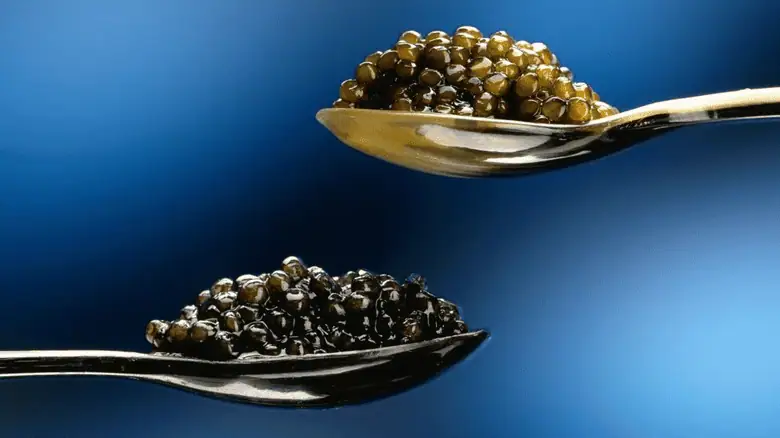
In 2026, choosing the right “grade” of caviar depends on your palate and your budget. According to current distribution data, Ossetra is the most recommended choice for beginners because of its firm texture and balanced, nutty flavor. While Beluga remains the most prestigious due to its large, buttery pearls, it is also the most expensive.
It is subject to strict trade regulations, including a continued ban on Caspian Beluga in the U.S. For a budget-friendly entry point, many 2026 shoppers are turning to American Hackleback, which offers a similar briny “pop” at a fraction of the cost of imported sturgeon roe.
Storage is Non-Negotiable
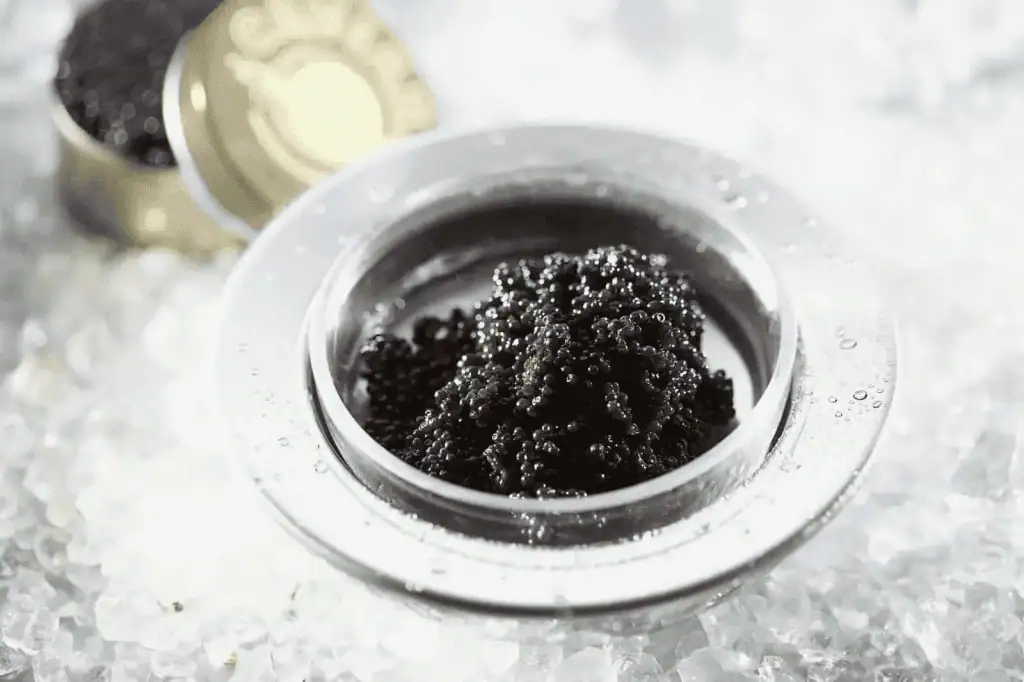
Caviar is one of the most perishable items in your kitchen and must be handled with extreme temperature precision. According to 2026 food safety guidelines, the ideal storage temperature is between 28°F and 32°F (-2°C to 0°C).
Since most domestic refrigerators are set to 38°F, you should store your tin in the very back of the bottom shelf, ideally nested in a bowl of crushed ice. An unopened tin can last up to four weeks, but once the seal is broken, it factually begins to lose its texture and flavor within 24 to 48 hours.
The “Pure” Tasting Method
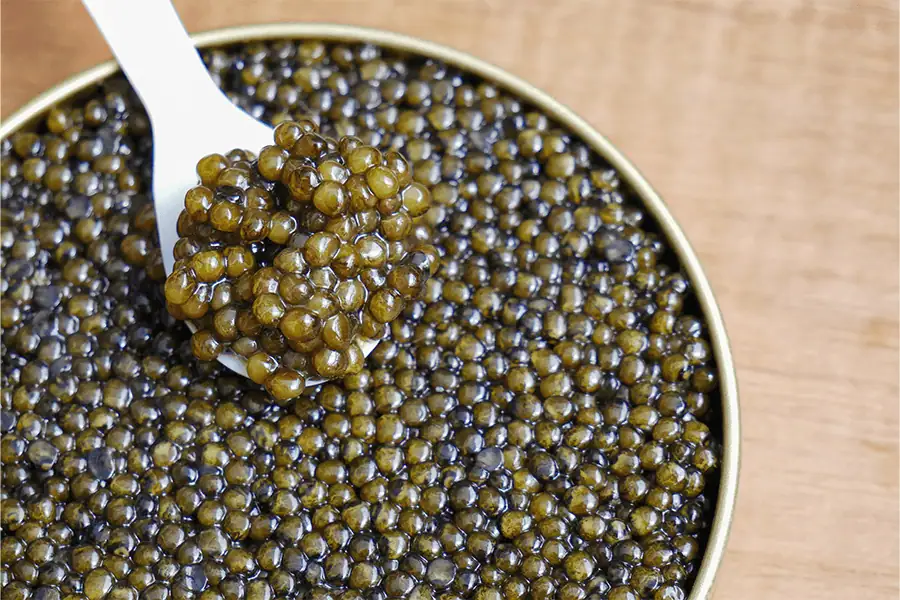
To truly appreciate the complexity of caviar, experts recommend taking the first bite “neat.” According to 2026 tasting protocols, you should place a small spoonful on the back of your hand (between the thumb and index finger) to let it warm slightly to room temperature.
Then, press the eggs against the roof of your mouth with your tongue to experience the “pop” and the finish. Once you have assessed the base flavor, you can move on to traditional accompaniments like warm blinis, crème fraîche, or hard-boiled eggs, which provide a neutral base that doesn’t mask the primary product.
Avoid the “Overpowering” Trap
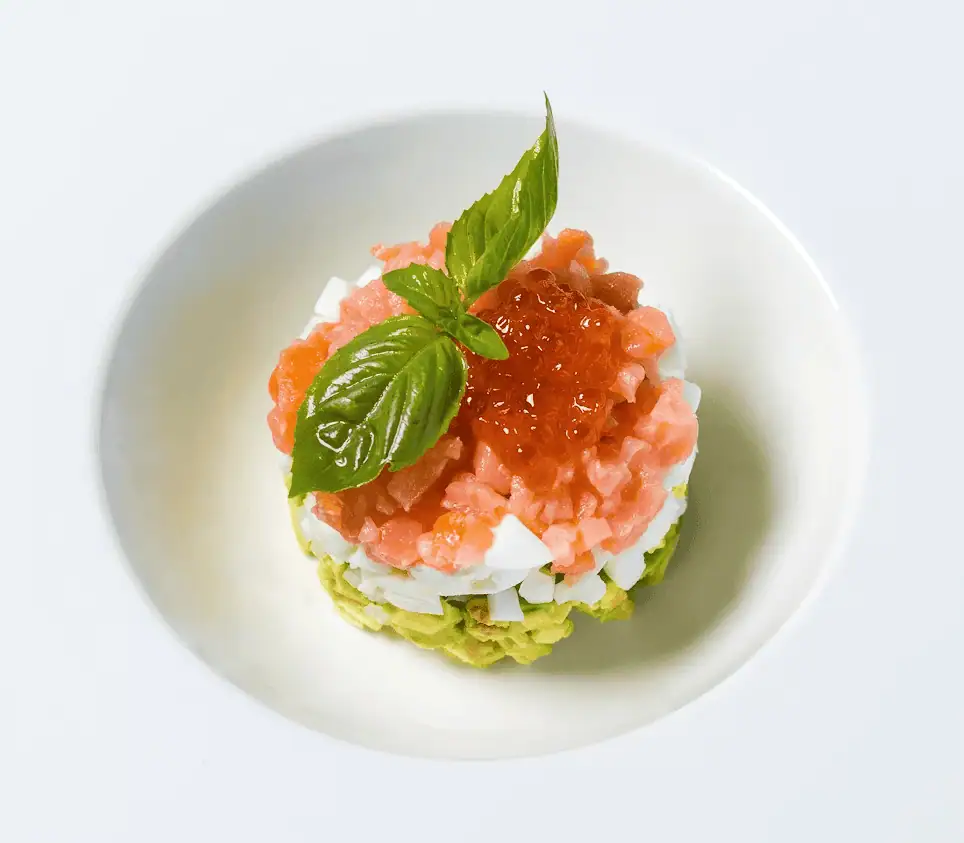
A common mistake for first-timers is pairing caviar with ingredients that are too bold, such as raw onions or heavy lemon juice. According to 2026 sommelier guides, the goal is to complement the saltiness, not fight it.
For beverages, the factual gold standard remains ice-cold vodka or dry Champagne (Brut or Extra Brut). The high acidity of the bubbles or the clean, neutral finish of the vodka acts as a palate cleanser, cutting through the rich fats of the roe and preparing you for the next bite.
