
7 Kitchen Staples Every 60’s Housewife Swore By: You won’t believe no. 4
The 1960s was a decade of massive change, but the kitchen remained the heart of the American home. For the housewives of the era, efficiency was the ultimate goal as convenience foods began to flood the market. While modern pantries are full of kale and quinoa, the 60s kitchen relied on a few reliable workhorses. These staples allowed home cooks to whip up everything from elegant cocktail appetizers to hearty family casseroles. If you peeked inside a 1966 pantry, you would find these seven items ready for action. They reflect a time when food was about comfort, community, and a little bit of creative flair.
Campbell’s Condensed Soups
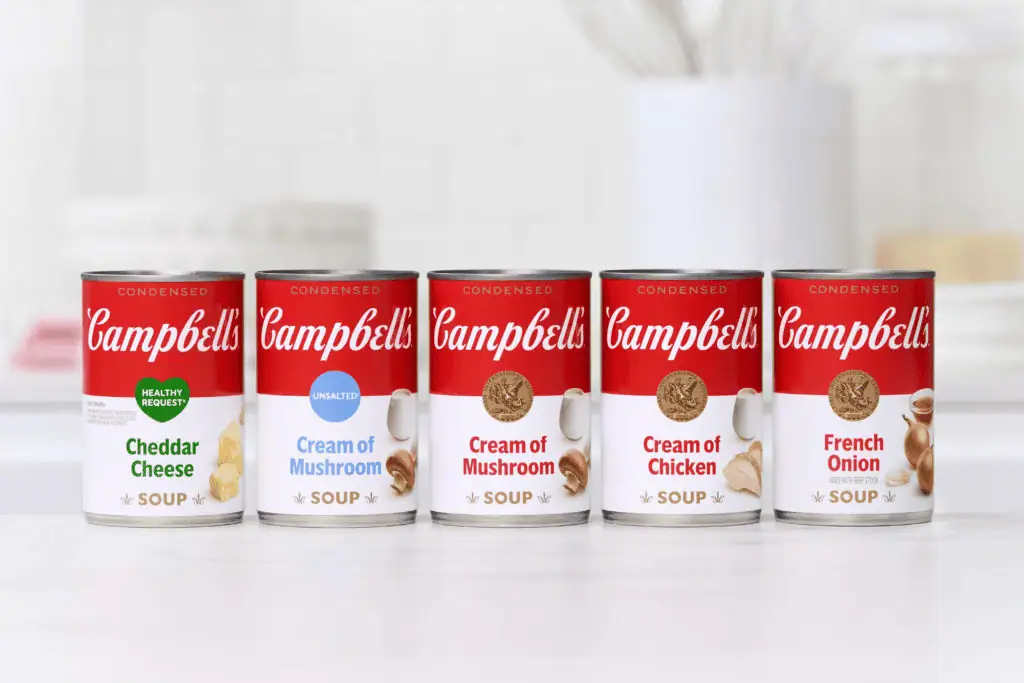
In the 1960s, a can of Campbell’s soup was rarely just a bowl of soup for lunch. Cream of Mushroom and Cream of Chicken were the “secret sauces” behind almost every famous casserole of the decade. These cans acted as a ready-made base, replacing the need for a time-consuming homemade roux or white sauce.
Housewives swore by them for their consistency and their ability to make even the simplest ingredients taste rich. From Tuna Noodle Casserole to Green Bean Casserole, these red-and-white cans were the undisputed kings of the pantry. No shopping trip was complete without grabbing at least half a dozen varieties.
Lipton Onion Soup Mix
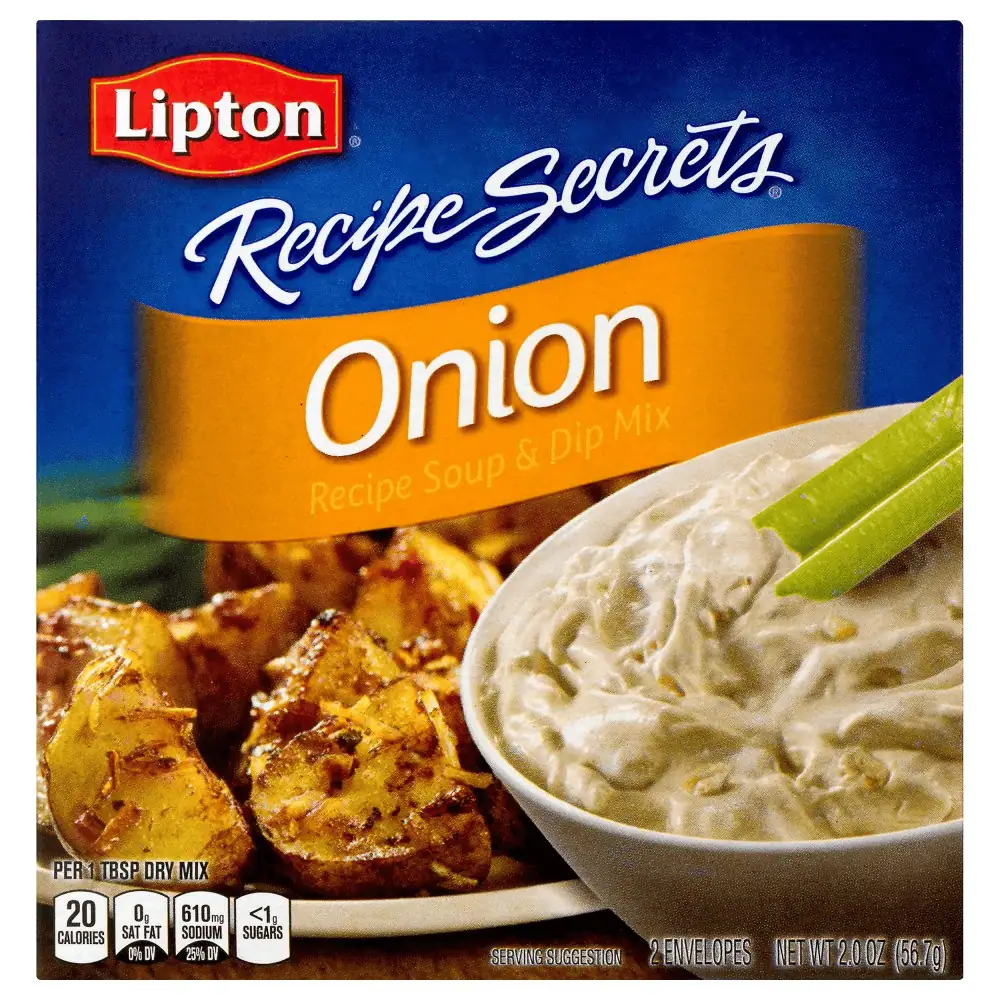
If there was a party in the 60s, you could guarantee that Lipton Onion Soup Mix was on the guest list. This dry seasoning packet was the primary ingredient for the legendary “California Dip” that defined the era’s social gatherings. By simply stirring the mix into a tub of sour cream, a housewife could create an instant crowd-pleaser.
Beyond the chip dip, it was also used to season meatloaves, pot roasts, and even roasted potatoes. It provided a concentrated punch of savory flavor that was hard to replicate with individual spices. It was the ultimate shortcut for the busy host who wanted to impress her friends.
Jell-O Gelatin (In Every Color)
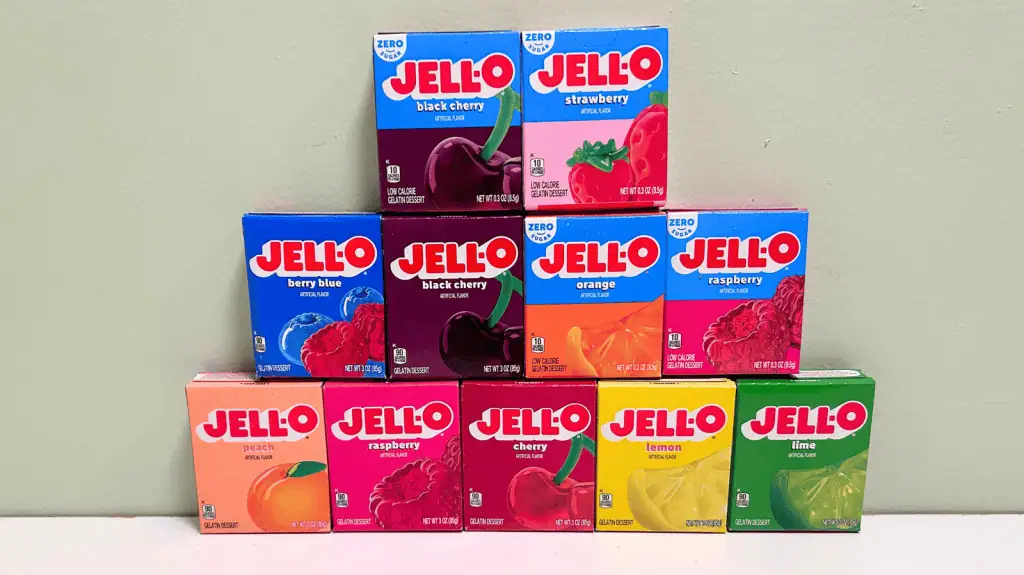
Jell-O was more than just a dessert; it was a medium for artistic and sometimes questionable culinary expression. The 60s were the golden age of the gelatin mold, where everything from fruit to vegetables could be suspended in a colorful ring. Shimmering salads made with lime Jell-O, cottage cheese, and canned pineapple were common fixtures at every neighborhood potluck.
While we might find savory gelatin dishes strange today, they were considered sophisticated and modern at the time. A housewife always kept several boxes on hand to ensure she could whip up a “salad” at a moment’s notice. It was cheap, versatile, and brought a bright pop of color to any dinner table.
The Bacon Grease Jar
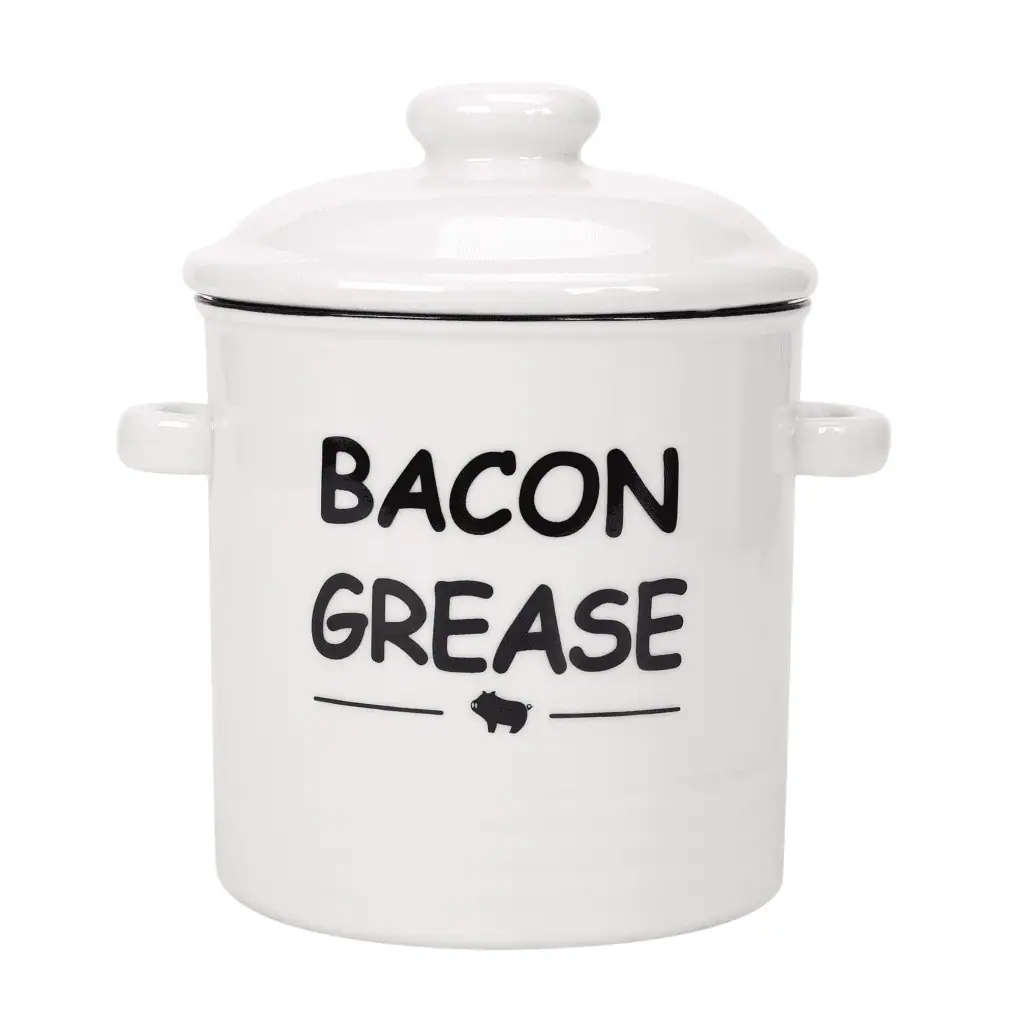
You won’t believe it today, but in the 60s, bacon grease was considered liquid gold. Most housewives kept a small ceramic jar or an old coffee tin right next to the stove to collect every drop of rendered fat. This “staple” was used to flavor everything from sautéed green beans and fried eggs to homemade biscuits and gravy.
It provided a smoky depth of flavor that store-bought oils simply could not match in the kitchen. Nothing was ever wasted, and that seasoned grease was the secret behind why Grandma’s cooking always tasted better. While modern health trends have pushed it aside, it was the backbone of flavorful home cooking for decades.
Velveeta Processed Cheese
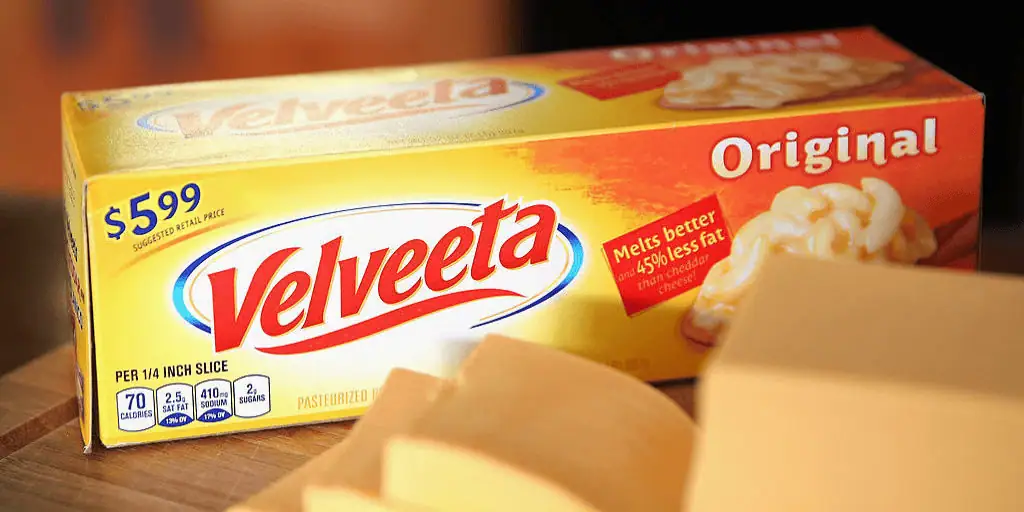
For the smoothest cheese sauce or the perfect grilled cheese sandwich, 60s housewives reached for the big yellow box of Velveeta. This processed cheese loaf was prized for its incredible melting ability and its very long shelf life. It didn’t separate or get oily like natural cheddar, making it the perfect choice for macaroni and cheese or a quick rarebit.
It was a reliable staple that children loved and busy mothers appreciated for its total lack of fuss. Whether it was sliced for a snack or melted into a dip, Velveeta was a high-tech wonder of the mid-century. It symbolized the convenience and innovation that defined the modern American kitchen of that era.
Crisco Shortening
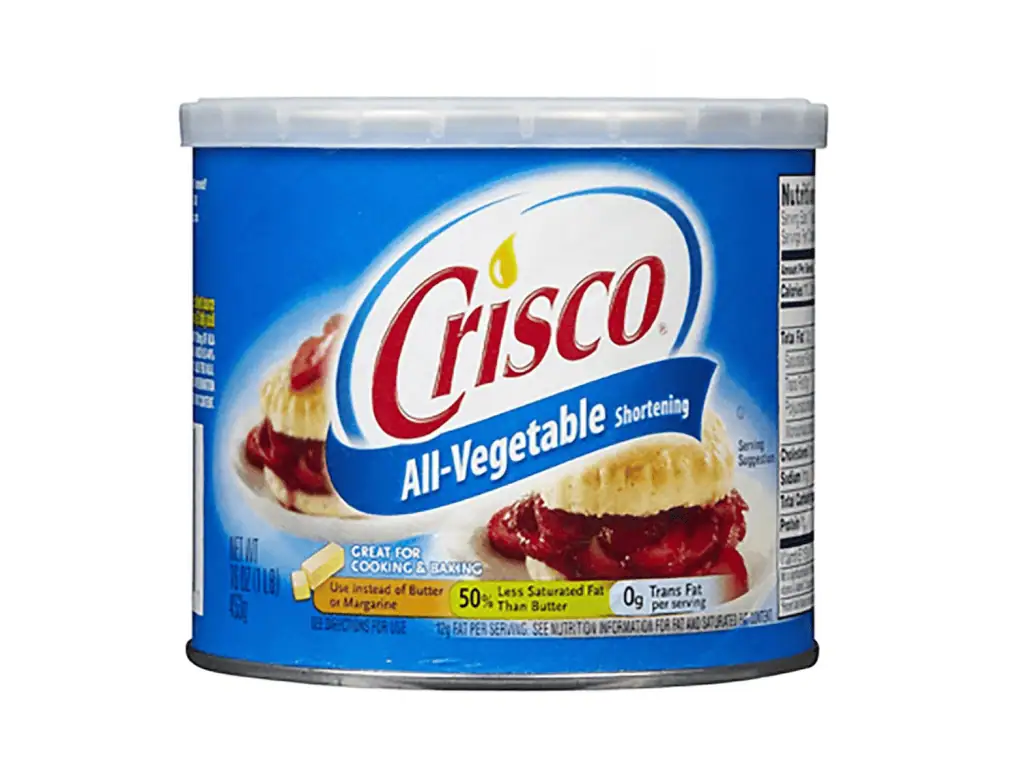
Long before olive oil became a pantry star, Crisco was the primary fat used for baking and frying in most homes. It was the secret to achieving those sky-high, flaky pie crusts and the perfectly golden fried chicken the decade was known for. Because it was shelf-stable and cheaper than butter, it was a practical choice for everyday cooking and heavy holiday baking. Housewives swore by its reliability, as it produced consistent results in everything from cookies to savory dinner rolls.
It was a symbol of the shift toward industrial food products that promised to make domestic life much easier. A giant tub of Crisco was a permanent fixture in nearly every American cupboard.
Tang Instant Breakfast Drink
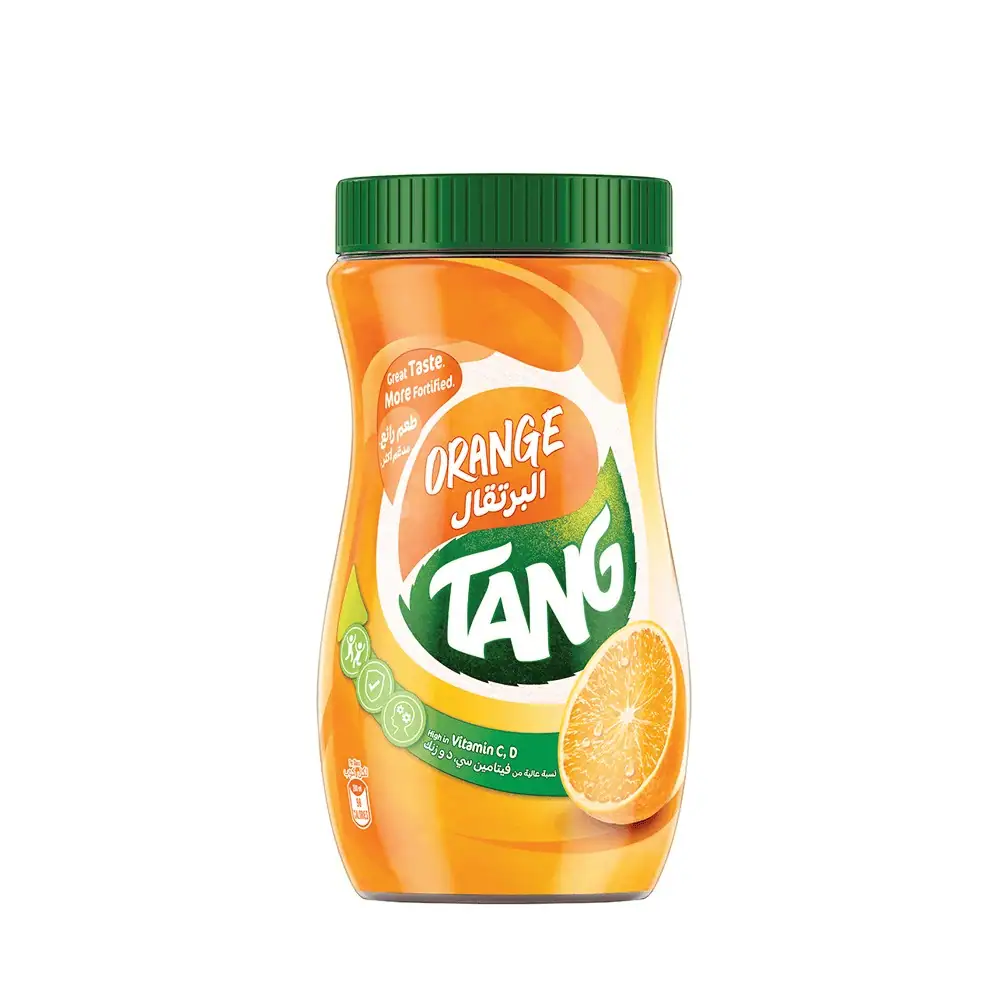
When Tang was selected by NASA for the Gemini space flights in 1965, its popularity on Earth absolutely skyrocketed. This powdered orange drink became a staple for busy mornings, promising a “space-age” boost of Vitamin C for the whole family. It was much faster than squeezing fresh oranges and cheaper than buying frozen concentrate from the grocery store.
Beyond breakfast, creative housewives even used the powder in “Russian Tea” mixes and certain citrus-themed cake recipes. It represented the 60s fascination with technology and the exciting future of space exploration. Having a jar of Tang in the pantry was a small way to bring the wonders of the moon landing home.
