
Forte Tea: The New Brew in the Market Plus Healthy Brewing Tools on Amazon
As more people reconsider their morning routines, tea is increasingly replacing coffee as a gentler way to start the day. Forte Tea, known for its premium whole-leaf blends and carefully curated flavor profiles, has emerged as a standout in this shift. While coffee remains widely consumed, some health professionals highlight tea’s lower caffeine content and antioxidant presence as appealing advantages. Beyond the leaves themselves, brewing technique plays a meaningful role. Pairing quality tea with appropriate tools can influence strength, clarity, aroma, and the overall drinking experience in subtle but noticeable ways.
Why Some Experts Prefer Tea Over Coffee
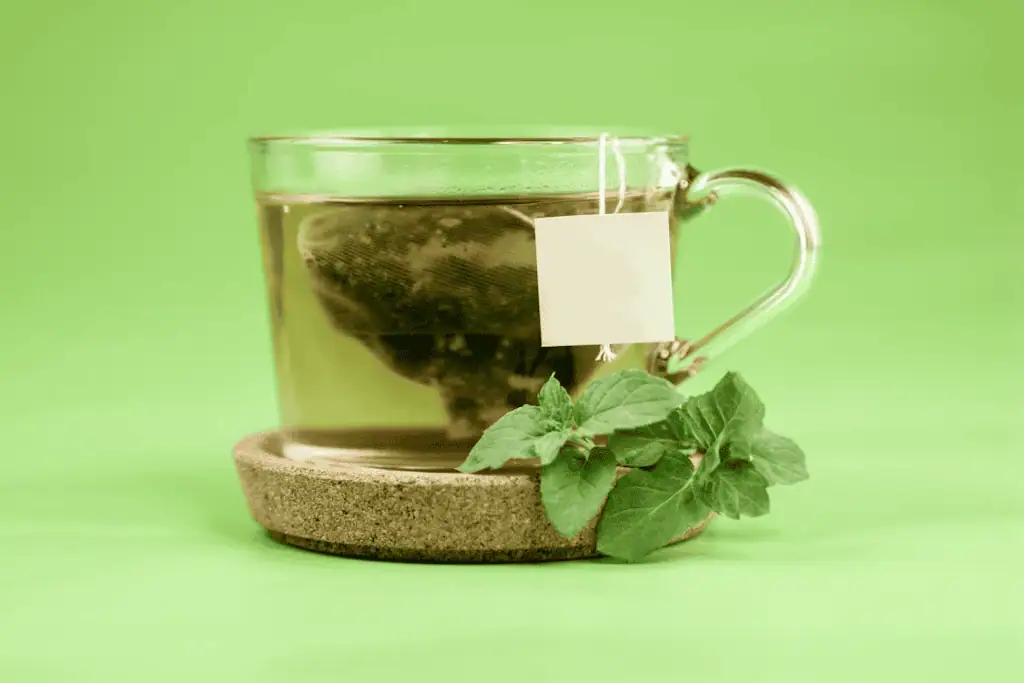
Certain health specialists, including gastroenterologists, often suggest tea as a milder alternative for individuals sensitive to acidity. Coffee’s higher acid levels can aggravate digestive discomfort in some people, particularly when consumed on an empty stomach. Tea, especially green, white, or herbal varieties, tends to be gentler while still offering moderate caffeine for alertness. Many teas also contain L-theanine, an amino acid associated with calmer, steadier focus. This combination can create a smoother energy curve compared to the sharper spike and crash some individuals report with coffee consumption.
What Makes Forte Tea Stand Out

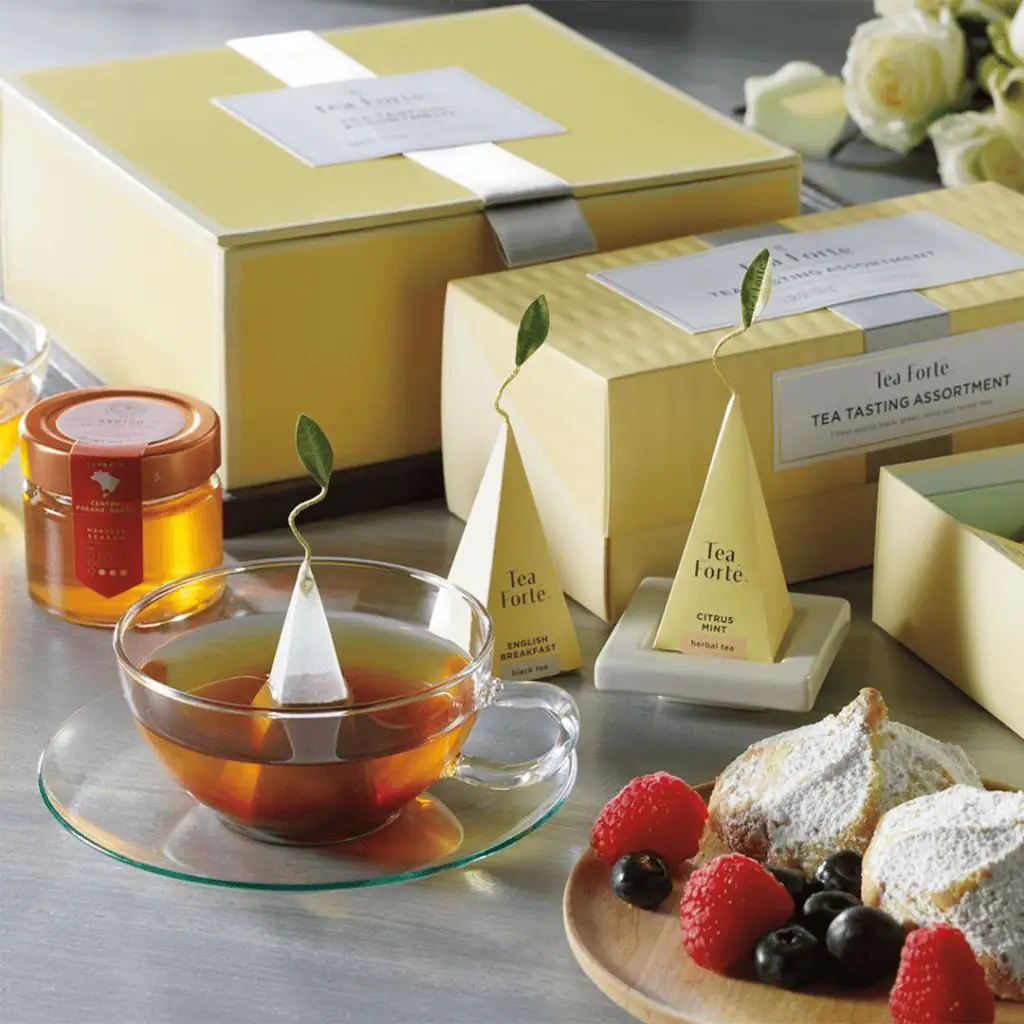
Forte Tea differentiates itself through whole-leaf blends, pyramid infusers, and flavor-focused sourcing. Unlike finely ground tea dust found in many standard bags, whole leaves have room to unfurl during brewing, allowing for more layered aroma and depth. The brand emphasizes curated combinations designed to balance body, fragrance, and finish. Presentation also plays a role, with packaging crafted to elevate the ritual of preparation. Although priced at a premium tier, the focus on leaf integrity and sensory detail aligns with growing consumer interest in making everyday beverages feel intentional and refined.
Brewing Temperature Matters
Water temperature significantly affects both flavor extraction and perceived smoothness. Green and white teas generally require lower temperatures to prevent bitterness, while black teas can tolerate near-boiling water without compromising balance. Excessively hot water can scorch delicate leaves and flatten subtle notes, reducing overall complexity. Using a temperature-controlled kettle allows for precision and repeatability, helping the leaves release flavor gradually and evenly. Attention to brewing details time, temperature, and leaf quantity ensures consistency and preserves the nuanced characteristics that distinguish high-quality tea from ordinary blends.
Choosing the Right Infuser
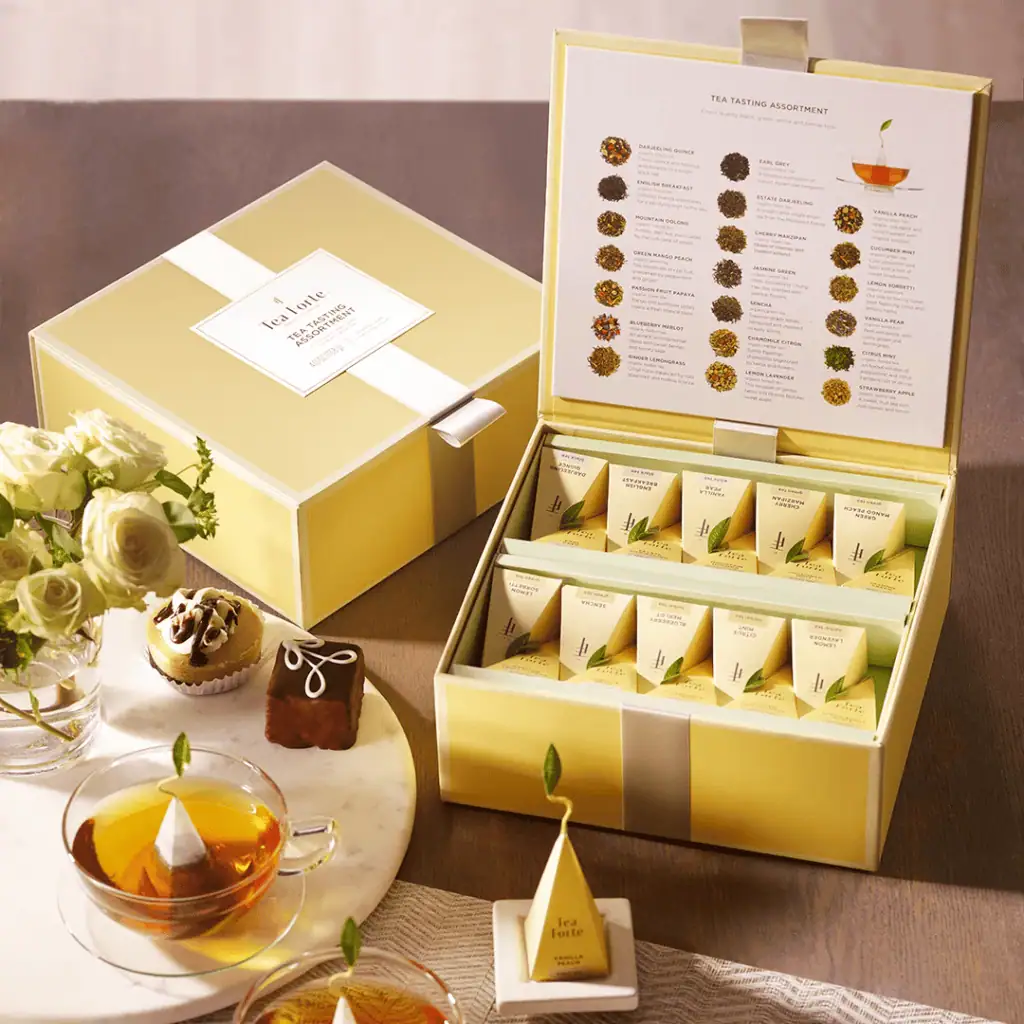
Selecting a well-designed infuser plays a significant role in flavor clarity and overall brewing quality. High-quality infusers give whole tea leaves enough room to expand fully, allowing for even extraction and reducing the risk of bitterness. Fine mesh stainless steel baskets or spacious pyramid-style bags generally outperform tightly packed traditional tea bags, which can restrict movement. When leaves have space to unfurl, their aroma and body develop more completely. In many cases, upgrading the infuser has a greater impact on taste than adding syrups or extra flavorings, making it a practical investment for better daily brewing.
Glass Teapots and Clean Brewing
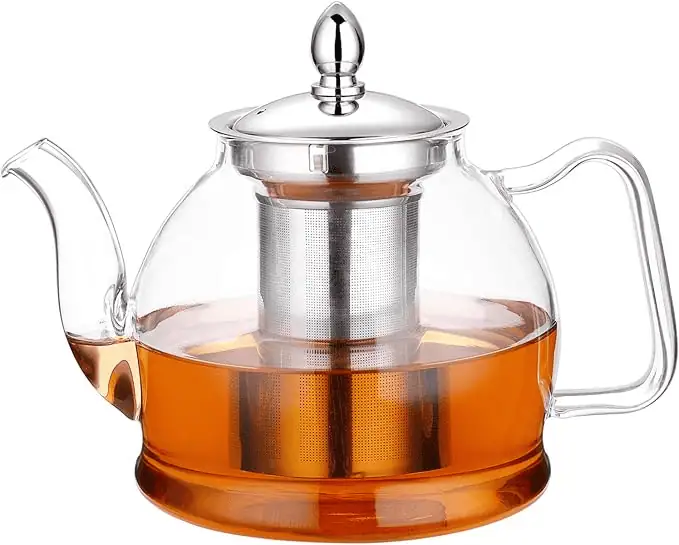
Glass teapots combine visual appeal with functional advantages. They allow drinkers to observe leaf expansion and color transformation during steeping, turning brewing into a more intentional ritual. Beyond aesthetics, glass does not absorb residual flavors the way some porous materials might, helping preserve the character of different blends. Stainless steel shares this neutral quality, supporting clean flavor transfer between brews. For those prioritizing purity and consistency, choosing materials that avoid coatings or lingering residue can enhance both taste and long-term brewing reliability.
Why Brewing Tools Matter
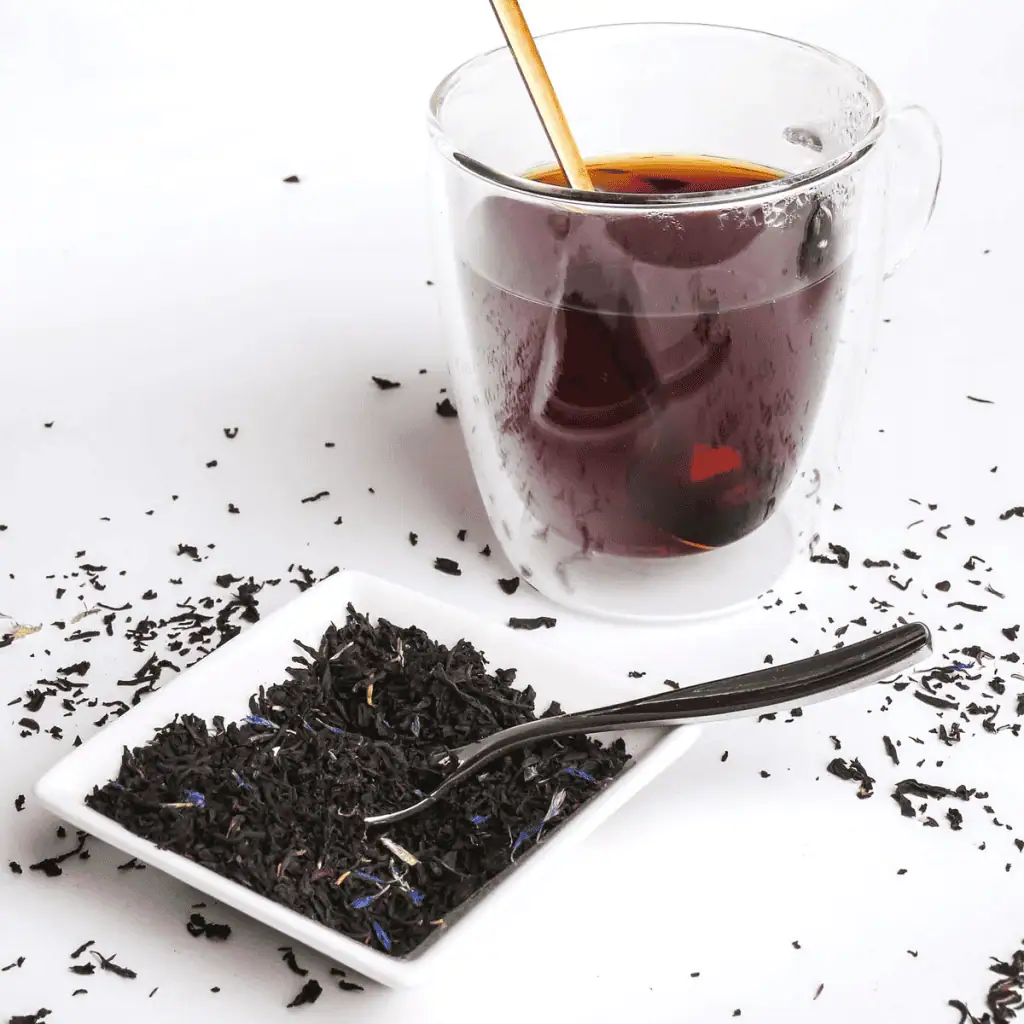
Tea’s flavor profile and potential wellness benefits depend partly on preparation technique. Over-steeping can draw out excessive tannins, creating bitterness, while under-steeping may limit both aroma and beneficial compounds. Simple tools such as timers, temperature-controlled kettles, and spacious infusers promote consistency without adding complexity. Precision helps prevent scorched leaves or uneven extraction. While the quality of the tea remains central to the experience, appropriate brewing equipment ensures that flavor depth and balance are fully expressed, making each cup more predictable and enjoyable.
