
The FDA Just Announced 2 Major Updates to Its Food Dye Policy: Here’s What to Know
The FDA’s latest updates on food dye policy mark a significant step for the food industry, affecting both manufacturers and consumers. By focusing on eliminating artificial colors and promoting natural alternatives, these changes aim to enhance food safety and transparency. This shift underscores growing consumer demand for clean labels and safer food choices, prompting important adjustments in how food products are made and labeled.
Redefining “No Artificial Colors”

With the redefined guidelines, foods labeled “no artificial colors” must now meet stricter criteria. This change ensures that products only use naturally derived dyes, eliminating synthetic counterparts. This adjustment not only fosters consumer trust but also requires food manufacturers to reevaluate ingredient lists and sourcing practices. For home cooks and conscious shoppers, this redefinition means greater assurance in the quality and authenticity of the products they choose.
FDA Approves New Natural Dyes

In an effort to support safer food coloring options, the FDA has approved new natural dyes extracted from plants like beetroot, spirulina, and turmeric. These dyes offer vibrant hues without compromising on health, appealing to producers aiming for naturally colorful presentations. Understanding these new approvals can help home cooks experiment with more wholesome alternatives in their own kitchens, enhancing both the aesthetic and nutritional value of their creations.
Why Shoppers Should Care

Consumers should pay attention to these updates because they influence the safety and transparency of their food choices. With heightened awareness of food additives’ potential health impacts, having definitive guidelines helps shoppers make better-informed decisions. This shift could lead to a broader industry trend toward cleaner labeling and products, aligning with consumer demands for more naturally sourced ingredients and elevated food safety standards.
How Food Makers Are Reacting

Food manufacturers are swiftly adapting to these regulations, innovating and investing in natural alternatives to maintain product appeal. This transition involves not only ingredient substitution but often reformulating recipes to ensure taste and appearance remain consistent. As companies navigate these adjustments, home cooks also gain the opportunity to explore more naturally tinted ingredients, aligning personal cooking practices with industry trends toward health-conscious consumption.
Impact on Synthetic Dye Phaseout
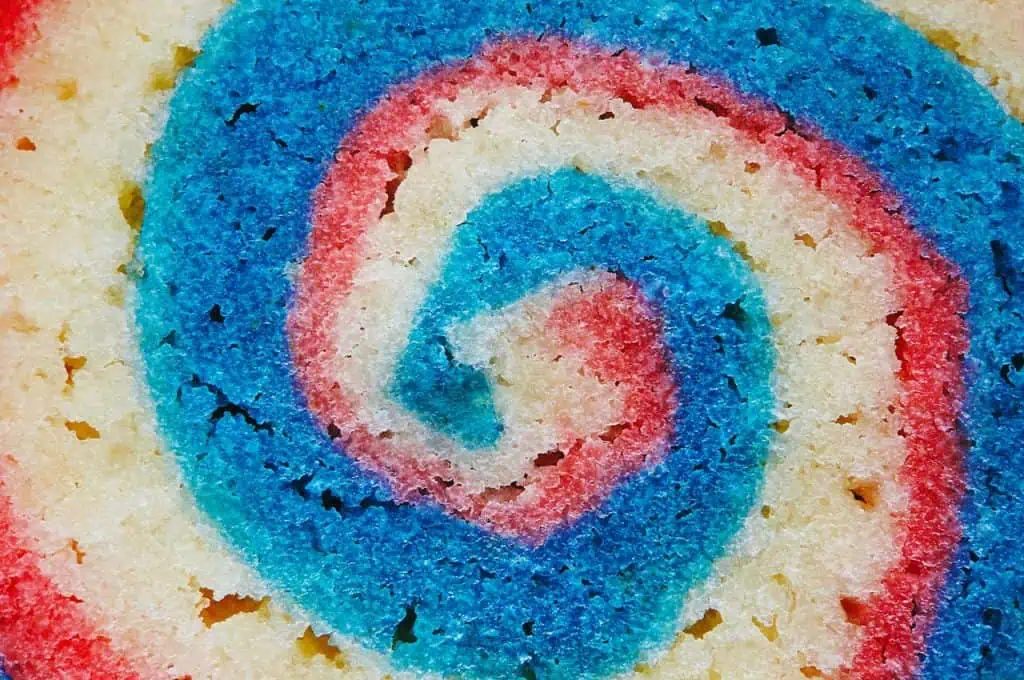
The FDA’s recent updates regarding food dyes aim to phase out certain synthetic colors. This move impacts both manufacturers and home cooks focusing on mindful consumption. Synthetic dyes, often derived from petroleum, have been scrutinized for potential health effects, prompting a shift towards natural alternatives. Transitioning to options like beet juice for red or turmeric for yellow can enhance the quality and perception of food products. Understanding these changes can help consumers and chefs adapt, ensuring dishes maintain their visual appeal without compromising safety or dietary preferences.
