
5 U.S. Foods Most Parents Don’t Realize Are Banned in Other Countries
Many foods American families see as ordinary are regulated far more cautiously in other parts of the world. Outside the U.S., regulators often take a stricter stance on additives, processing shortcuts, and potential long-term health effects, especially when products are marketed to children. Instead of assuming ingredients are harmless until proven dangerous, many countries apply a precautionary approach that limits or flags questionable practices early. These differences can be surprising for parents who assume food standards are universal. In reality, what’s normal in one grocery aisle may be restricted, relabeled, or reformulated entirely just across a border.
Artificial Food Dyes in Kids’ Foods

Brightly colored cereals, candies, and snack foods in the U.S. often rely on synthetic dyes such as Red 40, Yellow 5, and Yellow 6. These additives are approved by U.S. regulators, but several other countries require warning labels or restrict their use due to concerns about potential behavioral effects in children. In parts of Europe, manufacturers frequently reformulate the same products to avoid artificial dyes altogether. This means identical brands can look dramatically different overseas. Many parents are surprised to learn that colors they see as normal at home are treated with far more caution elsewhere.
Processed Cheese Slices
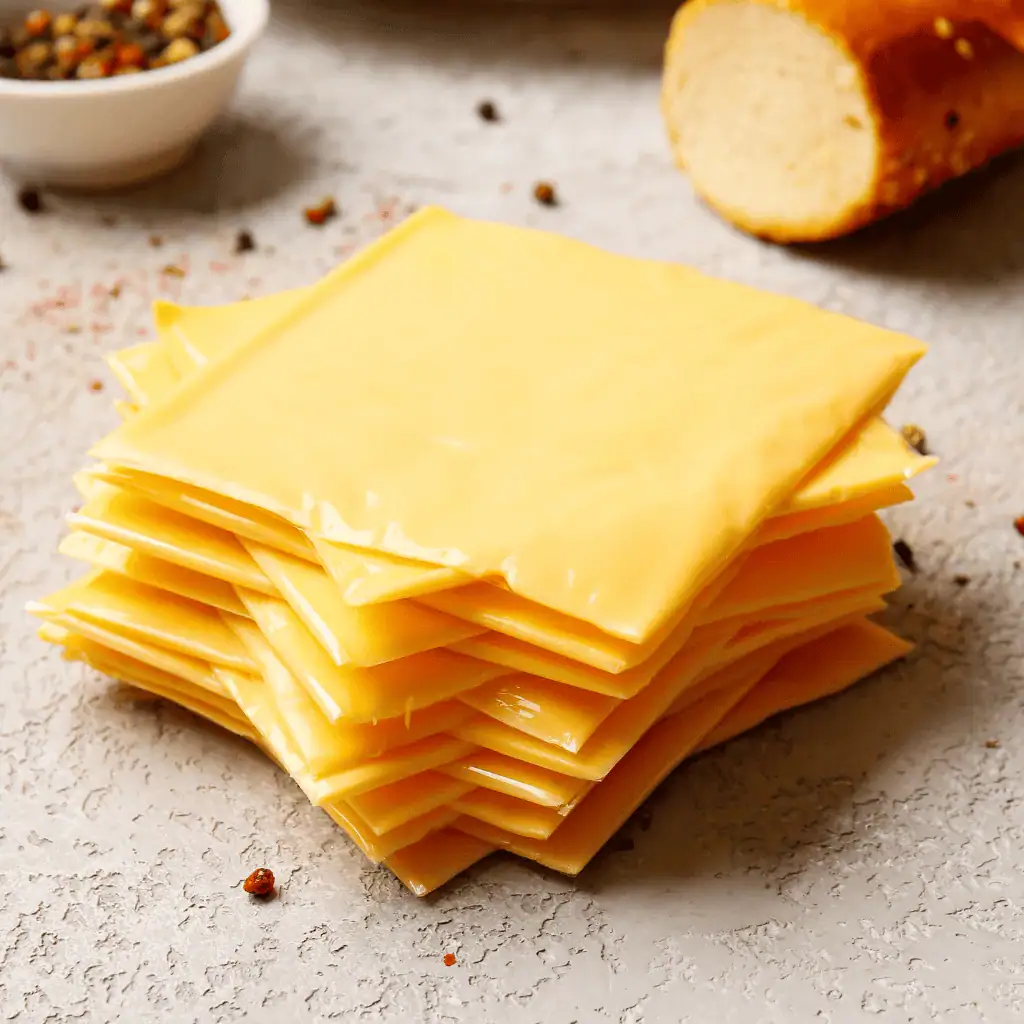
Individually wrapped cheese slices are common in American lunchboxes, but in many countries, they aren’t legally classified as cheese at all. The emulsifiers and additives that give these slices their uniform meltability and long shelf life push them outside traditional dairy definitions. As a result, some regions require different labeling or restrict their use in school meals. Parents accustomed to seeing these products as simple, kid-friendly dairy foods are often surprised to learn how they’re regulated abroad. The difference highlights how food categories can change dramatically depending on national standards.
Chicken Treated With Chlorine Washes
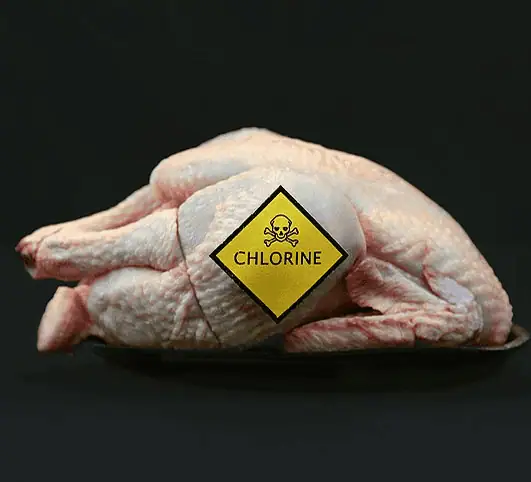
In the United States, poultry is often treated with antimicrobial washes, including chlorine-based solutions, to reduce bacteria after processing. U.S. regulators consider this practice safe and effective. However, several countries ban chlorine-washed chicken, arguing it compensates for weaker hygiene controls earlier in production. Those nations prefer stricter standards at the farm and slaughter level instead of chemical interventions at the end. This regulatory divide explains why American chicken is sometimes restricted in international trade. For consumers, it reveals how different systems prioritize food safety at very different stages of production.
Sports Drinks Marketed to Children

In the U.S., sports drinks are aggressively marketed to kids and teens as everyday hydration, often tied to school sports, energy, and health. Bright packaging and athlete endorsements frame them as beneficial rather than optional. In many other countries, these drinks are treated very differently. Due to high sugar levels, artificial colors, and unnecessary additives for non-athletes, they’re restricted, discouraged, or grouped with soft drinks. Outside the U.S., sports drinks are typically recommended only for intense athletic activity, not daily consumption. This contrast surprises many parents who assume these beverages are universally considered healthy.
Packaged Breads With Dough Conditioners

Many packaged breads in the U.S. rely on dough conditioners and additives to extend shelf life and maintain softness. Some of these ingredients are restricted or banned in other countries due to potential health concerns. As a result, bread abroad often has shorter ingredient lists and spoils faster. While American consumers are used to bread lasting weeks, other countries accept shorter freshness windows in exchange for simpler formulations. Parents traveling internationally often notice this immediately bread tastes different, molds sooner, and feels less processed. The difference highlights how convenience and longevity are prioritized very differently across food systems.
