
10 Countries Ranked From Safest to Riskiest for Food hygience & allergies
Food safety goes far beyond clean kitchens or fresh ingredients. It depends on how inspection systems are enforced, how well staff are trained, how clearly allergens are labeled, and whether violations carry real consequences. These factors shape everyday dining far more than menus do. For travelers and especially for families managing food allergies, the differences between countries can be critical. Some places prioritize transparency and accountability, while others rely heavily on informal practices. Based on global food-safety reputation, regulatory strictness, and allergy awareness, countries tend to fall into broad tiers from those known for rigorous standards to those where hygiene and allergen handling are far less consistent.
Japan
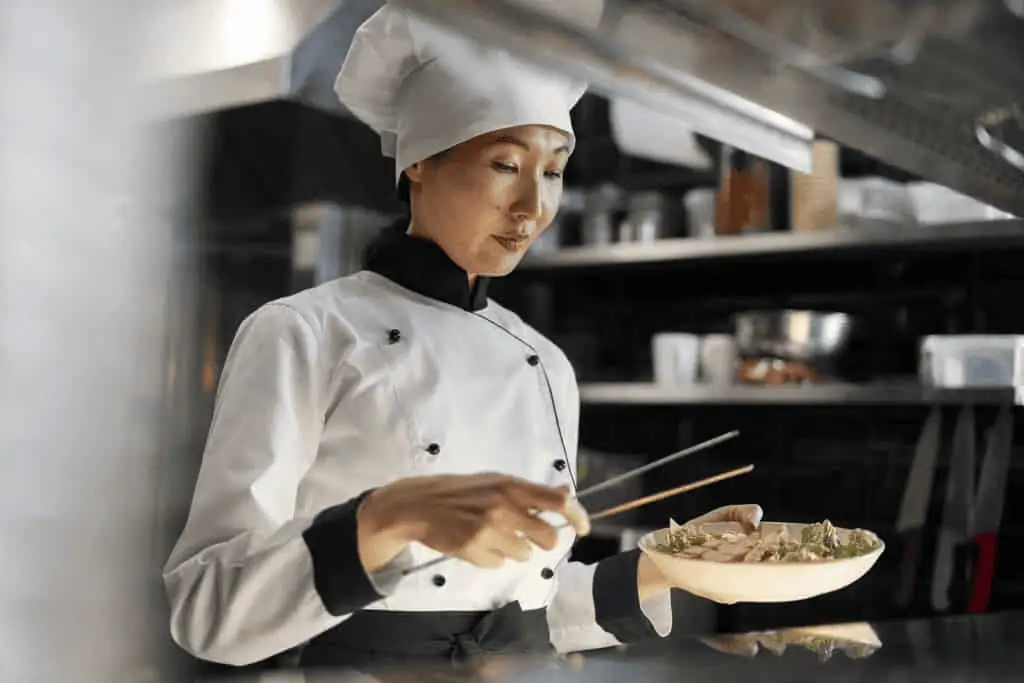
Japan is widely considered the global benchmark for food hygiene and contamination control. Cleanliness is embedded culturally as well as enforced through regulation, meaning high standards apply everywhere from fine dining to convenience stores. Food handling protocols are strict, temperature control is meticulous, and violations are rare and taken seriously. Allergy awareness has improved steadily, with packaged foods clearly labeled and common allergens disclosed. While restaurant communication may vary, overall systems are exceptionally disciplined. For travelers concerned about hygiene and food safety, Japan consistently ranks among the safest places to eat.
Sweden
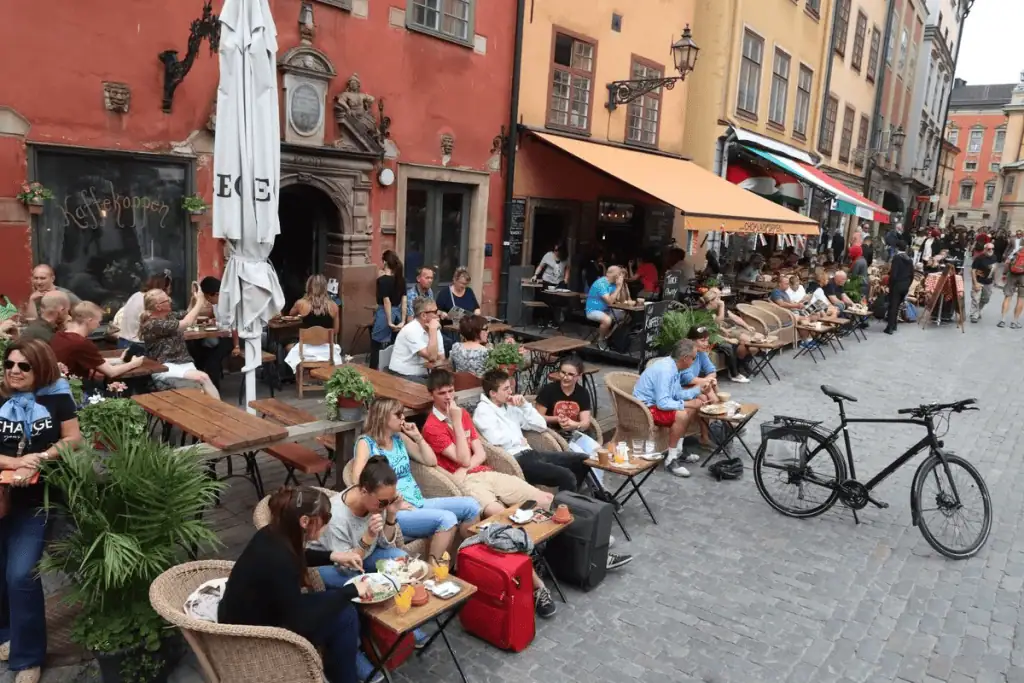
Sweden pairs strict regulation with high public trust, creating a food-safety environment that’s both rigorous and transparent. Restaurants undergo frequent inspections, allergen disclosure is mandatory, and staff training follows standardized guidelines. Cross-contamination is actively addressed, particularly in schools, hospitals, and public institutions. Consumers expect accuracy, and violations carry consequences. Allergy awareness is strong, and menus often include clear allergen information. Sweden’s approach emphasizes prevention rather than reaction, making it especially reassuring for families, children, and travelers managing food sensitivities or medical dietary needs.
Germany

Germany enforces food safety with a reputation for precision and consistency. Hygiene inspections are routine, documentation is thorough, and ingredient transparency is taken seriously. Allergen labeling follows strict European Union standards, ensuring predictable disclosure across packaged foods and menus. While German cuisine itself tends to be straightforward, systems behind the scenes are reliable and structured. Food businesses face clear expectations and real penalties for noncompliance. For visitors, this means fewer surprises and a high degree of confidence that hygiene rules and allergen regulations are being followed consistently.
Canada
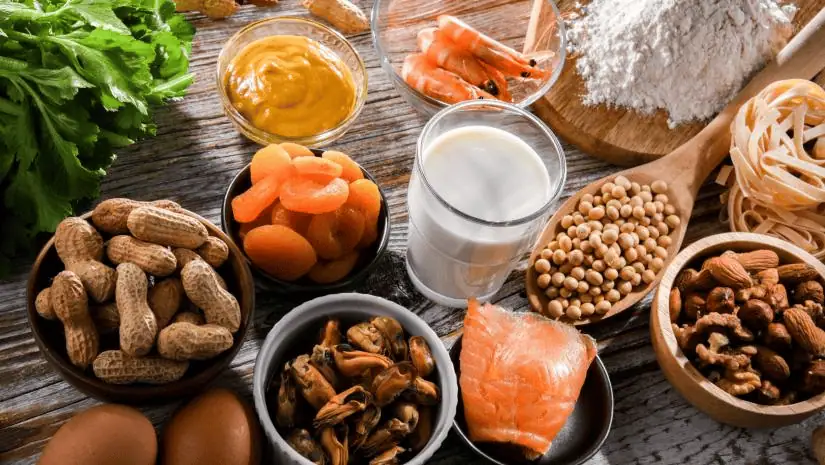
Canada ranks high globally for allergen awareness and regulatory enforcement. Packaged foods are required to clearly label major allergens such as peanuts, dairy, gluten, and shellfish, and restaurant staff are generally trained to respond to allergy related requests. Laws obligate restaurants to accommodate allergies when possible, and hygiene enforcement is consistent across provinces. Public health agencies conduct inspections regularly, and violations are documented transparently. For families managing food allergies, Canada offers a relatively predictable and safety focused dining environment compared to many other countries.
United Kingdom
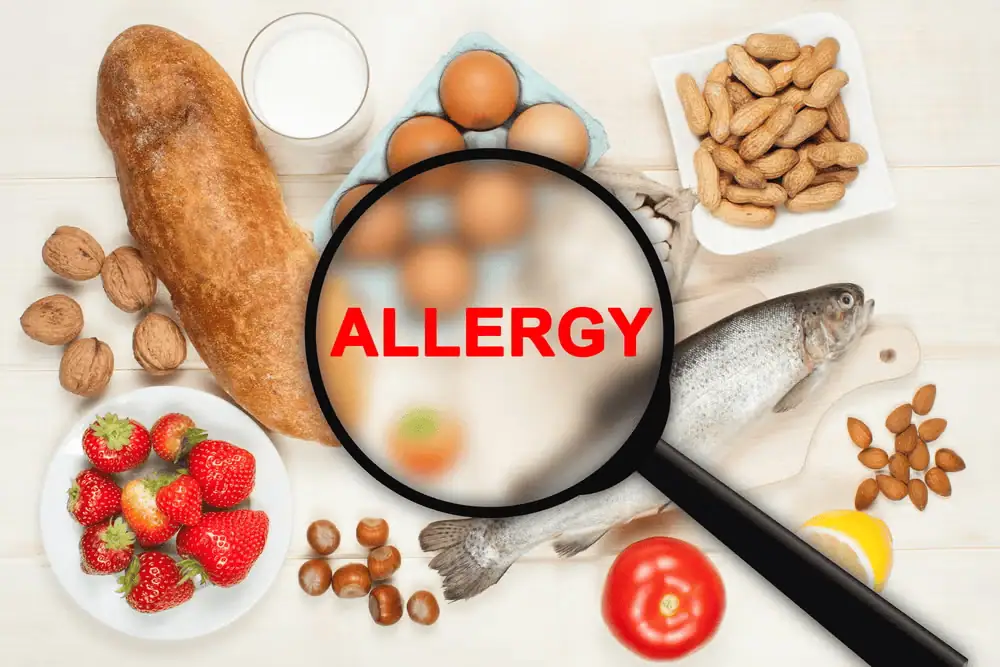
The UK has become one of the strictest countries in the world when it comes to allergen regulation, largely due to high-profile food allergy fatalities that reshaped national policy. Restaurants are legally required to clearly disclose allergens on menus, and enforcement is taken seriously. Hygiene standards are generally strong, supported by regular inspections and public hygiene ratings. However, compliance can still vary by establishment, particularly between chains and small independents. Overall, the UK offers a high level of transparency and accountability, making it relatively safe for diners with allergies especially those who ask questions and follow posted guidance.
United States
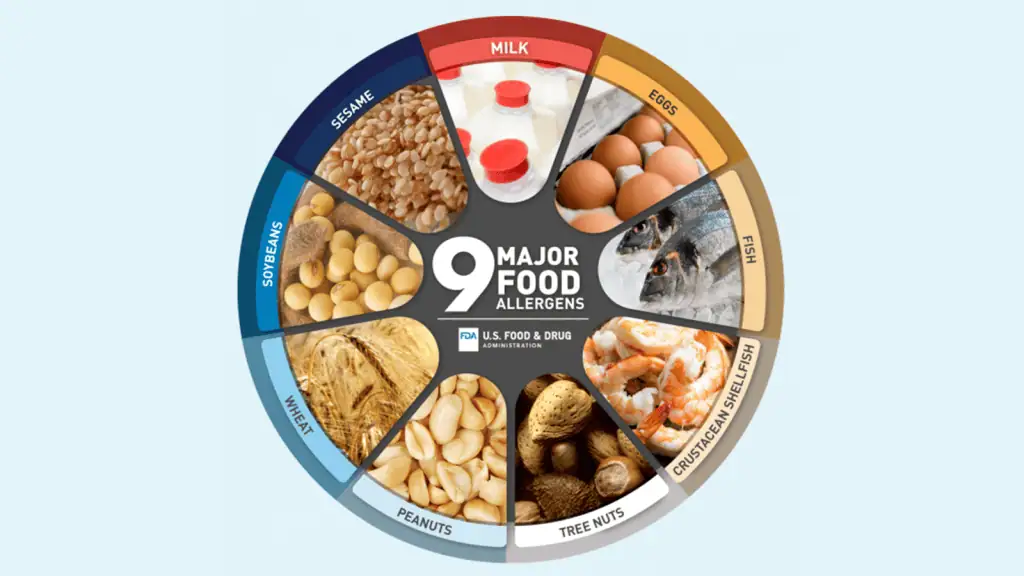
The United States sits in a complicated middle position. Food science, inspection frameworks, and allergen labeling on packaged foods are advanced and comprehensive. However, enforcement and restaurant practices vary widely by state, county, and even individual location. Some establishments are extremely careful with hygiene and allergies, while others are inconsistent, particularly in fast-casual or understaffed settings. Allergy accommodation exists but isn’t uniformly reliable. For travelers and families with sensitivities, safety often depends less on national standards and more on local enforcement, staff training, and how seriously individual restaurants treat food handling.
Italy
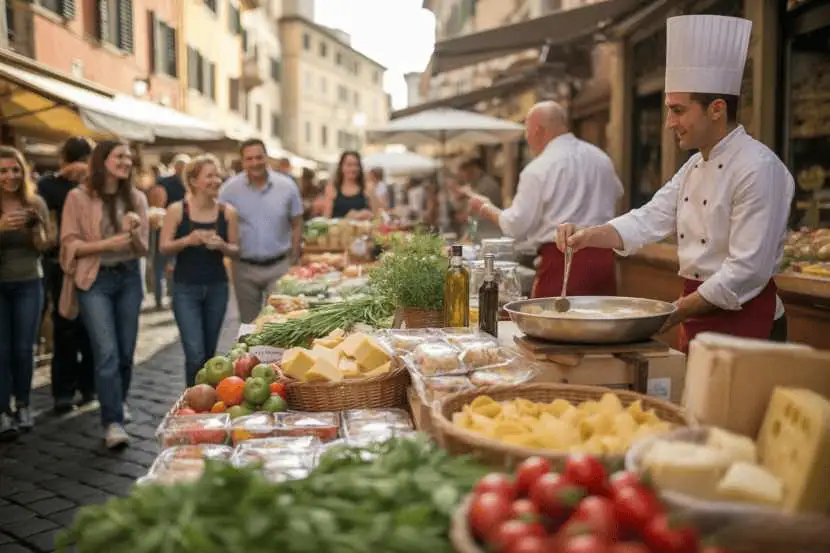
Italy prioritizes freshness, tradition, and regional cooking, which often results in high-quality ingredients and good general hygiene. However, allergen awareness is uneven, especially outside major cities or in small, family-run restaurants. Cross-contamination risks can be higher for people with severe allergies, as kitchens may rely on shared tools and surfaces. While packaged foods follow EU labeling rules, restaurant communication about allergens isn’t always proactive. For most diners, Italy feels safe and nourishing but those with serious allergies need to be cautious, ask detailed questions, and avoid assuming accommodations are automatic.
Mexico
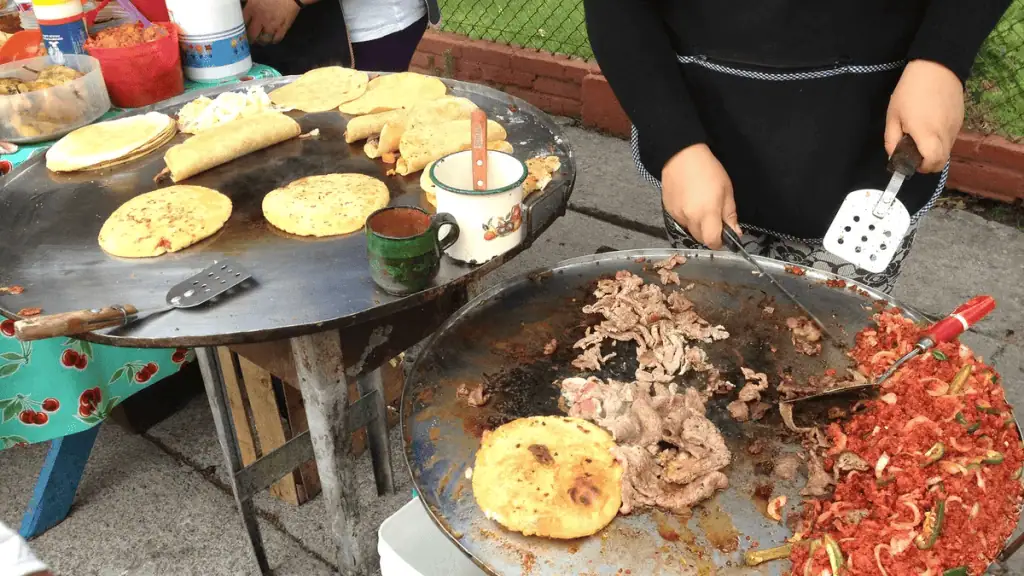
Mexico’s food culture is rich, vibrant, and deeply tied to street and small-scale cooking but food safety enforcement is inconsistent. High-end restaurants and tourist-facing establishments often maintain strong hygiene standards, while informal street food varies widely by vendor and location. Allergen labeling is limited, and staff training around allergies is not standardized. For most people, foodborne illness risk depends on where and what they eat rather than national regulations. Travelers with food allergies or sensitive digestion should exercise caution, prioritize reputable establishments, and recognize that incredible flavor often comes with higher variability in safety practices.
India
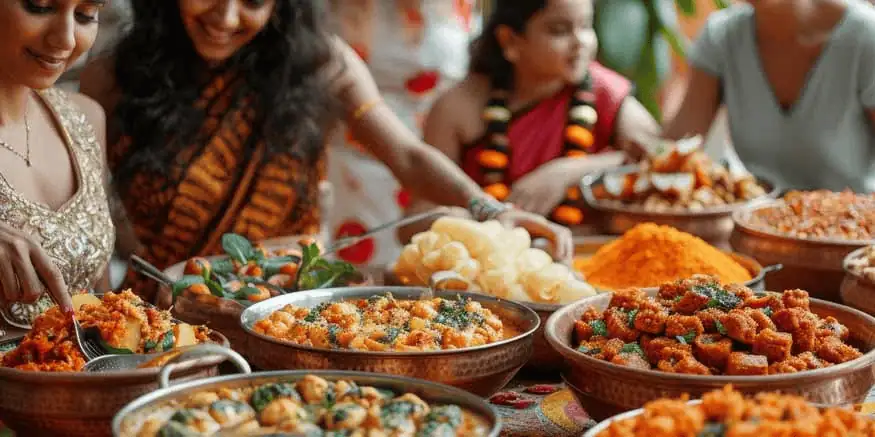
India’s food culture is diverse, vibrant, and deeply regional but hygiene and allergen handling vary dramatically. Cross-contamination is common due to shared preparation surfaces, oils, and utensils, especially in small restaurants and street food settings. Allergen disclosure is minimal, and staff training around food allergies is inconsistent. Enforcement of food-safety rules differs widely by city and region, with limited oversight in informal settings. While many people eat safely every day, travelers with allergies face higher risk without local knowledge or guidance. Caution, familiarity, and choosing reputable establishments are essential rather than optional.
Indonesia
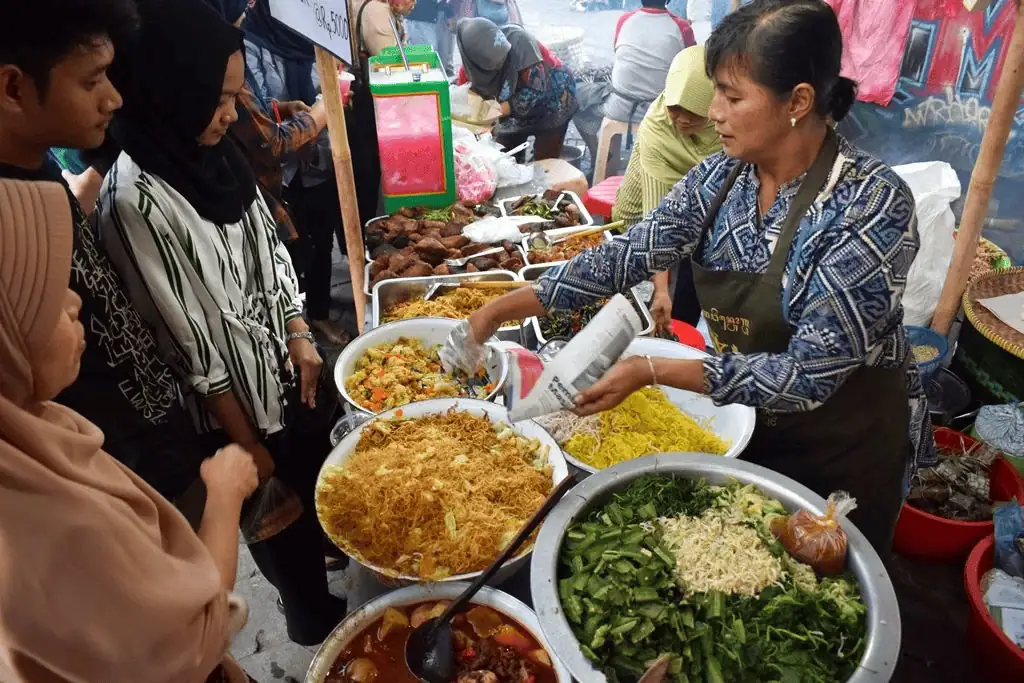
Indonesia’s food scene is rich and flavorful but heavily reliant on informal vendors and small-scale operations. Inspection systems are limited, hygiene standards vary widely, and shared preparation spaces are common. Allergen awareness is generally low, and packaged food labeling is inconsistent or absent. Cross-contamination risks are high, particularly for peanuts, shellfish, and sauces made in bulk. While careful choices can reduce risk, system-level protections are minimal. For travelers with food allergies or sensitivities, Indonesia requires extra vigilance, clear communication when possible, and an understanding that safety often depends on individual vendors rather than regulation.
