
5 of the Strangest Food History Books Ever Written
Food history isn’t always comforting or practical. Some of the most intriguing books about eating were written with motives that now feel eccentric, obsessive, or wildly out of sync with modern sensibilities. These works treat food as moral instruction, scientific experiment, social hierarchy, or philosophical statement. What makes them strange isn’t just the ingredients or recipes, but the seriousness with which authors approached ideas that now seem oddly specific or misplaced. Together, these books show how deeply food once intersected with belief systems, class anxiety, and curiosity, often in ways that feel genuinely baffling today.
Acetaria: A Discourse of Sallets
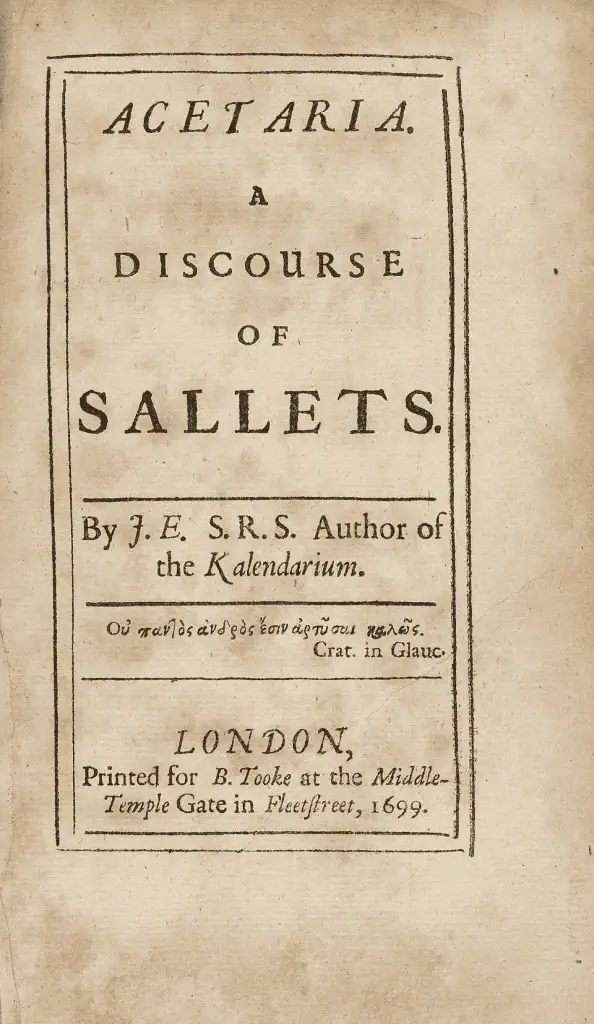
Written in the late 17th century by John Evelyn, Acetaria is essentially a philosophical argument in favor of salads. Evelyn wasn’t just cataloging vegetables; he framed raw greens as morally virtuous, medically superior, and intellectually refined. At a time when elite diets centered on heavy meats and cooked dishes, dedicating an entire book to uncooked plants was borderline radical. The tone is intensely earnest, bordering on fixation, as Evelyn links lettuce to discipline, longevity, and civilized behavior. What makes the book strange today is its seriousness: a near-spiritual devotion to salads as a marker of higher thinking and moral order.
The Forme of Cury
Compiled by chefs working for the English royal court in the 14th century, The Forme of Cury feels less like a cookbook and more like a coded manuscript. Measurements are vague or nonexistent, instructions assume deep prior knowledge, and many ingredients are unfamiliar to modern readers. Sweet and savory are freely combined in meat cooked with sugar, spices used in ways that now feel disorienting. The strangeness isn’t incompetence; it’s cultural distance. The book reveals a medieval palate shaped by status, preservation needs, and symbolic excess. Reading it today highlights just how dramatically taste, technique, and expectation have shifted over centuries.
Consider the Fork
This modern food history book takes an unusually indirect approach by focusing not on dishes or cuisines, but on the tools that made them possible. Forks, knives, ovens, refrigerators, and even iceboxes become the protagonists, shaping how people cooked, ate, and lived. Written by Bee Wilson, the book treats everyday objects as historical turning points. What makes it strange is its intimacy, mundane hardware is elevated to a cultural force. It proves that food history isn’t driven only by hunger or taste, but by technology hiding in plain sight.
How to Milk an Almond
This book dives into medieval and Renaissance cooking techniques that feel deeply strange today. It documents elaborate food illusions: almond “milk” used as a dairy substitute, fake eggs molded from fish, and meatless dishes crafted to look indulgent during religious fasts. These foods weren’t about practicality; they were status symbols, designed to impress through deception and labor. The strangeness lies in the effort. Enormous skill went into making food that intentionally misled the eye. The book reveals a food culture obsessed with symbolism, display, and intellectual play rather than efficiency or nourishment.
Mrs Beeton’s Book of Household Management
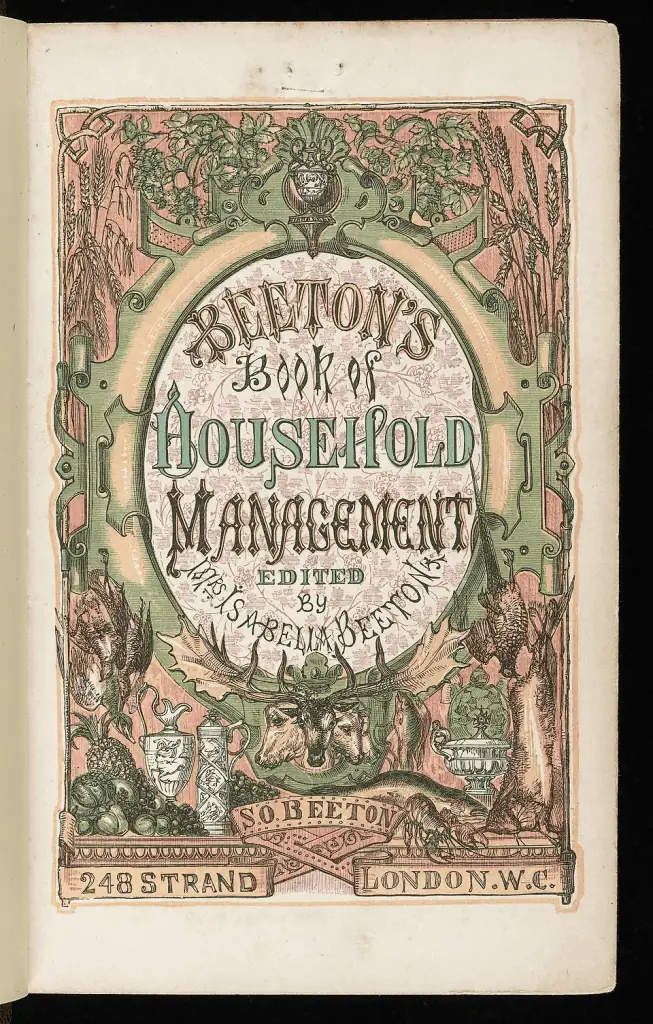
Published in the Victorian era, this book is unsettling because it extends far beyond cooking. Alongside recipes, Isabella Beeton laid out rigid rules for running a household, managing servants, and defining women’s roles. Food became a vehicle for discipline, order, and class hierarchy. The tone is authoritative to the point of severity, presenting domestic life as a moral obligation rather than a personal choice. What makes the book strange isn’t the recipes themselves, but how eating was embedded into social control, obedience, and rigid expectations disguised as guidance.
