
Restaurant workers say these 7 menu items are quietly disappearing and most diners haven’t noticed
As dining trends evolve, many classic menu items are quietly transforming or disappearing from restaurants. These changes often go unnoticed by diners who may not immediately recognize the subtle shifts in presentation or preparation. While some dishes are becoming simplified, others are being reimagined to fit modern tastes and efficiencies in the kitchen. Here, we explore a few staples that have been altered, highlighting what has been quietly left behind and offering tips for recreating these traditional favorites at home.
Caesar Salad: Losing Anchovies

The iconic Caesar salad is facing a subtle ingredient tweak, as anchovies are being quietly omitted in many restaurants. Traditionally, these small, salty fish are an essential component, providing depth and umami to the dressing. Without them, the salad’s complex flavor may feel flat. When making a Caesar at home, ensure you include high-quality anchovies. Mince them finely, blending them into the dressing for a more subtle integration. They perfectly balance the garlic, lemon, and Parmesan, transforming a simple salad into something spectacular.
French Onion Soup: Where’s the Beef?
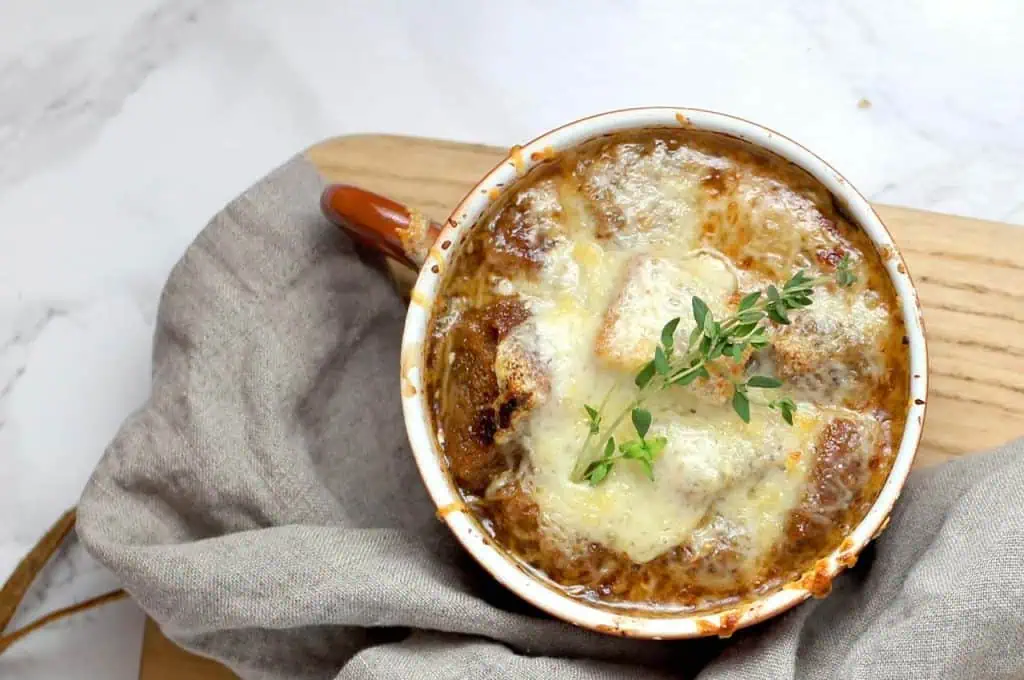
Once a rich, beefy staple of French cuisine, French onion soup now often relies on weaker broths. Without the robust flavor that a homemade beef stock provides, the dish loses its depth and savory richness. To enhance your version at home, slowly caramelize onions to their golden peak, adding homemade beef stock to capture that traditional flavor. A touch of sherry can add complexity, while a topping of crusty bread and melted Gruyère ensures the classic taste is maintained. The result is a soup that comforts and satisfies as it should.
Steak Diane: Where’s the Show?
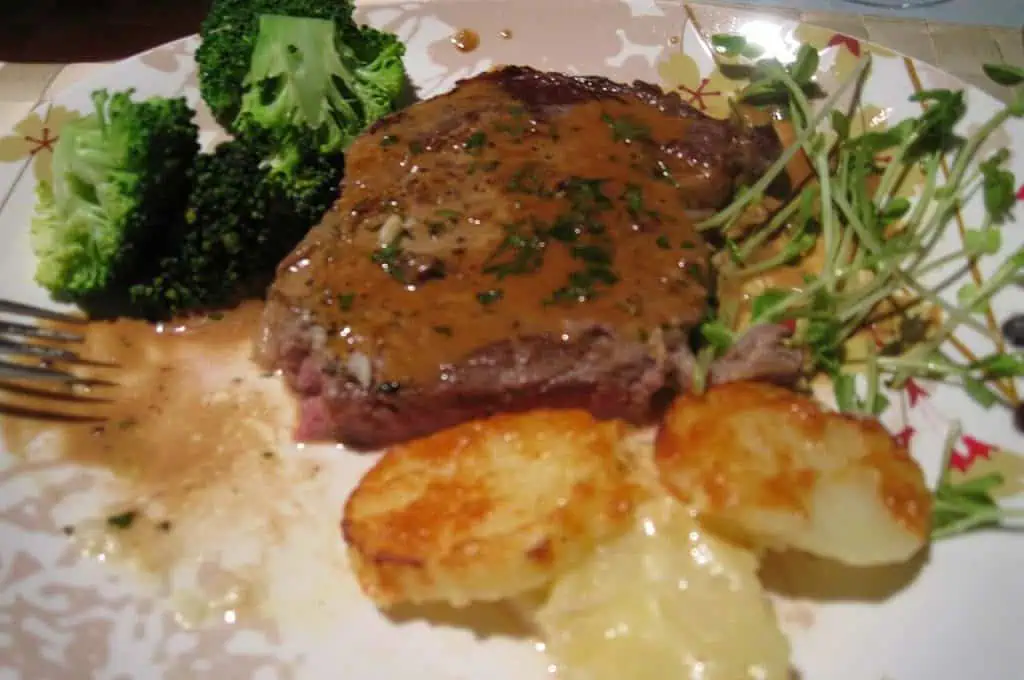
Steak Diane, once renowned for its tableside flambé, is losing its theatrical flourish in modern kitchens. This dish’s signature was its grand presentation, with flames that captivated diners. To resurrect this experience at home, prepare a sauce with cognac for depth, careful to incorporate Dijon mustard and Worcestershire sauce for tang and earthiness. Carefully flambé the cognac for drama and flavor—as safety allows. Serve immediately, letting the rich, velvety sauce elevate the steak. This blend of flavors is sure to impress.
Bread Service: Missing Butter & Oil

The once-standard bread service in restaurants is seeing a cutback, often lacking the accompanying butter or olive oil. This change impacts the initial dining experience as these elements add welcoming flavor and texture. When preparing a bread course at home, choose a variety of breads, pairing with high-quality butter or a well-flavored olive oil. Add a sprinkle of sea salt or a drizzle of balsamic vinegar for additional appeal. This allows the simple act of breaking bread to become inviting and indulgent, setting the tone for the meal to follow.
Pâtés & Terrines: Fading Delicacies

Pâtés and terrines, once the star appetizers of fine dining, are gradually vanishing from menus. These classic dishes require precision in layering flavors and achieving smooth textures, often involving liver, game meats, and finely ground proteins. To prepare them successfully, pay attention to the balance of spice and acidity, which can elevate the richness of the meats. A terrine should showcase a mosaic-like cross-section, achieved by carefully lining the mold with overlapping layers of cured meats or vegetables. The slow cooking process in a bain-marie maintains moisture and ensures even cooking, creating a delicate yet flavorful result.
Chicken Tenders: Not So Scratch Made
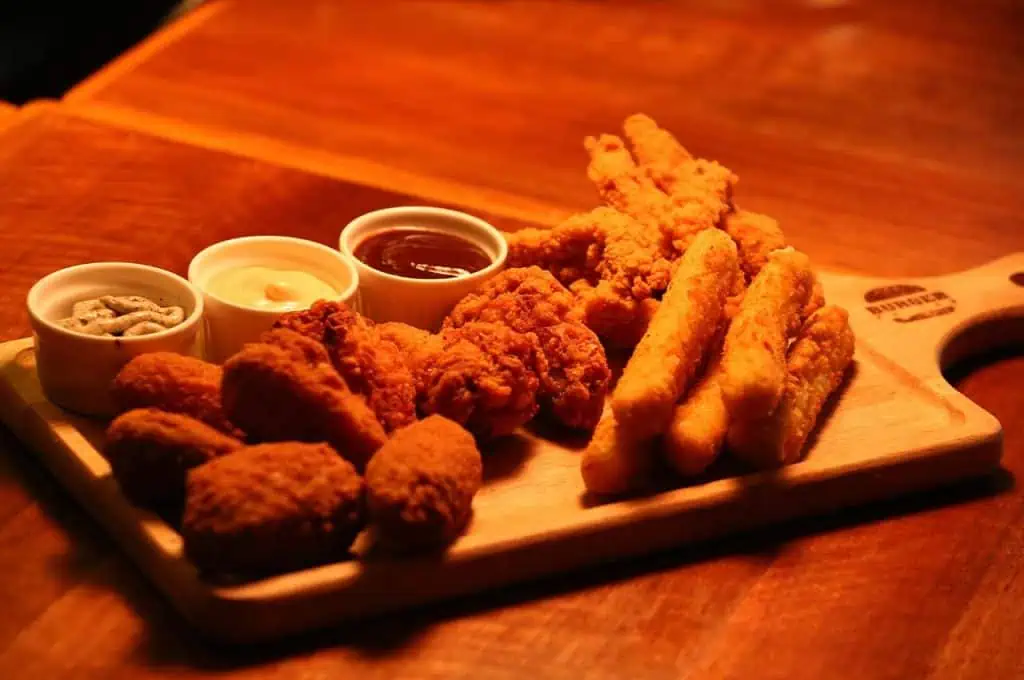
Chicken tenders, while a perennial favorite, are increasingly replaced by frozen, pre-battered varieties in many kitchens. To achieve a homemade taste, focus on fresh ingredients and effective breading techniques. Start by marinating the chicken in buttermilk or seasoned brine to infuse moisture and flavor. For a superior crust, dredge in seasoned flour, then dip in beaten eggs before coating with panko breadcrumbs for extra crunch. Fry in small batches at a consistent temperature to maintain crispiness without overcooking. This method brings back the genuine warmth and texture that make this dish memorable.
Rice Pilaf: The Vanishing Side Dish

Rice pilaf, a versatile and once-popular side, is quietly disappearing from modern menus. Its appeal lies in the aromatic infusion of flavors. Begin by sautéing onions and garlic until translucent, then toast the rice lightly to enhance its nutty profile. Adding hot stock gradually, rather than all at once, allows the rice to absorb flavor efficiently while maintaining grain integrity. A final resting period, covered, lets the pilaf steam, ensuring each grain remains distinct and fluffy. These steps transform simple rice into a sophisticated accompaniment, highlighting technique over elaboration.
