
5 Food Trends That Are Set to Dominate 2026, According to Food & Wine
Food trends heading into 2026 are moving away from shock value and viral spectacle. According to reporting and editor insights from Food & Wine, the next wave reflects how people actually live now, busier routines, tighter budgets, and a desire for food that feels grounding rather than performative. Instead of extremes, the focus is shifting toward balance, intention, and emotional satisfaction. These trends prioritize practicality, cultural depth, and thoughtful execution over novelty. What emerges is a quieter food culture, where confidence shows through simplicity and meals are designed to fit real life, not just social media feeds.
Ingredient Restraint Over Overloaded Plates
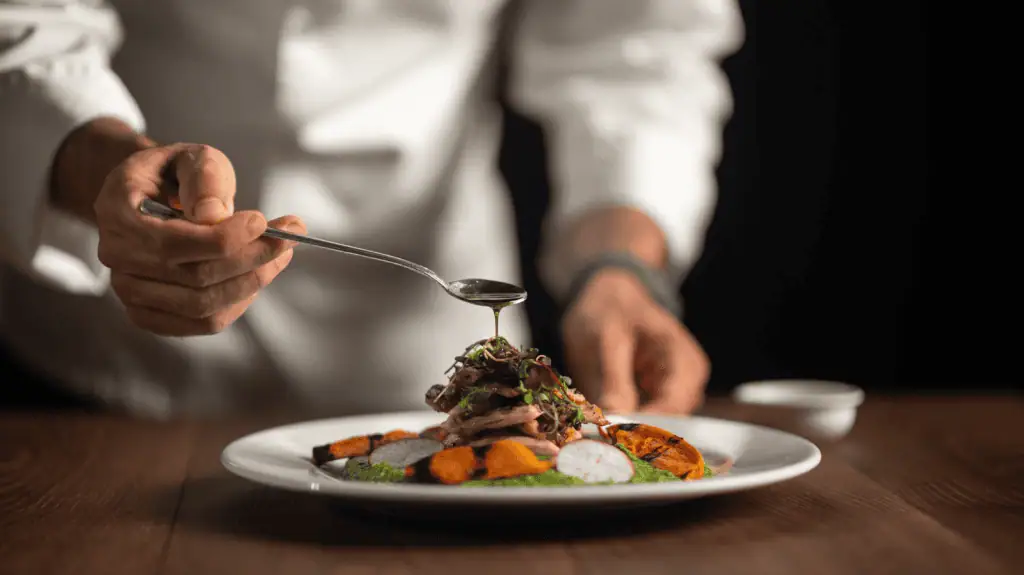
Menus are steadily moving away from maximalist plates crowded with sauces, garnishes, and competing textures. Chefs are instead narrowing their focus to fewer ingredients, handled with greater precision and respect. Food & Wine notes that this restraint signals confidence, allowing one or two flavors to fully carry a dish rather than masking them with excess. The trend emphasizes quality sourcing, proper seasoning, and careful technique. Plates feel calmer and more intentional, appealing to diners fatigued by visual overload. In 2026, simplicity isn’t seen as minimal; it’s seen as mastery.
Global Comfort Food, Not Fusion for Fusion’s Sake
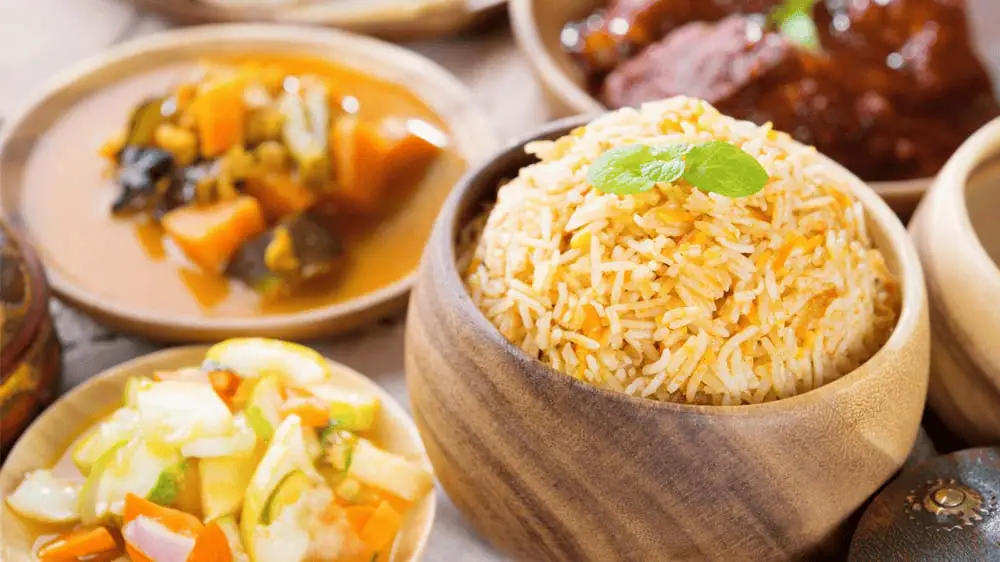
Rather than flashy mashups designed to surprise, 2026 is embracing comfort foods rooted deeply in specific cultures. According to Food & Wine, diners are gravitating toward regional stews, porridges, rice dishes, breads, and slow-cooked staples that feel emotionally nourishing. These foods aren’t rebranded as fusion; they’re presented with respect for origin and context. The appeal lies in familiarity and storytelling, not novelty. In uncertain times, people are seeking dishes that feel stable and human. This trend favors authenticity over reinvention, offering comfort without dilution or gimmicks.
Savory Breakfasts Becoming the Default
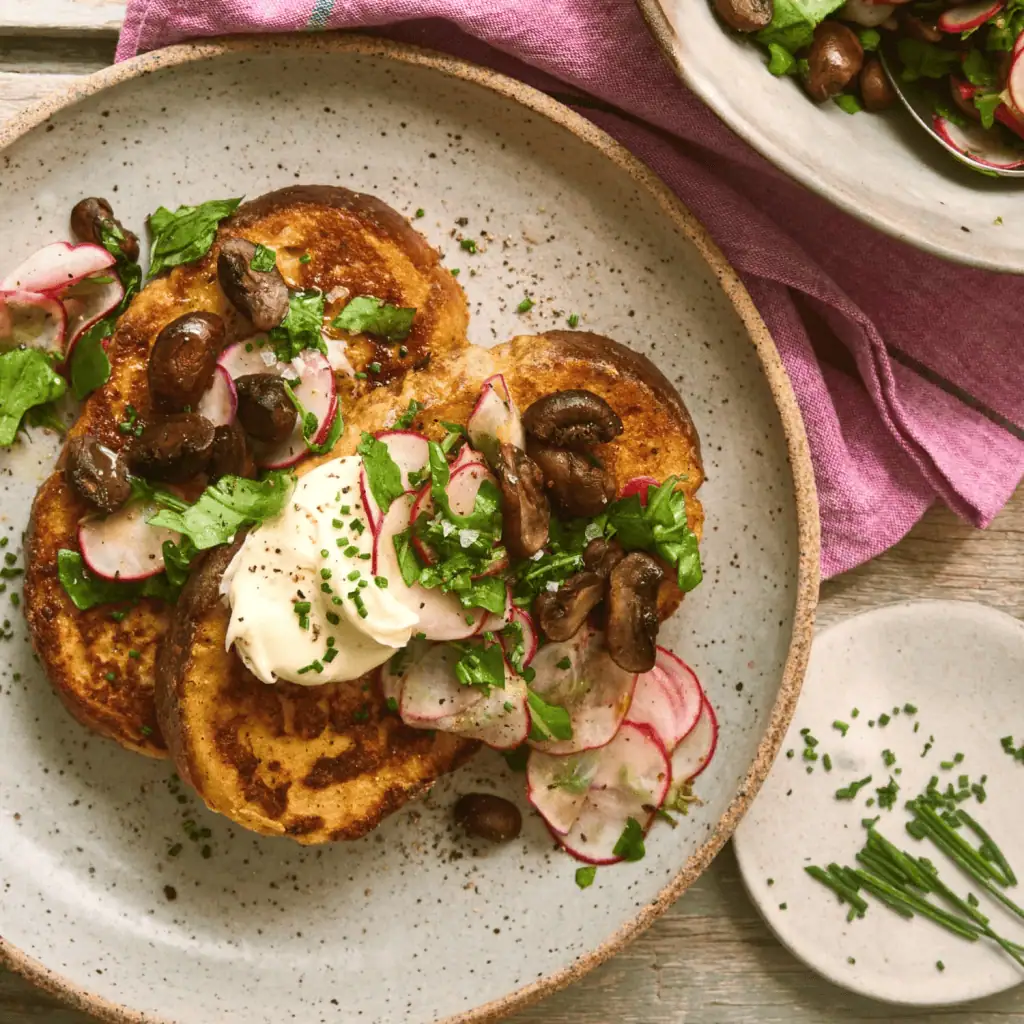
Sweet breakfasts are steadily losing their dominance as savory options become the everyday norm. Eggs paired with vegetables, grains, broths, and protein-forward components are showing up more often both at home and on restaurant menus. According to Food & Wine, this shift is driven by practicality as much as preference. Savory breakfasts tend to keep people full longer, support steadier energy, and align better with modern schedules that blur traditional meal boundaries. Rather than feeling indulgent, these meals feel functional, grounding, and easier to sustain throughout long, busy days.
Drinks That Function as Food
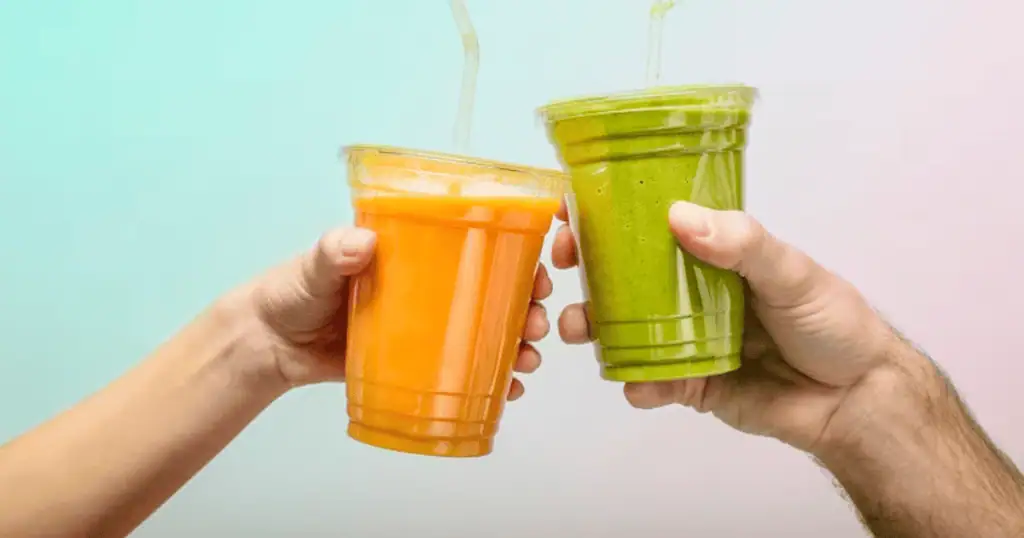
Beverages are taking on roles once reserved for full meals or snacks. Brothy drinks, protein-rich smoothies, fermented beverages, and drinkable meals are becoming common solutions for people short on time but unwilling to compromise on nourishment. Food & Wine notes that this trend isn’t about extreme meal replacement culture, but about flexibility. These drinks offer substance, flavor, and nutrition in formats that fit commuting, working, or irregular schedules. As eating patterns become less rigid, drinks that function as food provide a practical middle ground between skipping meals and sitting down to eat.
Nostalgia Without Irony
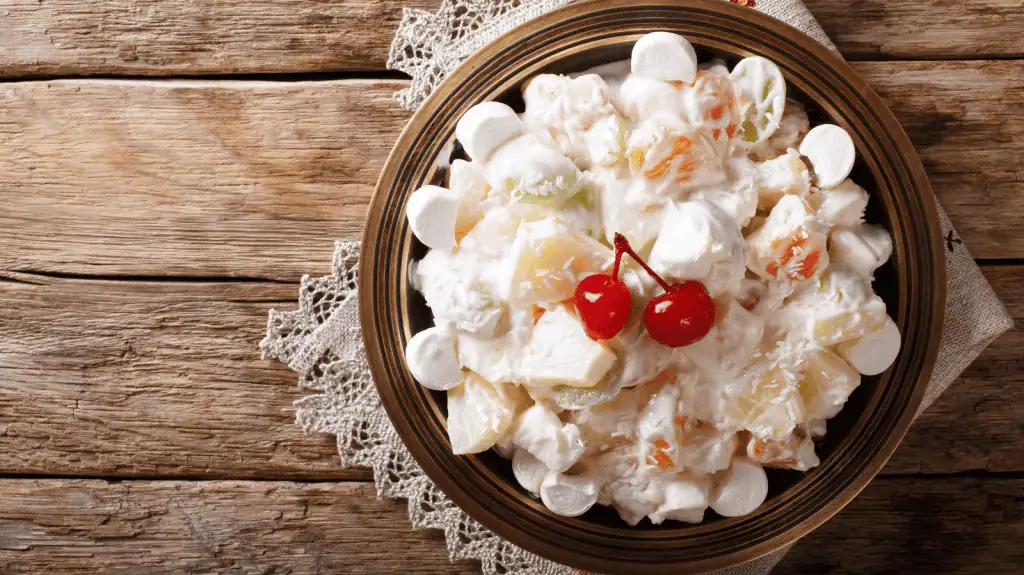
Nostalgic foods are returning without self-awareness or parody. Instead of ironic throwbacks, chefs and brands are reviving familiar dishes, such as meatloaf, gelatin desserts, casseroles, and classic cakes with sincerity. According to Food & Wine, diners are responding to food that feels emotionally familiar rather than cleverly reinvented. Updates are subtle, often focused on better ingredients or technique, not spectacle. The appeal lies in honesty and comfort, not novelty. In uncertain times, people are gravitating toward dishes that feel reassuring and human, valuing emotional connection over performance or trend-driven reinterpretation.
