
10 Things Waiters Notice About You The Moment You Open The Menu
Servers don’t need long conversations to read a table. The moment a menu opens, patterns start to show, about confidence, expectations, patience, budget comfort, and how smoothly the meal is likely to go. Years on the floor train servers to notice small, unconscious habits that guests rarely realize they’re displaying. These signals aren’t judgments or assumptions; they’re practical cues that help servers pace service, shape recommendations, and avoid friction. In a busy dining room, reading the menu behavior quickly is a survival skill. Here are ten things waiters notice almost instantly when you open the menu.
How Fast You Look Up
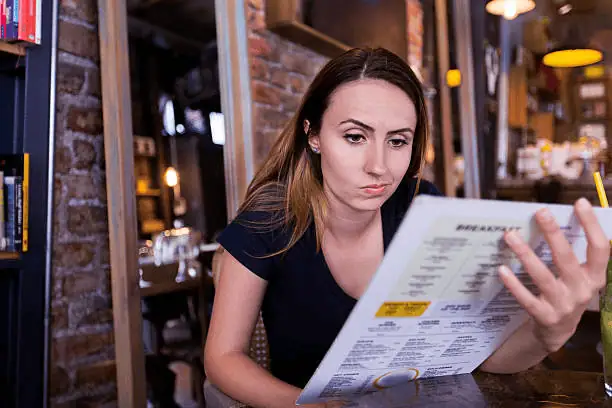
Servers pay close attention to how quickly you look up from the menu. Guests who scan briefly and make eye contact often either know exactly what they want or want guidance right away. Long stretches of silent reading usually signal indecision, first-time visits, or uncertainty about prices or ingredients. That timing helps servers decide whether to step in with suggestions or give you space. It also affects pacing, whether they return quickly or wait, so service feels supportive instead of pushy or rushed.
Whether You Read or Search

Some guests carefully read descriptions from top to bottom, while others skim for prices, familiar dishes, or highlighted buzzwords. Servers notice this immediately. Reading signals curiosity and openness, while searching often suggests caution, dietary limits, or budget awareness. This tells servers how adventurous you’re likely to be and what kind of recommendations will land well. A reader may enjoy specials or chef-driven dishes, while a searcher usually prefers clarity, familiarity, and fewer surprises.
If You Start With Drinks or Food

Starting with drinks often means you’re settling in and planning to stay awhile. Servers read this as a cue to slow the pace and let the table ease into the experience. Guests who skip drinks and focus on food usually signal hunger, time pressure, or cost consciousness. That changes how servers’ time courses and check-ins. It’s not judgment. It’s logistics. Knowing your priorities helps them align service speed with what you actually want from the meal.
How You React to Prices

Servers are trained to notice subtle reactions to prices. A pause, raised eyebrows, or flipping back and forth between pages signals sensitivity to cost. This helps them adjust recommendations, avoid awkward upselling, and suggest options that feel comfortable rather than risky. Even small gestures tell servers whether to emphasize value, portion size, or flexibility. Reading these cues early prevents discomfort later and helps the meal feel smooth instead of pressured or misaligned.
Whether You Ask Questions Early

Guests who ask questions early usually signal comfort, engagement, and a willingness to collaborate. Servers read this as trust they know the table is open to guidance, substitutions, or honest opinions. Silence followed by very specific or sudden requests often suggests uncertainty that’s being masked as confidence. In those cases, expectations tend to be higher and disappointment more likely. Early questions allow servers to calibrate recommendations before assumptions harden, making the experience smoother and reducing the risk of misalignment later in the meal.
How You Hold the Menu
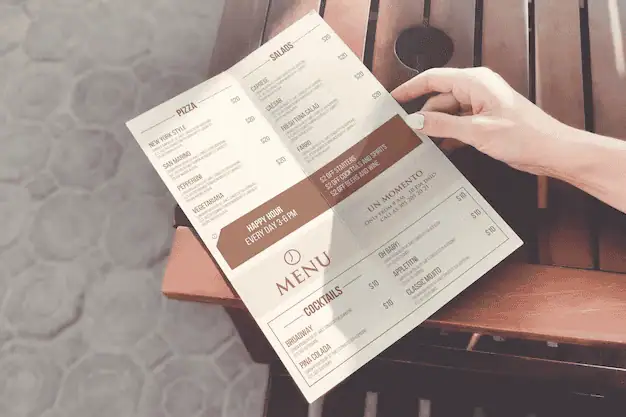
The way guests physically handle the menu sends subtle signals. Menus laid flat on the table often indicate collaboration, shared decision-making, or openness to discussion. Holding the menu upright and close to the body can signal pressure to decide, control over the order, or a desire to manage the experience tightly. Servers adjust their tone and timing based on this body language. A relaxed posture invites conversation, while a guarded one usually cues servers to stay concise and avoid overwhelming the table.
If You Compare Items Out Loud
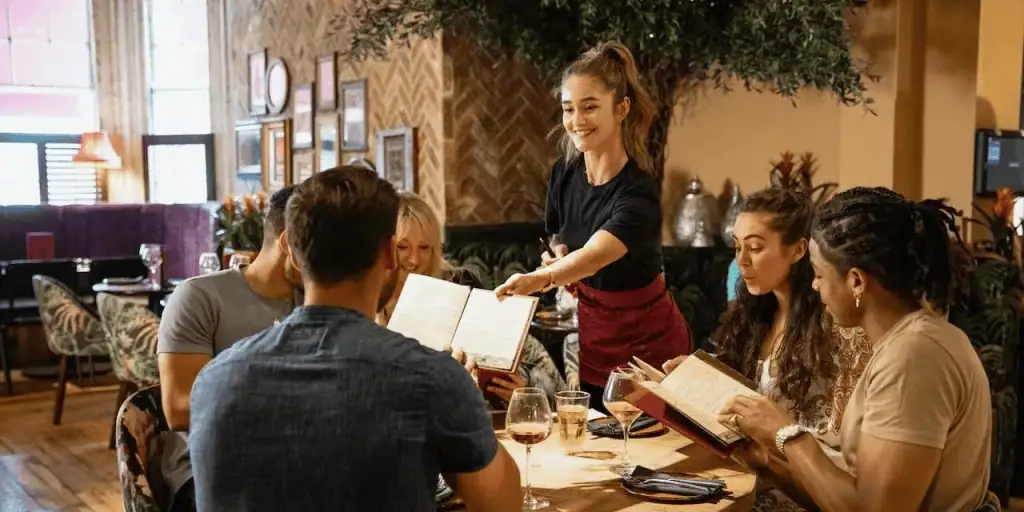
When guests talk through choices out loud, servers interpret it as flexibility and curiosity. It shows the table is processing options in real time and may welcome reassurance or suggestions. Quiet comparison, on the other hand, often signals high expectations and a lower tolerance for surprises. Servers know that silent decision-makers are more likely to be disappointed if the dish doesn’t match an internal picture. Hearing the comparison helps servers steer expectations before the order is placed.
Whether You Skip Sections
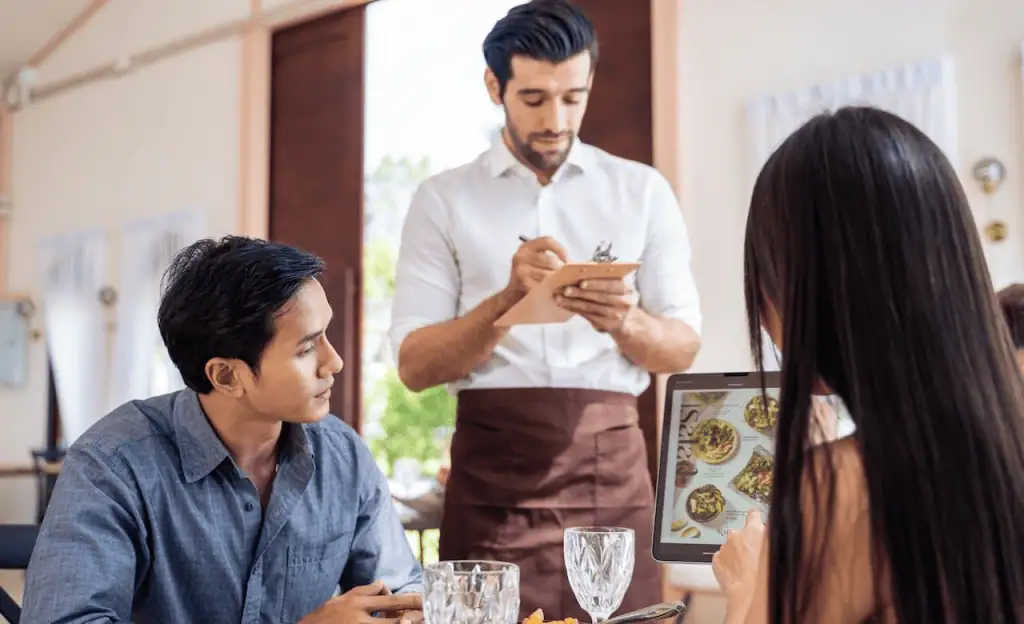
Servers pay attention to which parts of the menu you ignore entirely. Skipping appetizers, sides, or the specials section tells them where not to push or upsell. It often signals either a focused budget, a strong craving for a main dish, or limited time. When guests bypass entire sections without hesitation, servers adjust recommendations accordingly, keeping suggestions tight and relevant. This helps avoid awkward pitches for items you were never considering and keeps the interaction efficient rather than sales-driven.
Your Body Language While Reading

Body language while reading the menu is one of the clearest signals servers read. Leaning forward, nodding, tracing items with a finger, or pointing to dishes shows genuine interest and engagement. Slouching, scanning, or looking around the room instead of at the menu often signals impatience, distraction, or low emotional investment in the meal. Servers use these cues to decide whether to explain dishes in detail or move things along quickly to respect your mood and timing.
How You Close the Menu
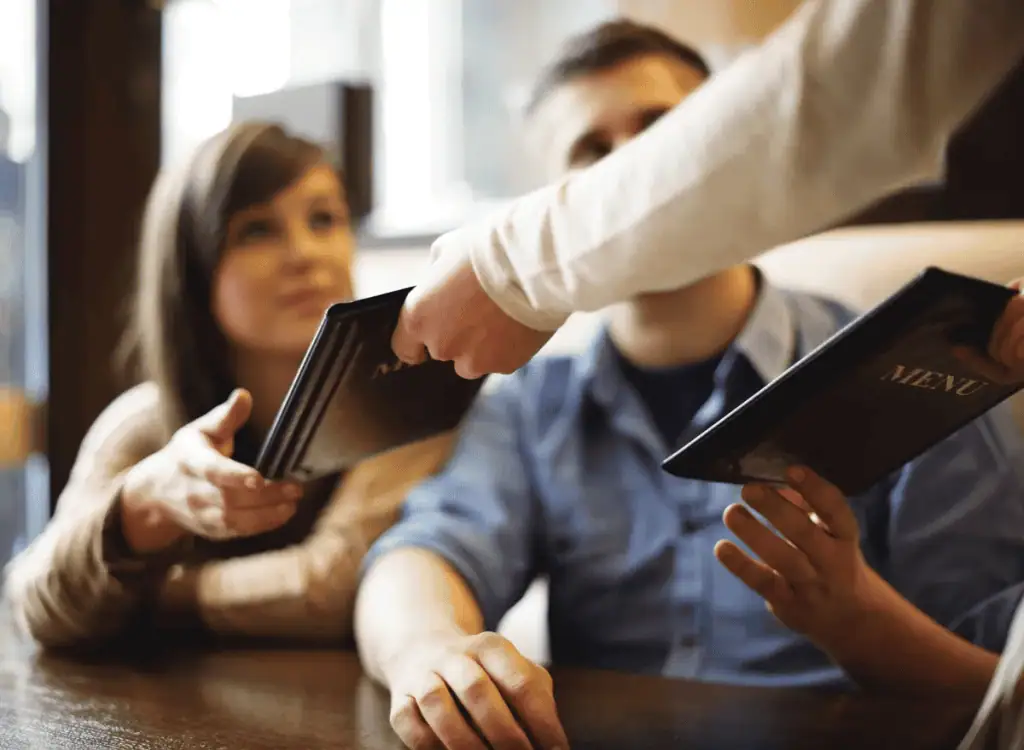
The way you close the menu matters more than most guests realize. Closing it decisively and setting it aside clearly signals readiness and confidence in your choice. Leaving it open, half-folded, or stacked loosely often indicates hesitation, even if the guest verbally says they’re ready. Servers notice this mismatch immediately. It cues them to pause, offer reassurance, or double-check details before placing the order, helping prevent second thoughts or regret after the food arrives.
