
12 Foods Cruise Ship Chefs Wish Guests Wouldn’t Order
Cruise ship chefs work tirelessly to deliver a wide range of dishes to satisfy guests’ palates. However, certain orders cause more challenges than others, affecting both kitchen efficiency and culinary quality. Exploring these preferences provides insight into what chefs wish guests would consider before ordering aboard.
Well-Done Steaks: A Chef’s Nightmare

Cooking steaks well-done poses a unique challenge aboard cruise ships. This preference often leads to dry, less flavorful meat, depriving the steak of its natural juiciness and texture. Chefs recommend considering medium or medium-rare to enhance the steak’s inherent flavors and moisture, allowing the dish to shine with its intended richness.
Lobster Every Night: Luxury Overload

While lobster is a signature luxury, ordering it nightly can strain onboard supplies and affect overall quality. Freshness is crucial, and repeated requests can lead to compromises. Chefs encourage guests to explore diverse seafood options, ensuring a more sustainable and flavorful dining experience throughout their voyage.
Room-Service Burgers: Peak Hour Pain

Room-service burgers at peak times create logistical hurdles. Preparing high-quality burgers requires attention to timing for optimal texture and taste. When ordered during busy hours, quality may suffer due to logistical constraints. Chefs suggest trying these during off-peak times for a more satisfying experience.
Omelets: The Overload Challenge
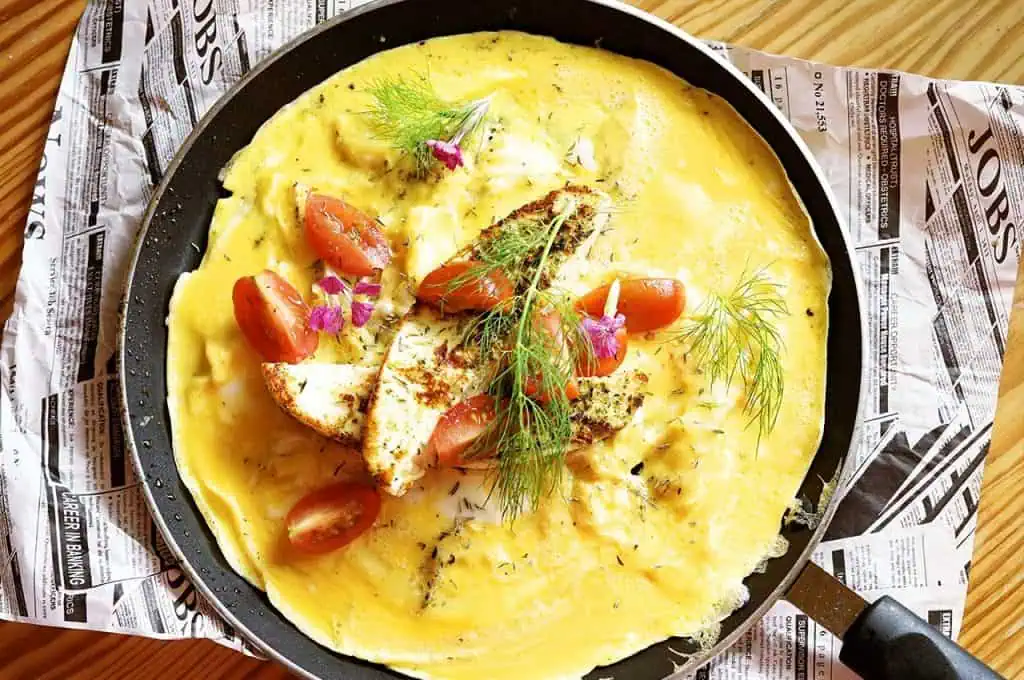
Omelets, often overfilled with toppings, present a significant challenge in maintaining structural integrity and ensuring even cooking. Chefs advise selecting a balance of ingredients to allow the eggs to cook uniformly, resulting in a fluffy, cohesive dish that highlights the omelet’s natural appeal without overwhelming it.
Gluten-Free Pasta: Dinner Rush Dilemma
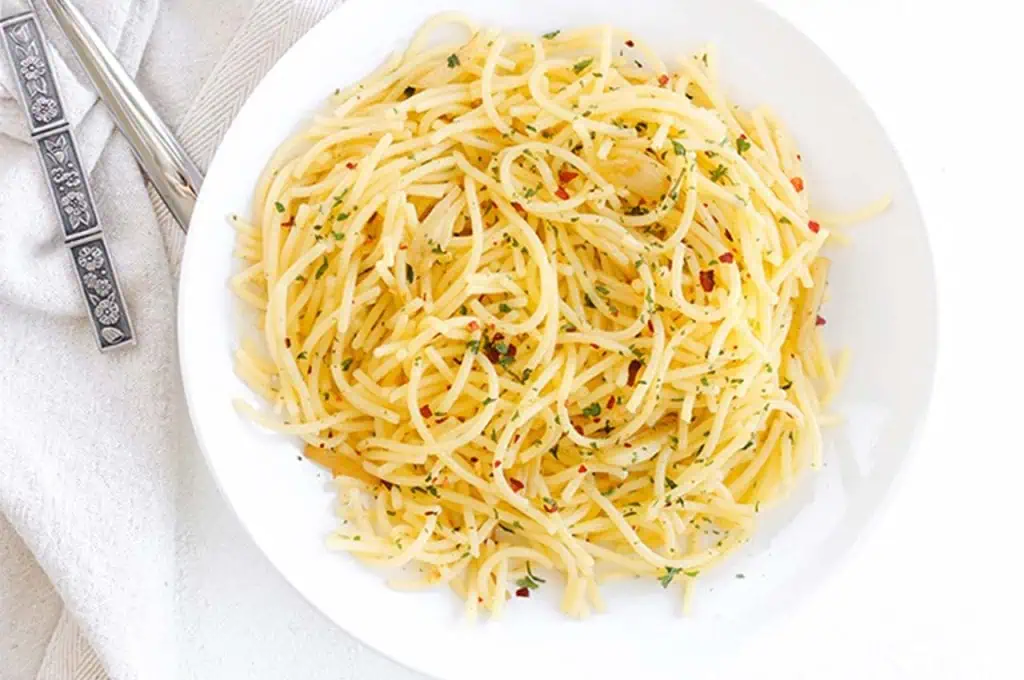
Gluten-free pasta, while a staple for many diners, poses challenges during busy service. Its delicate structure requires precise timing to avoid turning mushy. Cooks often juggle multiple orders, leading to uneven results. Choosing a brand made from sturdy grains like quinoa or corn helps maintain texture. Cooking in ample salted water and immediately rinsing with cold water halts further cooking. Finishing with a touch of olive oil ensures a non-stick surface, easing kitchen frustrations and elevating your meal.
Get the recipe: Gluten-Free Spaghetti Aglio e Olio
Buffet Sushi: Late-Night Letdown
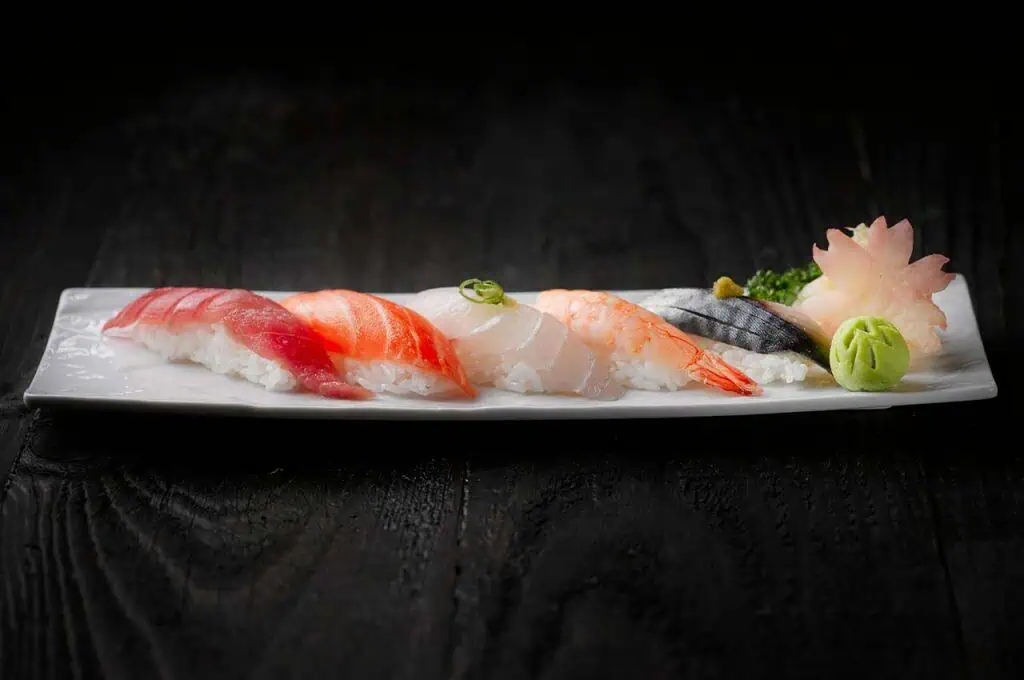
Buffet sushi can suffer in quality when not consumed at its peak freshness. Rice dries and fish loses its luster as hours pass. To replicate restaurant-quality sushi, it’s crucial to consume it shortly after preparation. Guests often overlook rice quality, which should be sticky yet not clumpy for the best bite. A squeeze of lemon juice over the fish enhances flavor and freshness. For buffet settings, replenishment rather than over-preparation keeps offerings at their best, ensuring a better experience for diners.
Desserts: The Allergy-Free Conundrum

Creating desserts that are free from common allergens without compromising taste requires skillful ingredient selection. Nut alternatives such as coconut or sunflower butter maintain richness. For flour, blends incorporating rice and tapioca offer a suitable base. Replacing eggs with chia seeds soaked in water can bind mixtures effectively. Natural sweeteners like maple syrup or agave impart depth. Attention to the balance of moisture and texture ensures desserts remain inviting and flavorful, satisfying guests’ dietary needs without sacrificing indulgence.
French Onion Soup: Rough Seas Risk
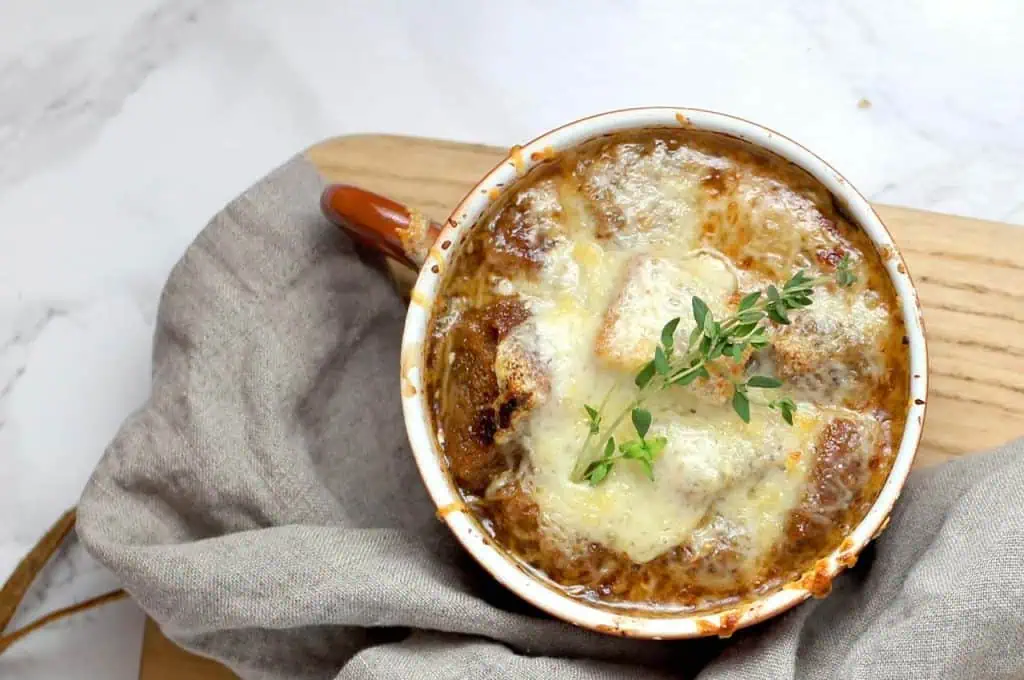
French onion soup is vulnerable to spillage on rough seas, making it challenging to serve safely. The key element, its caramelized onions, requires slow cooking to draw out sweetness, which transforms a simple broth into a savory masterpiece. Gruyère cheese topping must be broiled until it bubbles and forms a golden crust. Optimal serving involves sturdy bowls and careful placement on stabilizing trays. Ensuring onion slices are uniformly thin guarantees a consistent texture, enhancing the dish’s comforting appeal.
Rare Poultry: The Raw Dilemma
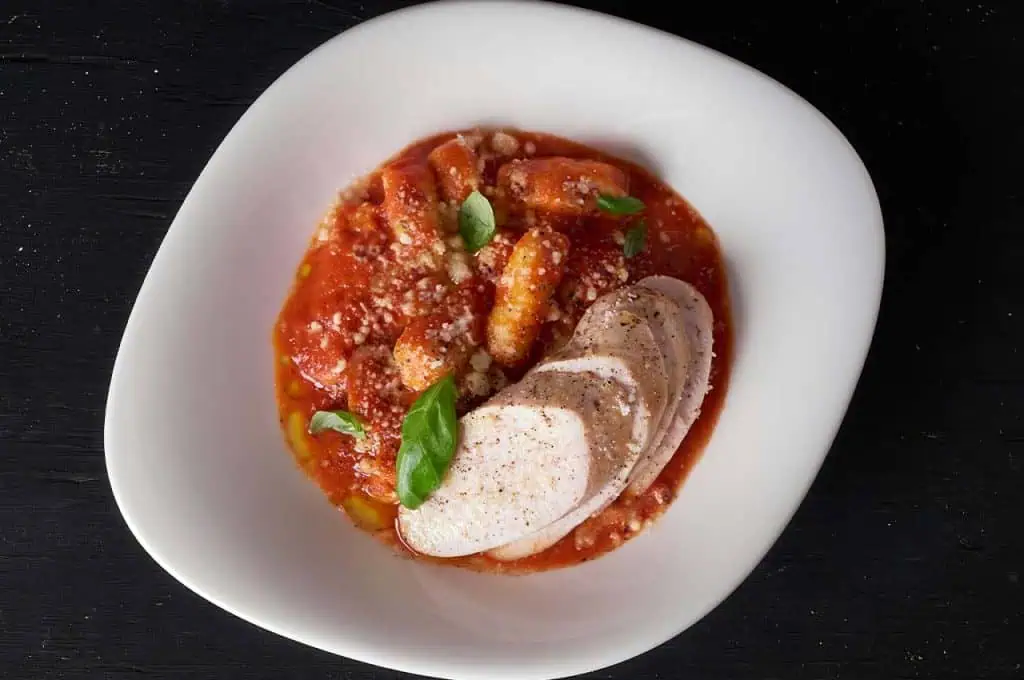
Ordering rare poultry often carries the risk of undercooked meat, which is unsafe. To achieve both a juicy interior and a safe temperature, sous vide methods are best. Setting the water bath to a precise temperature ensures even cooking without overexposure. After sous vide, a quick sear crisps the skin, providing an appealing finish. Using a meat thermometer helps verify doneness, reassuring chefs and guests. Opt for cuts like breast or thigh that benefit from controlled cooking for tender, flavorful results.
Pizza Piled High: Build-A-Mess
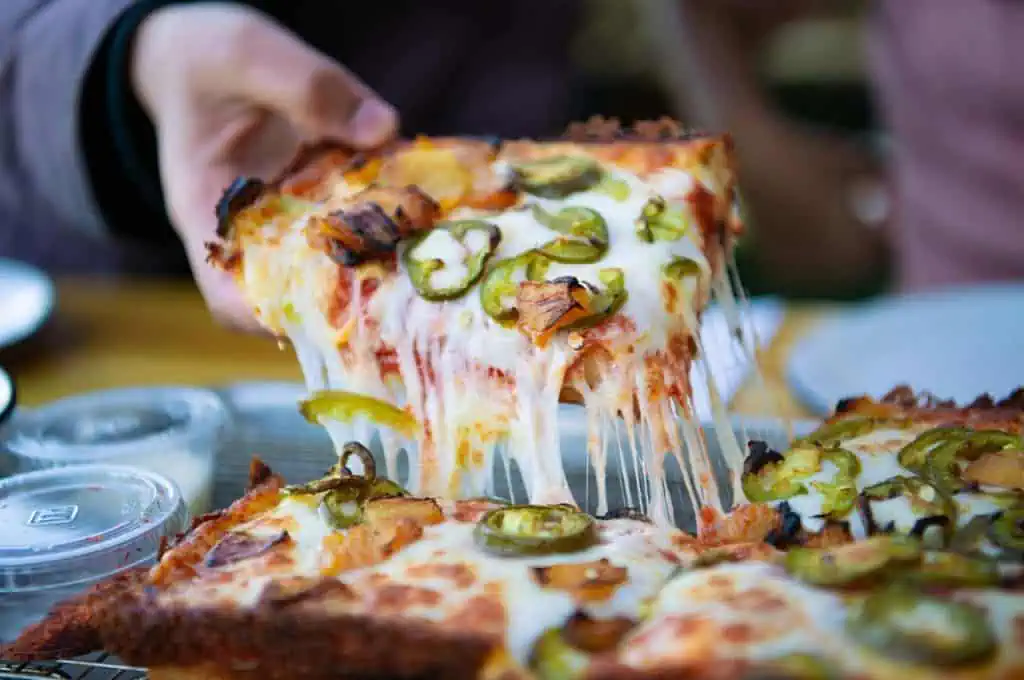
When crafting pizza, restraint is key. Cruise chefs often find themselves correcting overloaded pies that compromise chew and flavor. Opt for a maximum of three toppings to allow each ingredient’s character to shine. Use a well-risen dough rolled to medium thickness for a balance of crisp and soft texture. Start with a thin layer of sauce and scatter toppings evenly, ensuring they barely overlap to avoid sogginess. Bake on a preheated stone for a crisp, nicely charred bottom. This approach ensures a harmonious, manageable pizza with balanced flavors and textures.
Multiple Entrées: Trial and Error

While tempting to taste a bit of everything, requesting multiple entrées can muddle the dining experience. Each dish is crafted to stand alone and shine. When testing new offerings, consider one entrée paired with a contrasting appetizer or salad to appreciate the chef’s intended flavor spectrum. Balance rich dishes with lighter options to prevent palate fatigue. Embracing deliberate selection encourages a deeper appreciation of individual dishes, their techniques, and presentations, allowing the chefs’ creativity and skill to be fully showcased in each unique offering.
Midnight Ice Cream: Toppings Overkill
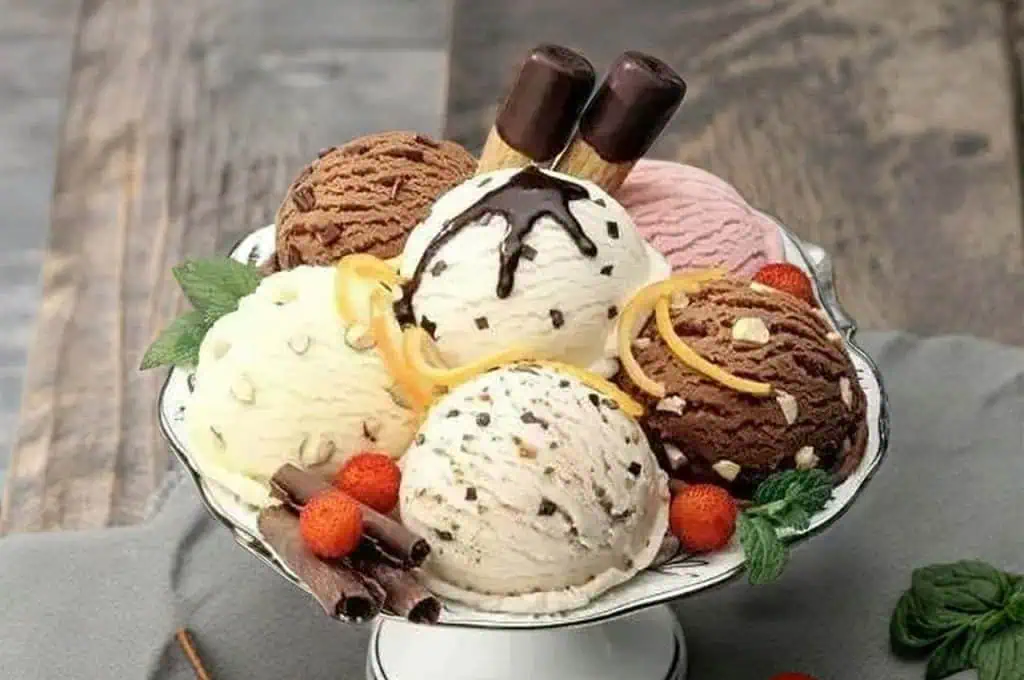
Late-night cravings often lead to heaping ice cream bowls, but excessive toppings can overwhelm subtle flavors and textures. Start with high-quality ice cream, allowing its creamy consistency and rich taste to form the foundation. Select a few toppings with complementary flavors, such as fresh berries or a drizzle of caramel, to enhance rather than mask the ice cream. Incorporate different textures, like a sprinkle of nuts or a delicate cookie crumble, to elevate without overpowering. This method respects the ice cream’s craftsmanship and maximizes flavor enjoyment.
