
17 Common Foods Almost Everyone Eats the Wrong Way
Many foods we eat daily come with unspoken assumptions about how they should be consumed. These habits often come from convenience, childhood routines, or marketing rather than what actually brings out the best flavor or texture. Over time, “normal” ways of eating become fixed, even when they quietly undermine the food itself. From temperature to pairing to preparation order, small choices can completely change how food tastes. These common foods are rarely eaten the way they were intended.
Pizza
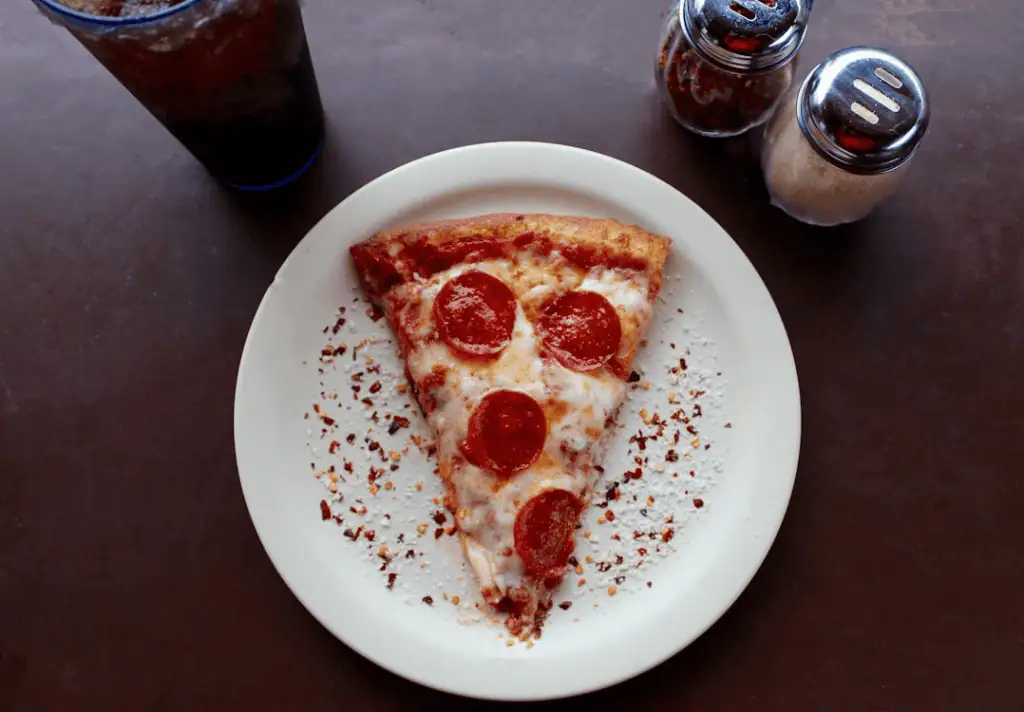
Most people eat pizza piping hot straight out of the oven, assuming hotter means better. In reality, extreme heat dulls flavor perception and overwhelms subtle notes in the sauce and cheese. Letting pizza rest briefly allows fats to settle and flavors to emerge more clearly. The texture also improves as the crust firms slightly. Eating pizza immediately may feel satisfying, but it often sacrifices balance and nuance for speed.
Chocolate
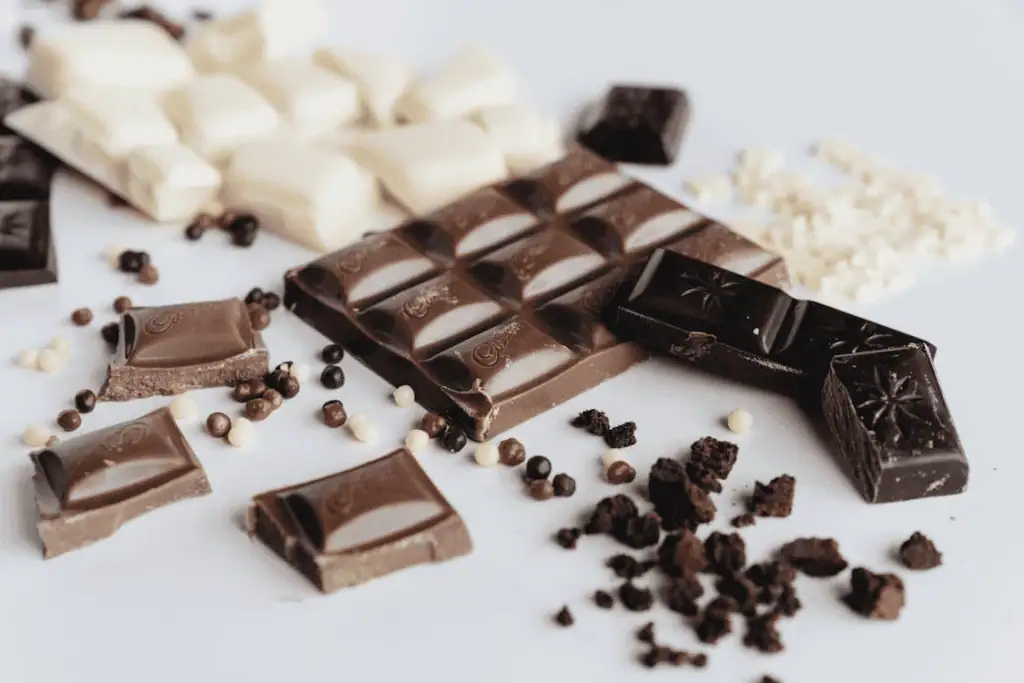
Chocolate is commonly eaten cold or straight from the fridge, especially in warm climates. This numbs the cocoa butter and mutes the aroma, which is essential to flavor. Chocolate is meant to melt slowly at body temperature, releasing complexity gradually. Biting into cold chocolate skips that experience entirely. Many people think they dislike certain chocolates when they’re really just eating them at the wrong temperature.
Steak
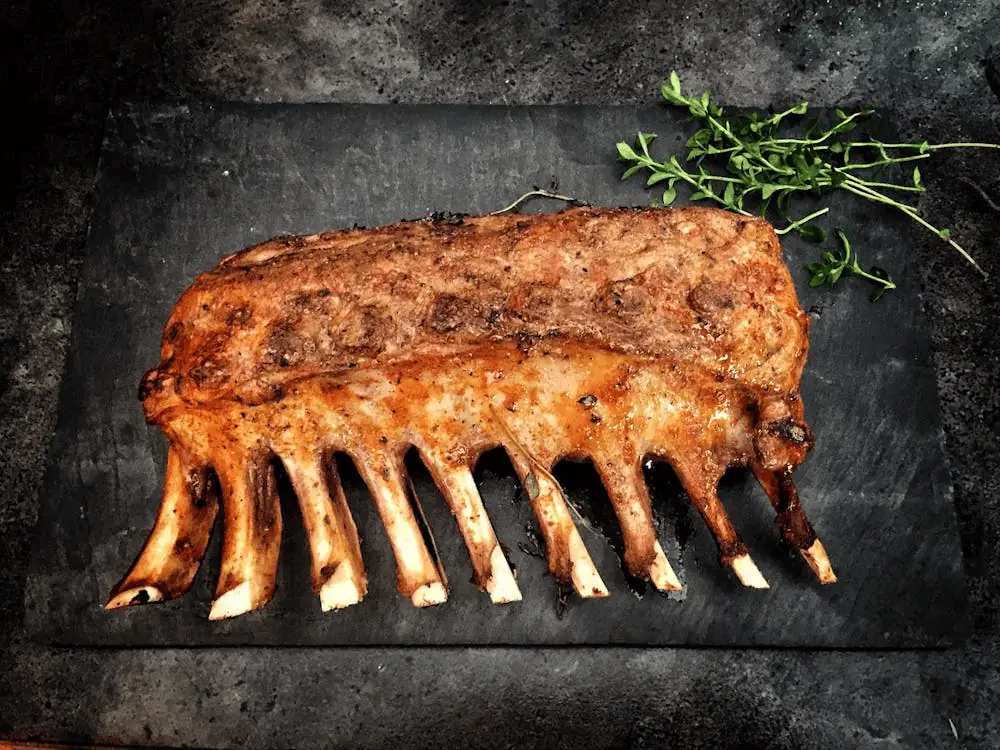
Steak is often sliced immediately after cooking, causing juices to spill out onto the plate. This dries the meat and reduces flavor. Resting the steak allows juices to redistribute evenly throughout the muscle fibers. Cutting too soon turns a properly cooked steak into something less satisfying. Many people blame the cut or doneness when the real issue is impatience.
Sushi
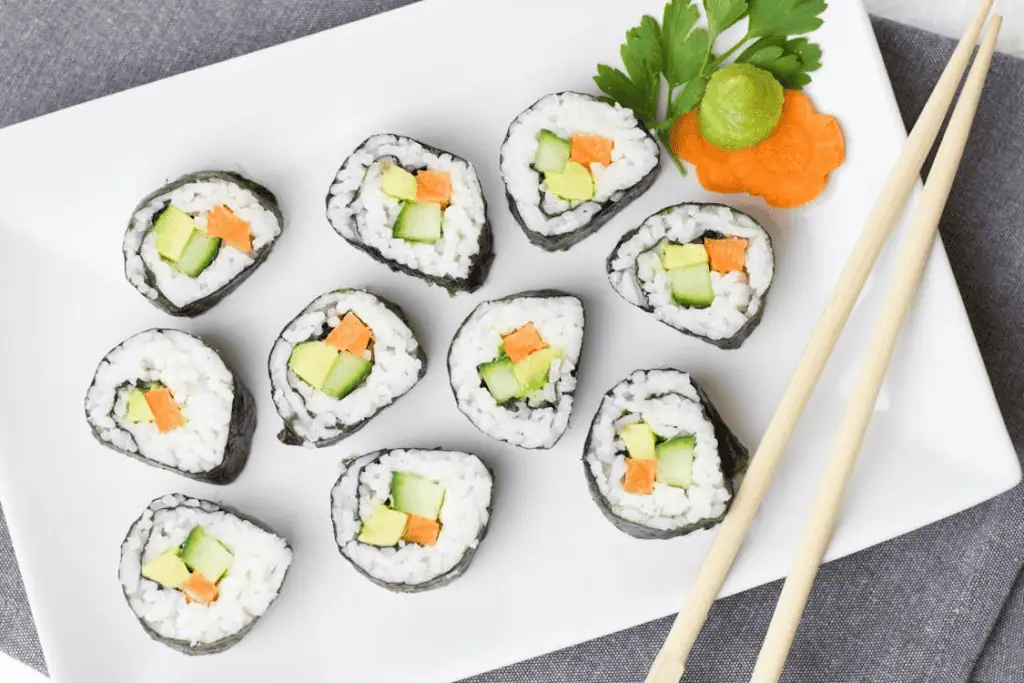
Sushi is frequently dunked rice-first into soy sauce, soaking it completely. This overwhelms the fish and causes rice to fall apart. Traditional sushi eating emphasizes lightly dipping the fish side only. The goal is balance, not salt saturation. When soy sauce dominates, the subtle flavors of the fish are lost. Many people unknowingly turn sushi into a salt delivery system.
Pasta
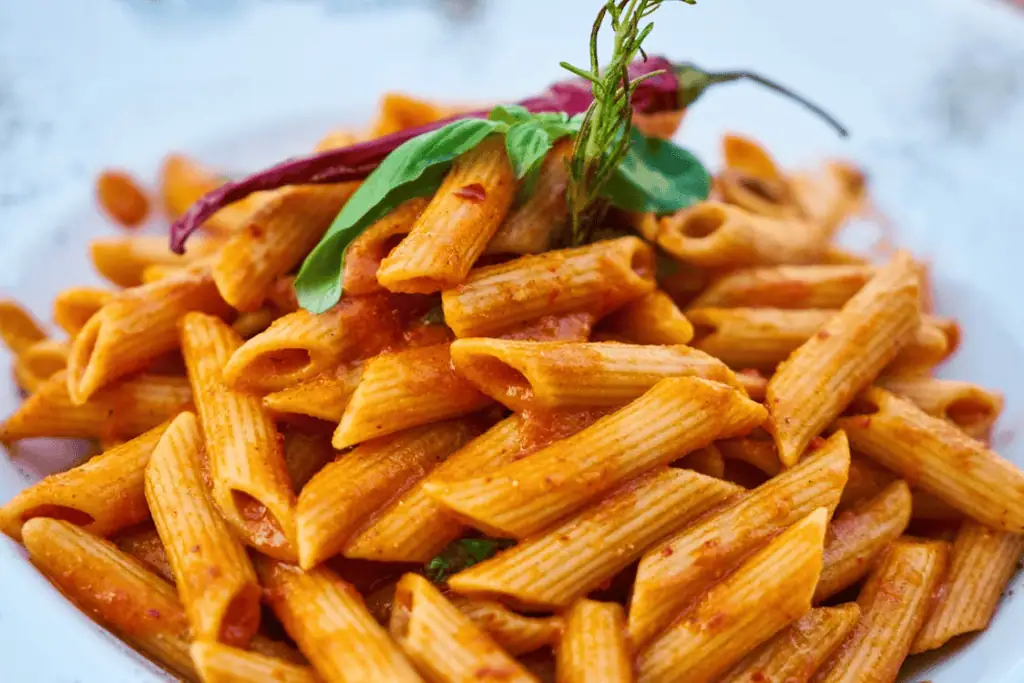
Pasta is often drowned in sauce until the noodles lose their identity. Properly prepared pasta should be coated, not buried. The starch on the pasta helps the sauce cling when combined correctly. Over-saucing turns pasta into mushy filler rather than a structured dish. Many people think more sauce equals better flavor, when it often does the opposite.
Apples
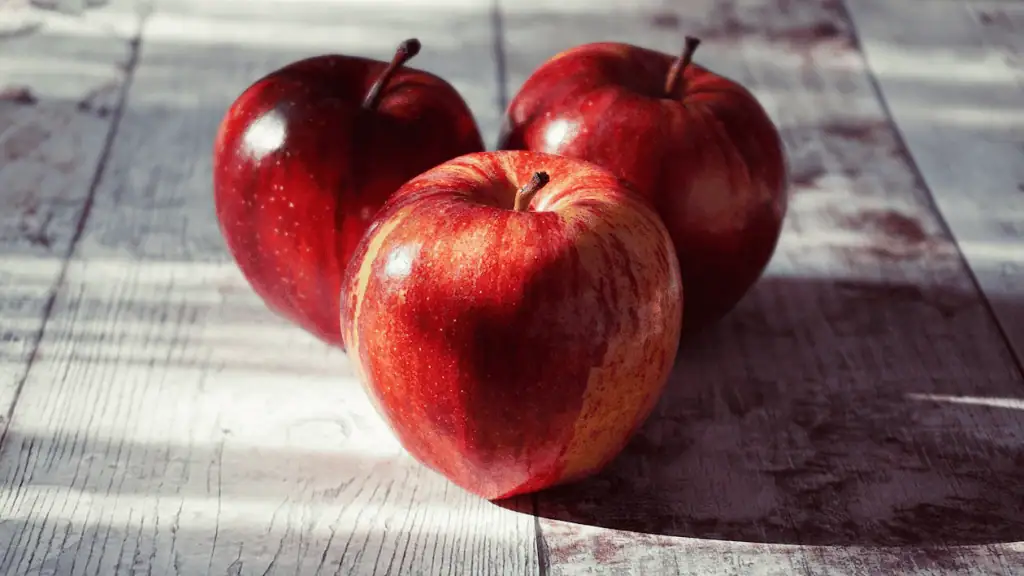
Apples are usually eaten straight from the fridge, especially when packed for convenience. Cold temperatures mute sweetness and aroma. Letting apples warm slightly enhances their natural sugars and texture. Many people think apples are bland because they eat them too cold. Temperature changes can dramatically affect fruit flavor, but this step is often overlooked.
Ice Cream
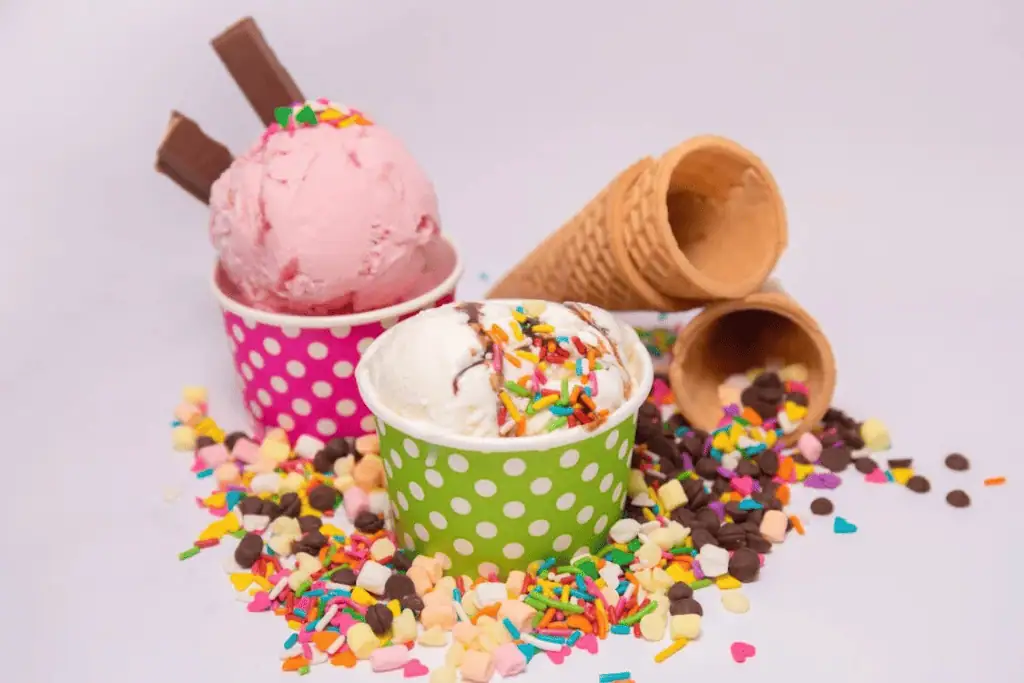
Ice cream is commonly eaten rock-hard straight from the freezer. When too cold, sweetness and flavor are suppressed. Letting ice cream soften slightly improves creaminess and releases aroma. Texture becomes smoother instead of icy. Many people rush this step, missing the full experience ice cream is designed to deliver.
Bread
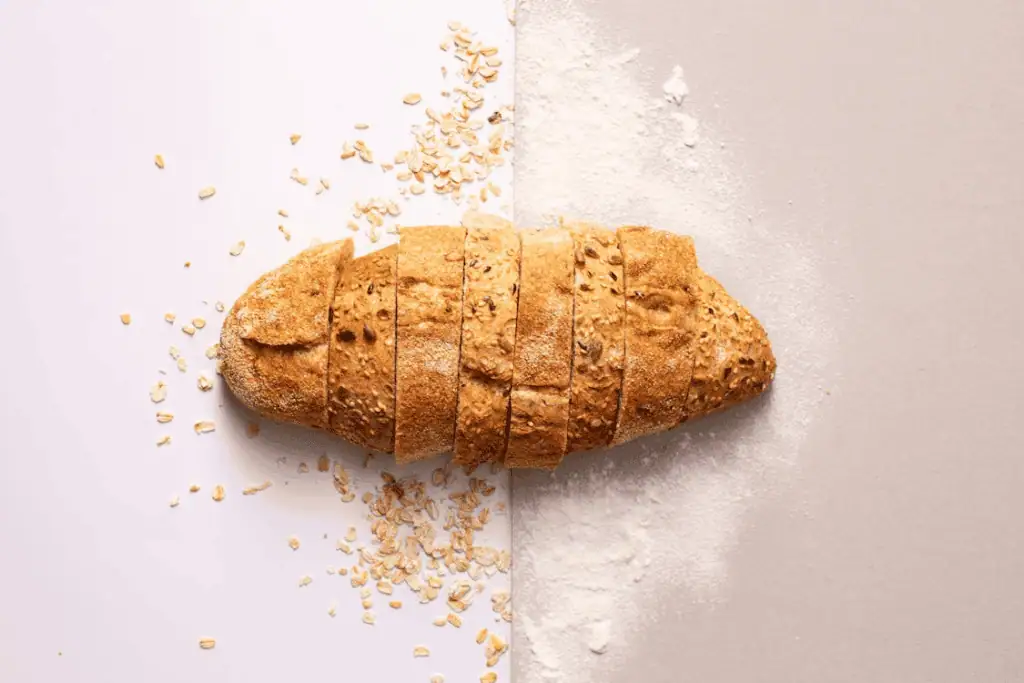
Bread is often stored in the refrigerator to “keep it fresh,” but cold temperatures accelerate staling. Refrigeration dries bread out faster than room temperature storage. Bread is best kept sealed at room temperature or frozen if needed. Many people unknowingly ruin good bread by chilling it, then assume it wasn’t high quality to begin with.
Rice
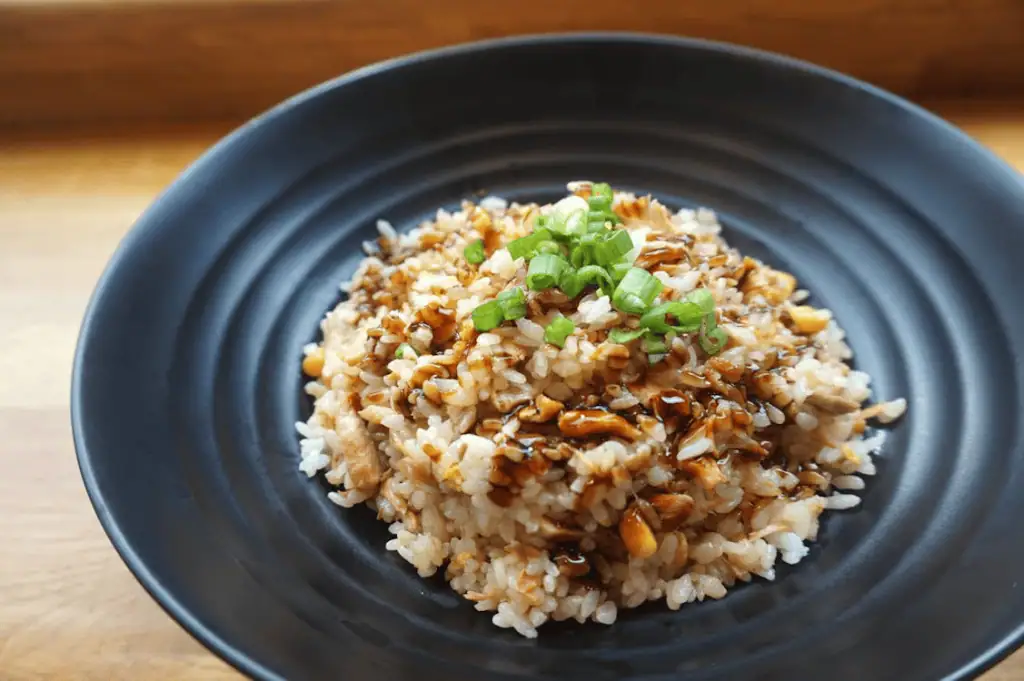
Many people rinse rice quickly or skip rinsing entirely, not realizing how much this affects texture. Unrinsed rice retains excess surface starch, which causes clumping and gumminess when cooked. Proper rinsing removes loose starch and helps grains stay separate. Conversely, some rice types are over-rinsed, stripping flavor. Eating rice “the wrong way” often leads people to think they dislike rice, when it’s really a preparation issue.
Cheese
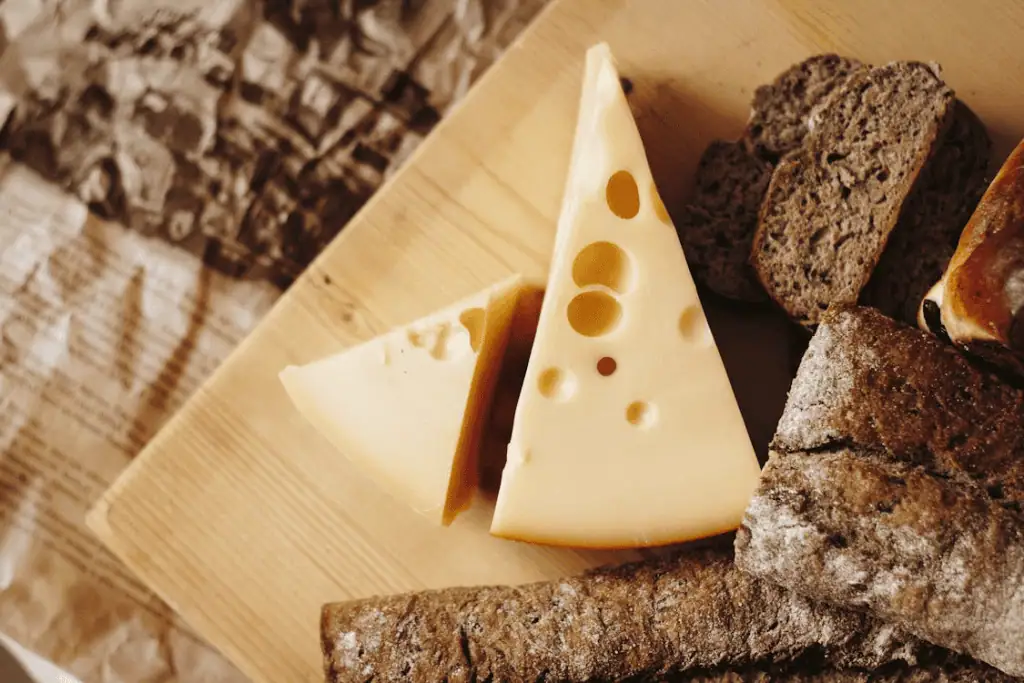
Cheese is often eaten straight from the fridge, which dulls the aroma and flavor. Cold temperatures tighten fats, making cheese taste bland and rubbery. Allowing cheese to come to room temperature unlocks complexity and softness. Many people judge cheese quality unfairly because they eat it too cold. Proper temperature transforms even simple cheeses into richer, more expressive foods.
Eggs
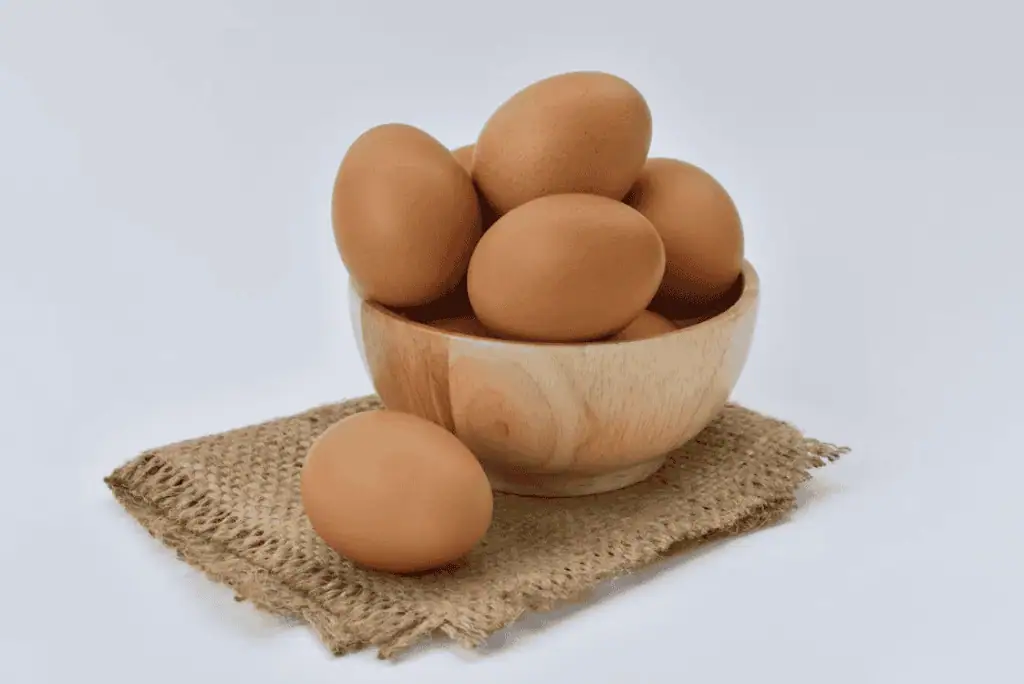
Eggs are frequently overcooked in the name of safety or speed. High heat causes rubbery whites and chalky yolks. Lower, gentler heat produces tender texture and better flavor. Many people think they dislike eggs because they’ve only had them cooked aggressively. Eating eggs “wrong” often comes down to impatience rather than preference.
Bananas
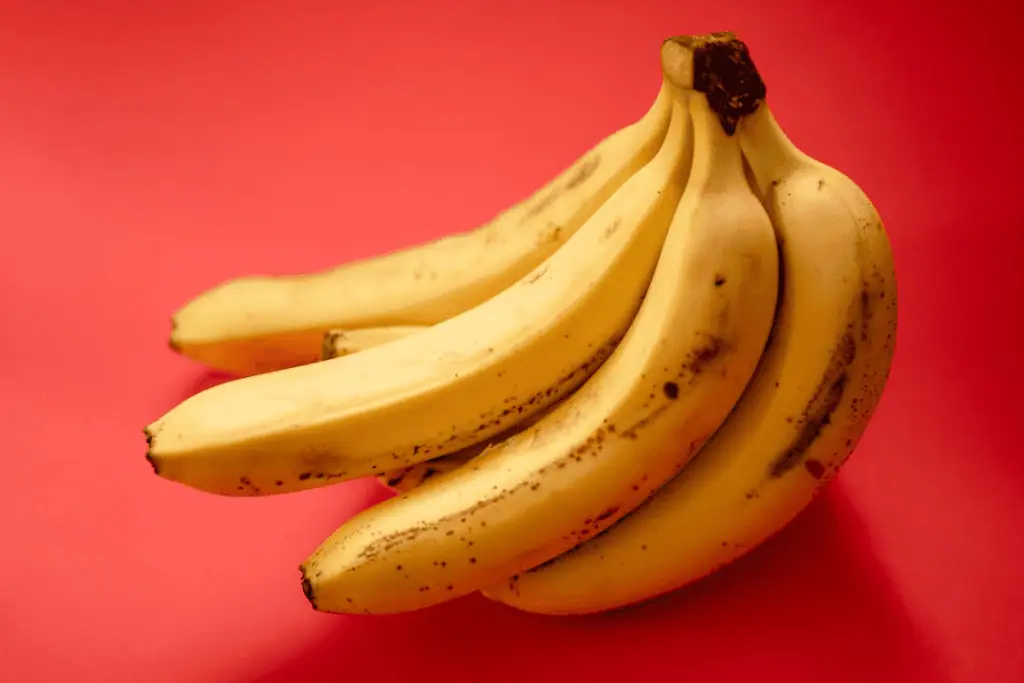
Bananas are commonly eaten either too green or too ripe, missing their optimal flavor window. Green bananas taste starchy, while overripe ones turn overly sweet and mushy. Timing matters. Many people assume bananas are one-note because they eat them at the wrong stage. Understanding ripeness dramatically changes the eating experience.
Yogurt
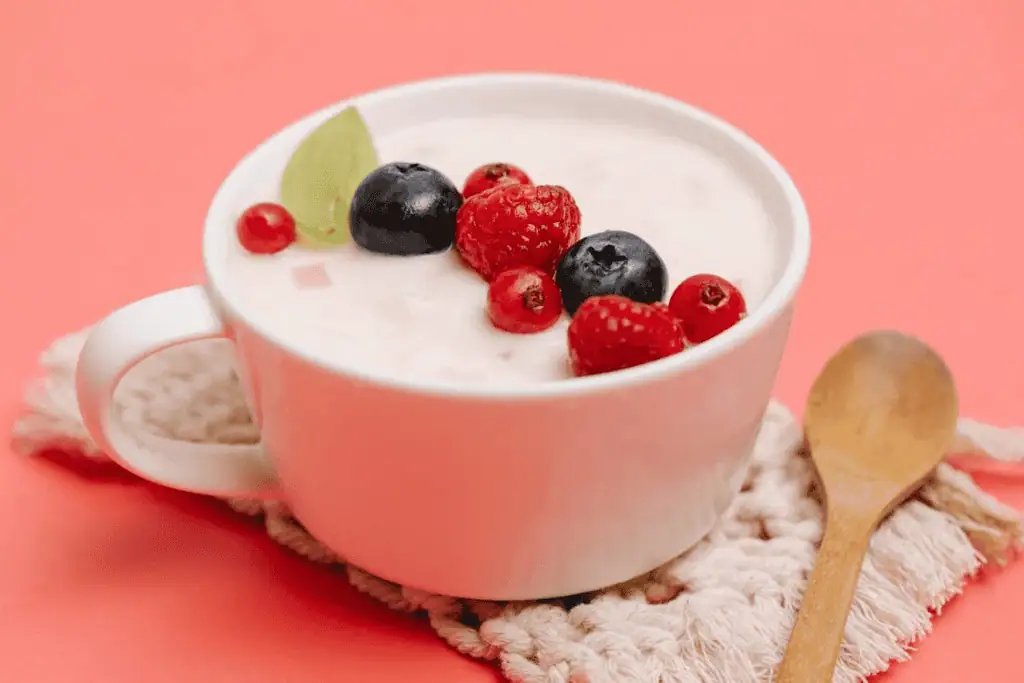
Yogurt is commonly eaten straight from the container without stirring, which leaves the top thick and tangy while watery whey settles at the bottom. This uneven texture can make yogurt taste sharper and thinner than intended. Stirring redistributes the whey evenly, creating a creamier mouthfeel and more balanced flavor. Many people assume yogurt is naturally sour or unpleasant when the issue is simply separation. Eating yogurt without mixing often leads to an unnecessary dislike of a food that’s meant to be smooth, mild, and satisfying when prepared correctly.
Avocados
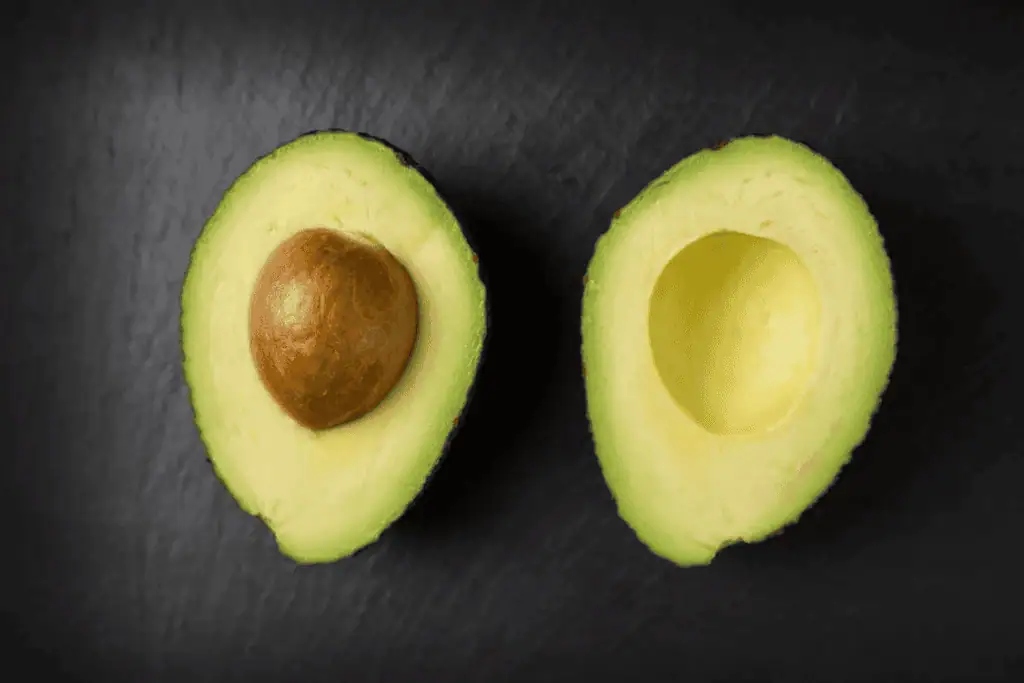
Avocados are frequently eaten before they’re ripe, resulting in a hard texture and bitter, grassy flavor. Others wait too long, ending up with mushy flesh and browning that dulls taste. The ideal ripeness window is narrow but crucial: slightly soft, buttery, and aromatic. Many people think avocados are overrated because they rarely experience them at their peak. When eaten at the right moment, avocados deliver richness and balance that completely changes how they’re perceived. Timing, more than seasoning, determines whether this fruit shines or disappoints.
French Fries

French fries are often eaten either immediately after cooking or long after they’ve cooled, and both extremes damage texture. Fries need a short resting period, so surface moisture evaporates and the exterior crisps properly. Eating them too soon traps steam, while waiting too long causes condensation that turns them limp and soggy. Many people judge fries as bad quality without realizing that timing is the issue. Hitting the narrow window between too hot and too cool is what separates truly great fries from disappointing ones.
Soup
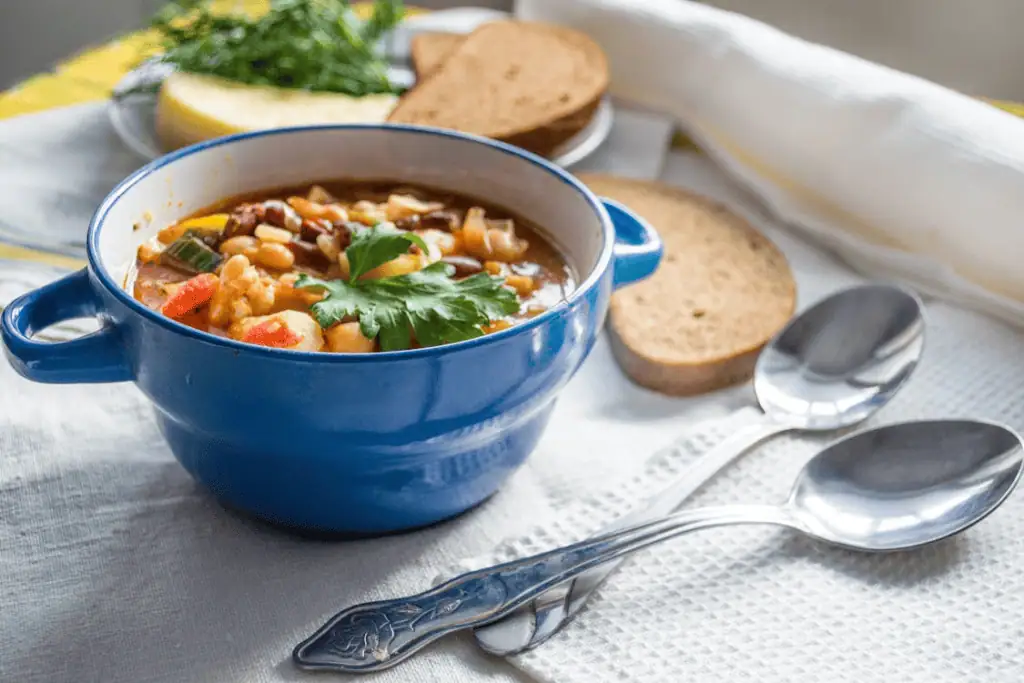
Soup is usually eaten piping hot under the assumption that hotter equals better, but extreme heat numbs taste buds and flattens flavor. When soup cools slightly, herbs, spices, acidity, and aromatics become far more noticeable. Many people think soup is bland or underseasoned simply because they eat it too hot. Allowing a brief cooling period transforms the experience, revealing layers that were always there. Temperature control can dramatically improve soup, yet it’s rarely considered part of how it’s meant to be enjoyed.
Chocolate Chip Cookies
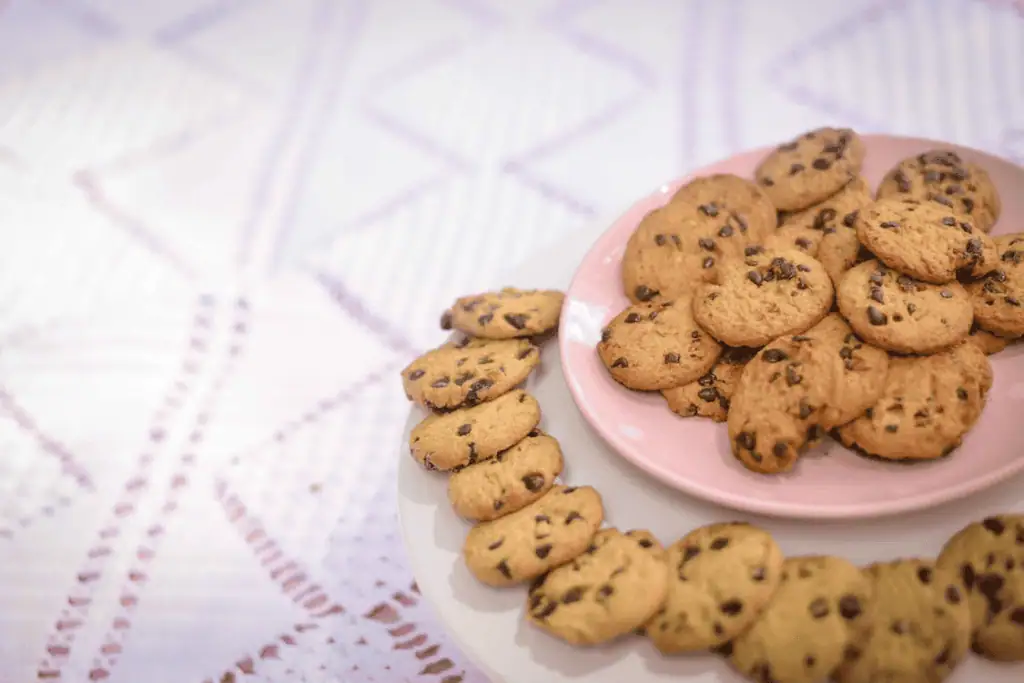
Chocolate chip cookies are often eaten straight from the oven or only after they’ve fully cooled, missing their ideal texture window. A short cooling period allows the structure to set while keeping the center soft and gooey. When eaten too hot, cookies fall apart; when eaten too cold, they become firm and dry. Many people assume cookie texture is fixed by the recipe, but timing plays a major role. Eating cookies at the right moment delivers the balance they’re designed for.
