
12 Bizarre-Looking Foods That Are Surprisingly Delicious
Exploring foods that defy conventional looks can uncover a world of flavors. While some dishes may appear odd, they often hold culinary delight. This guide will introduce you to twelve foods that challenge visual expectations yet deliver impressive tastes. From ancient preservation techniques to nature’s unique gifts, each item brings a distinctive dimension to the dining table. Let’s delve into how these intriguing foods can captivate both the eye and the palate.
Black Garlic: Sweet and Savory Treat

Black garlic, aged under controlled heat and humidity, transforms with a deeply umami flavor profile. The cloves, tender and molasses-like, offer subtle sweetness with hints of balsamic vinegar. Use in vinaigrettes or rubs for meats to introduce unique depth. Its natural antioxidative properties enhance both taste and healthfulness in dishes. This ingredient pairs well with earthy vegetables and roasted dishes, providing a sweet balance to savory culinary creations.
Century Eggs: Jelly-Like and Beloved
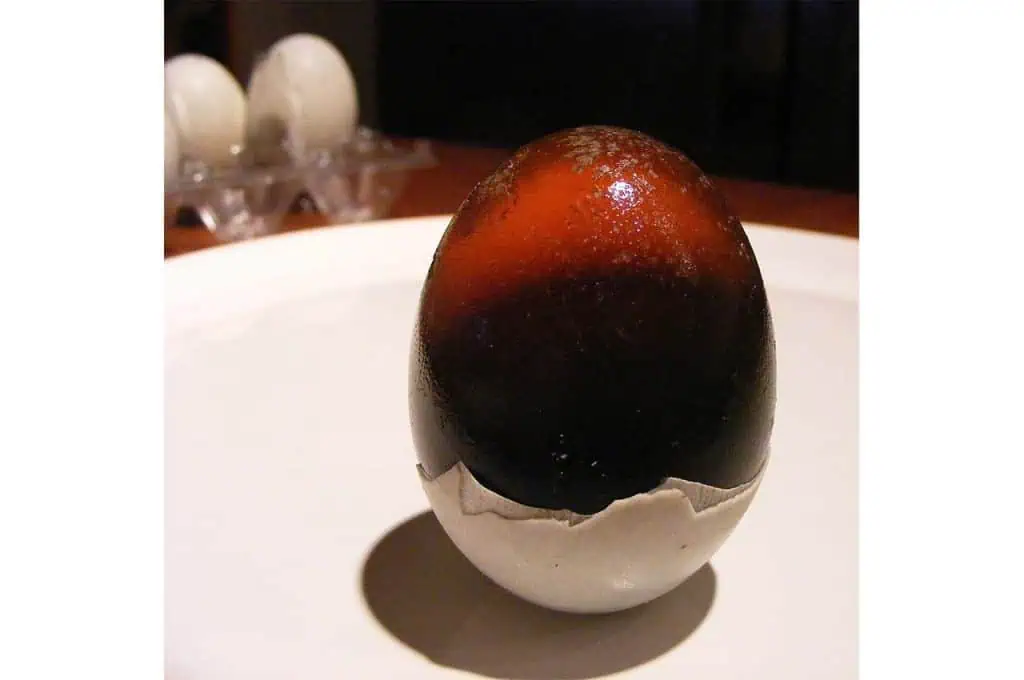
Century eggs, preserved for weeks to months in a mixture of clay, ash, and salt, reveal a creamy, intense flavor when cracked open. The whites turn to a translucent, jelly-like consistency, while the yolks become a bold greenish-grey. Best sliced and served with ginger or pickled vegetables, they add richness and a hint of umami to rice dishes. Their unique texture and flavor are celebrated in traditional Chinese congee or mixed into salads for an unconventional twist.
Durian: Spiky Fruit, Creamy Surprise
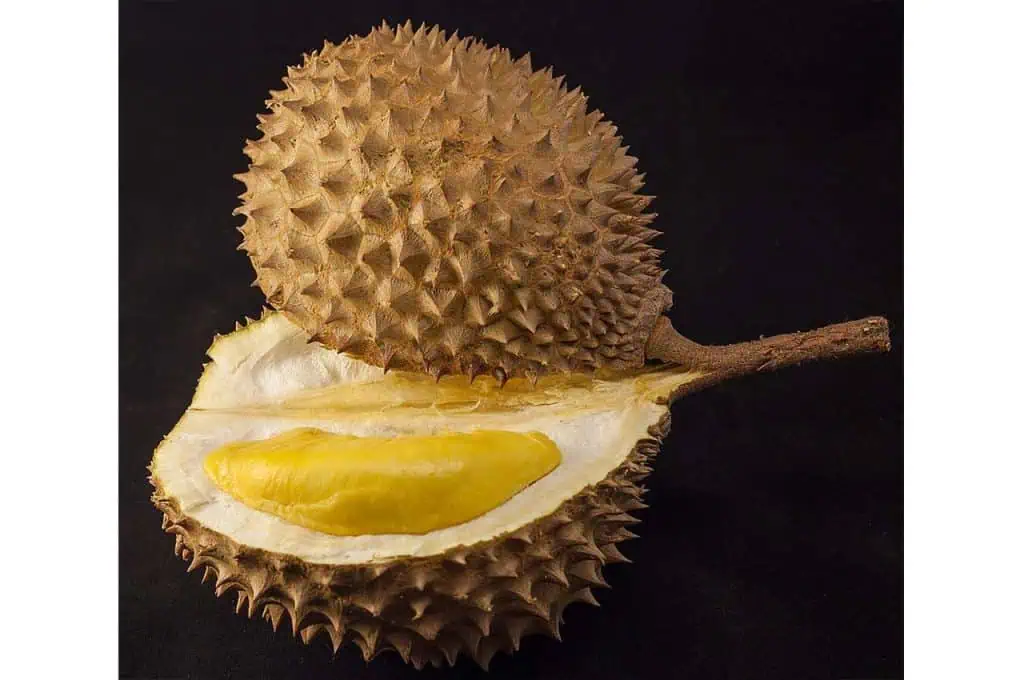
Renowned for its robust odor yet revered for its rich, custard-like flesh, durian offers a buttery texture and sweet almond-like flavor. Selection depends on aroma and firmness—the softer the exterior, the riper the fruit. While its smell can be divisive, it is a delicacy when made into desserts or eaten fresh. Pair with sticky rice or incorporate into ice cream for a luxurious treat. Durian provides a layered experience: an acquired taste for those eager for a bold culinary adventure.
Cuttlefish Ink Pasta: Pitch Black Delight
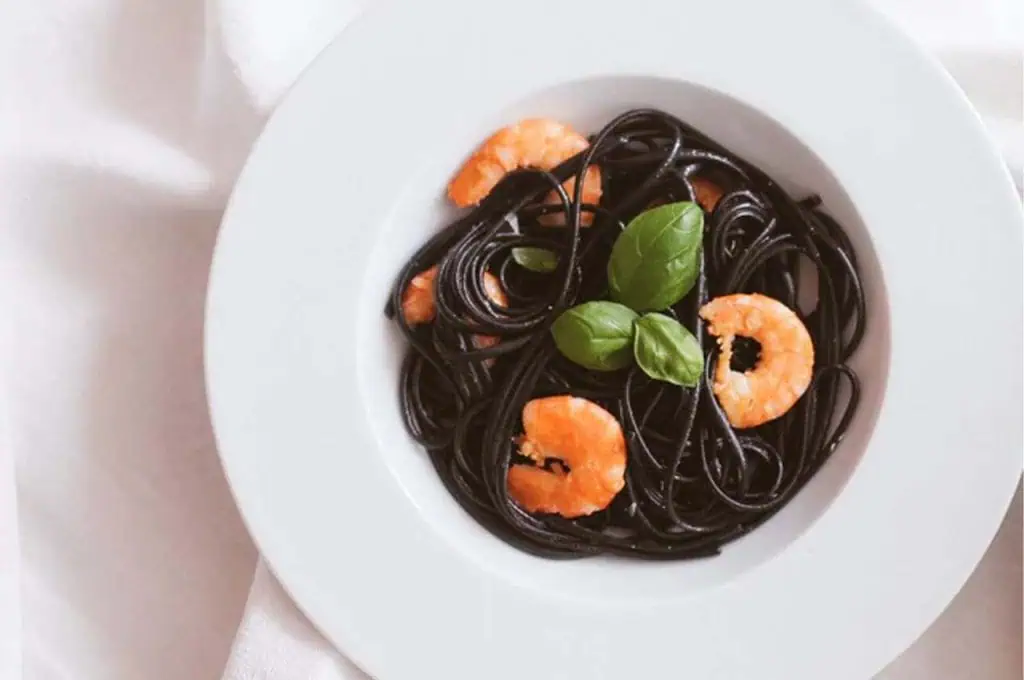
Cuttlefish ink transforms pasta into a striking, deep black dish, imparting a subtle sea-infused flavor. The ink’s rich, briny taste pairs seamlessly with seafood, enhancing dishes with its umami depth. Achieve a perfect balance by combining with garlic, chili flakes, and white wine to create a sauce that coats the pasta beautifully. The result is not just visually stunning but also a testament to harmonious flavors and textures, making it a genuine culinary conversation starter.
Get the recipe: Cuttlefish Ink Pasta
Stinky Tofu: Scary Smell, Comforting Taste
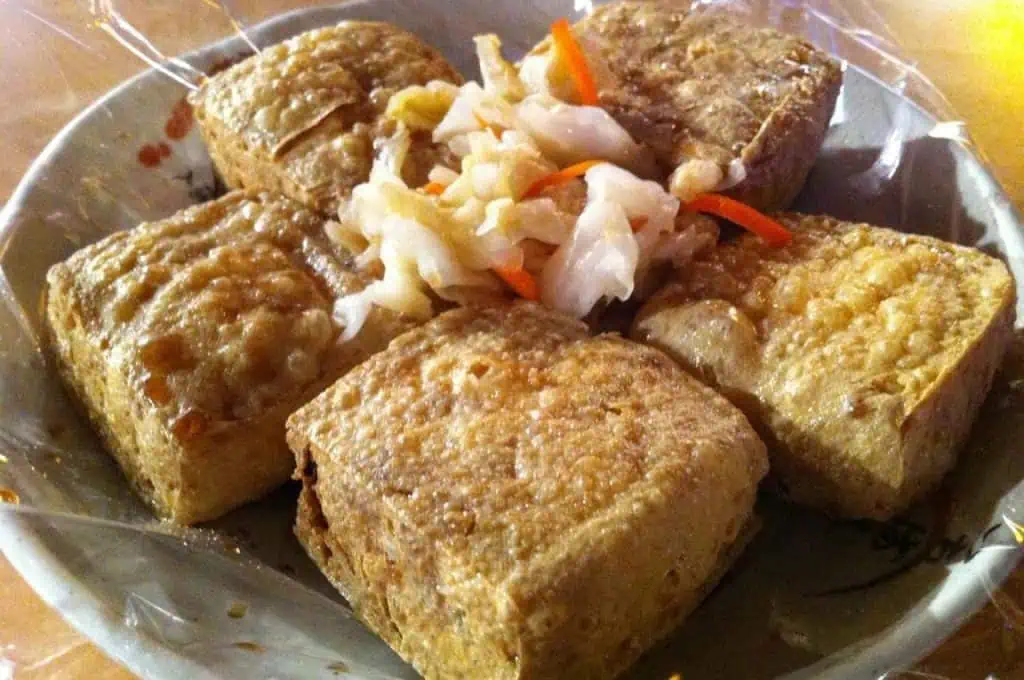
Stinky tofu is notorious for its potent aroma, yet it transforms into a comforting delight on the palate. Originating from Southeast Asia, this fermented dish is often served deep-fried to a golden crisp, offering a delightful contrast between a crunchy exterior and a silky, tender interior. The fermentation process imparts a unique depth, enhancing the tofu with umami-rich complexities. Serve it hot, garnished with pickled vegetables for a refreshing tang that balances the robust flavor. Approach this dish with an open mind, and you’ll discover why it’s beloved despite its pungent reputation.
Monkfish: The ‘Ugly’ Chef’s Favorite
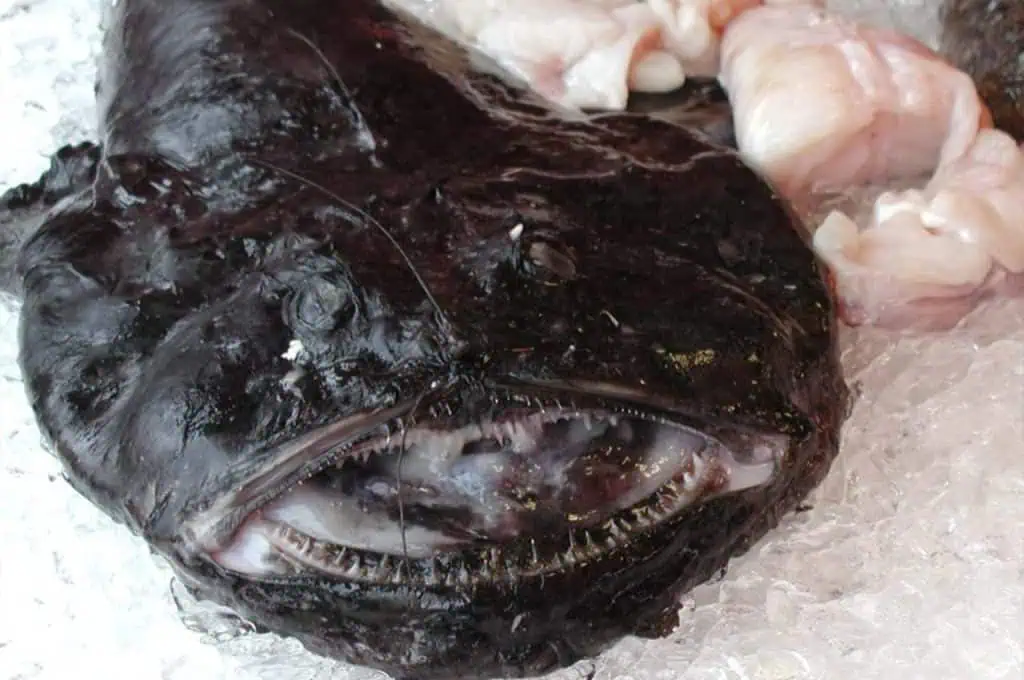
Monkfish may be visually unappealing, but its dense, meaty texture and mild, sweet flavor have made it a favorite among chefs. Often dubbed “poor man’s lobster,” its lean flesh holds up well to a variety of cooking methods. Sautéing monkfish in butter until it just begins to flake is a simple yet effective technique. Pair with a lemon-butter sauce or a zesty gremolata to enhance its natural sweetness. Ensure the skin and membranes are properly removed to avoid any toughness, and you’ll have a beautifully tender dish that’s as impressive as it is unexpectedly delicious.
Blood Sausage: Rich and Hearty
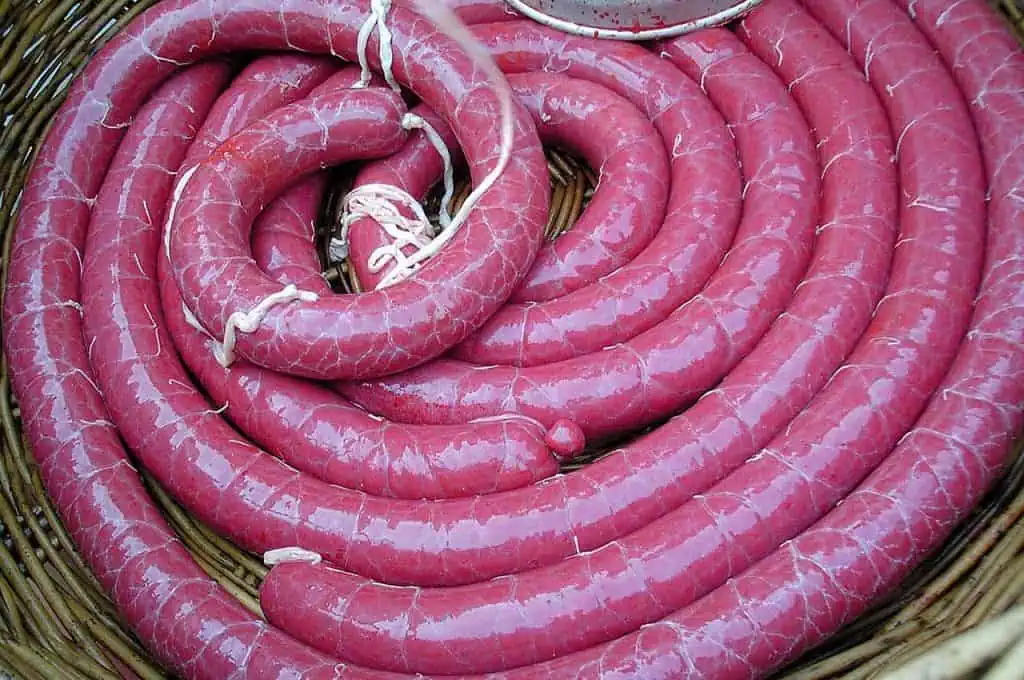
Blood sausage, known for its deep, savory flavor, is crafted using blood mixed with fillers like rice or oats, then encased in a sausage skin. The texture is creamy, and the taste is reminiscent of a rich pâté. To prepare, slice the sausage and gently pan-fry until the edges are crispy and caramelized, enhancing its inherent flavors. Pair it with sautéed apples or onions to add a touch of sweetness that complements the savory richness. This dish is comforting and robust, offering a unique culinary experience that highlights traditional methods of maximizing flavor.
Chicken Feet Dim Sum: Local Delight
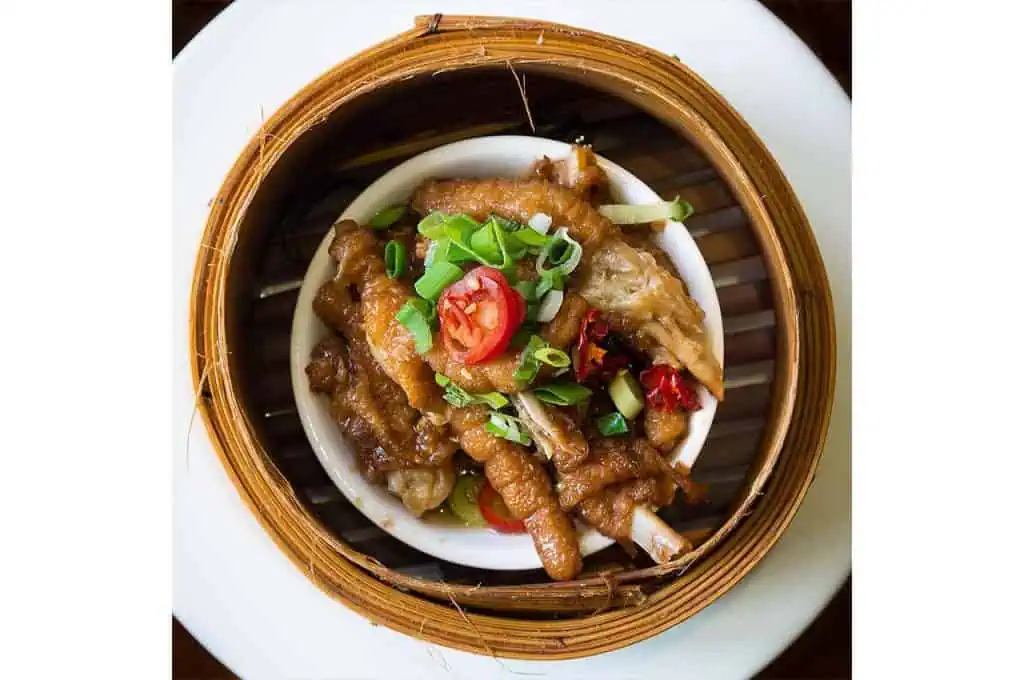
Chicken feet may appear unassuming, yet they are a dim sum staple prized for their gelatinous texture. Braised for hours in a fragrant broth of soy sauce, star anise, and ginger, the feet soak in flavor, offering a tender bite and a depth of taste. The key to preparation is a long, slow simmer that breaks down the collagen, giving the dish its signature silkiness. Serve the feet with a drizzle of the reduced braising liquid for a savory glaze. This dish is best accompanied by hot tea, enhancing the flavors and providing a versatile dining experience.
Fermented Shark: Mild and Surprising
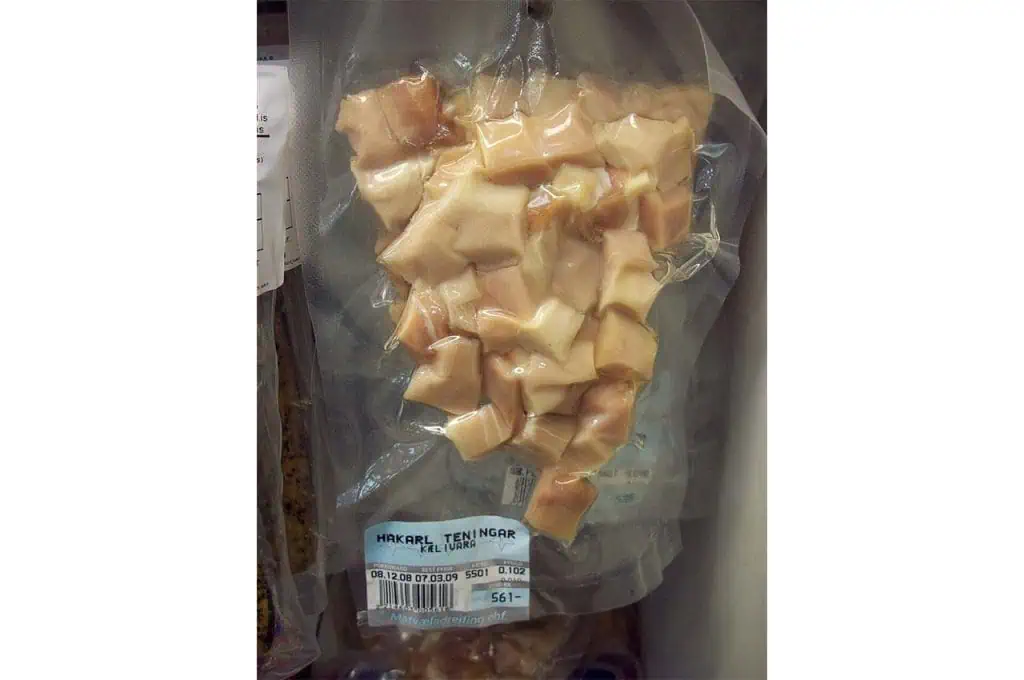
Fermented shark, or hákarl, from Iceland, is often approached with trepidation due to its strong initial odor. However, once tasted, the flavor is surprisingly mild, with a texture akin to cured cheese. The shark is traditionally cured with a multi-month fermentation that renders it almost delicately flavored, akin to a firm, fishy cheese. Sliced thin, it is typically served with robust Icelandic spirits to cleanse the palate. The peculiar preparation technique makes it a dish worth trying, exemplifying the transformative magic of fermentation in developing subtlety from intensity.
Sea Urchin: Strange Looks, Melts on Tongue
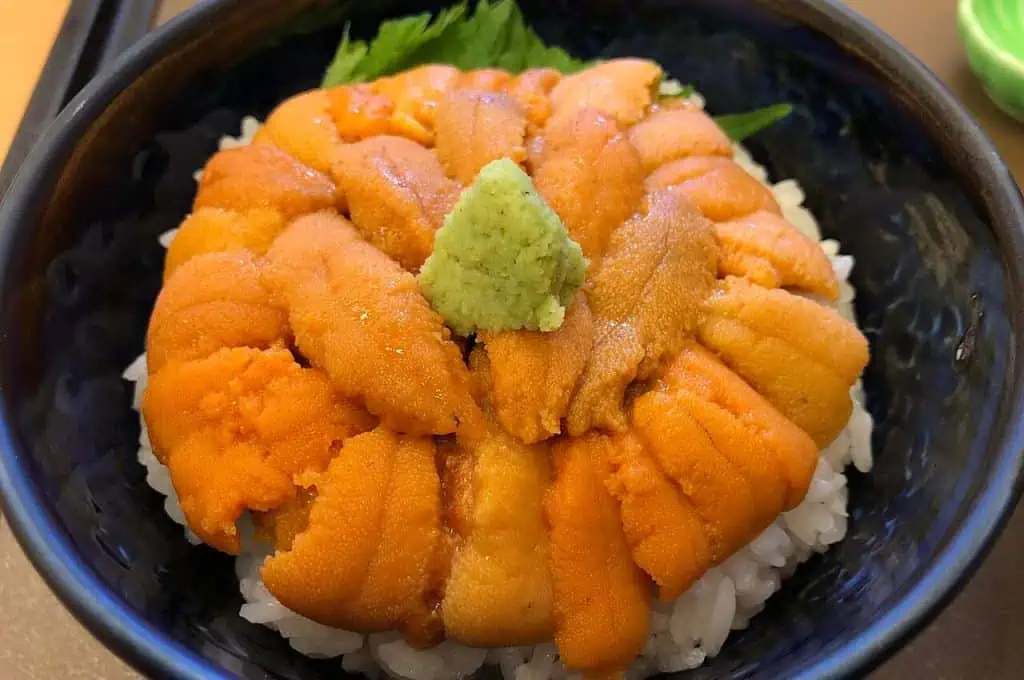
Sea urchin, with its spiky exterior, conceals a culinary reward inside. The bright orange roe is often savored raw, offering a briny flavor and buttery texture that melts on the palate. When preparing sea urchin, handle it gently to avoid damaging the delicate lobes. Pair with simple accompaniments like a squeeze of lemon or a touch of soy sauce to enhance its natural taste. Serving it atop sushi or mixed with pasta allows its rich essence to shine without overpowering other ingredients.
Fried Tarantulas: Crispy Street Snack

Fried tarantulas transform from creepy to crispy when handled with care. Originating in Cambodia, these spiders are seasoned and fried to golden perfection. For the best results, ensure they’re properly cleaned and seasoned with spices such as salt, pepper, and garlic. Deep-fry until the exterior is crisp and the legs are crunchy. Serve with a side of lime or chili sauce for added zest. The contrast between the savory coating and tender meat inside is a surprising delight for adventurous eaters.
Jellied Eels: British Classic
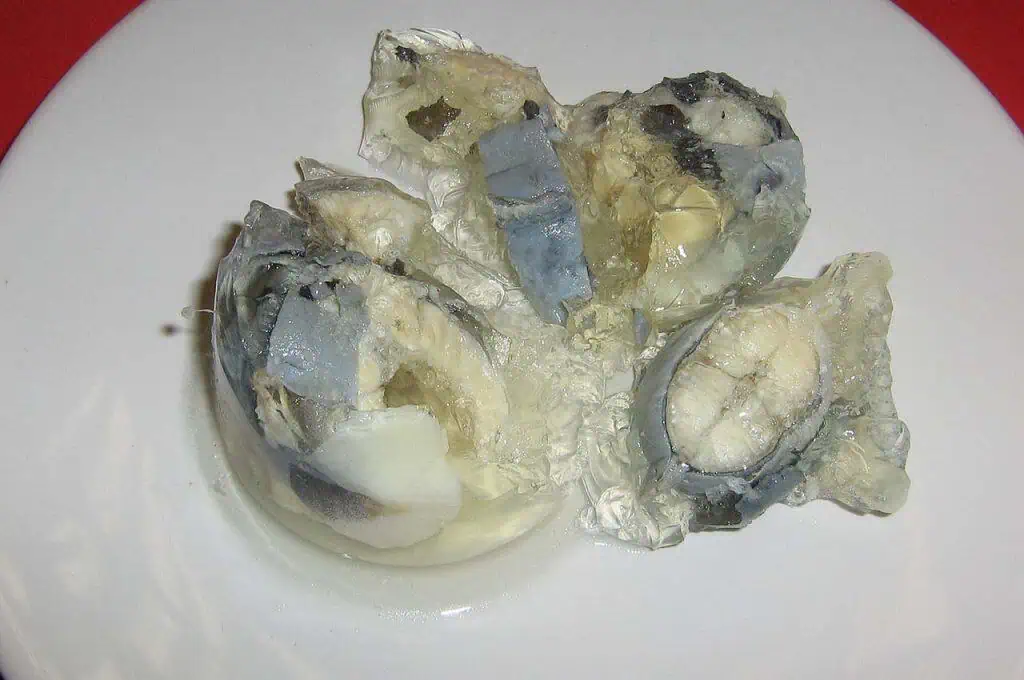
Jellied eels, a staple of East London, intrigue with their gelatinous appearance. Made by boiling eels and allowing the naturally occurring gelatin to set, they offer a mildly sweet and fishy taste. Begin by simmering skinned eels with bay leaves, vinegar, and peppercorns until tender. Remove from heat and let the broth cool, setting the natural gel. This dish pairs well with a splash of vinegar for acidity. The combination of firm eel pieces suspended in tangy jelly provides a unique texture experience.
