
12 Foods That Taste Amazing but Are Secretly Nutritional Nightmares
Some foods earn their popularity honestly; they taste great, feel comforting, and show up everywhere from restaurants to home kitchens. The problem is that many of these favorites quietly pack excessive sugar, sodium, unhealthy fats, or empty calories that don’t support long-term health. Because they’re familiar and widely accepted, people often underestimate their impact. These twelve foods taste incredible, but nutritionally, they can work against the very balance many Americans are trying to achieve.
Cheese Pizza

Cheese pizza feels deceptively simple, but nutritionally, it’s far from balanced. The refined white-flour crust spikes blood sugar, while processed cheese contributes high levels of saturated fat and sodium. A few slices can easily exceed recommended daily limits for salt and calories without providing much fiber or micronutrients. Because it’s familiar and comforting, people often eat more than intended. Cheese pizza delivers fast energy and flavor, but very little nutritional support to keep hunger stable or bodies properly fueled.
Chicken Alfredo
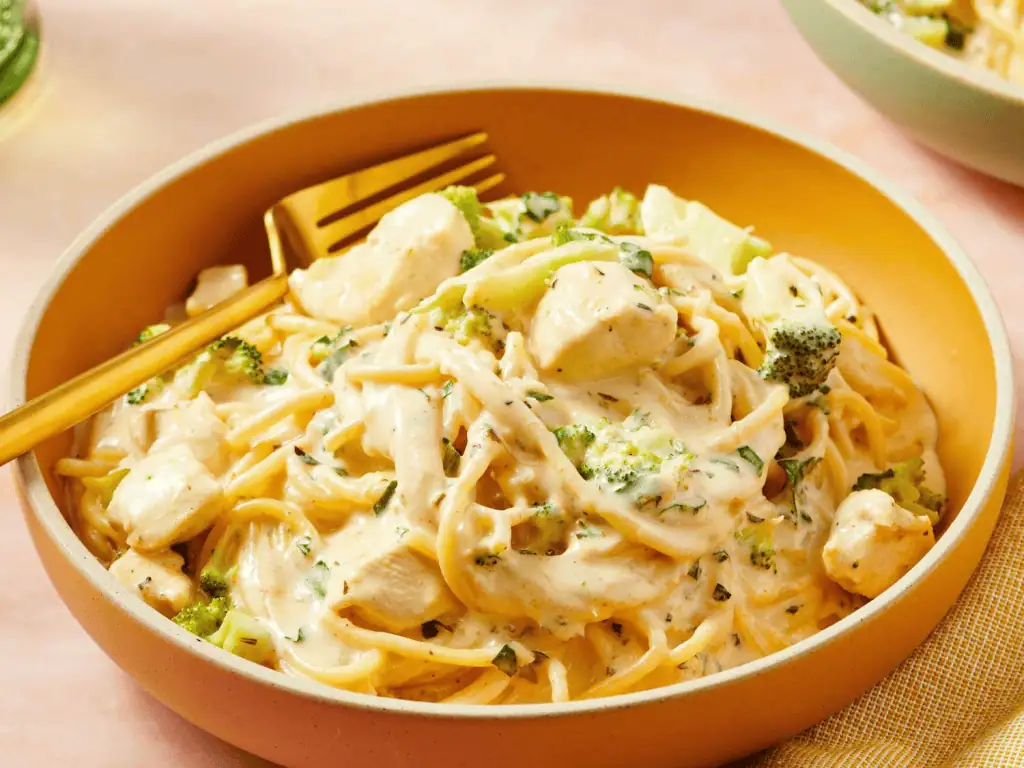
Chicken Alfredo is often seen as a hearty, protein-rich meal, but the creamy sauce tells a different story. Heavy cream, butter, and cheese dominate the dish, driving calorie and saturated fat levels extremely high. The pasta adds refined carbohydrates with minimal fiber, meaning the meal feels heavy but doesn’t sustain energy well. While it tastes indulgent and satisfying, it’s one of those dishes where the nutritional cost far outweighs the perceived benefit.
Loaded Nachos
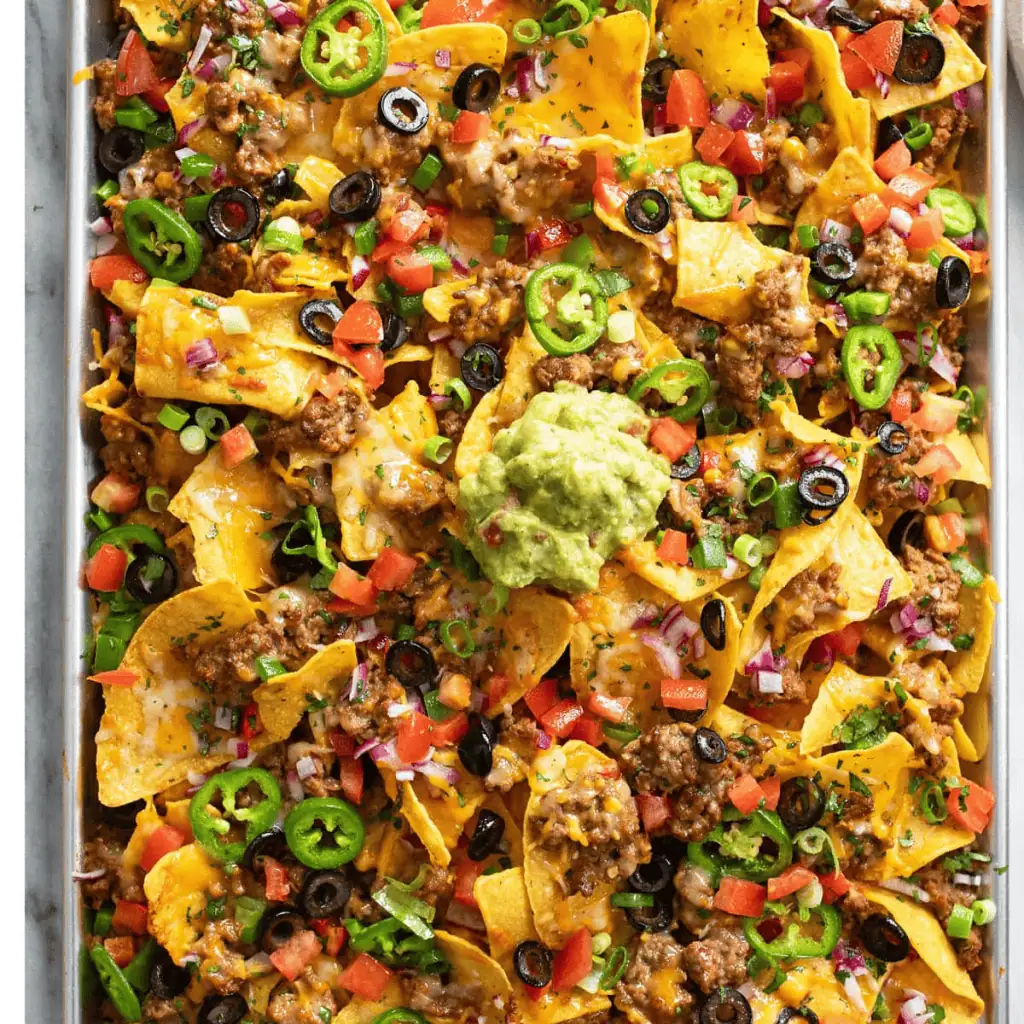
Loaded nachos combine nearly every nutritional pitfall into one plate. Fried chips provide refined carbs and oil, cheese adds saturated fat, meats boost sodium, and portions are rarely modest. Vegetables, when present, are usually minimal. Because nachos are meant for sharing, it’s easy to consume large amounts without noticing. They’re designed for indulgence, not balance, making them one of the most calorie-dense and nutrient-poor snacks disguised as a casual appetizer.
Breakfast Pastries

Croissants, danishes, and turnovers taste luxurious but function nutritionally like dessert. They’re made with refined flour, butter, and sugar, offering little protein or fiber to stabilize energy levels. Despite being labeled as breakfast foods, they cause quick blood sugar spikes followed by crashes. Their portability and familiarity make them an easy morning choice, but they leave people hungry again quickly while contributing excess calories without meaningful nutrition.
Flavored Yogurt
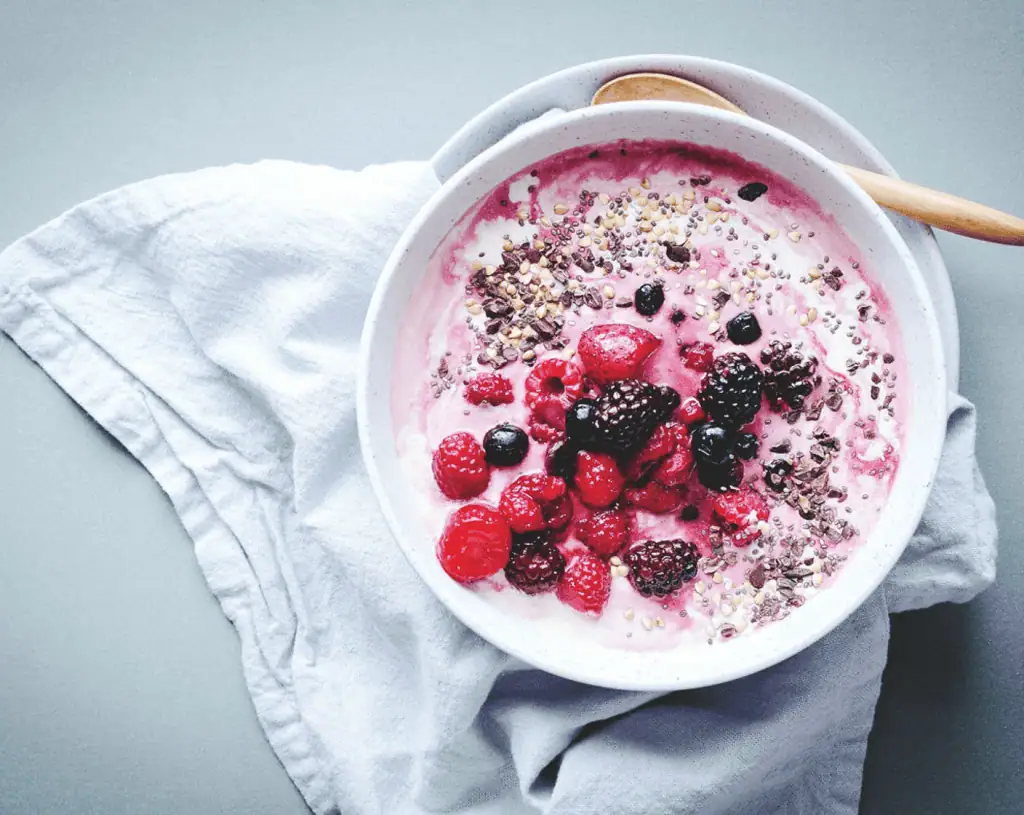
Flavored yogurt benefits from a healthy reputation, but wide varieties are sugar-heavy desserts in disguise. Fruit flavors are often sweetened with syrups or concentrates rather than whole fruit, pushing sugar levels close to candy territory. While yogurt naturally contains protein and probiotics, those benefits are overshadowed when sugar content is excessive. The result is a product that tastes wholesome but behaves metabolically more like a treat than a nutritious staple.
Fried Chicken

Fried chicken delivers irresistible crunch and flavor, but the frying process dramatically alters its nutritional value. Oil absorption increases calorie density, while breading adds refined carbs and sodium. Even though chicken itself is a good protein source, frying shifts the balance toward unhealthy fats. The meal feels satisfying and nostalgic, which makes portion control difficult. It’s a comfort food that quietly carries far more nutritional weight than many realize.
Milkshakes

Milkshakes feel harmless because they’re cold, familiar, and drinkable, but they’re among the most calorie-dense foods people consume casually. Ice cream, milk, and syrups combine into a sugar-heavy drink that can rival an entire meal’s calorie count. Because they’re consumed quickly, satiety signals don’t keep up. Milkshakes taste incredible, but nutritionally, they deliver excess sugar and fat with almost no balance.
Creamy Salad Dressings

Creamy dressings often undo the nutritional benefits of salads. Ranch, Caesar, and similar dressings pack high amounts of fat, sodium, and added sugars into just a few tablespoons. Many people underestimate portion sizes, turning vegetables into calorie carriers rather than nutrient sources. While dressing improves flavor and encourages vegetable intake, heavy use transforms salads into stealth indulgences rather than light, balanced meals.
Processed Deli Meats

Deli meats are convenient and savory, making them lunch staples, but they come with hidden drawbacks. High sodium levels, preservatives, and saturated fats are common, especially in cured varieties. While they provide protein, the long-term health trade-offs are often ignored. Their ease and taste mask how frequently they contribute excess salt and additives to everyday diets.
Ice Cream

Ice cream is loved for its creamy sweetness, but nutritionally, it offers little beyond sugar and fat. Even moderate servings can push daily sugar limits quickly. Because it’s associated with comfort and reward, portion sizes often creep upward. While occasional enjoyment fits most diets, regular consumption quietly adds empty calories that crowd out more nourishing foods.
Instant Ramen

Instant ramen is praised for convenience and cost, but nutritionally, it’s one of the weakest meal options available. The noodles are refined and low in fiber, while seasoning packets can exceed daily sodium recommendations in one serving. Protein content is minimal, leaving the meal unbalanced. It fills the stomach temporarily but provides little lasting nourishment, making it a nutritional trade-off for speed.
Cheese-Stuffed Foods

Cheese-stuffed versions of burgers, breadsticks, or pasta amplify indulgence by layering fat and salt into already rich foods. Stuffing dramatically increases calorie density without adding meaningful nutrients. These items are engineered for maximum flavor rather than balance, making overeating easy. They taste incredible by design, but nutritionally they deliver excess with very little return.
