
12 Retro 80s Snacks Stranger Things Made Cool Again
Stranger Things didn’t rely on flashy product placement or invented foods to build its world. Instead, it leaned into the everyday snacks that actually filled kitchens, freezers, and backpacks in the 1980s. By placing familiar foods into emotionally charged moments, the show transformed ordinary snacks into symbols of comfort, safety, and childhood routine. What once felt boring or outdated now feels meaningful and cool again. These twelve retro 80s snacks weren’t reinvented they were remembered, and that memory is exactly why they’ve made such a strong comeback.
Eggo Waffles

Eggo waffles went from simple freezer breakfast to full-blown cultural symbol almost overnight. In the 80s, they represented convenience, independence, and childhood routine. Stranger Things reframed them as emotional currency, tying them to trust, comfort, and care. The waffle’s simplicity became part of its power, reminding viewers how ordinary foods once carried deep meaning. Today, Eggo waffles feel less like a shortcut and more like a nostalgic ritual, directly tied to the show’s emotional core.
Sloppy Joes
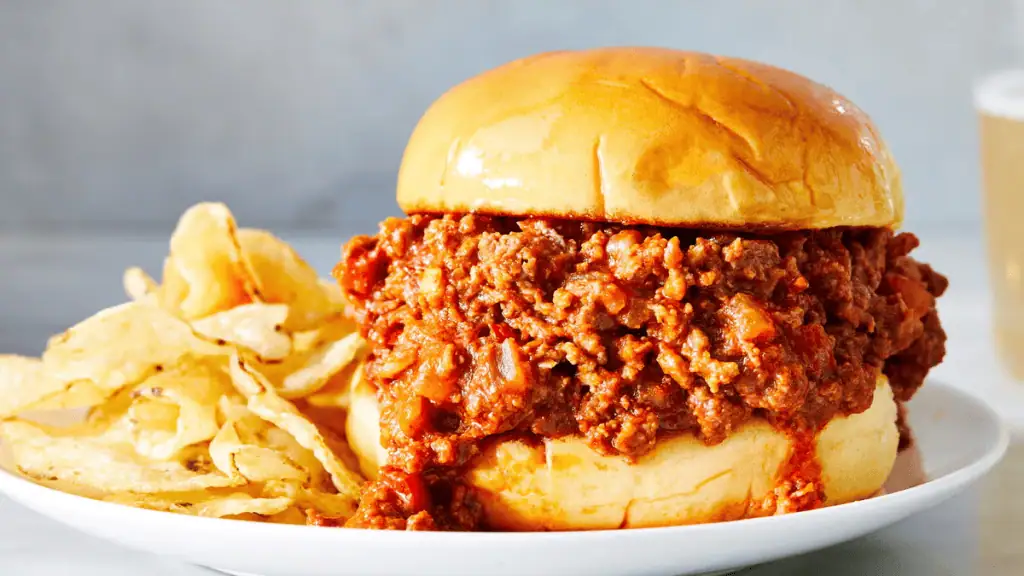
Sloppy Joes were a staple of 80s family dinners because they were cheap, filling, and unfussy. Stranger Things brought them back as symbols of real, lived-in households rather than polished TV kitchens. The messiness feels authentic, representing meals eaten quickly between homework and bike rides. What once seemed dated now feels honest and comforting. The show reminded viewers that food didn’t need to look perfect to matter.
Pizza Rolls
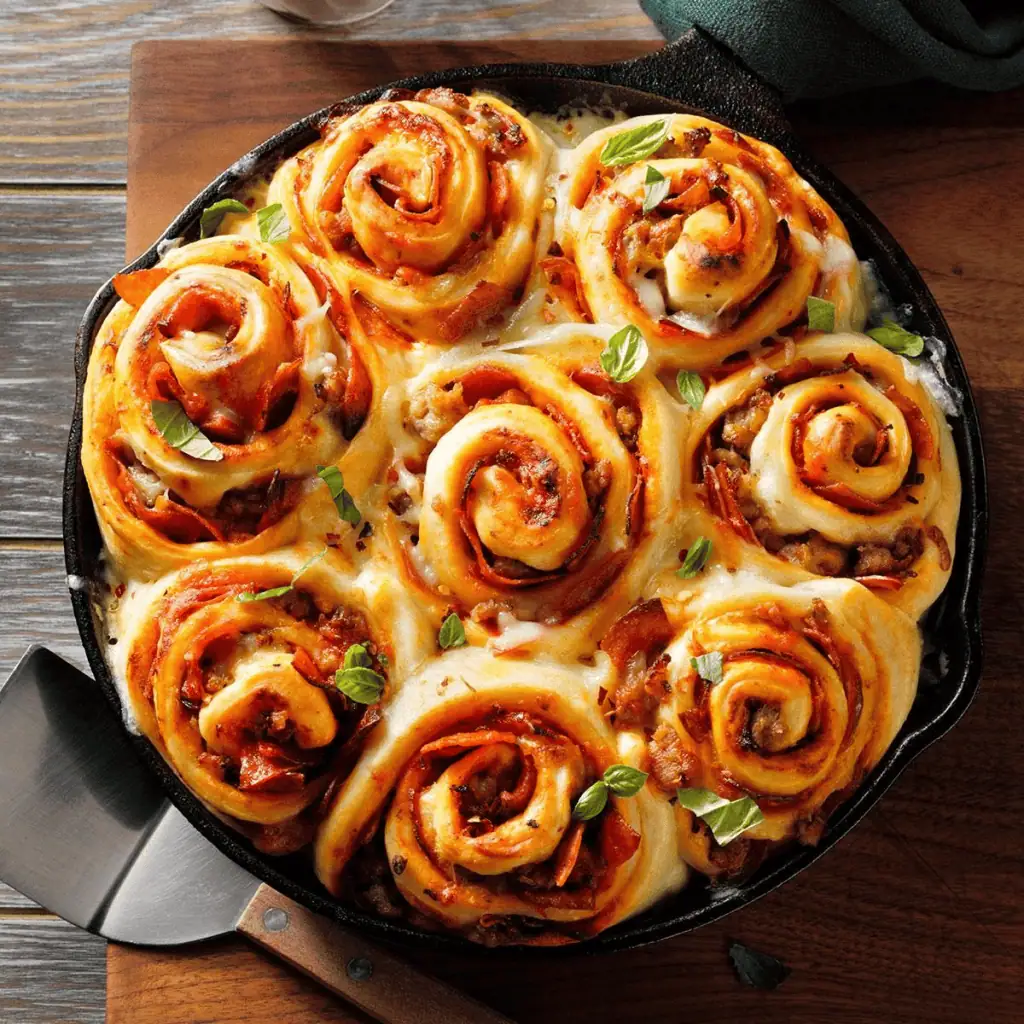
Pizza rolls embodied freezer-food culture in the 80s, designed for kids and teens who wanted independence. Stranger Things reframed them as normal, everyday fuel rather than lazy eating. Their bite-sized format and cheesy filling fit the show’s tone of casual snacking during intense moments. Today, pizza rolls feel nostalgic instead of embarrassing, proving how context can completely change perception.
Mall Pretzels
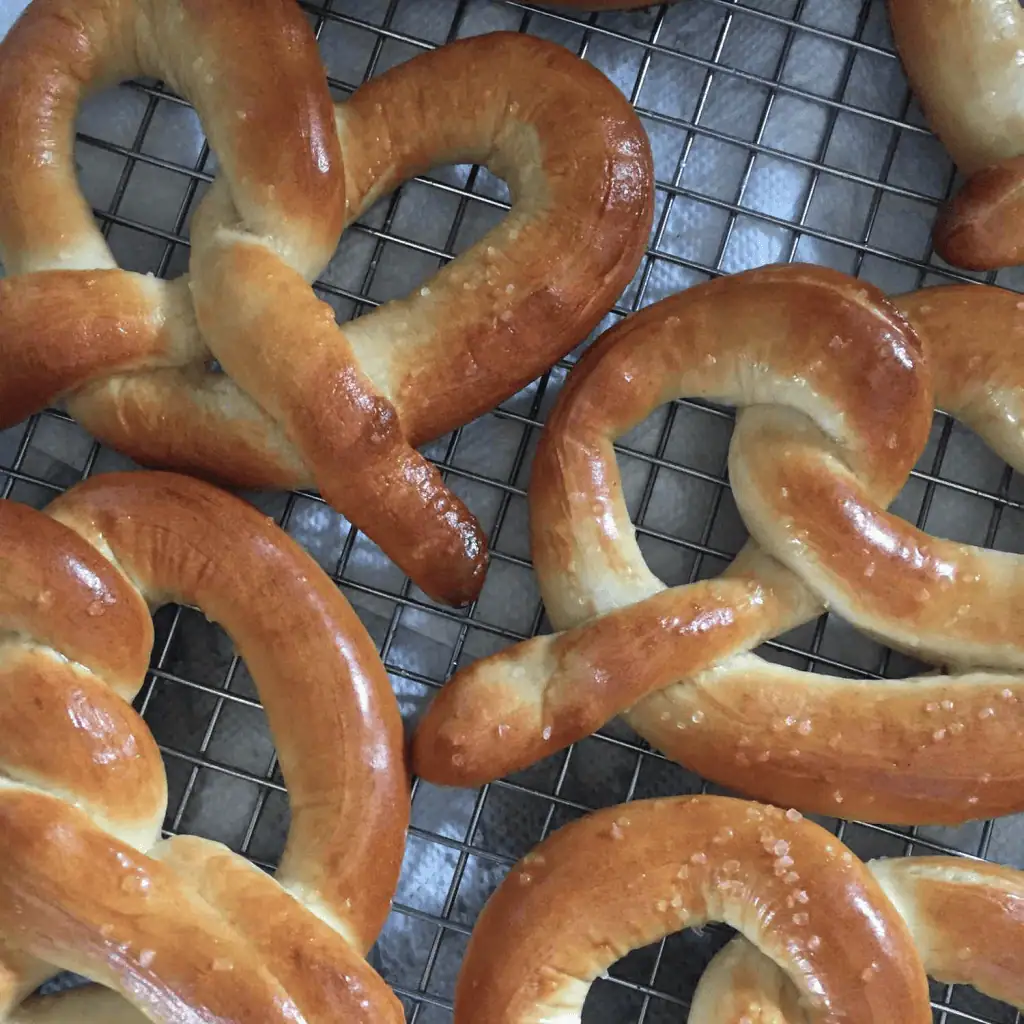
Soft pretzels were inseparable from 80s mall culture, representing freedom, socializing, and independence. Stranger Things revived that connection by making malls central to its storytelling. Pretzels now feel like artifacts of a time when hanging out mattered more than screens. The snack’s revival taps into that sense of shared public space, making it feel cool again through memory rather than reinvention.
Canned Soda
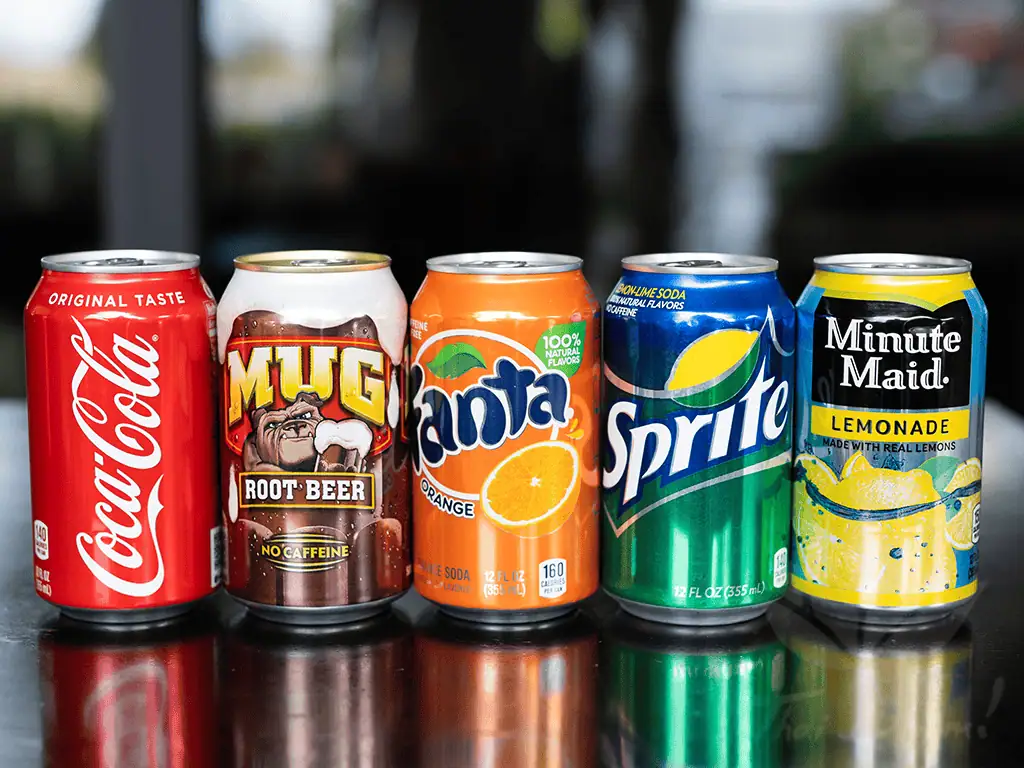
In the 80s, soda was everywhere at dinners, parties, and convenience stores. Stranger Things treated soda as a background detail, which is exactly what made it powerful. Seeing familiar cans on screen reminded viewers how normal and constant they once were. That casual presence turned soda into a nostalgic marker of everyday life, rather than a flashy product.
Ice Cream Scoops
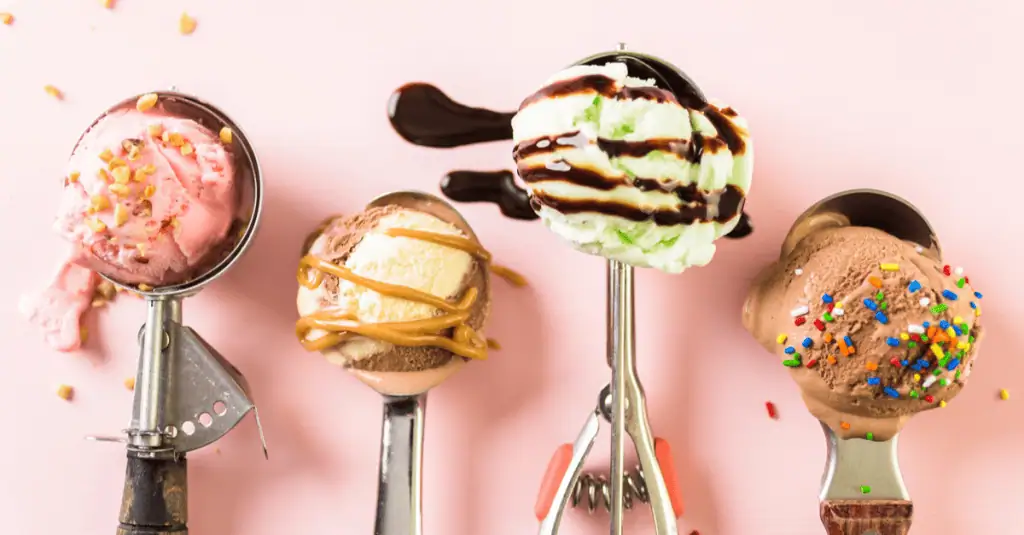
Ice cream scoops were ordinary in the 80s, but Stranger Things transformed them into something iconic through Scoops Ahoy. Simple cones became symbols of summer jobs, friendship, and growing up. The show elevated classic scoops without changing them, reminding viewers how emotionally loaded even simple desserts can be. Ice cream now feels tied to storytelling, not just sweetness.
Cheese Puffs
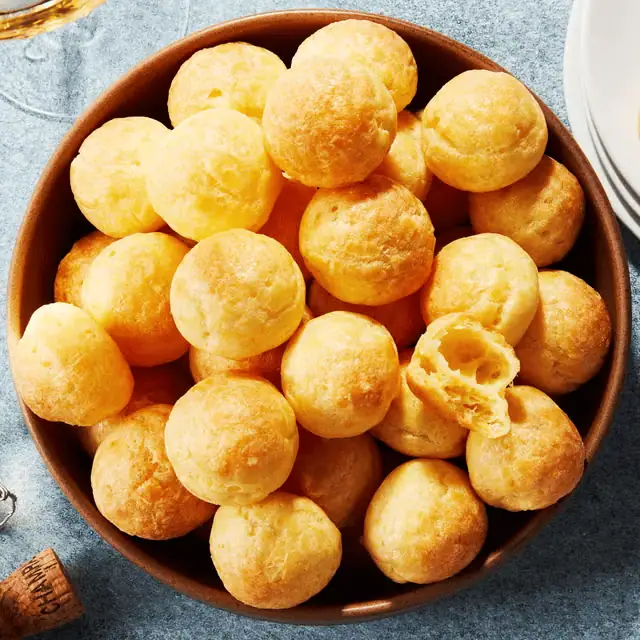
Bright orange cheese puffs were unapologetically messy and fun, perfectly matching 80s snack culture. Stranger Things brought them back as symbols of carefree childhood eating. Their bold color and crunch feel playful rather than embarrassing. What once felt like junk food now feels honest and nostalgic, embraced instead of hidden.
Peanut Butter Sandwiches
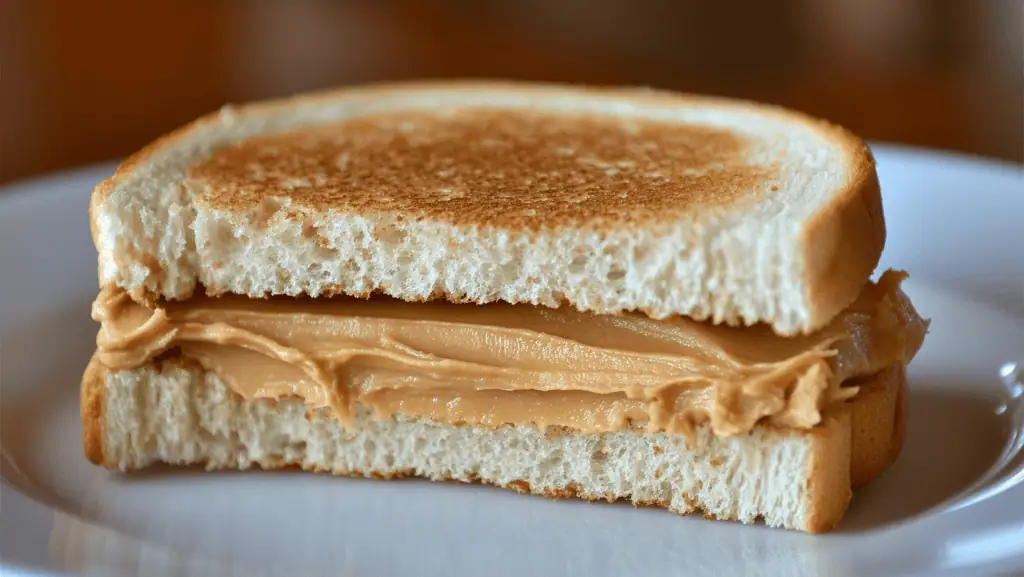
Peanut butter sandwiches were everyday survival food for 80s kids, simple, filling, and reliable. Stranger Things highlighted their role as quiet comfort rather than excitement. The show made them feel grounded and safe, especially in tense moments. Today, they represent stability and childhood routine, proving that simplicity can carry emotional weight.
Frozen TV Dinners
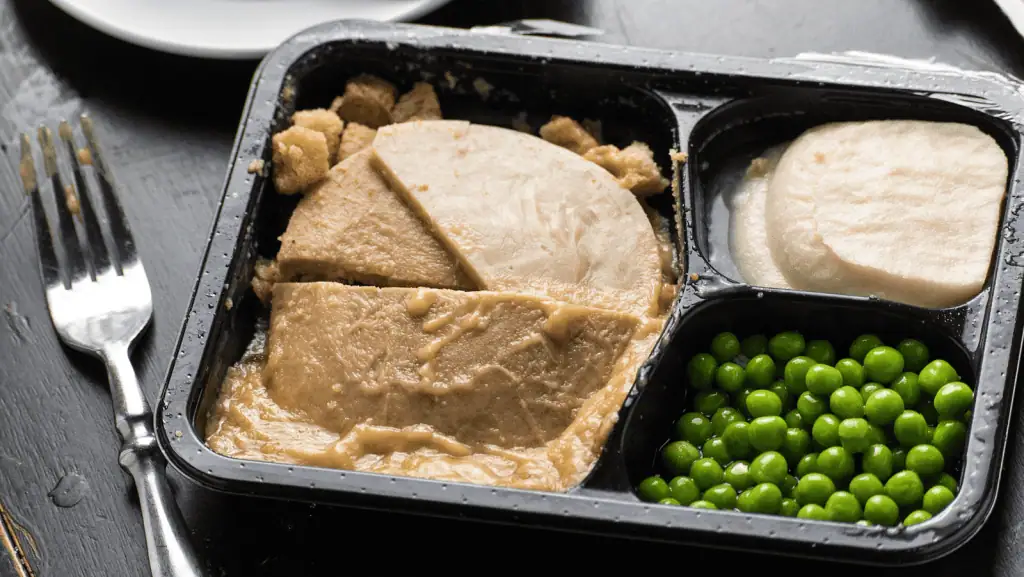
Frozen TV dinners symbolized independence and modern convenience in the 1980s, especially for families adjusting to busier schedules and dual-income households. They represented a new kind of freedom: kids eating on trays, parents multitasking, and dinner no longer tied to formal routines. Stranger Things reframed frozen dinners by showing them as a normal part of family life rather than a symbol of isolation. Characters eat them casually, without commentary, restoring their original role as practical solutions rather than emotional shortcuts. Today, frozen TV dinners feel nostalgic instead of depressing, tied closely to a specific era when convenience first felt modern and optimistic.
Candy Bars
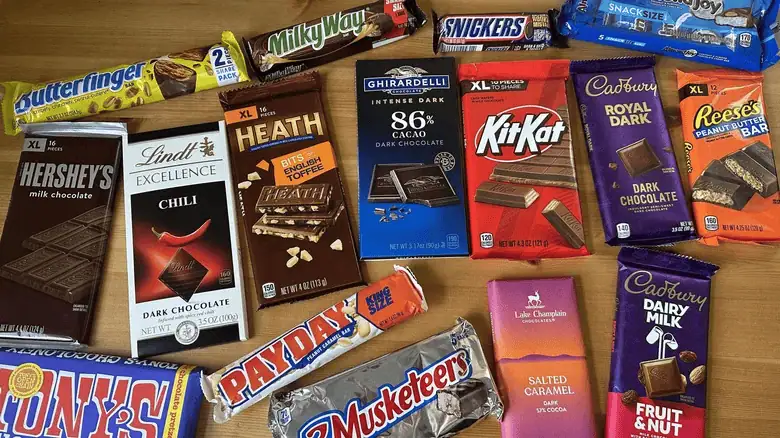
In the 80s, candy bars were everyday treats, not carefully rationed indulgences or special-occasion desserts. Kids grabbed them from corner stores, gas stations, and vending machines without much thought. Stranger Things restored that casual relationship with sweets by placing candy bars naturally into scenes, not as rewards but as habits. Familiar wrappers reinforced realism and childhood routines, reminding viewers how normal these treats once were. Candy bars now feel like time capsules, evoking an era when pleasure was simple and options were limited, long before snack aisles became overwhelming.
Chocolate Milk
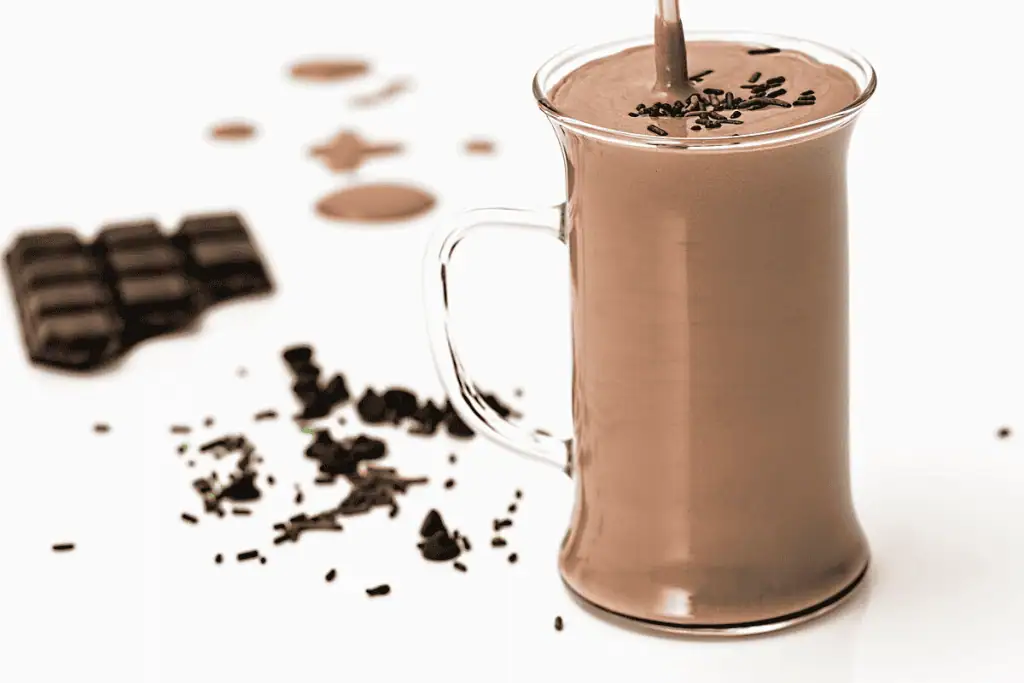
Chocolate milk once represented comfort, routine, and a small but meaningful reward at the end of a day. It was tied to school lunches, after-school snacks, and moments of quiet reassurance. Stranger Things used chocolate milk subtly, without drawing attention to it, allowing viewers to connect emotionally through recognition rather than explanation. Its presence highlighted how small comforts mattered deeply in childhood. Today, chocolate milk feels emotionally charged again—not childish, but symbolic of safety, routine, and the uncomplicated joys that defined everyday life in the 80s.
Popcorn

Popcorn’s power in Stranger Things comes from how unremarkable it is. It appears quietly in the background, reinforcing its role as a constant rather than a novelty. In the 80s homes, popcorn was everywhere, movie nights, family TV time, casual snacking never dressed up or rebranded. Stranger Things reminded viewers that some snacks never needed reinvention to matter. By simply existing on screen, popcorn regained its cool factor. It feels timeless again because it never stopped being relevant, only briefly overshadowed by trend-driven snacks.
