
Lab-Grown Meat: 5 Things You Need to Know About America’s Most Controversial Food Trend
Imagine biting into a juicy burger that was never part of a living animal—sounds like science fiction, right? Well, it's quickly becoming science fact! Lab-grown meat, also called cultivated or clean meat, is one of the most exciting developments in food technology, promising to revolutionize how we think about protein. But with all the buzz comes plenty of questions: Is it really meat? Is it safe? Will it ever be affordable? And most importantly, can it truly help save the planet? Whether you're a curious foodie, an eco-conscious consumer, or just someone wondering what's for dinner in the future, this guide breaks down everything you need to know about this groundbreaking innovation in a way that's easy to digest!
Ready to separate fact from fiction? We're diving into the fascinating science behind how meat is grown in bioreactors (think: brewing beer, but with animal cells!), exploring the environmental claims that have everyone talking, and getting real about the nutritional profile and safety considerations. We'll also tackle the million-dollar question: when will lab-grown meat actually hit grocery store shelves at a price you can afford? From public perception battles to the race for cost-effective scaling, this is your front-row seat to the future of food. So whether you're excited, skeptical, or just plain curious, come along as we explore the meat that's changing everything—one petri dish at a time!
Inside the Lab: How Meat Is Made
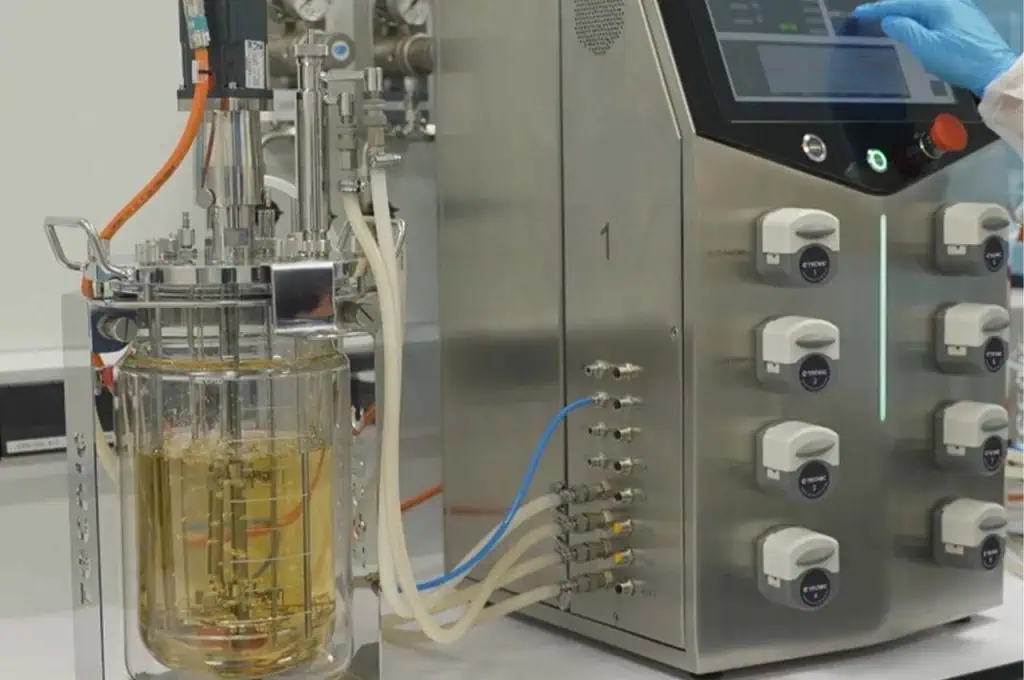
Inside the lab, cultivated meat is made using processes similar to those used in brewing or yogurt production. Scientists begin by placing animal cells into stainless-steel bioreactors, where they are fed nutrients like amino acids, sugars, and vitamins. These cells multiply and form muscle tissue with the help of controlled temperature and oxygen levels. Over time, the tissue is structured into meat products. While the science is proven, scaling production affordably remains one of the industry’s biggest challenges.
Environmental Claims: Sustainability Fact Check

Lab-grown meat often boasts lower environmental impacts compared to conventional farming. Its production typically requires less land and water, and generates fewer greenhouse emissions. However, scaling these methods to meet global demands remains a challenge. Critics argue that energy consumption in laboratories could offset environmental benefits. Comprehensive lifecycle assessments are essential to fully understand its long-term sustainability compared to traditional agriculture.
Health and Nutrition: What to Consider

Claims that lab-grown meat is more sustainable are partly true—but conditional. Studies show it could use far less land and water than conventional beef and significantly cut emissions if produced at scale using renewable energy. However, current production is energy-intensive, and some analyses suggest near-term emissions could rival or exceed pork, chicken, or even beef. Environmental benefits depend heavily on energy sources, efficiency, and large-scale commercialization.
Cost: When Will It Hit the Shelves?

Lab-grown meat’s biggest barrier to everyday availability isn’t the science—it’s cost and scale. Early products debuted at prices far above conventional meat, but companies report steady declines in production costs as technologies improve and bioreactor capacity expands. Regulatory approvals in the U.S. and abroad are increasing, and a handful of pilot products are already entering limited markets. Widespread retail availability at competitive prices depends on further scale-up, lower input costs, and streamlined manufacturing in the next few years.
Public Opinion: The Clean Meat Debate

The conversation around lab-grown meat is as varied as it is vocal. Supporters tout its potential to mitigate environmental damage and improve animal welfare, applauding it as a cruelty-free option. Critics, however, express concerns over its naturalness and cultural impact, questioning whether it will blend or clash with traditional dietary habits. Public perception is slowly shifting as educational outreach clarifies its benefits and origins. This divide highlights the role of transparency and outreach in fostering acceptance, urging producers to engage openly with concerns and curiosities.
