
10 Foods Once Illegal Worldwide You Can Finally Eat Again
Throughout history, certain foods have faced bans due to safety concerns, cultural taboos, or trade restrictions. Today, advancements in food safety and changing perspectives have lifted some of these prohibitions, allowing unique flavors and traditions to be savored once more. This guide explores ten foods that have returned to global menus, inviting culinary adventurers to rediscover tastes previously deemed off-limits. Each reintroduced delicacy brings with it distinct preparation methods and flavor profiles, offering exciting opportunities for home cooks and food enthusiasts alike.
Absinthe: The Green Fairy Returns

Absinthe’s infamous “Green Fairy” reputation was born from early 20th-century bans across Europe and the U.S. amid fears that thujone, a compound in wormwood, caused hallucinations and madness. Governments outlawed the spirit for decades, but later science showed historical absinthes contained only trace thujone and that effects were mostly due to alcohol. As a result, regulators like the U.S. Alcohol and Tobacco Tax and Trade Bureau lifted bans and now allow absinthe with less than 10 ppm thujone, letting many classic and new brands legally return to shelves worldwide.
Raw Milk Cheeses: Safety Bans Lifted

Raw milk cheeses were once widely restricted in the U.S. over concerns about harmful bacteria, but many are now legal again under strict rules. According to the FDA, cheeses made from unpasteurized milk can be sold if they are aged at least 60 days, a process shown to reduce pathogens like Listeria and Salmonella. This regulatory shift has reopened the door to traditional styles such as Roquefort, Parmigiano-Reggiano, and aged cheddars, allowing American consumers access to historic cheese-making traditions while maintaining federally monitored safety standards.
Oysters: Back from Health Scares

Oysters were once heavily restricted due to repeated food-safety warnings tied to Vibrio bacteria, which the CDC says can cause severe illness when raw shellfish is eaten, especially by people with weakened immune systems. Advances in post-harvest processing, tighter harvesting controls, and clearer labeling guidelines outlined by the FDA have significantly reduced risks. While health agencies still advise vulnerable groups to avoid raw oysters, these safeguards have allowed oysters to return to menus nationwide, balancing tradition with modern food-safety standards.
Horse Meat: Reentering Global Markets
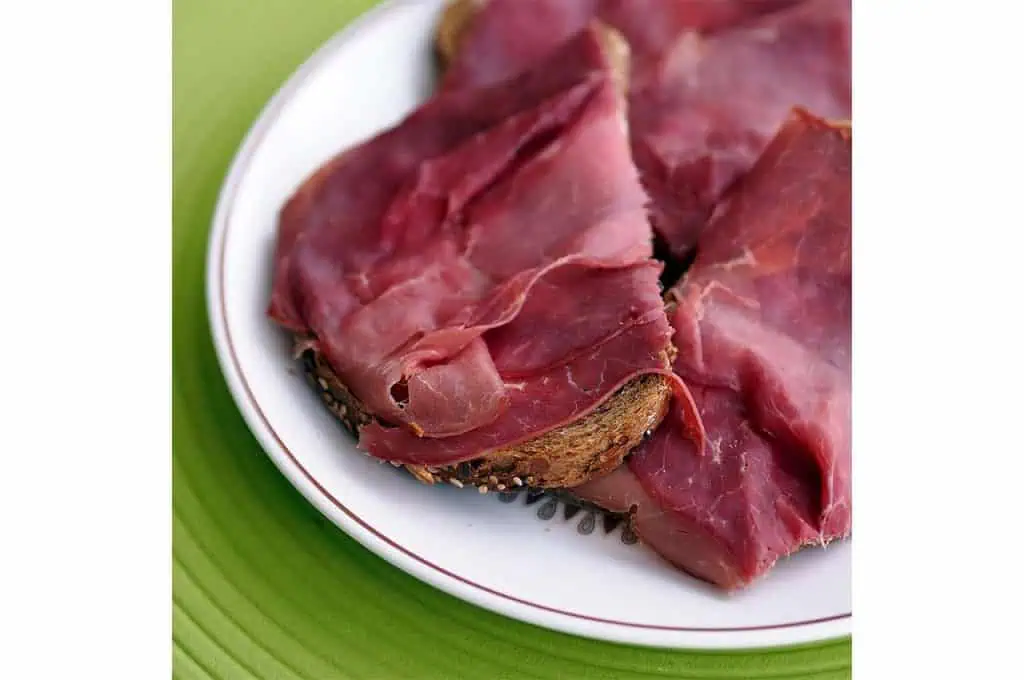
Horse meat was banned or tightly restricted in many countries after food-safety scandals and cultural backlash, but it has slowly reentered legal markets under stricter oversight. According to the European Union, horse meat is now permitted in several member states when animals are traceable and inspected under EU meat regulations. The FAO notes it remains a traditional protein in parts of Europe, Central Asia, and Japan. Improved labeling, DNA testing, and supply-chain controls have helped rebuild trust, allowing limited legal sales to resume in select global markets.
Hemp Foods: Overcoming Cannabis Confusion
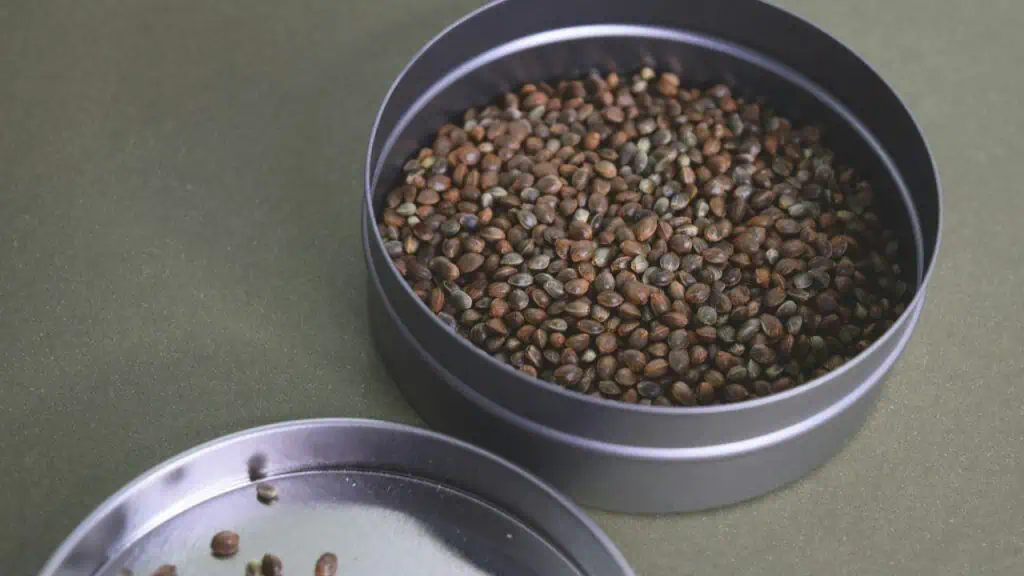
Hemp foods were widely unavailable in many countries for years because hemp’s association with psychoactive cannabis led to blanket bans, despite hemp containing only trace THC. As regulators clarified definitions and safety standards, governments began treating industrial hemp separately. In the U.S., the 2018 Farm Bill legalized hemp cultivation and allowed hemp seed, oil, and protein foods in the marketplace. The FDA now permits hemp ingredients in foods and supplements when safety standards are met. As a result, hemp seeds, flours, and oils are back on shelves worldwide, celebrated for nutrition rather than stigma. (Sources: 2018 Farm Bill; FDA hemp guidance)
Kinder Surprise: Egg-cellent Global Return

Kinder Surprise eggs, chocolate treats with hidden toys, are banned in the U.S. because the 1938 Food, Drug, and Cosmetic Act prohibits embedding non-food items in edible products due to choking hazards, as explained by LegalClarity. To comply, Ferrero introduced Kinder Joy, which separates the toy from the chocolate, allowing it to be sold legally in the U.S., according to The Daily Meal. Globally, the original Kinder Surprise continues to thrive in markets with safety regulations that accommodate the iconic treat.
Unpasteurized Ferments: Safety Reevaluated

Unpasteurized fermented foods like kimchi, sauerkraut, kombucha, and kefir were once viewed as risky due to live microbes, but research and guidance from Stanford Nutrition show that proper fermentation and low pH levels (below 4.6) control harmful bacteria, making them safe for most adults. Regulators, including China’s SAMR, are introducing stricter safety and stability standards for unpasteurized ferments. While generally safe, vulnerable groups should exercise caution, and not all labeled “fermented” products contain live cultures.
Traditional Sausages: Blood and Offal Revenge

Blood sausages and offal-rich links like black pudding and Träipen were once restricted in some markets due to safety concerns over ingredients such as blood and lungs, as explained by EnviroLiteracy. Modern regulations now allow these traditional sausages when strict processing and cooking standards are followed. The EU and other regions have embraced protective designations for heritage recipes, letting consumers enjoy black pudding and similar offal-based sausages safely while preserving centuries-old culinary traditions.
Shellfish Varieties: No Longer Restricted

Shellfish like clams, mussels, and oysters were once restricted due to risks from biotoxins and bacteria, but improved safety measures have reopened markets. The FDA’s National Shellfish Sanitation Program monitors harvest areas, tests for Vibrio and harmful algae, and ensures traceability. Post-harvest processing and seasonal closures further reduce risks, allowing consumers to enjoy a wider variety of shellfish safely, even in regions that previously banned them due to historical food-safety concerns.
Ancient Brews: Fermented Comeback
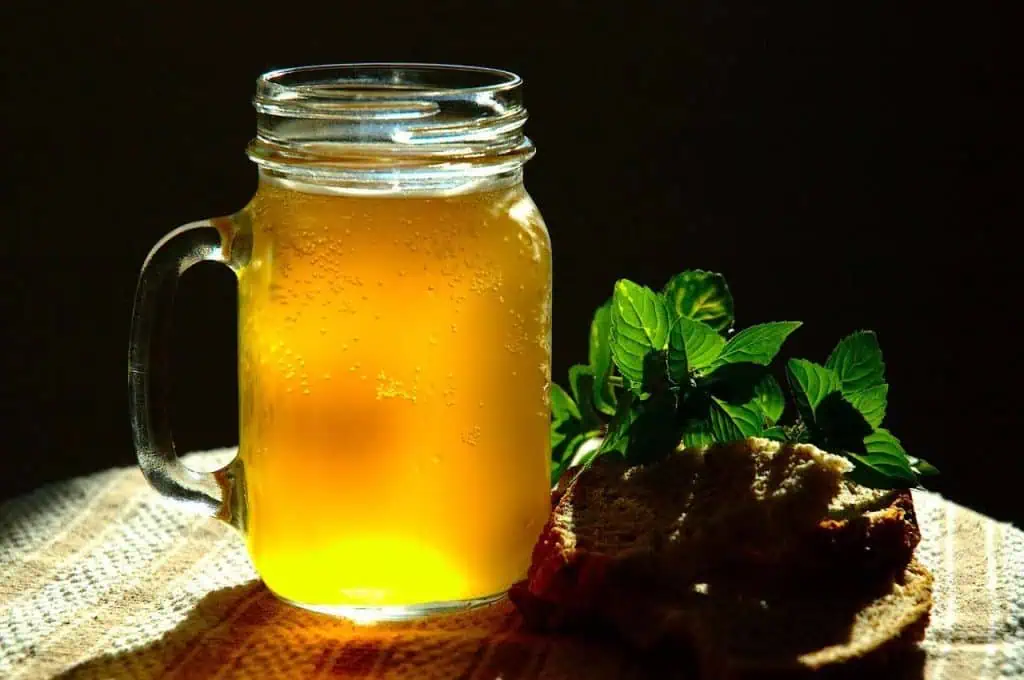
Fermented beverages like mead, kvass, and traditional ciders were often restricted historically due to inconsistent alcohol content, hygiene concerns, and lack of regulatory oversight. Today, modern brewing standards and quality controls have allowed these ancient drinks to reemerge. Organizations such as the Alcohol and Tobacco Tax and Trade Bureau (TTB) in the U.S. and the European Food Safety Authority (EFSA) provide clear guidelines on production, labeling, and alcohol content. As a result, these historic brews are returning to bars and shelves worldwide, celebrated for their flavor, heritage, and artisanal appeal.
