
7 Classic Wartime Recipes Europeans Still Make in Their Homes Today
World War–era shortages forced European households to cook with extreme care, stretching limited ingredients while still feeding families. Many recipes from that period were shaped by rationing, preservation needs, and practicality rather than taste or presentation. Yet some of these dishes endured long after the wars ended, not out of necessity but because they proved comforting, economical, and adaptable. Today, these recipes continue to appear on home tables across Europe, passed down through families as reminders of resilience, frugality, and the power of simple cooking.
Potato Soup
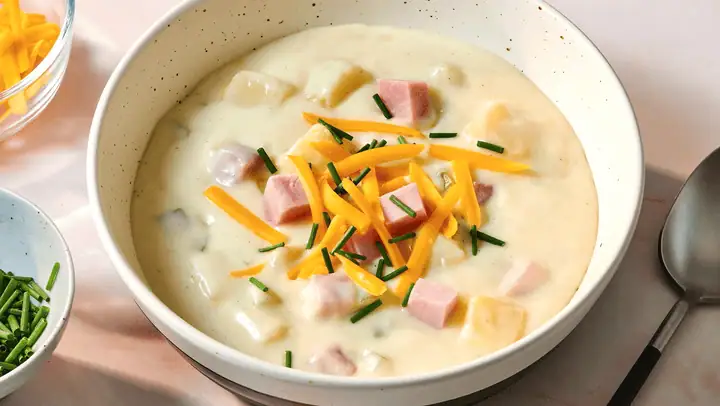
Potato soup became a wartime staple across Europe because potatoes were affordable, filling, and widely available even during shortages. The recipe relied on minimal ingredients, often just potatoes, onions, water or broth, and salt. Some households added milk or fat when available, but the dish worked even in its simplest form. Today, European families still make potato soup as a comforting, inexpensive meal, often enhancing it with herbs or cream while preserving its humble, nourishing core.
Bread Dumplings
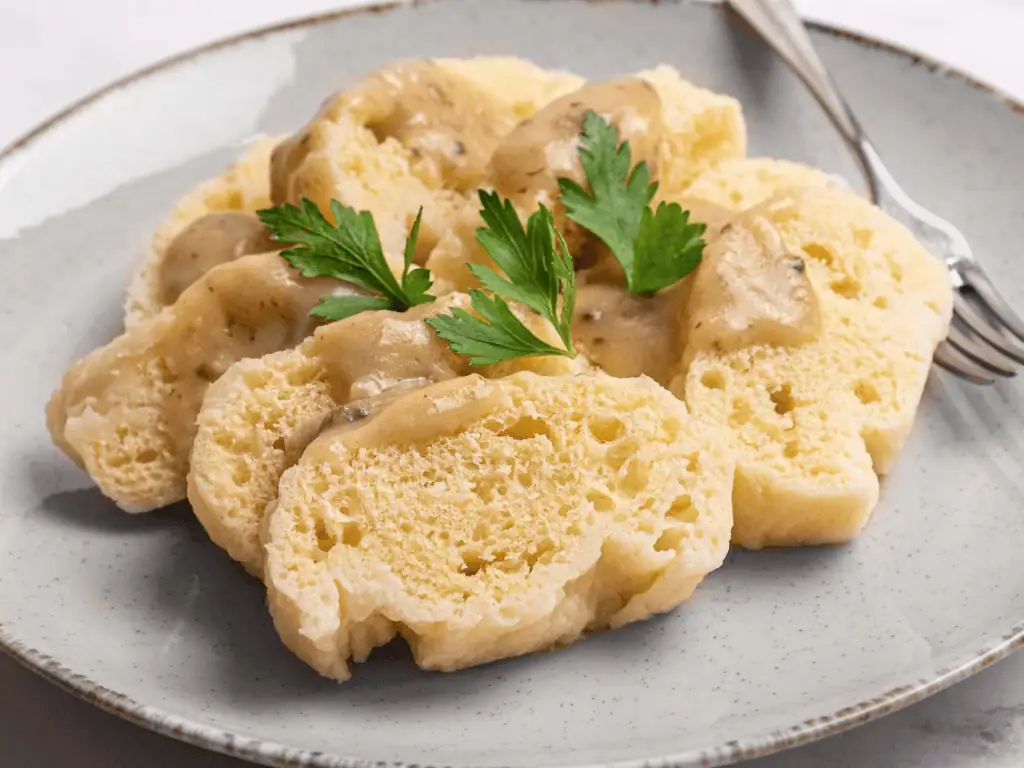
Bread dumplings were developed as a way to avoid wasting stale bread during rationing. Cubes of old bread were soaked, mixed with eggs or flour when possible, and boiled or steamed into filling dumplings. This method transformed leftovers into a substantial meal component. In countries like Germany, Austria, and the Czech Republic, bread dumplings remain common today. They are now served intentionally with roasts or sauces, proving that thrift-driven cooking can become a beloved tradition.
Cabbage Stew
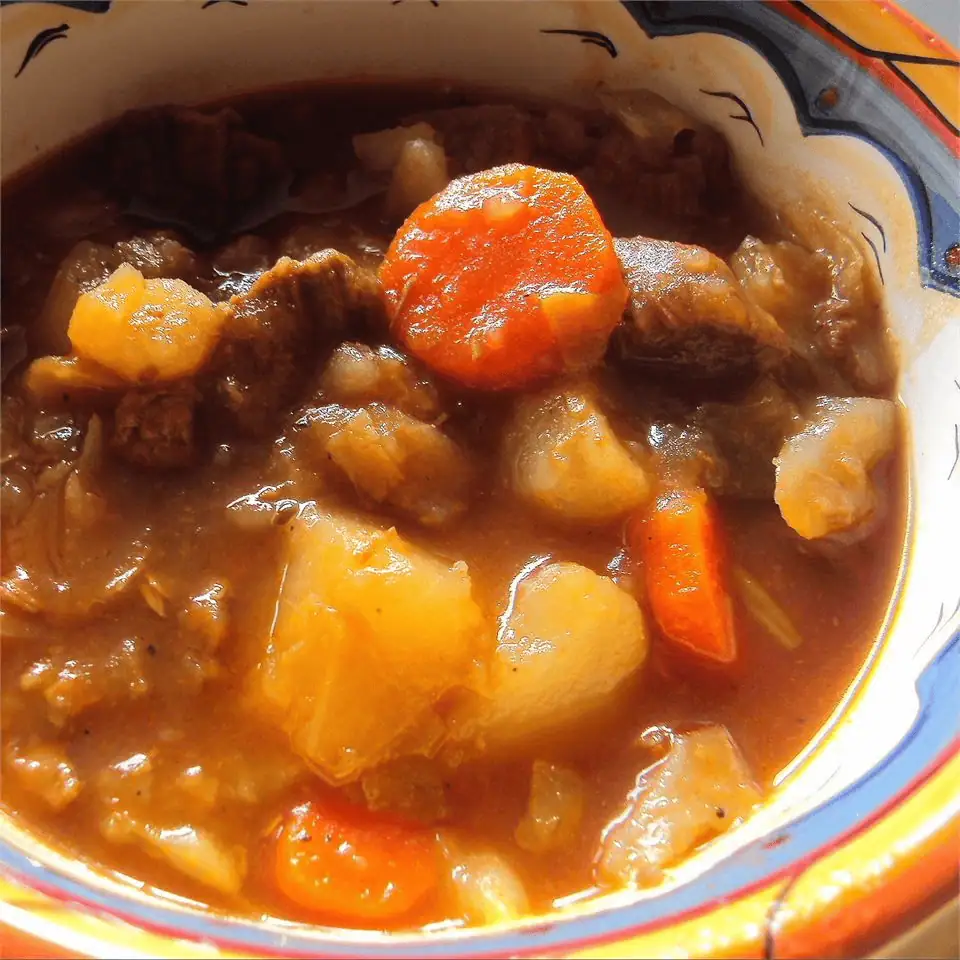
Cabbage stew emerged as a reliable wartime dish because cabbage stored well through winter and grew easily in poor conditions. Combined with potatoes, carrots, or small amounts of meat, it provided warmth and sustenance with minimal cost. Though repetitive during wartime, the dish became deeply familiar. Today, many European households still prepare cabbage stew as comfort food, appreciating its simplicity, heartiness, and connection to generations who relied on it during difficult years.
Lentil Soup
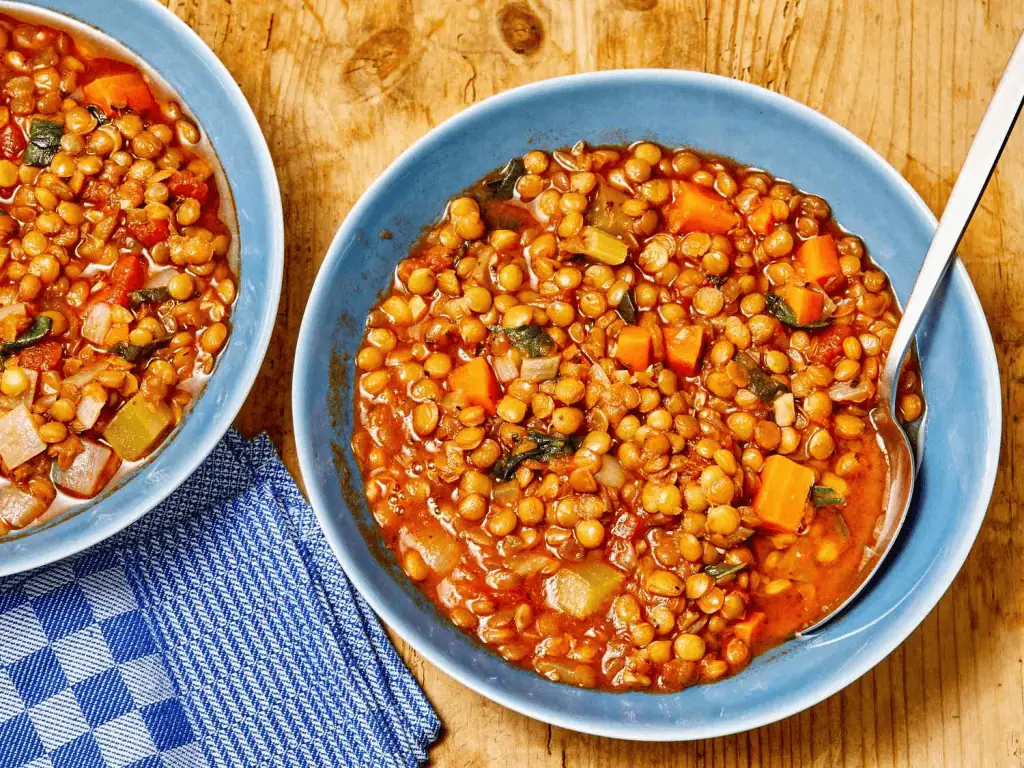
Lentil soup was widely used during wartime because lentils were inexpensive, protein-rich, and easy to store. The dish required little fuel to cook and could feed many people from a small quantity of ingredients. Often flavored with onions or herbs, it delivered nutrition without reliance on meat. Across Europe, lentil soup remains a regular home-cooked meal, valued for its affordability and health benefits. Its continued popularity reflects how necessity shaped lasting dietary habits.
Fried Bread
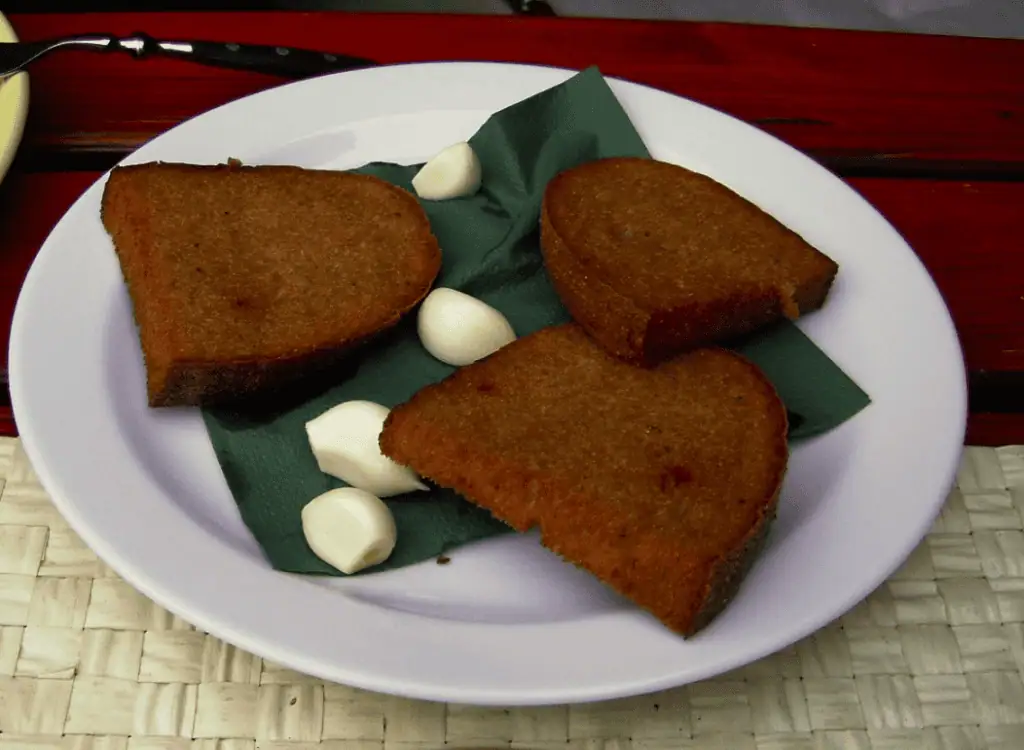
Fried bread became common during wartime as a way to repurpose stale slices using small amounts of fat. Bread was soaked lightly or fried directly until crisp and filling. It provided quick calories when options were limited. Today, versions of fried bread still appear in European homes, often as a breakfast or side dish. Though now associated with comfort rather than scarcity, the dish retains its roots in waste reduction and practical cooking.
Barley Porridge
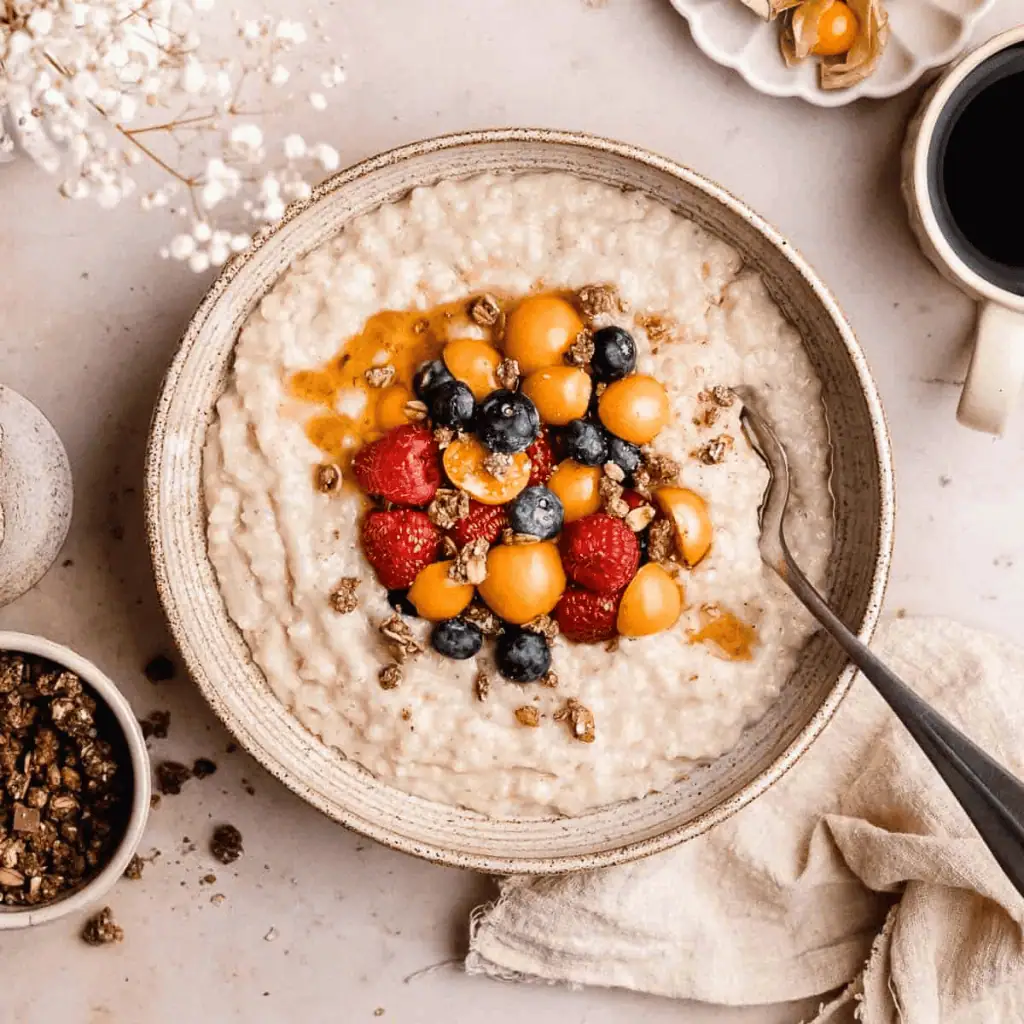
Barley porridge was relied upon during wartime because barley grew reliably and stretched well into filling meals. Cooked slowly with water or milk, it provided steady energy and warmth. Though considered plain at the time, it sustained entire households. In modern Europe, barley porridge still appears as a traditional breakfast or supper food, especially in colder regions. Its survival reflects how nutritious, durable grains remained relevant long after rationing ended.
Vegetable Pancakes

Vegetable pancakes were created to stretch small amounts of vegetables and flour into satisfying meals. Grated potatoes, carrots, or cabbage were bound together and pan-fried using minimal fat. These pancakes were quick to cook and adaptable to what was available. Today, European families still make vegetable pancakes as affordable, comforting meals. Though now enjoyed by choice, they remain closely tied to wartime ingenuity and resourcefulness.
