
10 Everyday Foods You might be eating Wrong This Whole Time
We eat certain foods so often that the habits feel automatic, but many of those routines aren’t actually the best way to enjoy them. From cutting techniques that waste flavor to storage habits that shorten freshness, everyday foods often come with little tricks most people never learn. Once you know these simple adjustments, the textures become better, the flavors deepen, and even ordinary meals start feeling noticeably easier and more satisfying.
Bananas
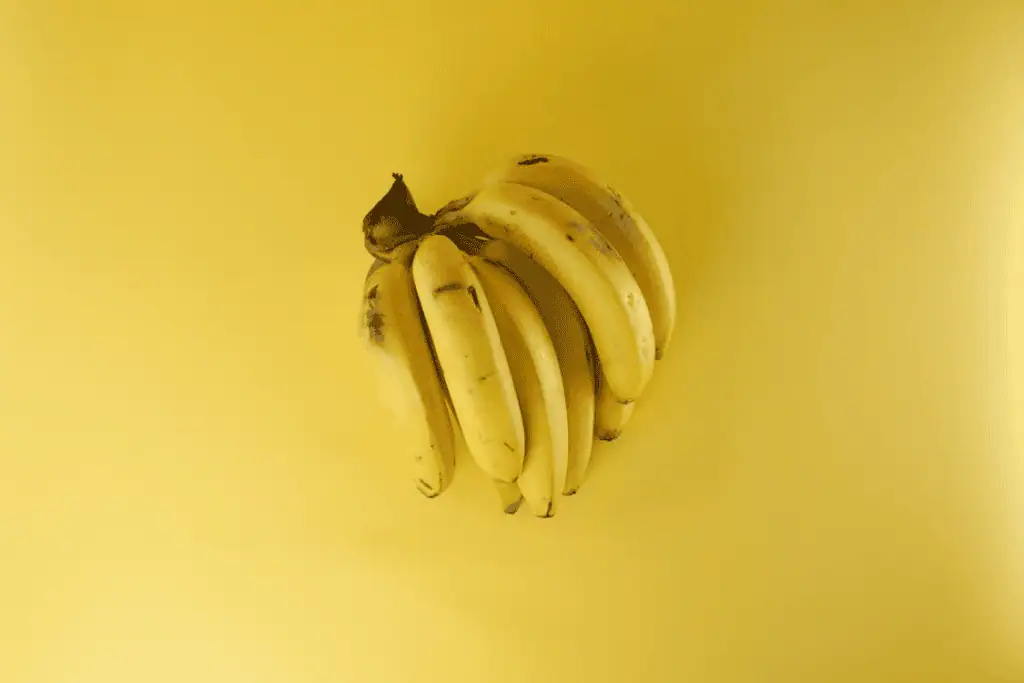
Most people peel bananas from the stem, which bends, snaps, or gets mushy. The easier and cleaner method is actually the one used by monkeys: pinch the bottom tip and peel upward. This keeps the fruit intact, removes strings effortlessly, and gives a smoother start. The texture stays neater and the peel comes off in perfect sections, making the experience surprisingly tidier and less frustrating overall.
Tomatoes
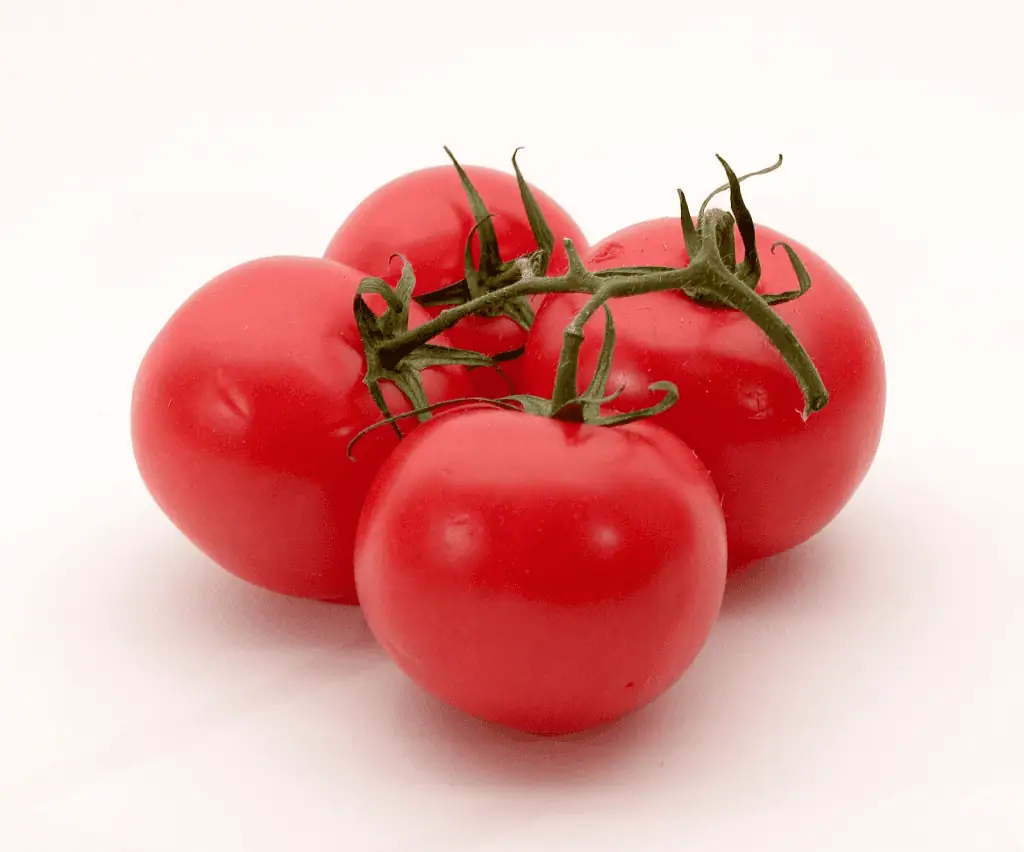
Slicing tomatoes fresh from the fridge dulls their natural sweetness and makes the texture grainy. Tomatoes develop fuller flavor when kept at room temperature because the cold disrupts their cell structure. Eating them slightly warm allows their acidity and sweetness to balance properly, giving salads, sandwiches, and sauces a richer taste. A simple change in storage brings out noticeably fresher flavor.
Pasta
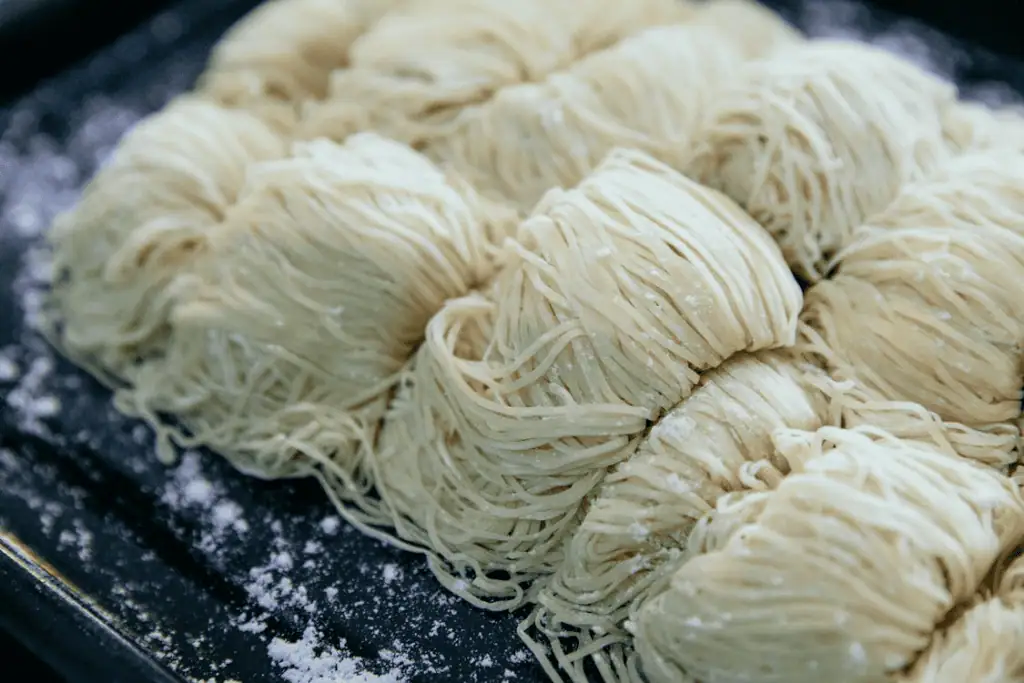
Rinsing pasta after boiling may seem like it prevents sticking, but it actually washes away the starches that help sauce cling. Keeping pasta un-rinsed gives each noodle a velvety surface that grips marinara, Alfredo, or pesto more effectively. It also maintains heat better and improves the overall texture. With this small adjustment, even simple weeknight pasta tastes more cohesive and restaurant-like.
Apples
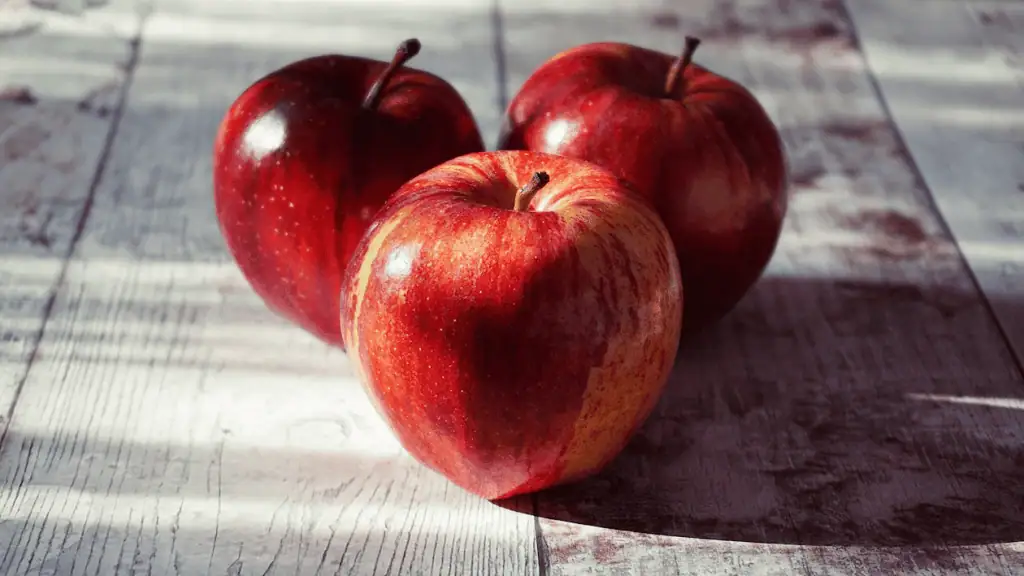
Most people eat apples from the side, hitting the core almost immediately. Eating them from the bottom up makes the core nearly disappear as the seeds align naturally with the bite. This reduces waste and makes the apple feel sweeter and juicier from start to finish. The texture is more consistent, and you get a larger portion of edible fruit with almost no changes to your routine.
Peanut Butter
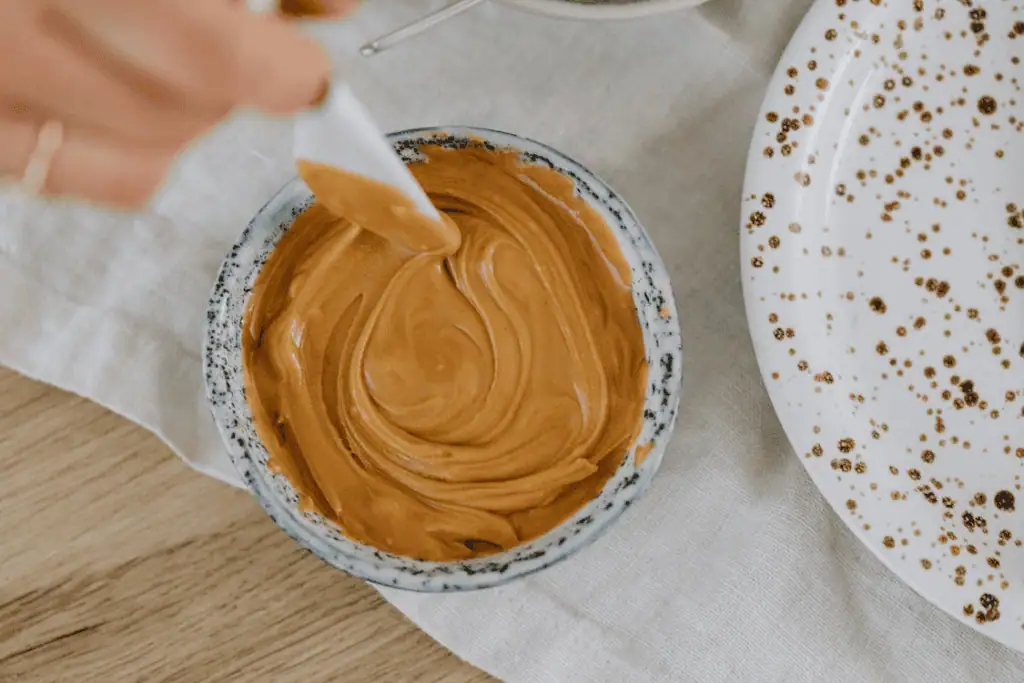
Peanut butter often separates, leaving oil on top and a dense layer below. Stirring every time feels messy, but storing the jar upside down keeps the oils distributed evenly. When opened, the texture becomes smoother without manual mixing. This simple trick makes spreading easier, prevents dryness at the bottom, and keeps the peanut butter tasting fresher for longer.
Yogurt
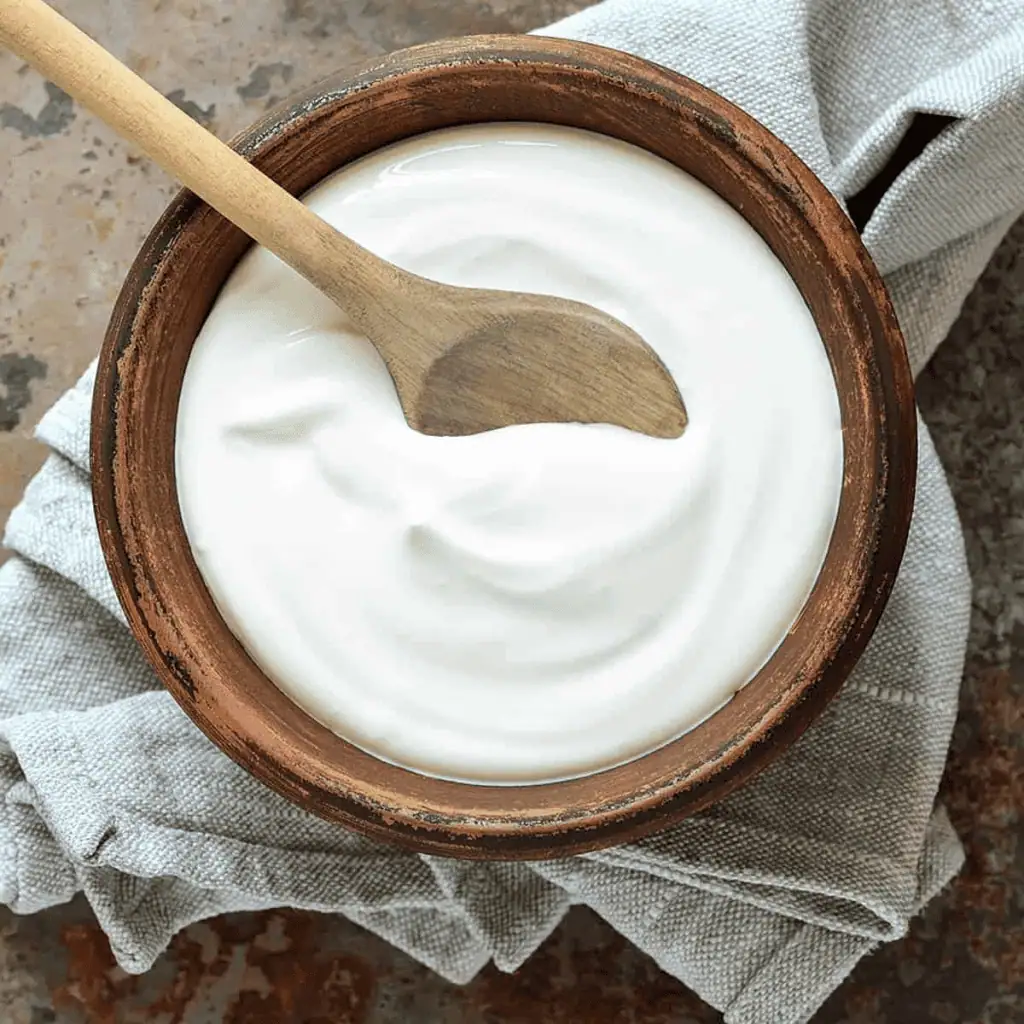
Most people peel back the lid and dive straight in, but yogurt benefits from a gentle stir before eating. The liquid on top, often mistaken for water, is actually whey packed with protein and nutrients. Mixing it in gives a creamier, more balanced spoonful from top to bottom. It also distributes fruit and flavor evenly, giving every bite a richer, more consistent taste.
Avocados
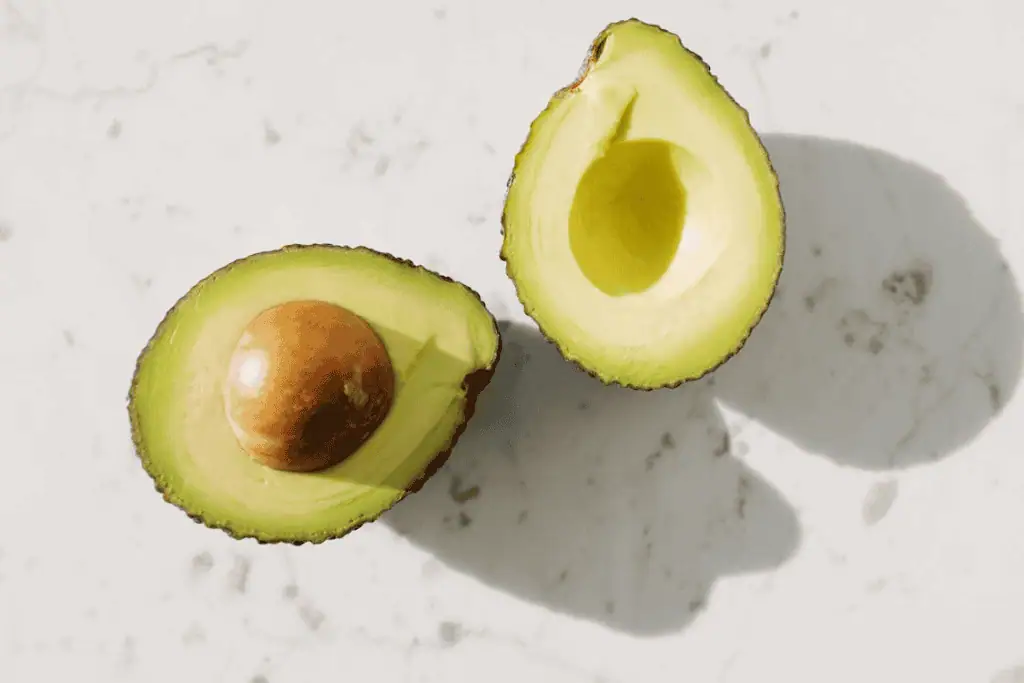
Cutting avocados lengthwise is common, but slicing them around the middle horizontally exposes far fewer stringy fibers and makes scooping easier. This method also gives cleaner, even sections for salads or toast. The seed becomes simpler to pop out without slipping, reducing the risk of injury. It’s a small change, but it noticeably improves texture and preparation.
Oranges
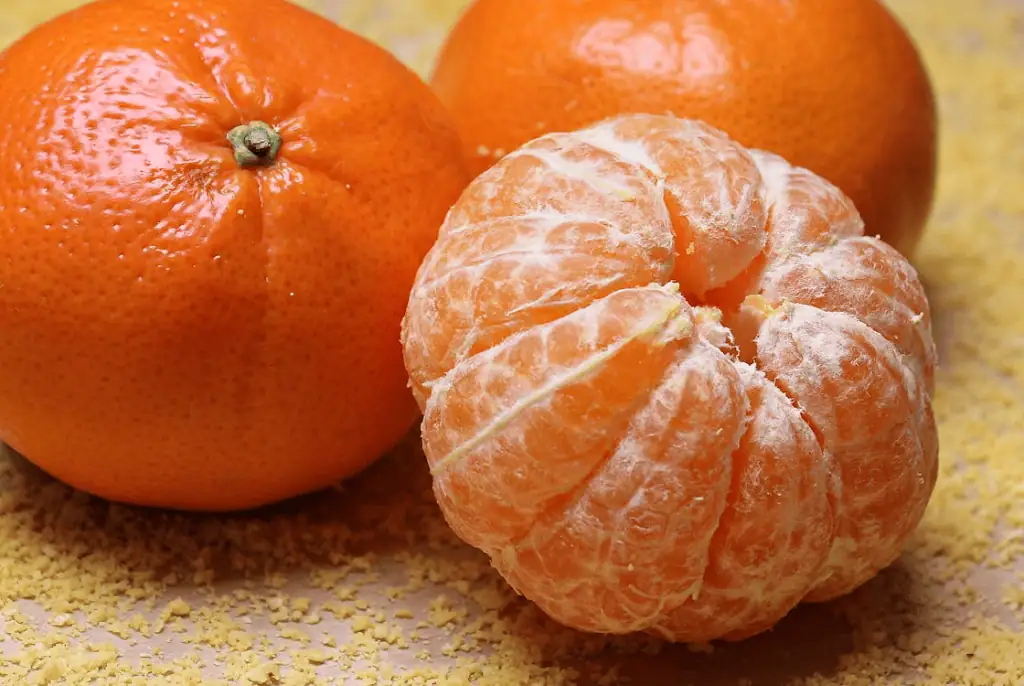
Peeling oranges by digging fingernails into the skin often leads to mess and juice loss. Scoring the peel horizontally and vertically before removing it creates large, clean sections that come off smoothly. This reduces splatter, keeps hands cleaner, and preserves juiciness. The fruit segments stay intact, making the eating experience more refreshing and less sticky overall.
Eggs
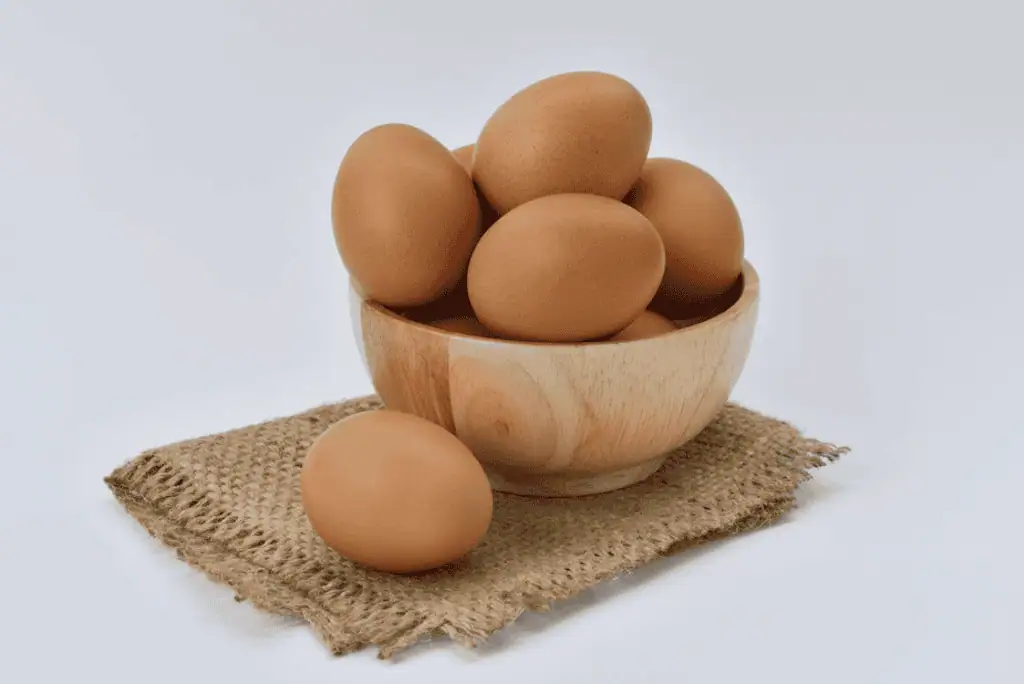
Cracking eggs on a bowl’s edge increases the chance of shell fragments falling inside and often breaks the yolk. Cracking them on a flat surface creates a cleaner, more predictable split. This method gives better control and greatly reduces mess. It also helps maintain yolk shape for frying or poaching, improving both texture and presentation with almost no extra effort.
Bread
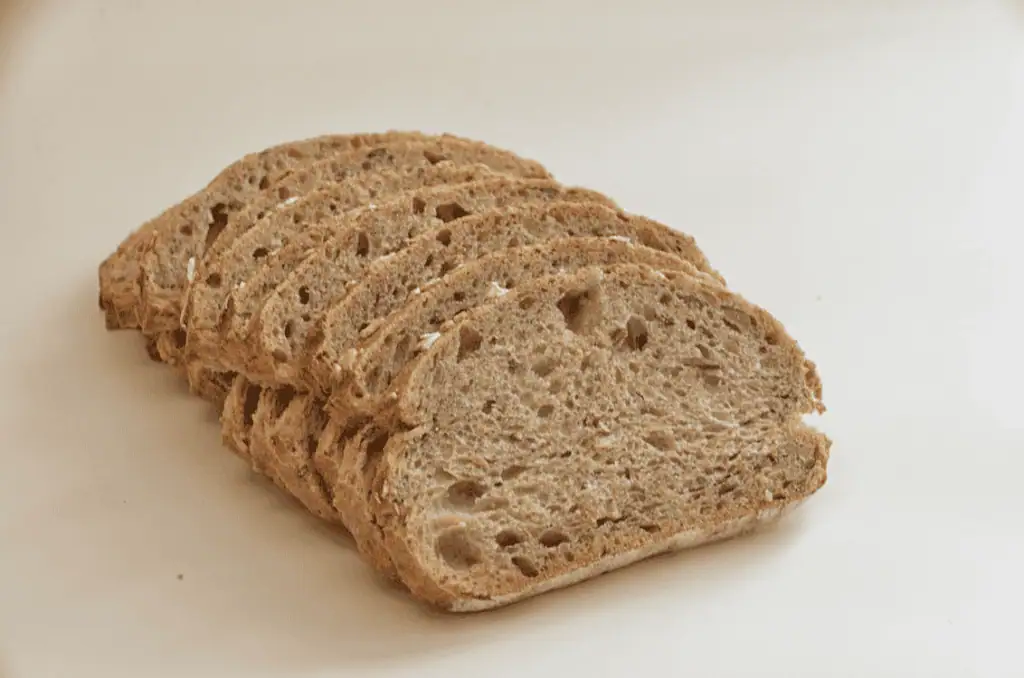
People usually store bread on the counter in its original bag, but this speeds up staling as air circulates it. Keeping bread wrapped tightly or placing it in a bread box slows moisture loss and preserves softness longer. When eating, flipping sandwiches upside down helps too the top slice is denser and holds fillings better, creating fewer spills and a more balanced bite.
