
7 Beloved Foods Around the World That Are Illegal to Import into the U.S.
In the diverse tapestry of global cuisine, several beloved foods are cherished in their native countries but face import restrictions in the U.S. These culinary treasures are often banned due to health, safety, or environmental concerns. Exploring such dishes offers a unique taste of cultural intricacies and local traditions, making them more than just forbidden delicacies. From a Sardinian cheese requiring flies for production to a Scottish dish with controversial ingredients, these foods intrigue the adventurous palate, inviting a tactile exploration of gastronomy.
Casu Marzu: Italy’s Forbidden Cheese

Casu Marzu is a Sardinian cheese famed for its unusual preparation method involving live insect larvae. This cheese starts as a traditional pecorino but undergoes an extra fermentation induced by cheese flies. The result is a creamy, intense flavor that cheese aficionados cherish. Part of its allure, besides the texture and flavor complexity, is the rupture of tradition and taboo. The U.S. prohibits its importation due to sanitary concerns, yet it remains a revered part of Sardinian cultural heritage, showcasing the daring innovation embedded in regional food practices.
Haggis: Scotland’s Controversial Delight
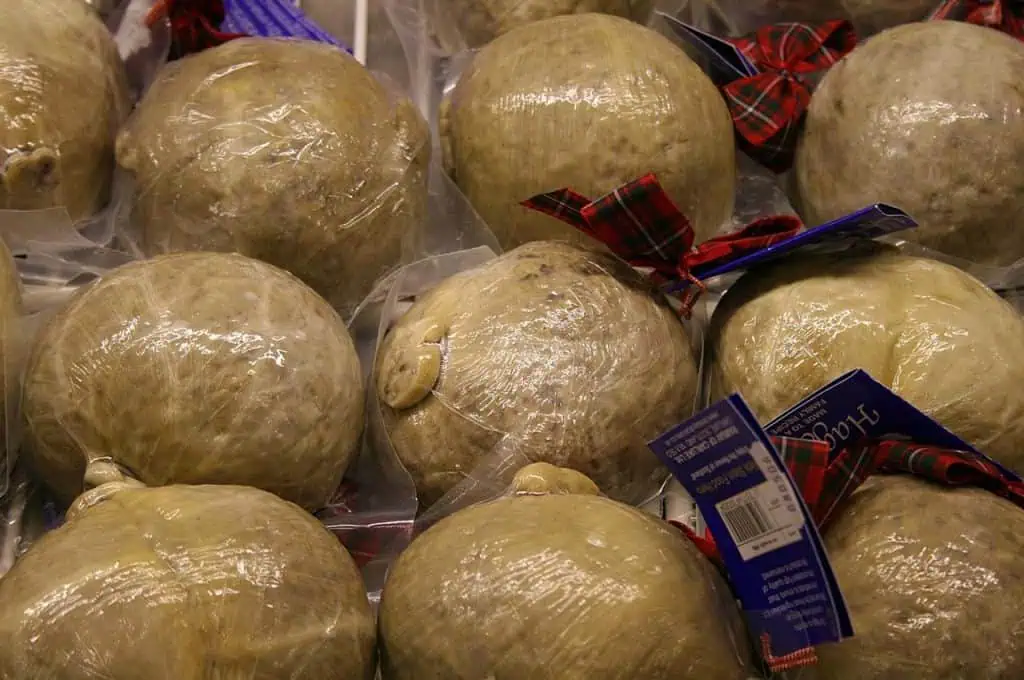
Haggis, Scotland’s national dish, combines sheep offal with oatmeal, onions, and spices, traditionally encased in a sheep’s stomach. Known for its robust, earthy flavor, it offers a hearty and satisfying experience. In the U.S., it’s banned due to a regulation against importing products containing sheep lungs, a key component of traditional haggis. Undeterred, many have adapted recipes using alternative ingredients to recreate its bold taste profile, attempting to maintain the cultural essence that makes haggis a celebrated dish in Scottish cuisine.
Ackee Fruit: Jamaica’s Risky Treat

Ackee, Jamaica’s esteemed fruit, features as part of the national dish paired with saltfish. When properly ripened and cooked, it provides a creamy, buttery texture with a subtle nutty flavor. However, its unripened form contains hypoglycin, a toxin that poses risks of severe poisoning, resulting in a U.S. import ban without careful regulation. While it may deter some, those familiar with its preparation savor its unique flavor safely within nations that allow its cultivation. This balance between caution and culinary heritage marks its significance in Jamaican culture.
Beluga Caviar: A Delicacy in Crisis
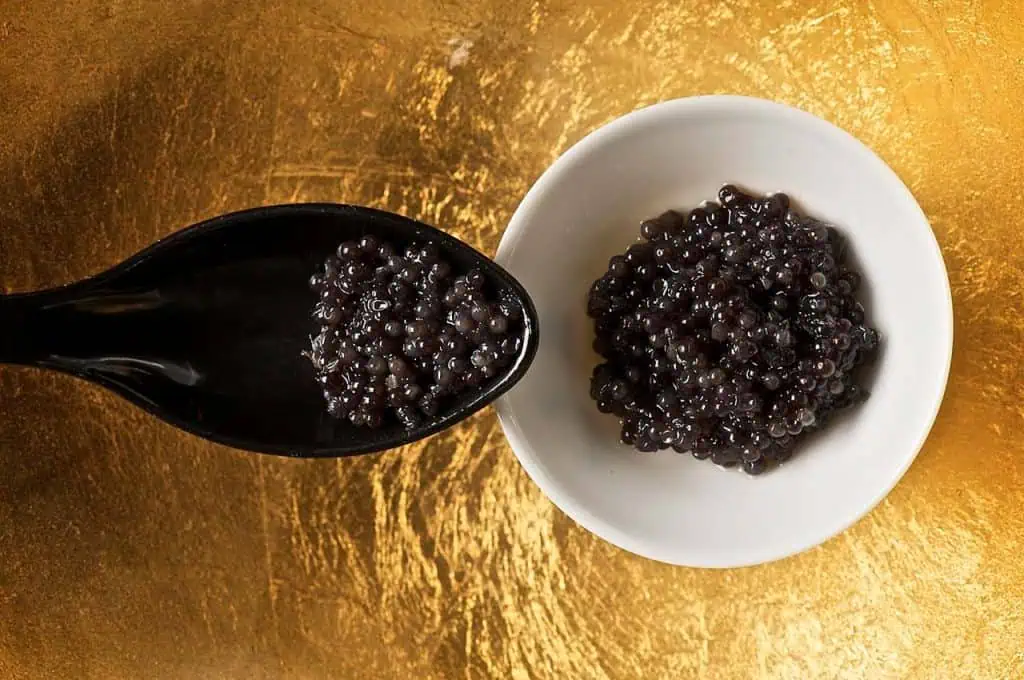
Beluga caviar, famed for its rich, luxurious pearls, epitomizes gourmet delicacy. Harvested from the beluga sturgeon primarily in the Caspian Sea, its scarcity and ecological concerns have led to a strict import ban in the U.S. The slow maturation of these sturgeons exacerbates their vulnerability, placing them at critical risk. This conservation-driven restriction has heightened interest in sustainable alternatives, driving appreciation for similar yet environmentally conscious options. As such, it underscores the intersection of luxury and responsibility in modern culinary arts.
Foie Gras: Ethical Dilemmas in Gourmet

Foie gras, a luxurious French delicacy made from the liver of a specially fattened duck or goose, is renowned for its rich, buttery flavor. The controversy surrounding its production, involving force-feeding, has led to bans in various places, including parts of the U.S. In culinary circles, it’s praised for its silky texture and depth of taste, often sautéed and presented with a sweet fruit compote to balance its richness. Navigating its ethical complexities involves understanding and respecting local laws and the growing movement toward ethical foie gras, where producers seek humane alternatives.
Raw Milk Cheeses: French Traditions at Risk

Many traditional French cheeses are crafted with raw milk, imparting distinct, nuanced flavors that pasteurization can diminish. Cheeses like Roquefort, Brie de Meaux, and Camembert de Normandie are celebrated for their robust character and creamy textures. U.S. regulations prohibit raw milk cheeses aged less than 60 days, limiting importation and challenging cheese aficionados to find authentic flavors domestically. Savvy home cooks might consider sourcing locally produced raw milk cheeses or traveling to experience the authentic varieties firsthand, understanding the artisanal techniques that define these iconic products.
Ortolan: The Secret Indulgence of France
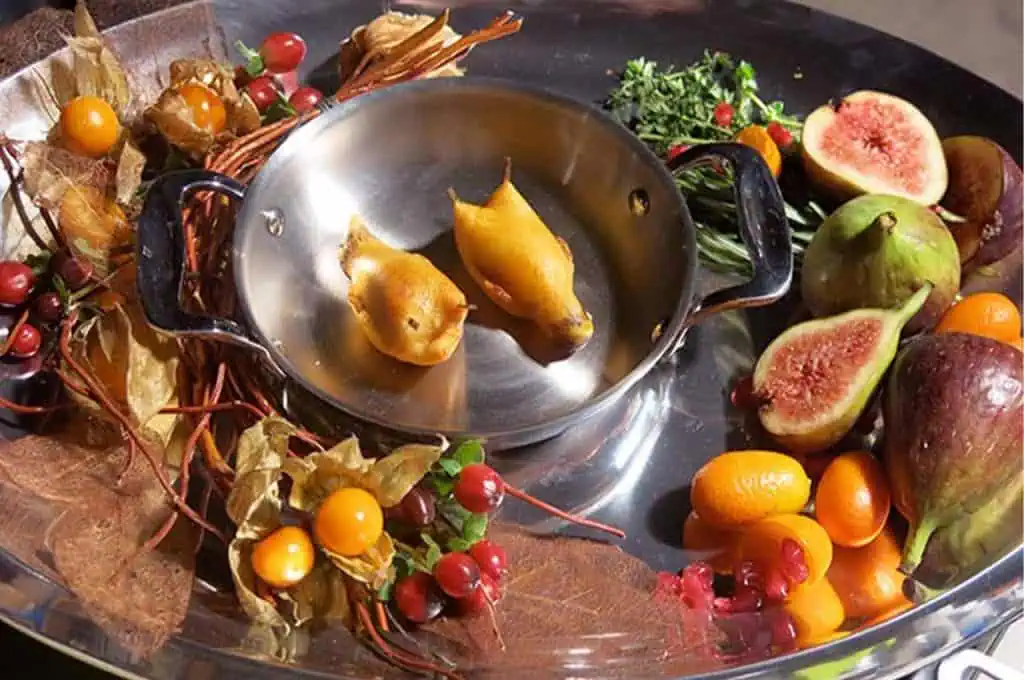
Ortolan, a tiny songbird, represents one of France’s most controversial gourmet traditions, offering a taste said to be ethereal and complex. The method of preparation, involving trapping and serving the birds whole, has raised significant ethical and legal issues, leading to its ban in several countries, including the U.S. It remains an enigmatic part of culinary history, enjoyed by a select few and steeped in cultural mystique. For those interested in its flavors, exploring recipes that capture the essences ortolan is prized for, such as using delicate poultry with rich, aromatic sauces, can reveal similar culinary enjoyment without ethical compromise.
