
10 Pantry Staples That Don’t Last as Long as You Think
Your pantry might look like a fortress of long-lasting essentials, but not everything inside is built to last. While we assume staples like rice, oil, or flour stay good indefinitely, time, air, and moisture slowly change them behind the scenes. Rancid oils, stale grains, and faded spices can dull your cooking without you realizing why. To keep your meals tasting their best, it’s worth knowing which pantry favorites actually have shorter shelf lives than you think and how to make them last longer.
Olive Oil
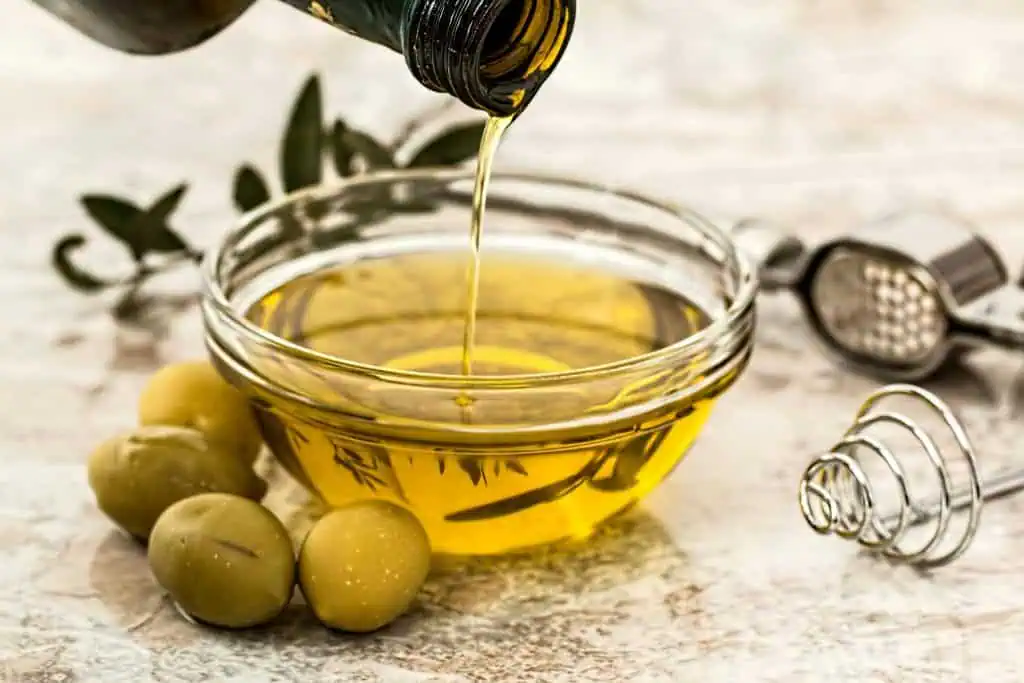
Even unopened, olive oil starts to lose its rich aroma and flavor after about a year. Once opened, oxidation speeds that process up. Stored near heat or light, it can turn rancid quickly. Keep it in a cool, dark cabinet and use it within six months for the best flavor and health benefits.
Brown Rice
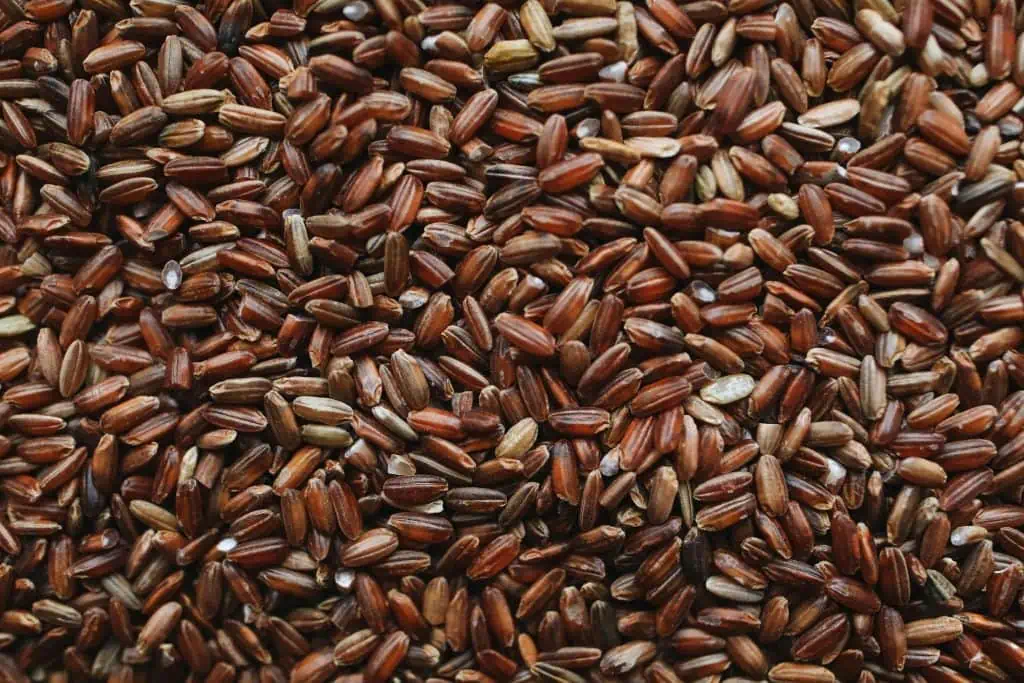
Unlike white rice, brown rice contains natural oils that spoil faster. Within six months, it can develop a bitter or stale taste. Refrigerating or freezing it helps preserve freshness, but even then, it’s best used within a year. Its nutrition is great but its shelf life is short.
Whole Wheat Flour
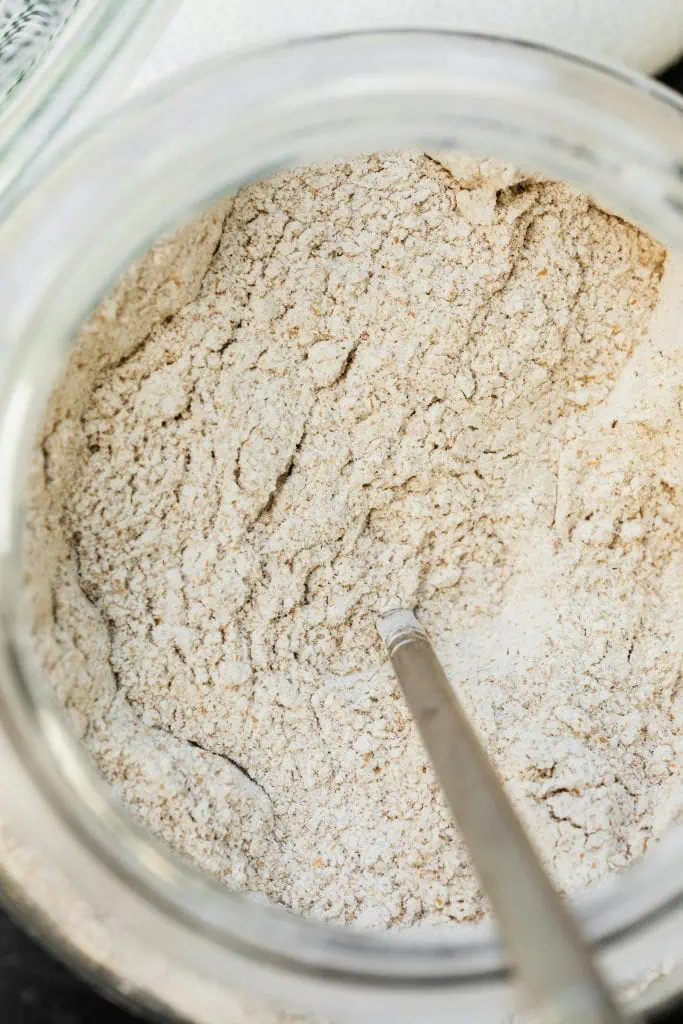
Whole wheat flour’s germ oils make it more nutritious but less stable. It can turn rancid or lose flavor after just a few months at room temperature. For longer life, store it in the refrigerator or freezer in an airtight container. White flour lasts longer, but freshness matters for both.
Nuts
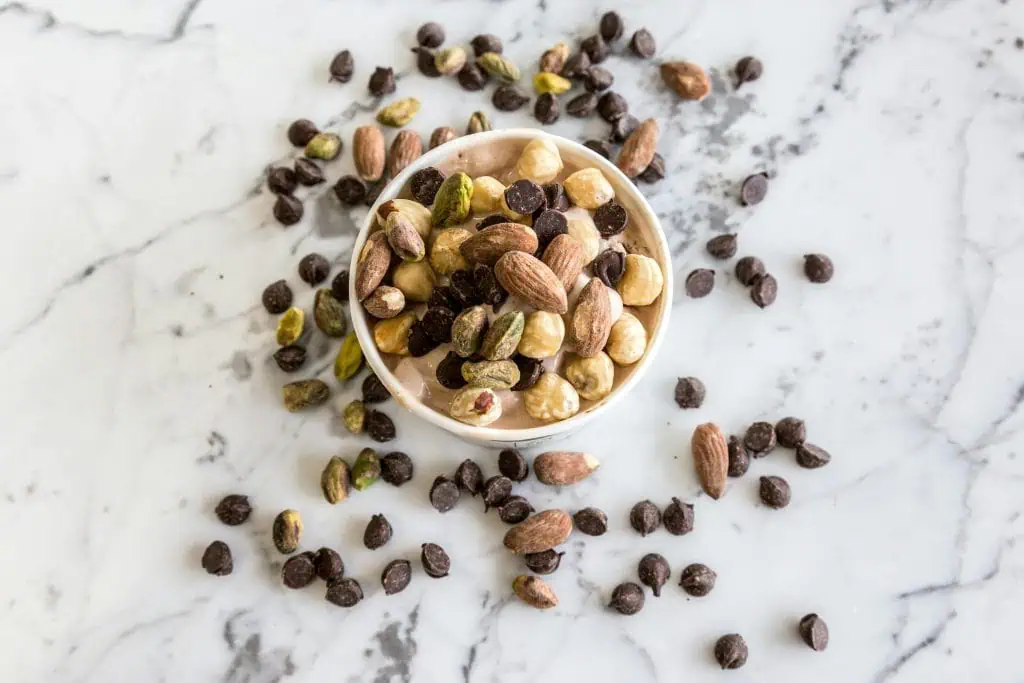
Almonds, walnuts, and cashews are pantry staples with short patience. Their natural fats go rancid after a few months in warm or humid environments. To keep them crunchy and flavorful, store them in airtight containers in the fridge or freezer. Freshness makes all the difference in taste.
Dried Herbs and Spices
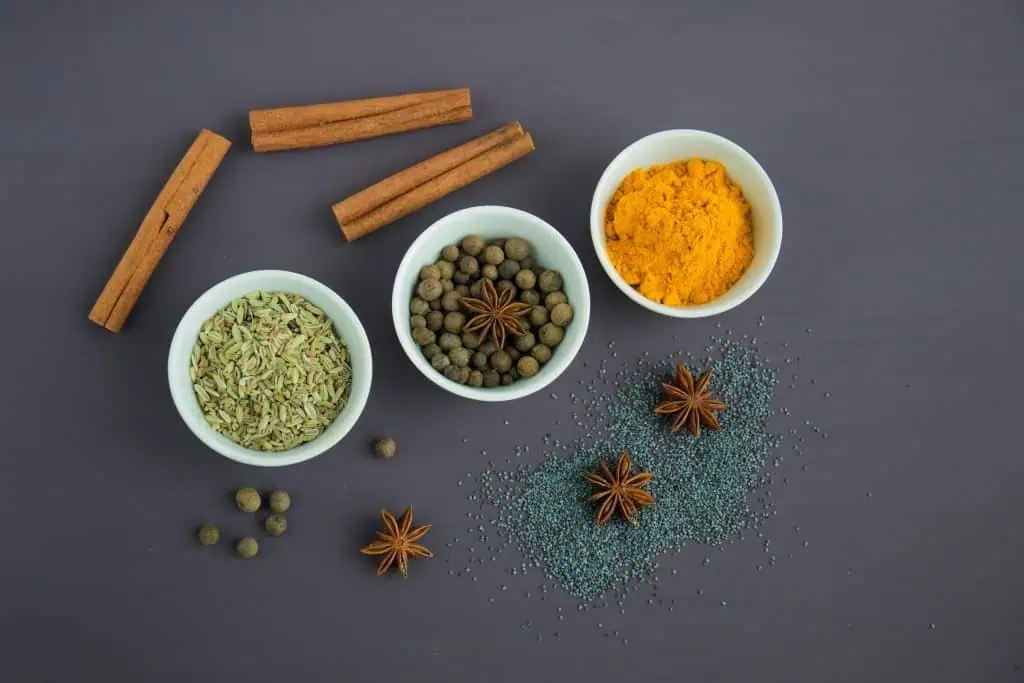
They don’t spoil outright, but over time, they fade into flavorless dust. Ground spices start losing potency after six months, while whole spices last about a year. Keep them tightly sealed, away from sunlight and heat. If your paprika looks dull or your cinnamon barely smells, it’s time to restock.
Peanut Butter
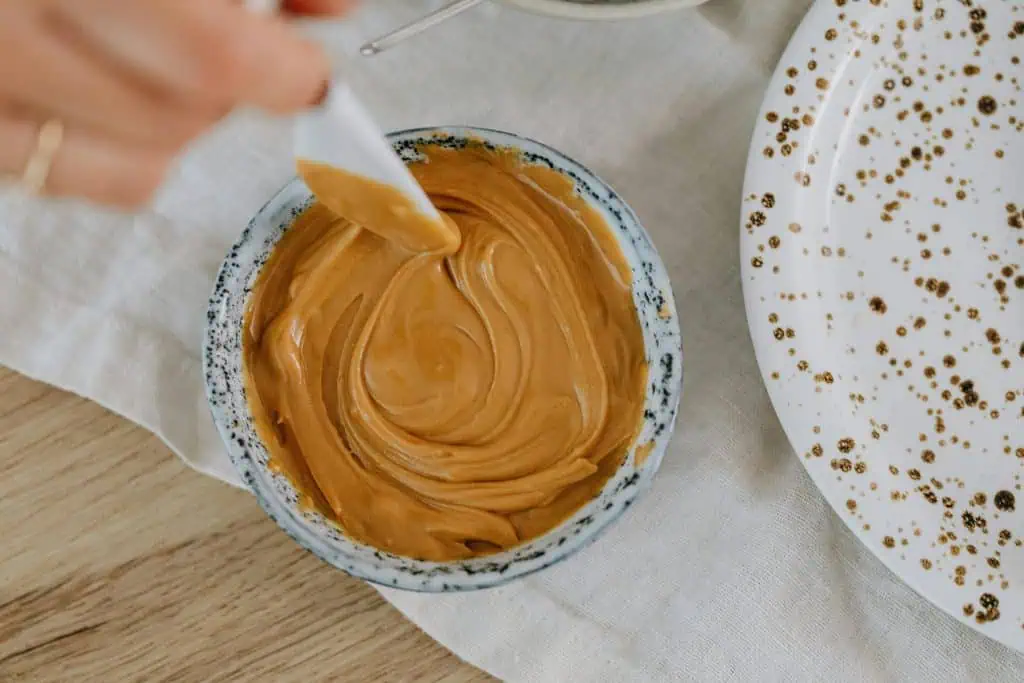
Natural peanut butter may look sturdy, but its oils separate and oxidize quickly once opened. After three months, it can develop an off taste or smell. Refrigerating slows that process, keeping it fresh and creamy longer. Even shelf-stable brands taste better when rotated regularly.
Oats
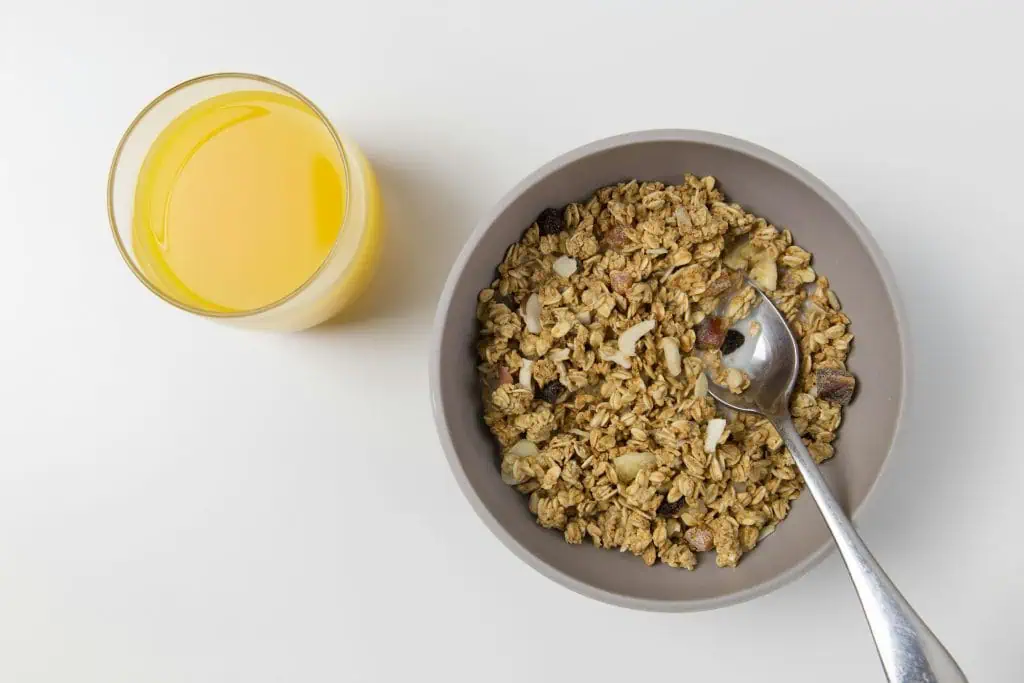
Old-fashioned or quick oats absorb moisture and odors easily, which shortens their life span. After six to twelve months, they can taste stale or even turn musty. Store them in airtight containers away from light and heat. For the freshest flavor, buy smaller quantities you’ll use quickly.
Baking Powder
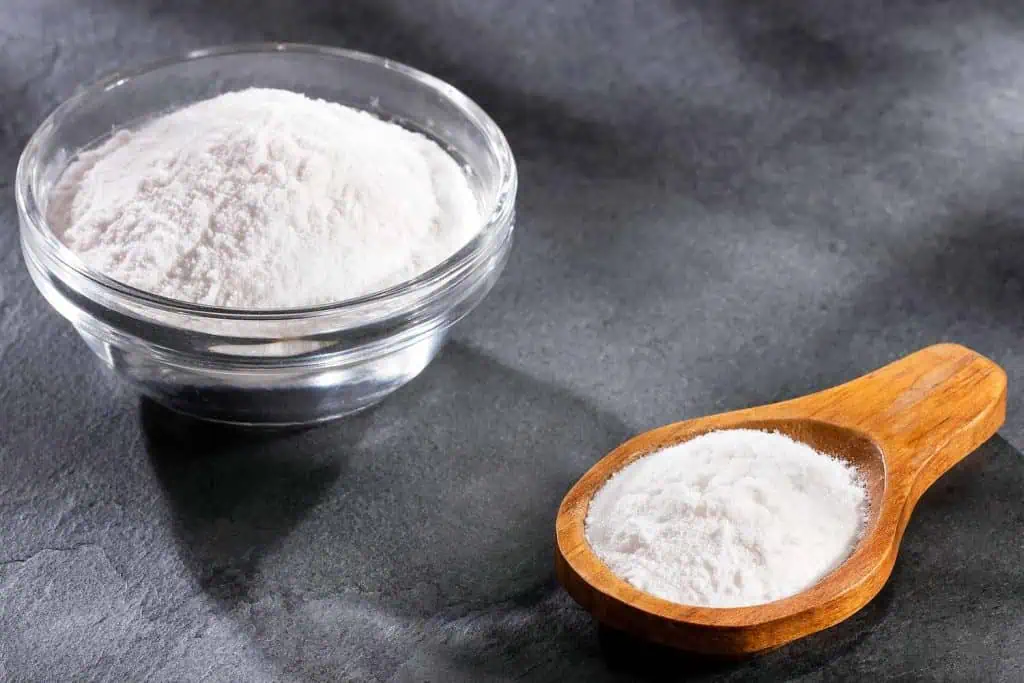
This leavening essential loses its power with time. After six months to a year, it won’t make your cakes rise the way it should. To test it, drop a spoonful in hot water if it doesn’t fizz, it’s done. Store in a cool, dry place and replace yearly for reliable results.
Cereal
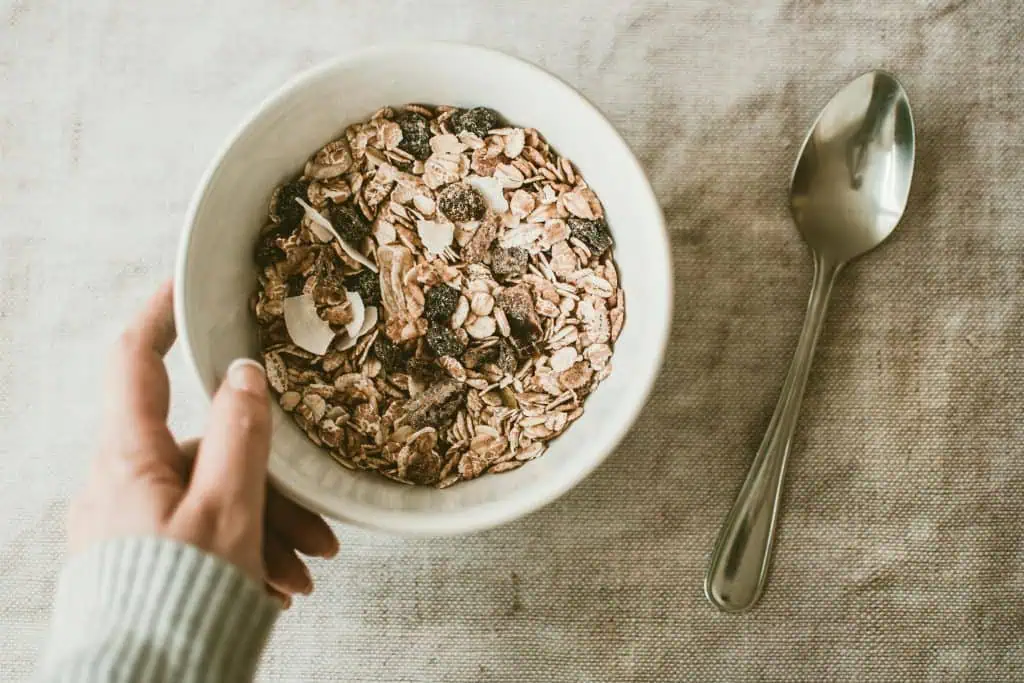
That favorite breakfast box isn’t as timeless as it seems. Once opened, exposure to air and humidity makes flakes go soft and lose crunch within weeks. Even sealed boxes taste stale after a few months. Keep it tightly closed or transfer to airtight containers to preserve that satisfying snap.
Coffee Beans and Grounds
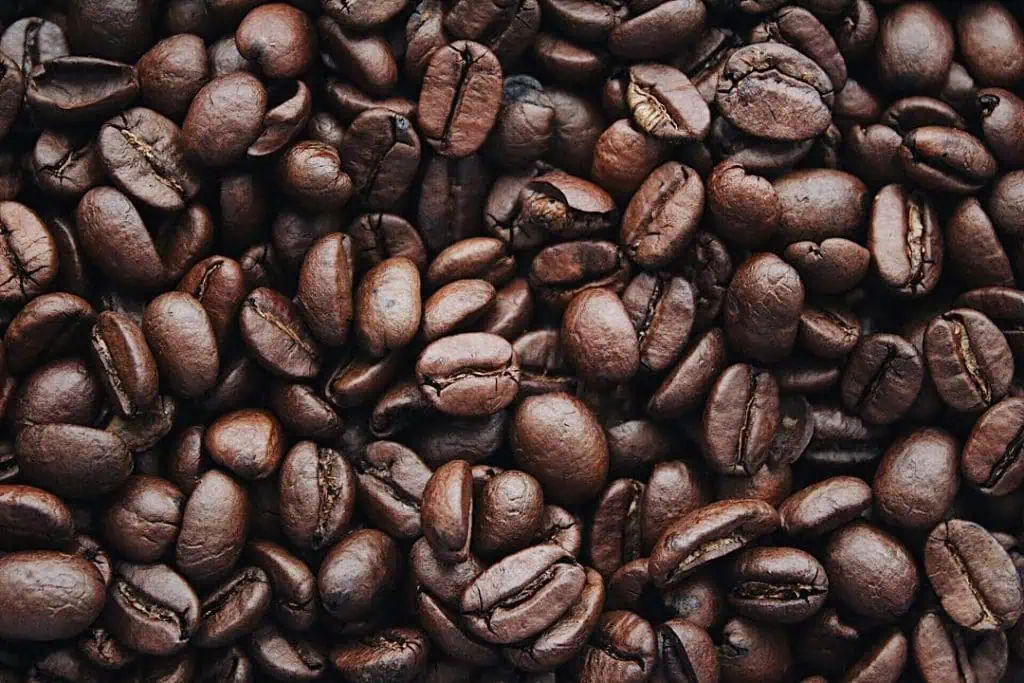
Coffee starts losing flavor the moment it’s roasted. Ground coffee goes stale within weeks, while whole beans last a few months if sealed properly. Light, air, and moisture speed up flavor loss, leaving your morning brew flat. Store beans in airtight containers away from sunlight for the freshest aroma.
