
Why the Way Food Feels Matters More Than You Think
Understanding the significance of texture in food enhances not only flavor but the entire dining experience. Texture influences how we perceive taste and satisfaction, often acting as a bridge connecting our sensory perceptions with emotional responses. Whether crisp, velvety, or chewy, texture transforms a dish from ordinary to memorable. As we explore the impact of texture on culinary enjoyment, consider how this awareness can elevate your cooking and dining adventures.
The Rise of Texture-First Eating

Texture-first eating has gained popularity as chefs and home cooks alike prioritize how food feels in the mouth. This trend focuses on using contrasting textures, such as pairing a creamy soup with crunchy croutons, to create balanced dishes. Understanding the interplay between textures can transform simple ingredients into dynamic compositions. Experiment with layering textures in your dishes to enhance your culinary skills and provide a more satisfying eating experience.
Why Mouthfeel Shapes Flavor

Mouthfeel profoundly influences how flavors are perceived and appreciated. A silky sauce can showcase the richness of ingredients, while a crisp bite can highlight freshness. The feel of food affects flavor release, with creamy textures extending lingering tastes and crunchy textures providing bursts of flavor. By mastering techniques like emulsification and perfecting the fry, you can control the sensory journey from the first bite to the last, ensuring a memorable meal.
ASMR, Mukbang, and Food Texture
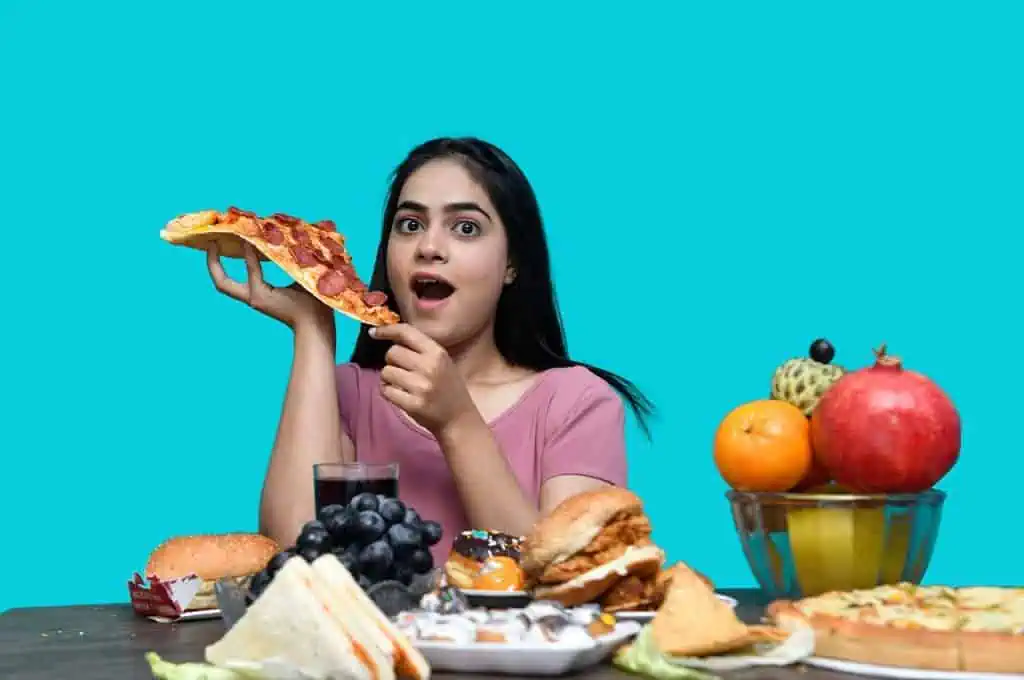
ASMR and Mukbang highlight the auditory satisfaction of eating, focusing on the sounds connected with various textures. The crackle of a fried chicken or the slurp of noodles provides a multi-sensory delight that enhances the eating experience. Incorporating elements of texture that amplify sound can make dishes more engaging and enjoyable. Consider how these auditory elements might play a role in your cooking, turning solitary meals into a shared sensory event.
Psychology of Crunchy, Chewy, Creamy

The psychology behind texture preferences is rooted in comfort and satisfaction. Crunchy foods often signal freshness and can add excitement. Chewy textures provide a lasting experience, requiring more engagement, while creamy textures offer immediate satisfaction and comfort. Understanding these tactile experiences allows cooks to craft dishes that cater to emotional and physical needs, transforming cooking into an empathetic art. Explore different textures to connect more deeply with your diners.
Chefs Designing with Sensation

Today's chefs embrace the tactile as much as the taste, crafting dishes where texture plays a pivotal role. They use crunch and smoothness to create contrast, elevating a meal beyond just flavor. Consider the bite of a crisp apple alongside the creaminess of Brie; this balance intrigues the palate. Chefs experiment with techniques like sous-vide to achieve tender meats or dehydration for a brittle finish, enhancing each dish's dimensionality. This thoughtful approach acknowledges that how food feels profoundly affects the overall dining experience.
The Soft Food Revolution
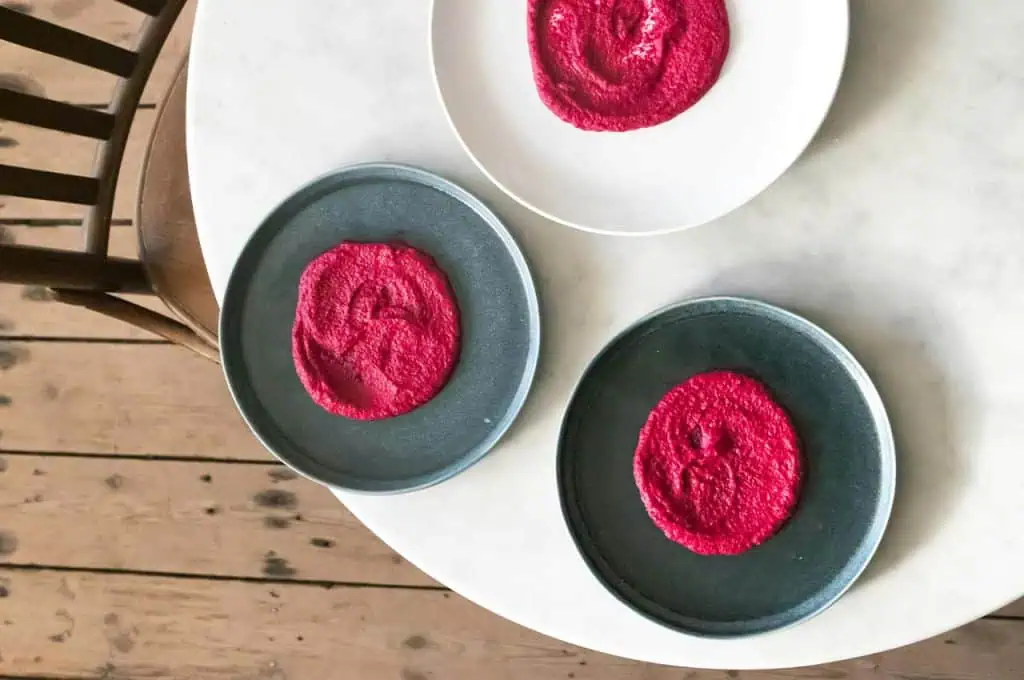
Soft textures are gaining attention, with chefs prioritizing velvety and smooth dishes that soothe the palate. Ingredients like cauliflower are puréed into creamy soups, or oats slow-cooked into silky porridges. It's about creating layers within softness; a custard might harbor hidden surprises like a tangy gelée. Various methods, from emulsification to meticulous sieving, ensure a seamless texture. This gentler palate welcomes all diners, from those with dietary needs to those seeking comfort, underscoring the importance of adaptable textures in modern cuisine.
Packaging and the Perfect Bite

Modern packaging solutions are designed to maintain food's textural integrity. Creating the perfect bite requires preserving crunch or ensuring softness, even with prepared or transported meals. Innovations include air-tight seals and compartments that prevent components from soaking or becoming stale. Chefs and manufacturers orchestrate with precision, offering customers a first bite that feels fresh as though plated seconds earlier. This focus on texture preservation reflects a broader understanding: texture is intertwined with flavor, influencing our enjoyment from a sensory perspective.
The Future of Sensory Food

The future of food is increasingly focused on multi-sensory experiences, integrating technology and culinary arts. From 3D-printed dishes with intricate textures to augmented reality dining where taste meets visual delight, innovation pushes boundaries. Chefs can customize experiences, matching textures precisely to individual preferences. This trend toward sensory food addresses diverse consumer desires, emphasizing personalization. With technology like flavor analysis and tactile feedback, the culinary world is poised for an evolution where texture is as vital as taste.
