
7 Reasons Why Coffee is Taking a Backseat
Coffee, long revered as a morning staple, is gradually yielding its dominance. As consumers become more health-conscious and diverse in their beverage choices, alternatives are earning a prominent place in kitchens. Understanding why coffee is taking a backseat can guide you in navigating this shifting landscape with confidence and creativity.
The Rise of Energy Drinks

Energy drinks present a compelling coffee alternative with their promise of immediate vitality. Typically infused with vitamins and a blend of caffeine sources, these beverages appeal to those seeking a quick, convenient energy boost without traditional coffee brewing. Balancing sweetness with unique flavors, they offer a bold yet refreshing experience, inviting experimentation with both ready-to-drink options and mixable powders.
Gen Z’s Matcha and Adaptogenic Shift

Gen Z is gravitating towards matcha and adaptogenic blends, exploring their calming and antioxidant-rich qualities. Matcha’s vibrant green hue and earthy taste offer an appealing divergence from coffee, while adaptogens like ashwagandha provide stress-reducing benefits. Focus on whisking matcha into a fine froth to elevate its texture, and consider pairing adaptogens with suitable herbal infusions for a balanced beverage experience.
Health Concerns: Caffeine and Sleep

Awareness of caffeine's impact on sleep quality encourages a move away from coffee for some consumers. With its potential to disrupt rest, exploring caffeine-free options becomes vital. Herbal teas and naturally caffeine-free drinks, like decaffeinated herbal infusions, offer soothing alternatives for evening consumption, allowing restful sleep without sacrificing flavor or warmth in the process.
Gut Health: Probiotics Over Coffee

Emerging trends emphasize gut health, steering some consumers towards probiotic-rich drinks. Options like kefir and kombucha deliver digestive benefits, offering a tart, effervescent twist that coffee lacks. Fermentation brings a depth of flavor while supporting microbial diversity, appealing to those prioritizing wellness. Experiment with flavors such as ginger or citrus to incorporate variety and refreshment into your routine.
Economic Impact: Soaring Coffee Prices

Recent fluctuations in the coffee market have intensified cost pressures on consumers. Growing conditions worldwide—and increased demand—have driven prices up, prompting many to reconsider their habitual consumption. This shift is leading coffee enthusiasts to explore budget-friendly alternatives. Understanding how to leverage local options or brew methods that use less coffee can reduce expenses without sacrificing enjoyment. Home brewers might find benefits in modifying their coffee-to-water ratio, ensuring every cup remains both economical and satisfying.
At-Home Hits: Mushroom and Chicory
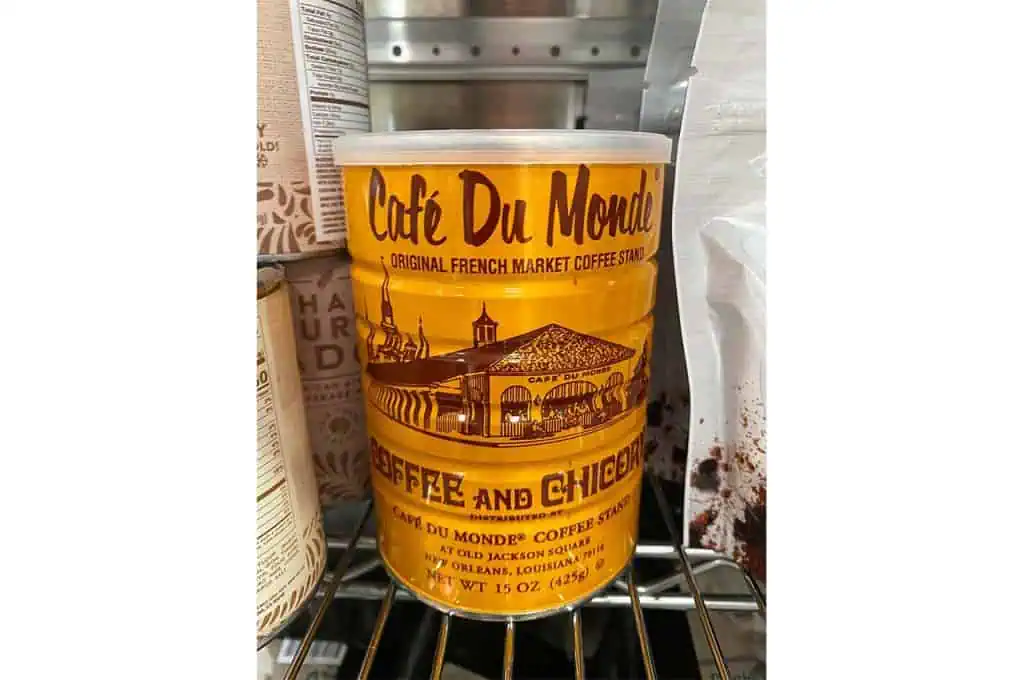
Mushroom and chicory blends have emerged as popular coffee substitutes, celebrated for their rich flavor profiles and health benefits. These brews deliver earthy, full-bodied tastes that appeal to those seeking a caffeine-free option. Chicory, with its subtle sweetness, pairs well with mushrooms like reishi or chaga, adding depth without bitterness. Whether you're steeping a simple infusion or experimenting with blends, these ingredients offer versatility. By embracing these alternatives, home brewers can enjoy a comforting morning ritual without relying on traditional coffee.
Lifestyle Rebranding: Calm Over Jitters

In a world increasingly focused on wellness, there's a noticeable shift towards beverages that promote calm rather than jitters. Opting for tea, herbal infusions, or mushroom brews can deliver a smoother energy experience. Many are finding that reducing caffeine intake enhances their focus and reduces anxiety. Beverage choices now often align with broader lifestyle goals, emphasizing relaxation and mindfulness. This trend reflects a deliberate move away from the highs and lows of caffeine, embracing drinks that nurture both body and mind.
