
12 Iconic U.S. Snacks Banned Around the World
American snack aisles are packed with bright, flavorful, and convenient treats but not all of them are welcome abroad. Many U.S. snacks contain artificial dyes, preservatives, or additives that violate international food regulations. Some are linked to health concerns like hyperactivity or carcinogenic effects, while others use ingredients banned for environmental reasons. Here’s a look at 12 iconic American snacks that have been restricted or banned in various parts of the world, according to data from the European Food Safety Authority, the U.K. Food Standards Agency, and the FDA.
Jolly Rancher Hard Candies
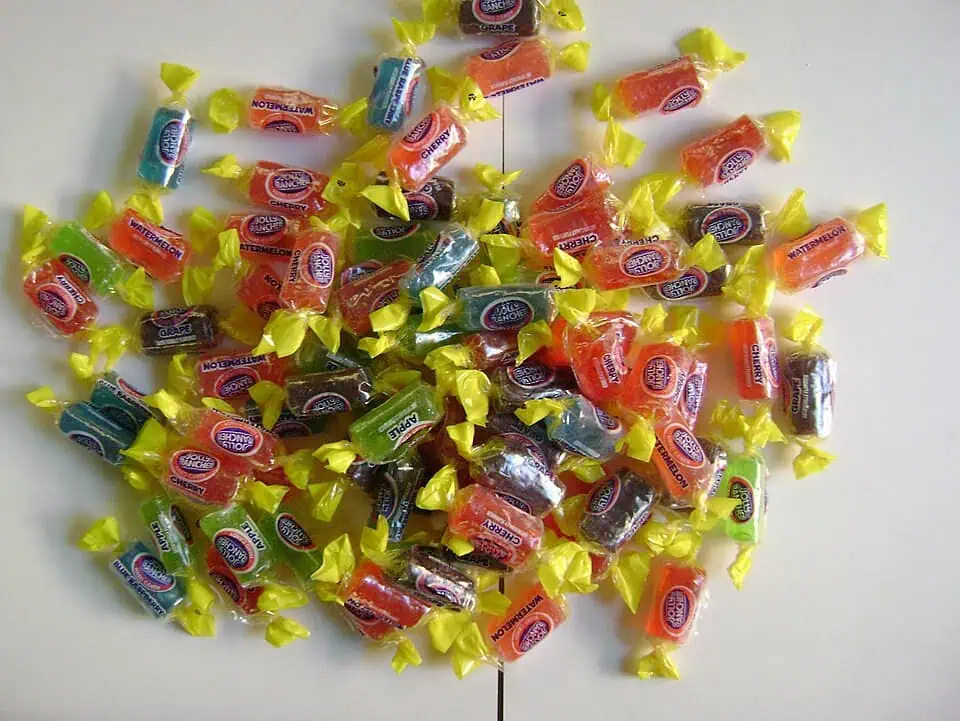
Jolly Ranchers were recently withdrawn from U.K. shelves after the Food Standards Agency found traces of mineral oil hydrocarbons (MOAH and MOSH), compounds that can accumulate in the body and may pose cancer risks. The ban highlights how even popular U.S. candies can run afoul of stricter European standards for food purity and safety.
Mountain Dew (Original Formula)
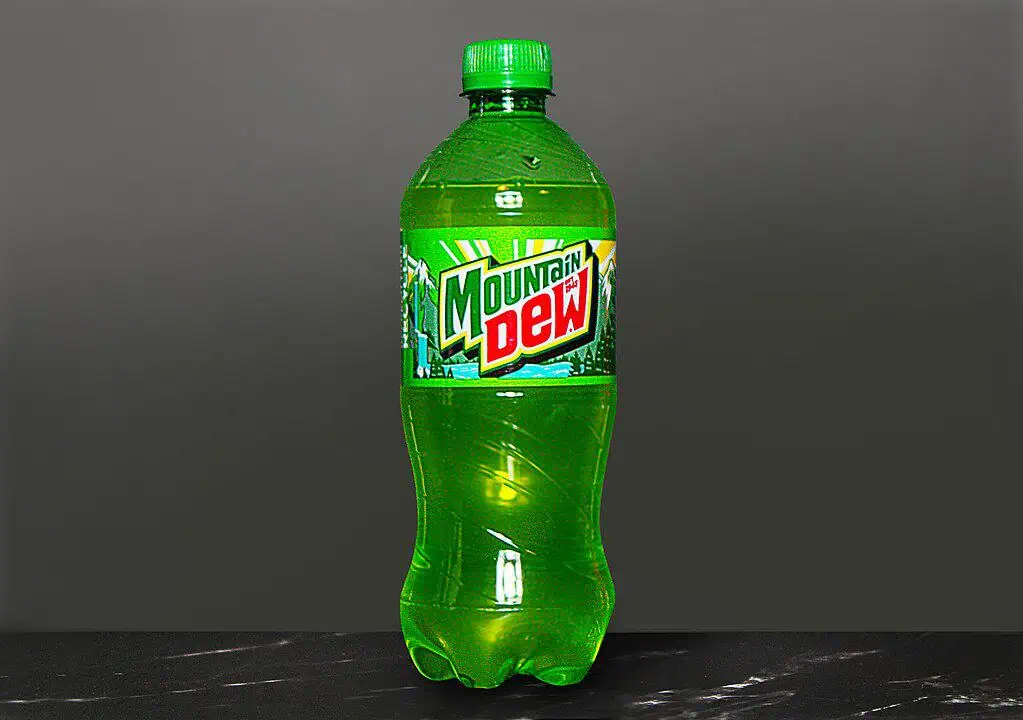
The original Mountain Dew contained brominated vegetable oil (BVO), a stabilizer linked to possible thyroid and nerve issues. BVO is banned in Japan and across the European Union, forcing PepsiCo to reformulate its products for those regions. Although the ingredient was removed from U.S. recipes in 2020, older formulations remain banned abroad.
Twinkies and Swiss Rolls
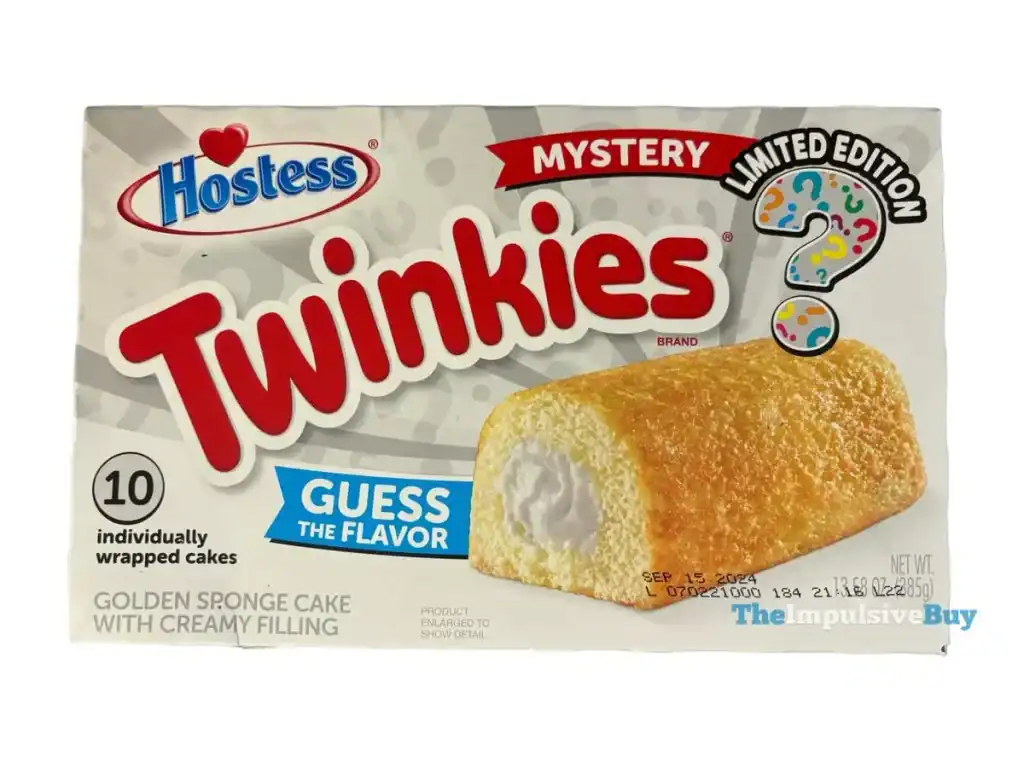
Snack cakes like Twinkies and Little Debbie Swiss Rolls often use food dyes such as Yellow 5 and Red 40, which are banned or tightly restricted in countries like Austria and Norway. The European Union also requires warning labels for products containing these colors, citing behavioral effects in children. These rules make classic U.S. snack versions noncompliant for many markets.
Skittles
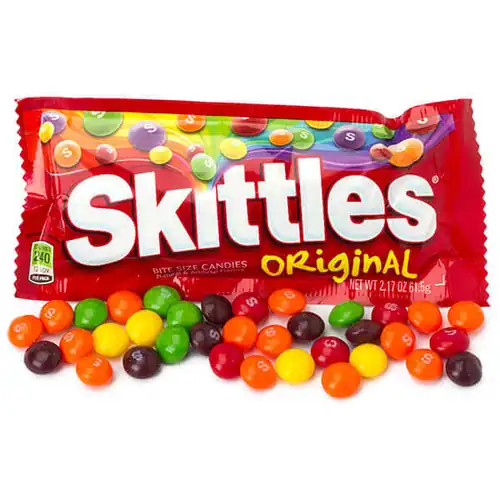
Skittles, with their bright rainbow shells, use synthetic dyes including Yellow 6 and Red 40. While legal in the U.S., these dyes are restricted or banned in several countries due to concerns over hyperactivity and potential tumor formation in animal studies. European versions often rely on natural colorants like beetroot or turmeric instead.
Coffee-Mate Creamer
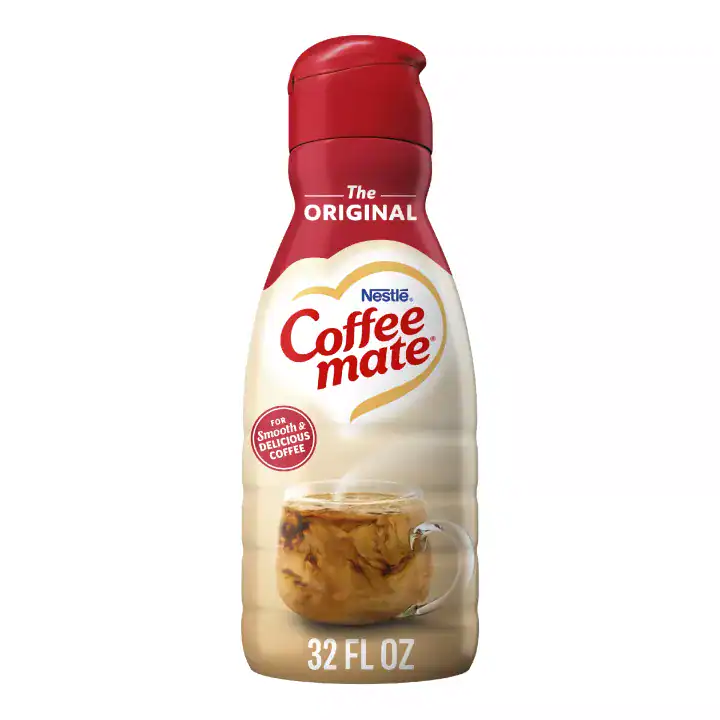
Coffee-Mate non-dairy creamer has faced bans in countries such as Norway and Switzerland because of its trans fat content from partially hydrogenated oils. Trans fats are associated with heart disease and are prohibited in many regions. Reformulated versions exist for export, but the classic U.S. formula is off-limits overseas.
Ritz Crackers

Certain Ritz Cracker formulations include partially hydrogenated oils or other additives that exceed the European Union’s trans fat limits. While newer versions comply with stricter standards, older recipes remain banned. These ingredient restrictions reflect the EU’s broader push to eliminate industrial trans fats from all packaged foods.
Stove Top Stuffing and Instant Potatoes
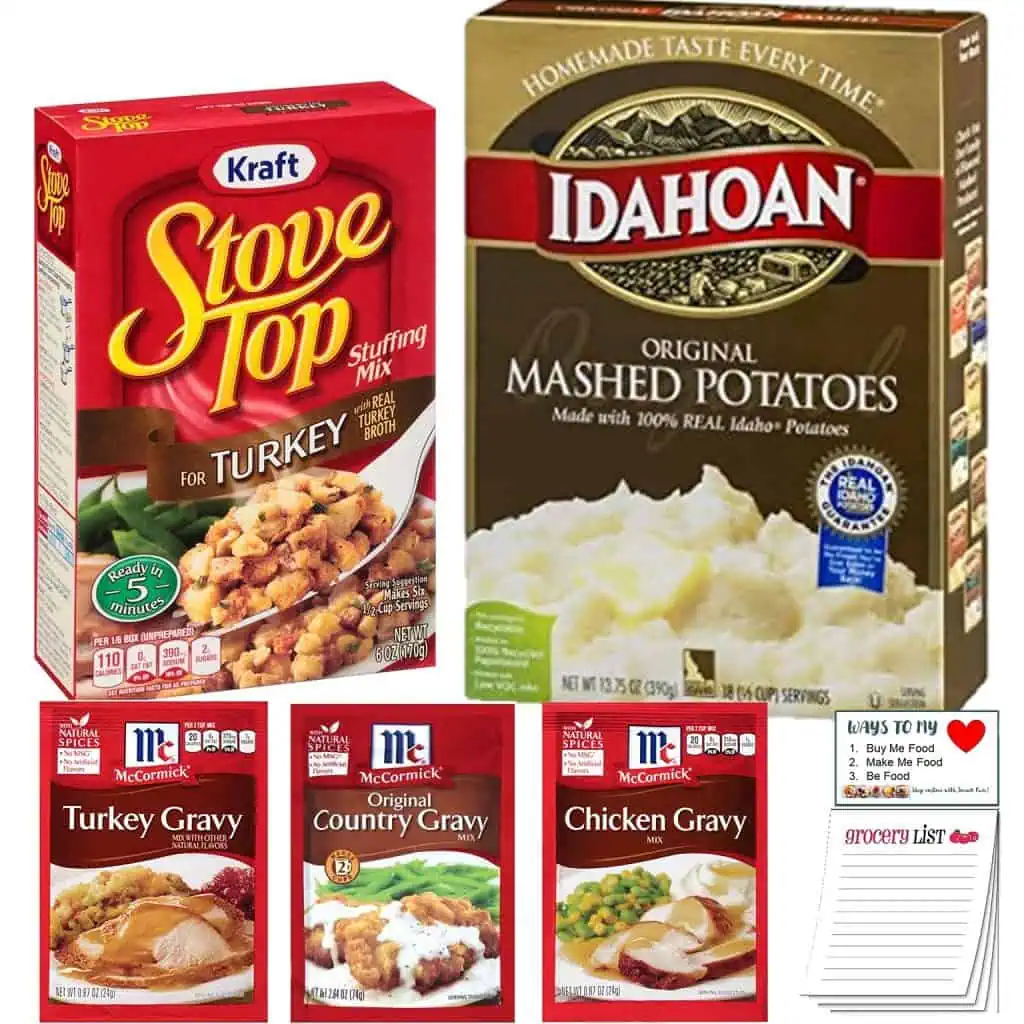
Kraft’s boxed stuffing mixes and instant potatoes often rely on preservatives like BHA and BHT to maintain shelf life. Both chemicals are restricted or banned in several countries, including Japan and the U.K., due to studies linking them to potential carcinogenic effects. These differences in additive policy limit exports of the original U.S. products.
All Trumps Enriched Flour
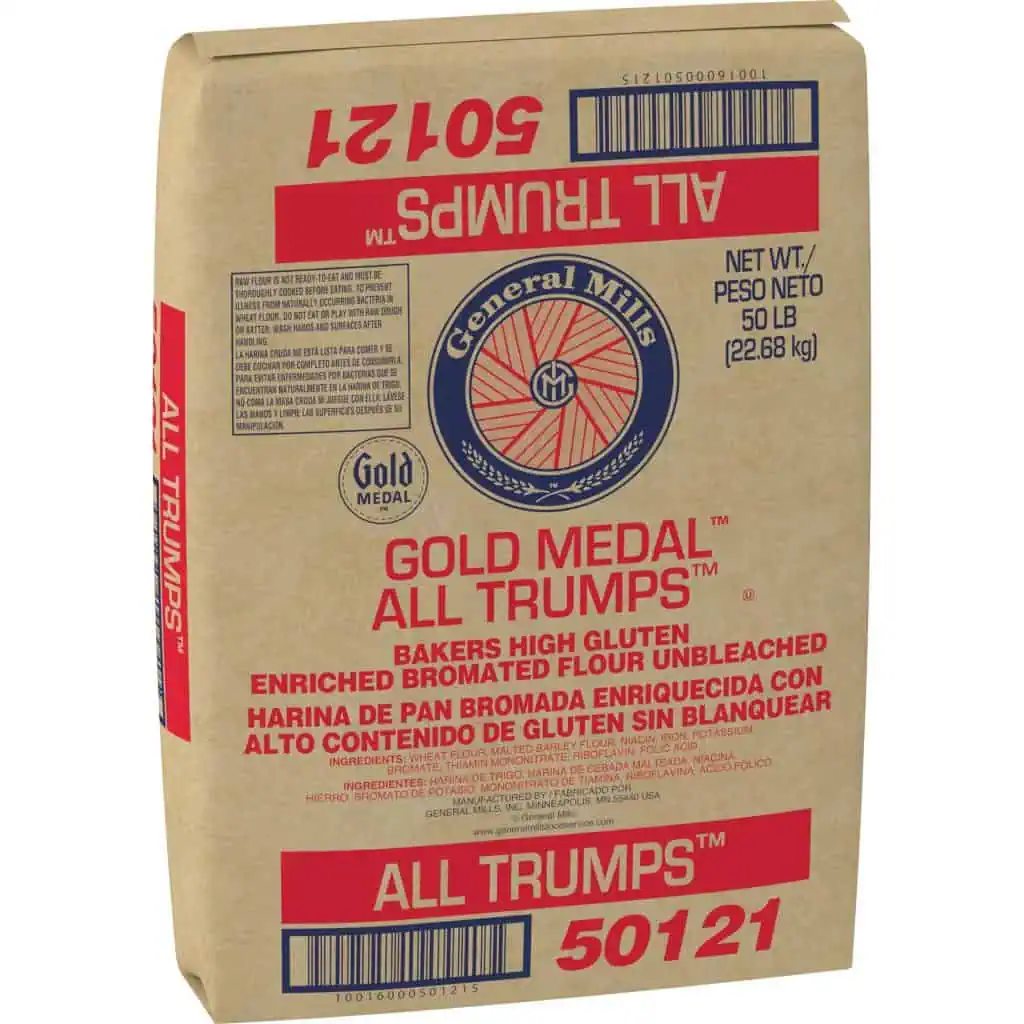
Used widely in pizza doughs and baked goods, All Trumps flour contains potassium bromate, a compound banned in more than 40 countries including Canada and the U.K. Studies suggest bromate may increase cancer risk, leading to strict global prohibitions. In the U.S., it’s still permitted at regulated levels, but exports must use alternate formulas.
GMO and Farmed Salmon Snacks
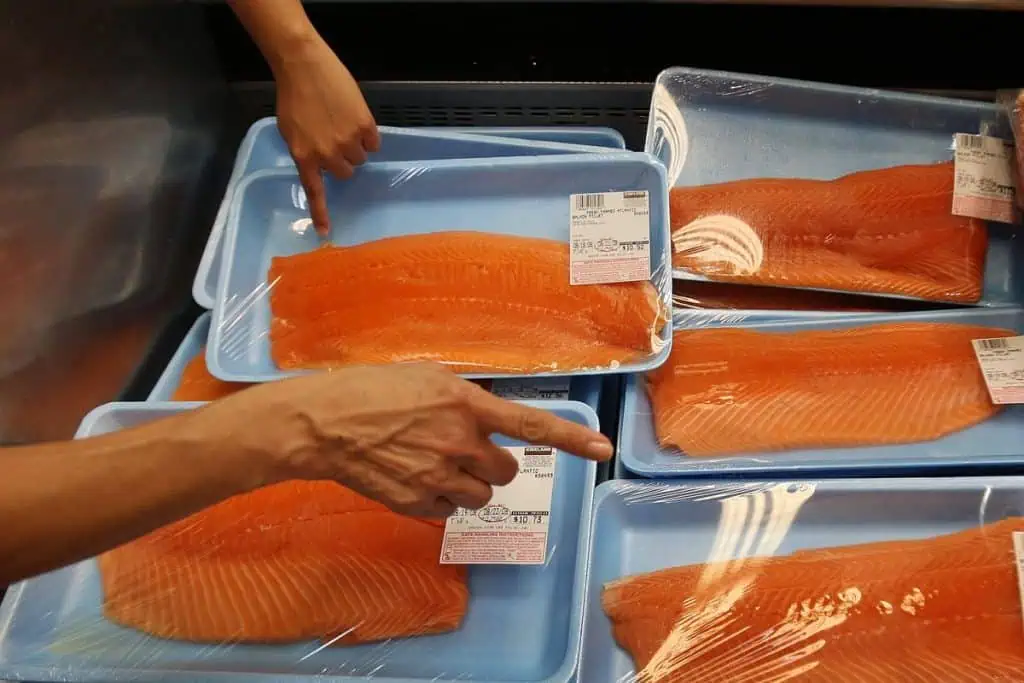
Genetically modified or farm-raised salmon used in some processed snack products are banned in several countries, including members of the European Union. Concerns revolve around genetic engineering, feed additives, and environmental impact. These bans highlight the contrast between American agricultural practices and Europe’s precautionary approach to GMOs.
U.S. Pork with Ractopamine

Ractopamine, a feed additive used to produce leaner pork, is banned in more than 150 countries, including China, the EU, and Russia. As a result, snacks or processed meats derived from U.S. pork may not be imported unless certified ractopamine-free. This ban underscores how farming additives affect international food trade.
Jiffy Corn Muffin Mix
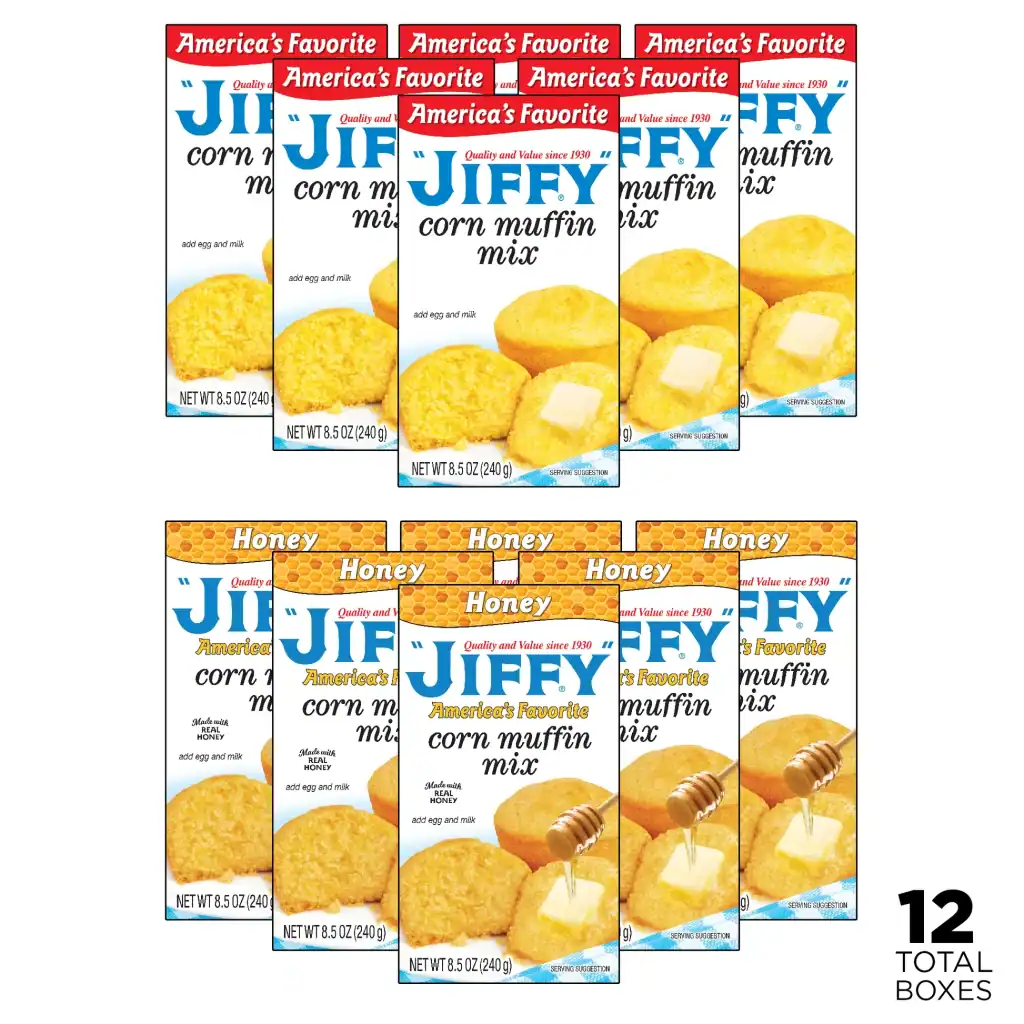
Popular baking mixes like Jiffy contain preservatives and colorants such as BHA and Yellow 5, which violate food safety laws in many European nations. While perfectly legal in the U.S., these additives disqualify the product for sale in regions with stricter food purity standards. Reformulation would be required for export.
Pop-Tarts
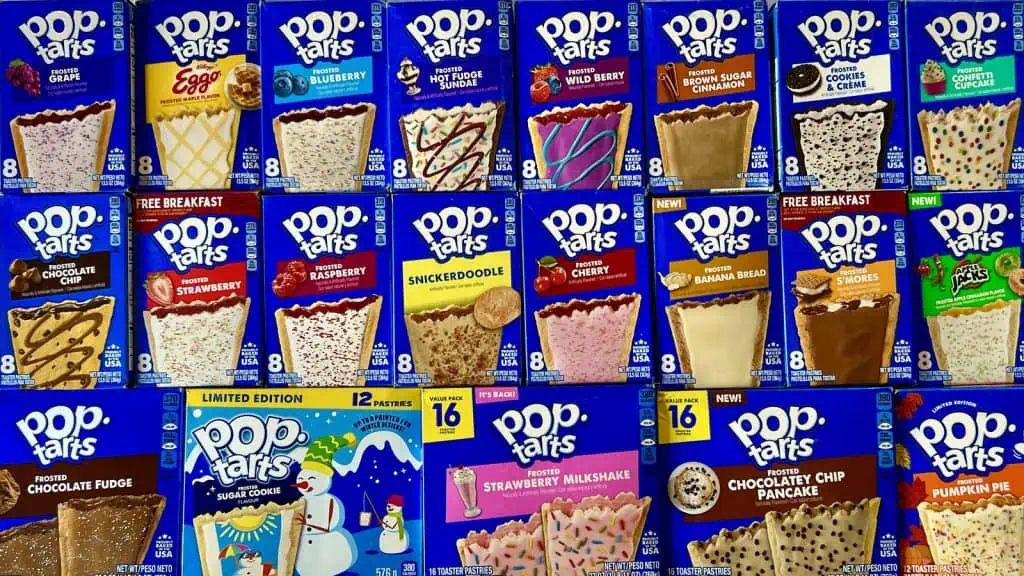
Pop-Tarts’ frosting and fillings often include synthetic dyes such as Red 40 and Yellow 6. These colorants are banned or heavily regulated in Europe due to behavioral and allergic concerns. Some international versions use natural alternatives, but the original American recipe remains excluded from those markets.
