
How Women Are Reshaping the Global Protein Market
For decades, the global protein market was driven by male-focused marketing and performance messaging. But today, women are changing the narrative. They are leading companies, creating inclusive products, and demanding transparency in sourcing and nutrition. This shift is reshaping how protein is produced, marketed, and consumed worldwide. From plant-based startups to fitness-driven supplements, women are bringing a balanced, forward-thinking approach to an industry once dominated by bulk and brawn.
Women-Led Innovation in Protein Brands
Female entrepreneurs are behind many of the fastest-growing protein companies. They’re designing products that emphasize holistic health rather than extreme fitness goals. Instead of focusing solely on muscle gain, these brands highlight energy, recovery, and wellness. Leaders like Denise Woodard of Partake Foods and Melissa Butler of The Lip Bar are proving that thoughtful innovation can disrupt long-standing market trends. Their inclusive visions are redefining what “healthy” really means for modern consumers.
The Rise of Plant-Based Protein
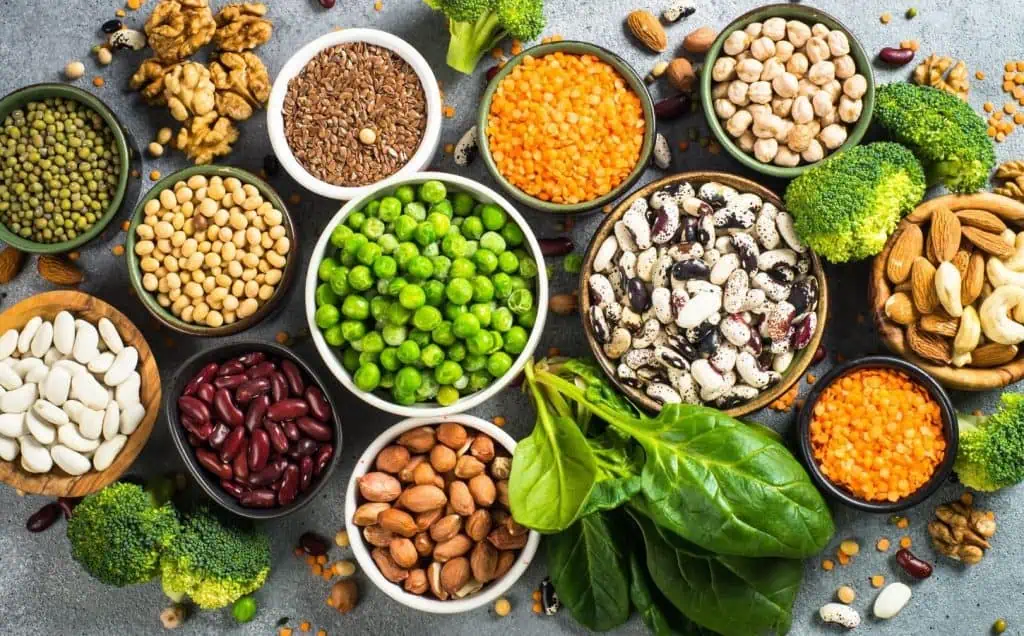
Women are driving the surge in plant-based protein, which has grown into a multi-billion-dollar industry. Many are drawn to it for environmental and ethical reasons, advocating for sustainable alternatives to meat and dairy. Female researchers and food technologists are also improving texture and flavor profiles in plant protein products. This progress is helping the category appeal to a wider audience. By aligning nutrition with sustainability, women are making plant-based living more accessible than ever.
Shifting Marketing and Representation
The image of the protein consumer has evolved thanks to women challenging stereotypes. Protein ads once targeted only athletes or bodybuilders, but now they feature everyday people seeking balance and strength. Women in marketing roles are introducing messaging centered on empowerment, diversity, and lifestyle wellness. This inclusive approach has expanded the market, attracting consumers who value nourishment and self-care over outdated ideals of performance and size.
Scientific Leadership and Product Research
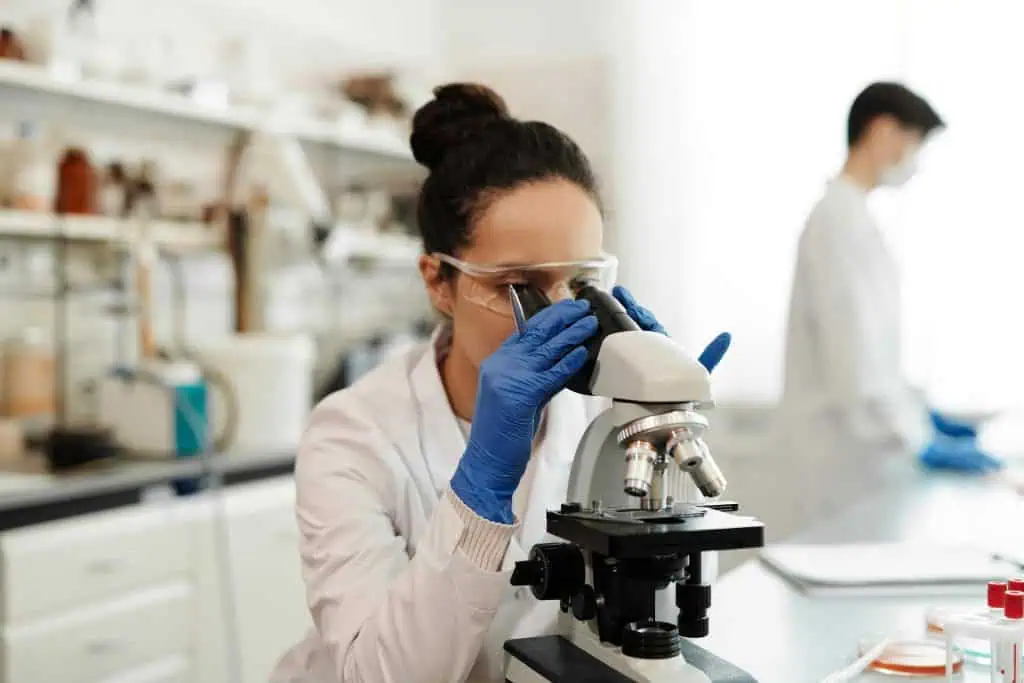
Women scientists are increasingly at the forefront of protein research, studying how different sources support female health. Their work explores how hormones, metabolism, and nutrient absorption vary across genders. This research is helping brands create more precise and effective formulations for women’s needs. By emphasizing science-driven insights rather than assumptions, these experts are reshaping how supplements and functional foods are developed. It’s a shift grounded in knowledge and real human diversity.
Social Media and Community Influence
Influencers and fitness creators have played a huge role in promoting modern protein culture. Female fitness coaches and dietitians use platforms like Instagram and TikTok to educate audiences on balanced eating and realistic wellness goals. Their approach focuses on consistency and empowerment rather than perfection. This authentic communication style has built trust with consumers and sparked global demand for cleaner, ethically made protein options that align with personal values.
Economic Power and Consumer Trends
Women now control a majority of household purchasing decisions, and that influence extends to the protein aisle. Their preferences are steering companies toward transparency in labeling, reduced sugar, and cleaner ingredient lists. The result is a more conscious consumer base that expects accountability. Female spending power is pushing global brands to rethink packaging, pricing, and even sustainability claims. The economic influence of women is no longer secondary; it’s driving market growth.
Toward a More Sustainable Future
As climate awareness grows, women are emerging as key advocates for sustainable protein production. From lab-grown meat startups to regenerative farming initiatives, female leaders are prioritizing long-term impact over short-term gains. Their voices are helping the industry balance innovation with responsibility. This perspective is shaping a future where nutrition, ethics, and environmental health can coexist a vision that’s gaining global momentum as more women step into leadership roles.
