
These Halloween Candies Take Me Right Back to Trick or Treating and This Ranking Proves I Was Not Alone
Halloween arrives with bags of candy that seem to multiply overnight. For parents, the question is not whether kids will eat candy but which treats are better or worse than the rest. The answer is not about finding a health food hiding in the pile. It is about understanding how different candies affect blood sugar, satiety, and portion control.
Dietitians tend to rank candies by a few practical measures. Does it contain protein or fat that slows the sugar rush? Is it easy to eat in small portions? Does it leave you feeling satisfied or reaching for more? Reese’s Peanut Butter Cups, Snickers, and M&M’s score relatively well because their fat and protein content softens the sugar spike. Pure sugar candies like Skittles and candy corn deliver quick energy with little staying power. And sticky treats like Tootsie Rolls raise concerns about teeth. The takeaway is not restriction but mindfulness. Enjoy the candy, choose the ones that satisfy you most, and pay attention to portions. Let’s explore how the most popular Halloween candies stack up.
Reese’s Peanut Butter Cups
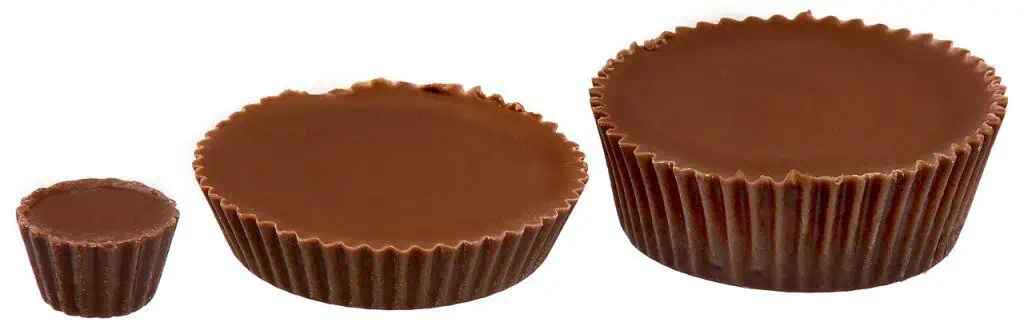
Reese’s combine chocolate and peanut butter, offering a small protein boost along with sugar. Dietitians note the fat content slows digestion, preventing a sharp sugar spike. With around 105 calories per cup, portion control is key, but they’re considered one of the more satisfying treats when eaten mindfully.
Snickers
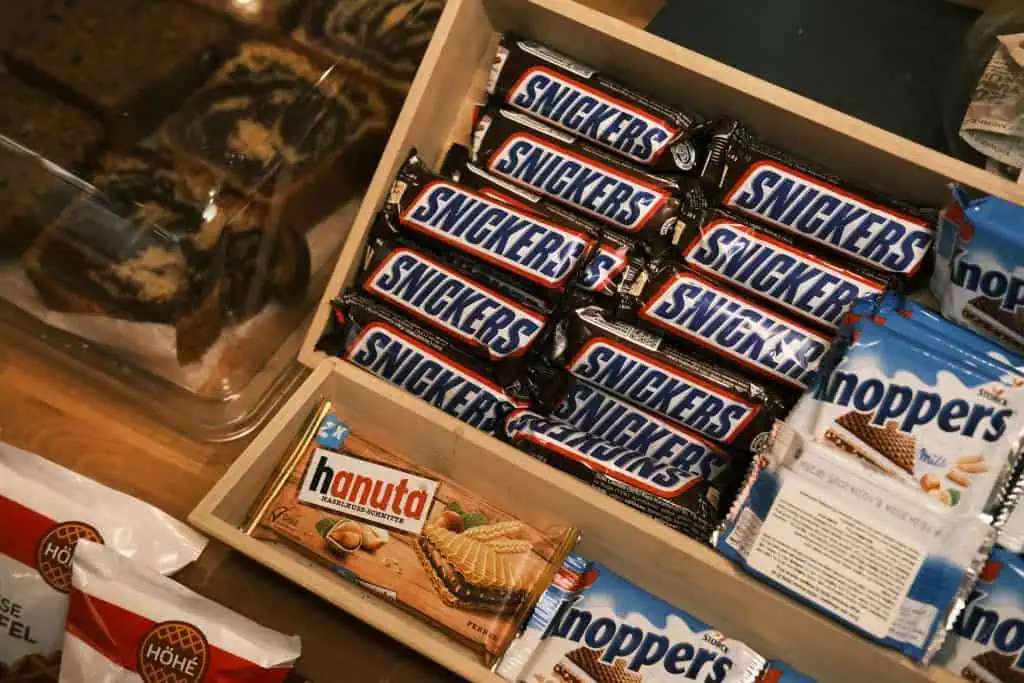
Snickers bars include peanuts, caramel, and nougat coated in chocolate, making them more filling than pure-sugar candies. A single fun-size bar provides protein and fiber from the peanuts, which can help balance blood sugar. At about 80 calories per fun-size bar, they’re a better option than many others if you stick to one or two pieces.
M&M’s

M&M’s are colorful, fun, and easy to portion. A fun-size pack contains around 70 calories, and dietitians recommend sticking to small servings to avoid overeating. They don’t offer much nutritional value, but their portioned packs make them a convenient choice for mindful indulgence compared to unwrapped candy bowls.
Kit Kat
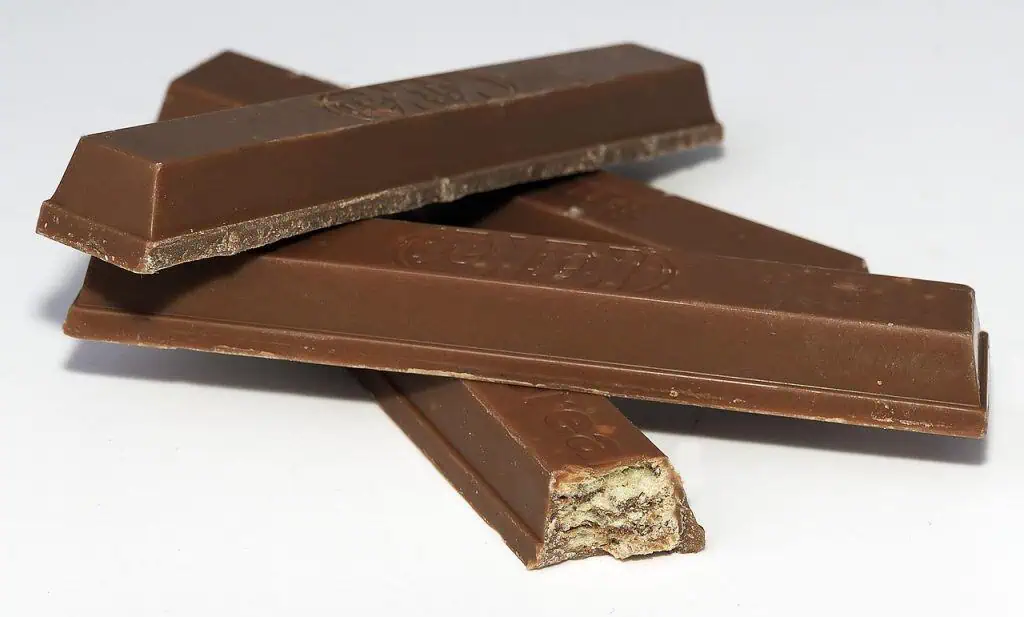
Kit Kats deliver chocolate and wafer crunch in neat, shareable sticks. A fun-size bar is about 70 calories, making portion control easier. Dietitians highlight their lighter texture as a positive, since it helps satisfy a sweet craving without overloading on sugar or fat compared to denser chocolate bars.
Skittles

Skittles are pure sugar, with little to no fat or protein to balance the effect on blood sugar. A fun-size pack has about 60 calories but delivers a quick glucose spike. Dietitians recommend pairing them with a protein-rich snack or limiting portions, since fruity flavors can encourage mindless eating.
Candy Corn

Candy corn is iconic but nutritionally lacking, offering little beyond sugar and artificial coloring. A small handful has about 110 calories, which adds up quickly. Dietitians place it lower on the ranking because it doesn’t provide lasting satiety, often leading to repeated snacking without feeling satisfied.
Tootsie Rolls

Tootsie Rolls are chewy, chocolate-flavored candies with modest calorie counts, about 23 calories each. However, dietitians caution that their sticky texture can linger on teeth, raising cavity risks. While not the worst option in small amounts, they provide little nutritional value and are best enjoyed sparingly.
