
I Always Assumed All Fruit Was Equally Healthy Until I Read What the Science Says About Fighting Cancer
Fruit has a reputation as nature’s candy, but that undersells what it actually does. Behind the sweetness lies a complex mix of antioxidants, fiber, and bioactive compounds that help protect cells from damage, reduce inflammation, and support the body’s natural defenses. The World Cancer Research Fund consistently links diets rich in fruits and vegetables to lower rates of certain cancers.
The fruits on this list are not magic bullets. No single food can prevent cancer on its own. But research suggests that certain fruits, eaten regularly as part of a balanced diet, offer measurable protection. Blueberries deliver anthocyanins that slow the growth of cancer cells in lab studies. Apples provide quercetin, a flavonoid with anti-inflammatory effects. Grapes carry resveratrol in their skins. Citrus, strawberries, papaya, and cherries all bring their own protective compounds to the table. Understanding what makes them valuable helps you build a diet that supports long-term health. Let’s explore the fruits backed by science and the reasons they deserve a place in your daily routine.
Blueberries
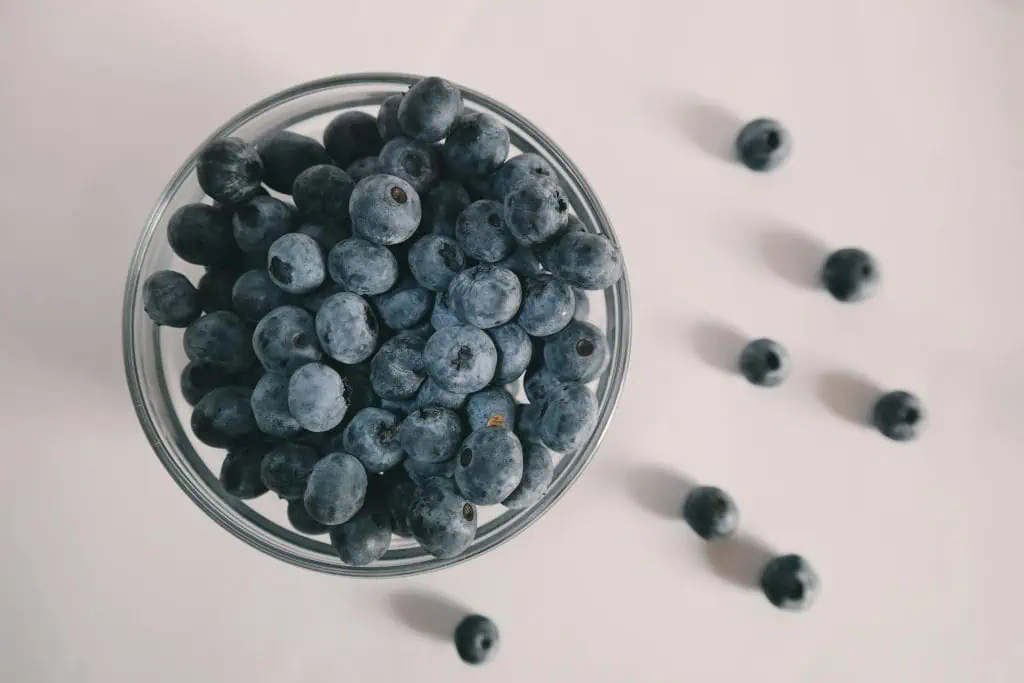
Blueberries are loaded with anthocyanins, antioxidants that help reduce oxidative stress, a key driver of cancer development. A study in the Journal of Agricultural and Food Chemistry found blueberry extracts slowed the growth of breast cancer cells in lab tests. Their high vitamin C and fiber content also support immune health, making them a powerful ally in a cancer-preventive diet.
Apples
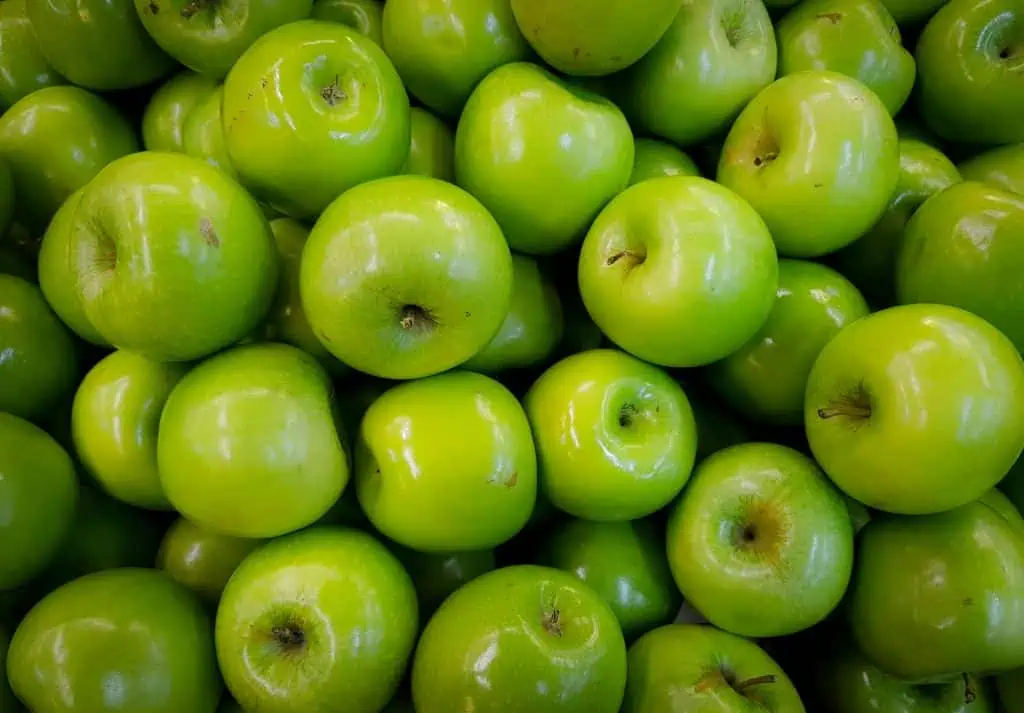
An apple a day may truly keep disease away. Apples contain quercetin, a flavonoid linked to anti-inflammatory and anti-cancer effects. Research published in the Annals of Oncology showed higher apple consumption was associated with reduced risk of lung cancer. Their fiber also promotes gut health, which plays a key role in regulating cancer-related processes in the digestive system.
Grapes
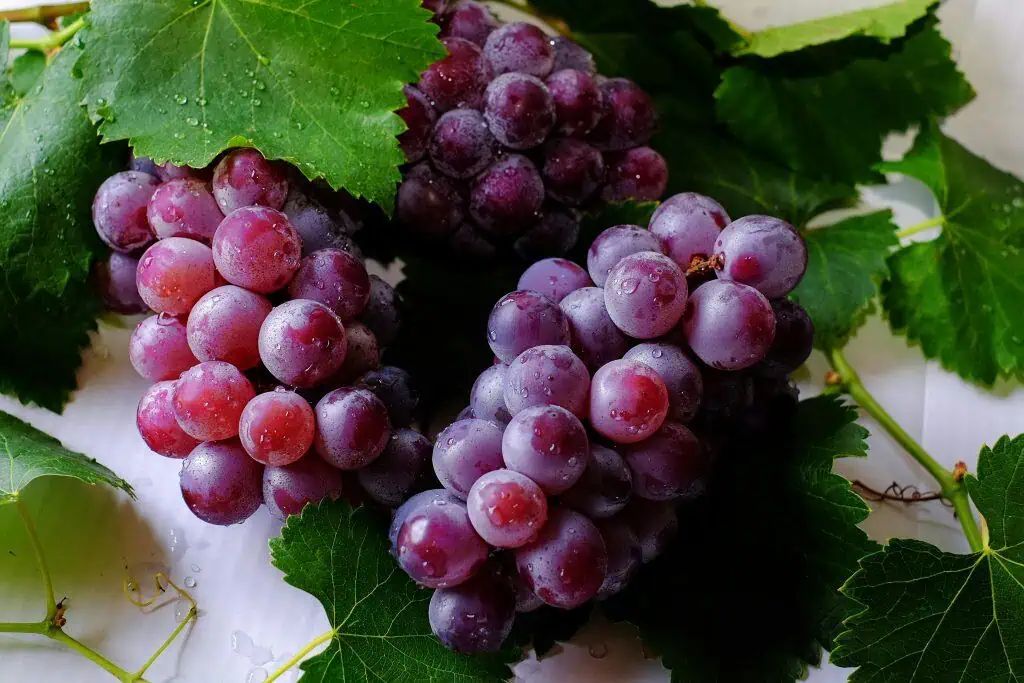
Grapes, particularly red and purple varieties, are rich in resveratrol, a compound studied for its anti-cancer potential. A review in the Cancer Letters journal highlighted resveratrol’s ability to block tumor growth in experimental studies. The skin of grapes contains most of this powerful antioxidant, so eating them whole rather than juiced provides maximum benefit.
Citrus Fruits
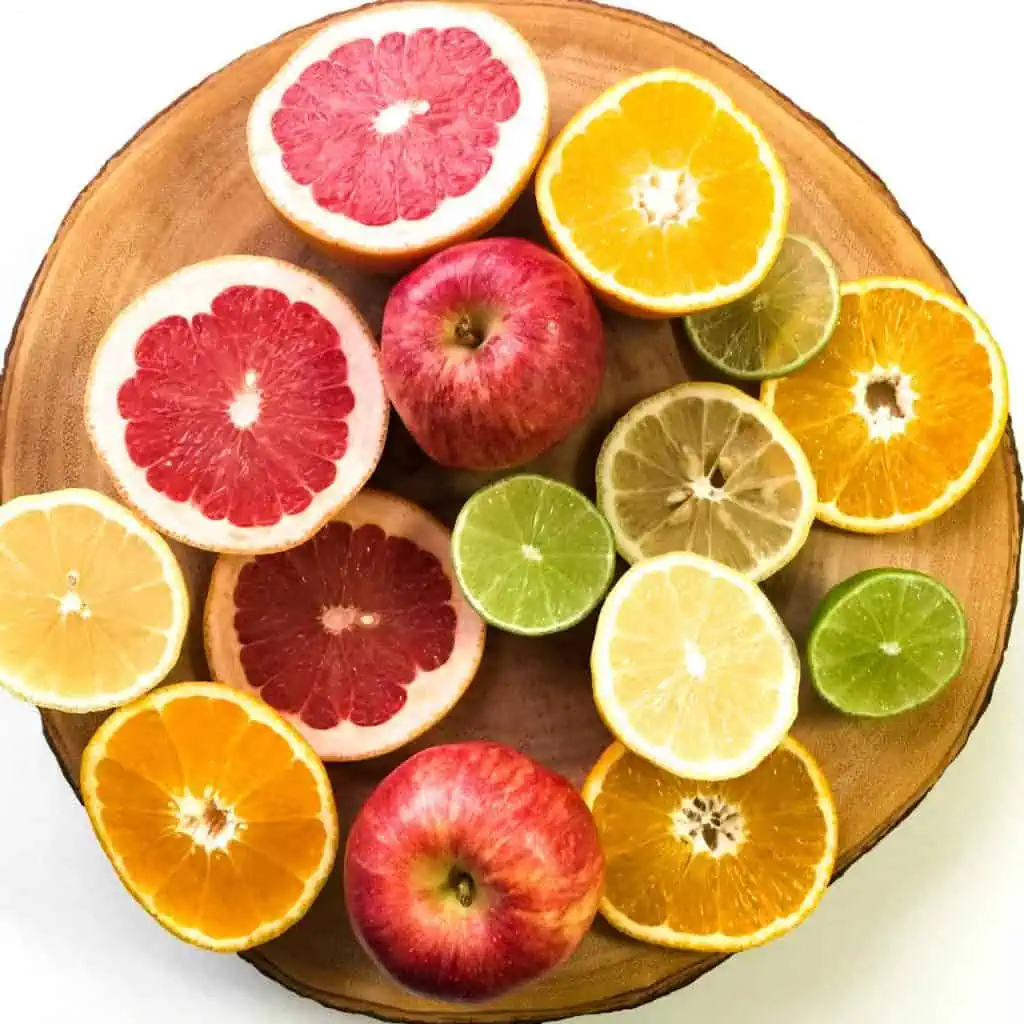
Oranges, lemons, and grapefruits offer high amounts of vitamin C, which protects cells from free radical damage. A study in the International Journal of Cancer found regular citrus intake was linked to lower risk of esophageal cancer. The flavonoids in citrus fruits also have anti-inflammatory properties, helping reduce processes that contribute to tumor growth.
Strawberries
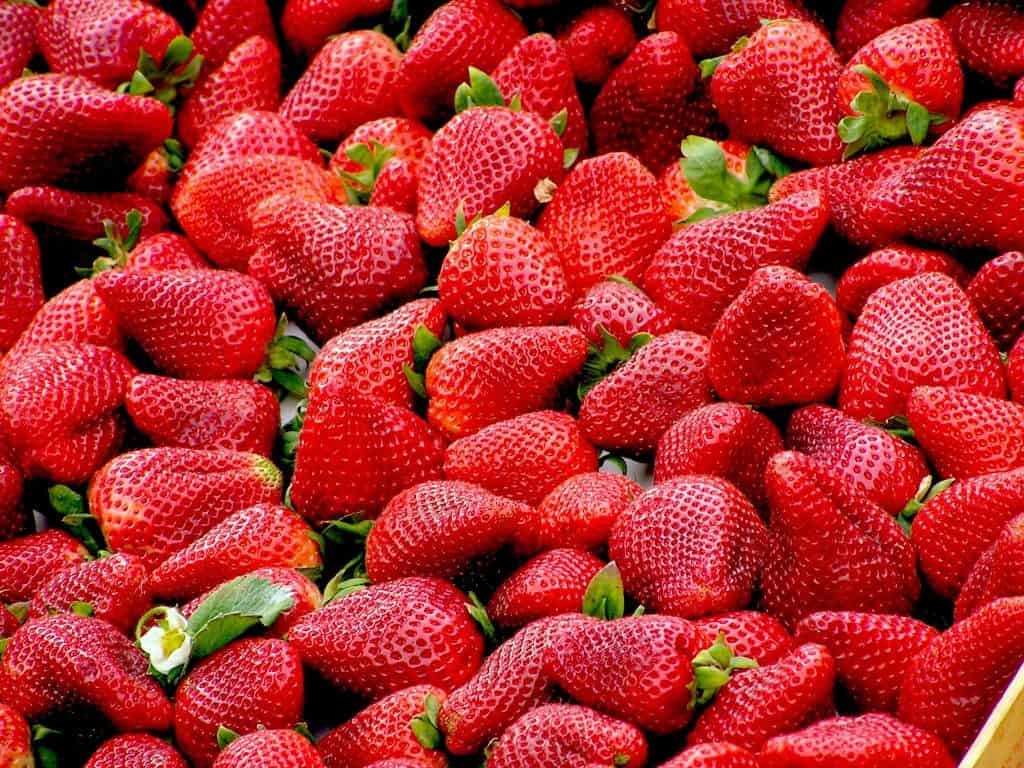
Strawberries provide ellagic acid and vitamin C, both known for their antioxidant effects. Research in the Journal of Berry Research noted that strawberry extracts inhibited cancer cell growth in laboratory studies. Their bright red color signals high polyphenol content, which has been linked to reduced DNA damage, a critical factor in preventing cancer progression.
Papaya
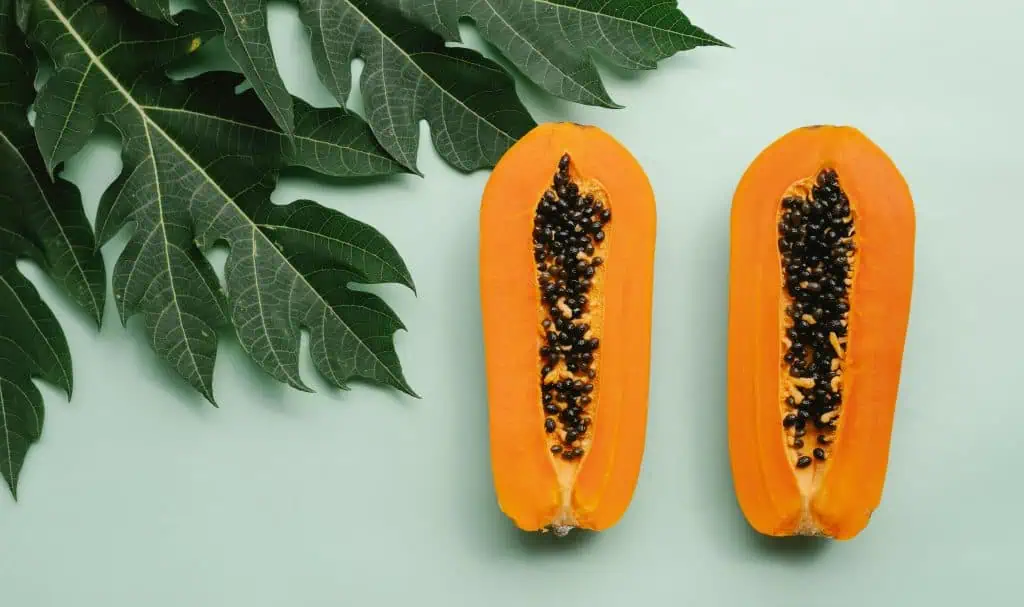
Papaya is rich in lycopene and beta-carotene, antioxidants associated with cancer prevention. A Cancer Epidemiology, Biomarkers & Prevention study found diets high in lycopene were linked to lower risk of prostate cancer. Papaya also contains unique enzymes like papain, which aid digestion and may support better nutrient absorption for overall immune defense.
Cherries
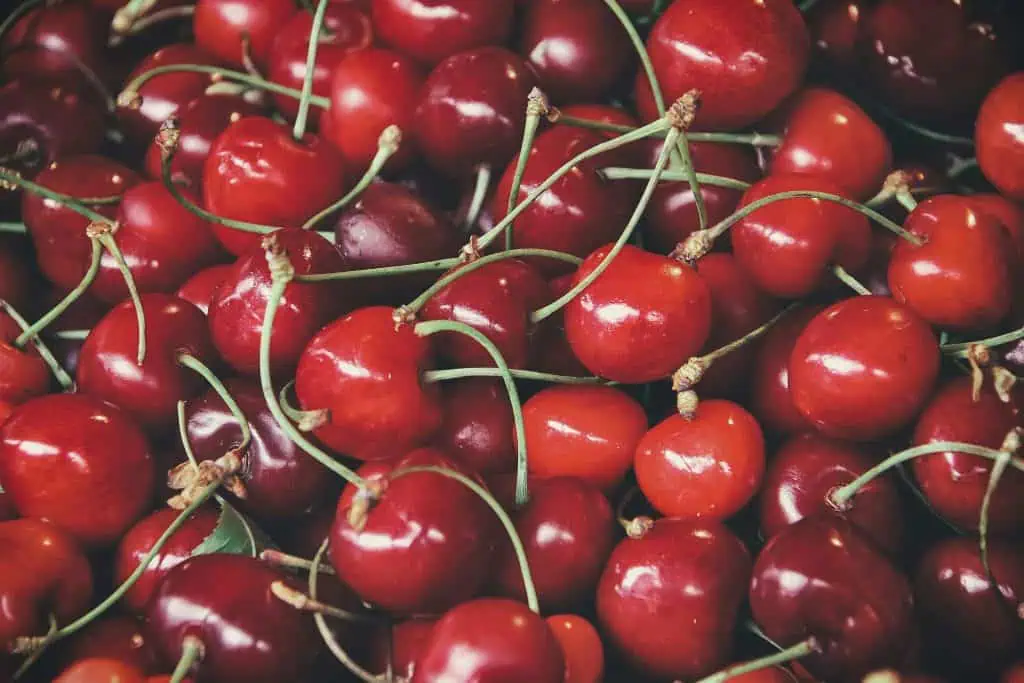
Cherries contain anthocyanins and vitamin C, compounds with strong anti-inflammatory and anti-cancer potential. A study in Nutrients showed cherry consumption reduced oxidative stress markers in humans, which can lower cancer risk over time. Their natural melatonin content also supports sleep, an important factor for overall immunity and cancer defense.
