
9 Ways Grocery Shopping Has Become a Moral Choice
Grocery shopping is evolving from a simple household chore into a series of ethical decisions with every item placed in the cart. Today’s consumers are increasingly mindful of how their choices affect the environment, economy, and global communities. This awareness comes amid growing concerns about sustainability, labor practices, and waste reduction. Understanding these considerations turns shopping into an informed, moral choice that reflects broader values and supports meaningful change.
Organic vs. Conventional Farming

Choosing between organic and conventional produce often involves weighing sustainability against cost. Organic farming practices emphasize natural growth cycles, avoiding synthetic fertilizers and pesticides. This method not only enhances soil health but also promotes eco-friendly biodiversity. However, cost can be a barrier, as organic items typically carry a higher price tag due to more labor-intensive practices. When choosing, consider how organic methods reduce chemical runoff and impact overall health.
Fair Trade Labels: Ethics in Every Bite

Fair Trade labels act as a guarantee of ethically sourced products, ensuring that farmers and workers in developing countries receive equitable pay. These labels go beyond fair wages, often encompassing safe working conditions and sustainable practices. When purchasing items like coffee, chocolate, or bananas, opting for Fair Trade products supports strong, ethical supply chains that fight against exploitation. This choice reassures consumers that their purchases contribute positively to global communities.
Local Produce: Support Farmers, Cut Miles
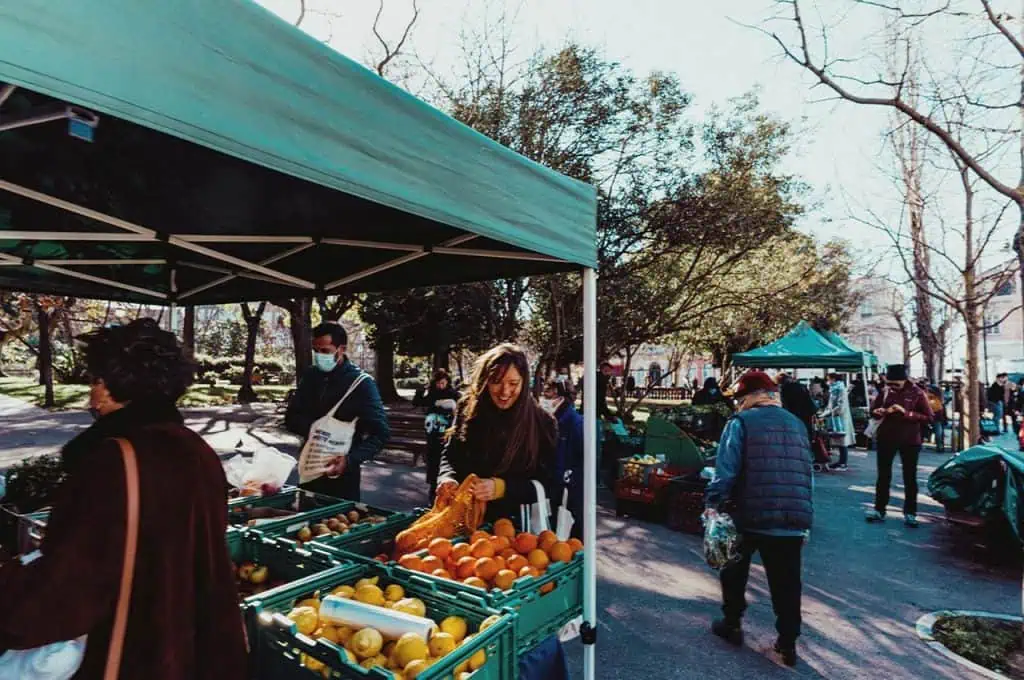
Buying local produce not only supports nearby farmers but also significantly reduces food miles, an important factor in carbon emissions. When produce travels shorter distances, it often results in fresher goods, preserving flavor and nutrients. Local purchases strengthen regional economies and create closer consumer-producer relationships. Consider exploring farmers’ markets or community-supported agriculture (CSA) programs to directly invest in sustainable, local food systems that minimize environmental impact.
Plastic-Free Packaging: Reduce Waste
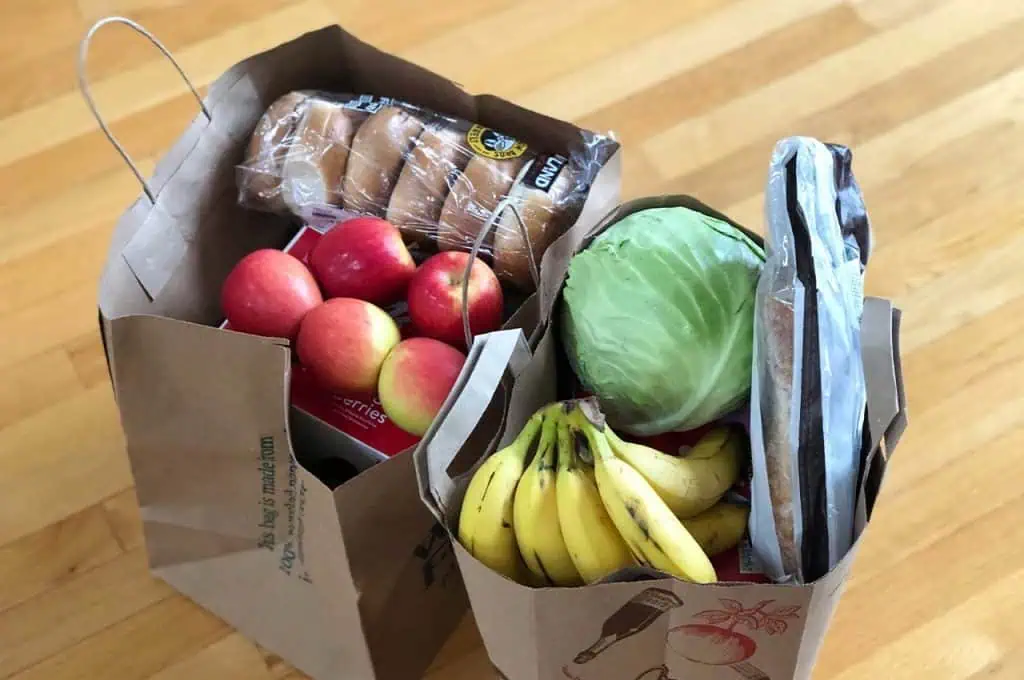
Reducing plastic waste is a critical concern for environmentally conscious shoppers. Opt for products with minimal or biodegradable packaging to minimize landfill contributions. Seek out bulk items and use reusable containers, avoiding single-use plastics whenever possible. This approach not only lessens environmental impact but also encourages a shift toward sustainable consumption. Thoughtful packaging selections can drive industry change, as businesses respond to demand for eco-friendly options by rethinking their packaging strategies.
Plant-Based Alternatives: Healthier Choices

Opting for plant-based alternatives is not just about health; it’s about supporting sustainability. Plant-based proteins like lentils, chickpeas, and tofu require fewer resources than meat. Experiment with spices and herbs to enhance their flavors. Consider the texture of each choice, as some, like tempeh, offer a firmer bite, while others, like jackfruit, provide a tender pull. These swaps can lead to meals lower in saturated fat and cholesterol, contributing positively to long-term health. Check labels for additives to ensure a truly wholesome choice.
Animal Welfare: Beyond Cage-Free

Choosing products that prioritize animal welfare often means going beyond labels like ‘cage-free.’ Look for certifications such as Certified Humane or Animal Welfare Approved. These standards ensure better living conditions for animals, impacting your conscience as much as your plate. Eggs from pasture-raised hens or dairy from grass-fed cows often deliver better taste and texture, reflecting higher welfare standards. Understand the farm-to-shelf journey of these products to make informed decisions that align with ethical eating practices.
Food Miles: Climate Impact of Choices

Being aware of food miles can significantly reduce your carbon footprint. Opt for locally sourced produce when possible; it’s fresher and supports regional farmers. Seasonal shopping naturally aligns with local availability, offering foods at peak flavor with fewer resources spent on transportation. Explore farmer’s markets or community-supported agriculture (CSA) programs as direct avenues for fresh, responsible consumption. Each choice to minimize food miles contributes to a more sustainable kitchen.
Worker Rights: The True Cost of Cheap

Behind inexpensive grocery items can lie underpaid labor. Investigate brands that support fair labor practices, ensuring workers receive fair wages and work in safe conditions. Certifications like Fair Trade can guide quality choices while supporting ethical labor standards. Consider the journey of coffee, chocolate, and bananas, where fair practices are crucial. Choose products that reflect a respect for human values, translating into more enriching kitchen experiences and a clearer conscience.
Brands: Activism at Checkout

Engaging with brands that align with your values makes grocery shopping a form of activism. Research company commitments to sustainability, ethical sourcing, and community support. Many brands lead initiatives to reduce plastic waste, improve transparency, or give back to their communities. Supporting these companies reinforces market demand for responsible business practices. Your choices at checkout can herald change, making every trip to the grocery store a statement of informed consumerism.
