
6 Grocery Trends That Show How Shopping Habits Are Changing Post-Pandemic
The pandemic reshaped the way we buy food, and many of those shifts are still shaping grocery aisles today. From the rise of online delivery and curbside pickup to a growing focus on local, sustainable products, shoppers are redefining convenience and values at the same time. Health, budget, and lifestyle changes all play a role, and the grocery store has quietly become a window into how society itself is adapting.
The Rise of Online Grocery Shopping

Online grocery shopping is becoming a staple in consumers' routines, offering unmatched convenience. With just a few clicks, you can explore a vast selection, compare prices, and access product details. This shift allows for time-saving meal prep as planning becomes more efficient. Fresh produce, pantry staples, and specialty items are available, often with detailed nutritional information. Online platforms frequently update inventory, ensuring availability and freshness, with many offering intuitive apps for seamless mobile integration.
Curbside Pickup: Embracing Contactless Convenience
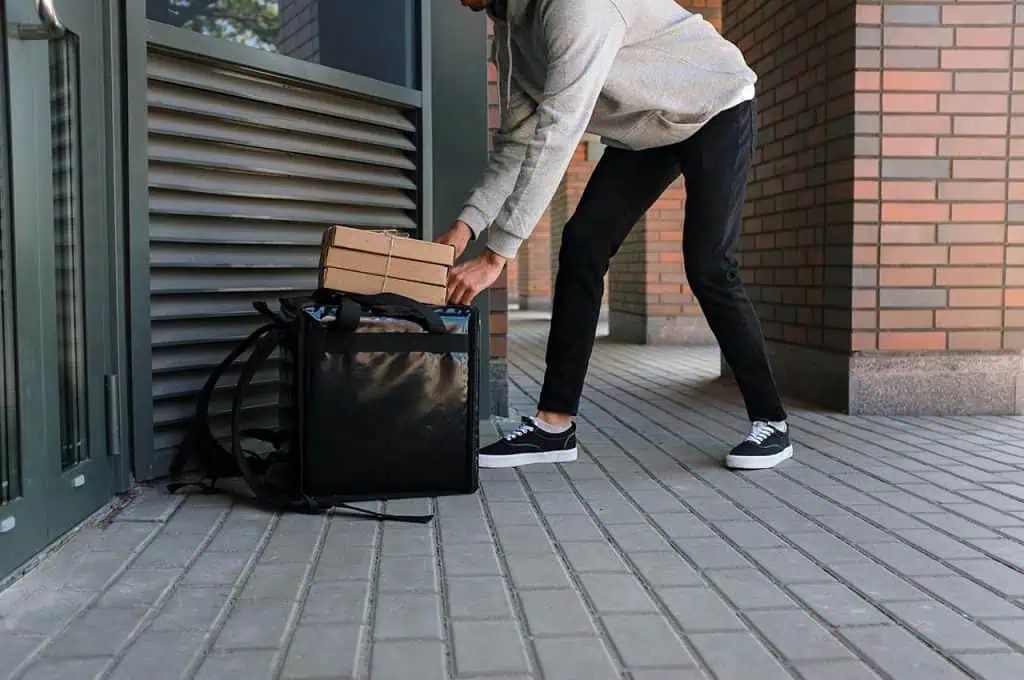
Curbside pickup streamlines shopping, merging the ease of online ordering with immediate access to goods. This method minimizes interaction, providing comfort and safety. Shoppers can browse, select, and pay online before picking up items without leaving their vehicle. Many stores offer dedicated parking spaces for this service, with staff members trained to promptly deliver purchases. Curbside pickup is ideal for managing immediate grocery needs while reducing in-store crowding, making it a favored option for timely, hassle-free procurement.
Health-Driven Choices: Immune-Boosting Foods

Heightened health awareness has shifted focus to nutrient-rich, immune-supportive foods. Items like citrus fruits, leafy greens, yogurt, and nuts are in demand, rich in vitamins and minerals pivotal for immunity. Shoppers are seeking minimally processed products, prioritizing organic and locally sourced options. Stores respond by stocking more superfoods, such as turmeric and ginger, often featuring them in prominent displays. This trend reflects a growing preference for diets that enhance well-being and proactive health maintenance through everyday nutrition.
Going Local: Sustainable Sourcing Trends

Consumers are increasingly gravitating towards locally sourced products, favoring items that support sustainability and community growth. This trend reduces carbon footprint and promotes transparency in sourcing. Local produce often boasts superior freshness and flavor, arriving at stores shortly after harvest. Additionally, buying local supports small producers and regional economies. Grocery stores are responding by highlighting local partnerships, creating dedicated sections for locally manufactured products, and adopting labeling practices that inform and inspire eco-conscious choices.
Private Labels: Budget-Friendly Alternatives

Private label products have gained popularity as affordable, quality alternatives to national brands. These store-branded items often match or exceed the quality of their counterparts while being more budget-friendly. Offered across various categories, from snacks and beverages to cleaning products and health foods, private labels provide value without compromising on taste or performance. Enhanced packaging and ingredient transparency further appeal to savvy shoppers. As a result, these options are reshaping consumer spending habits, promoting smart, economical shopping decisions.
Shopping Tech: Apps, Smart Carts & More

The grocery shopping experience is evolving with technology at the forefront. Apps simplifying list management and price comparisons now include features like nutritional evaluations and personalized recommendations based on preferences and dietary restrictions. These tools save time and adapt to changing needs. In-store, smart carts equipped with built-in scales and barcode scanners streamline the checkout process and provide instant access to product information. This seamless integration of technology into shopping habits allows for a more efficient and informed experience, tailoring the trip to individual health and budget needs.
