
Smart Bulk Buying: How to Save Money Without Wasting Food

Buying in bulk is one of the most reliable ways to lower grocery bills, but it can also backfire when food spoils before it is used. The USDA estimates that American households waste between 30 and 40 percent of the food they purchase each year, much of it due to overbuying or improper storage. With careful planning and the right approach, bulk shopping can stretch a budget, cut down on trips to the store, and keep meals fresh and enjoyable without adding to that staggering waste.
Plan Before You Buy
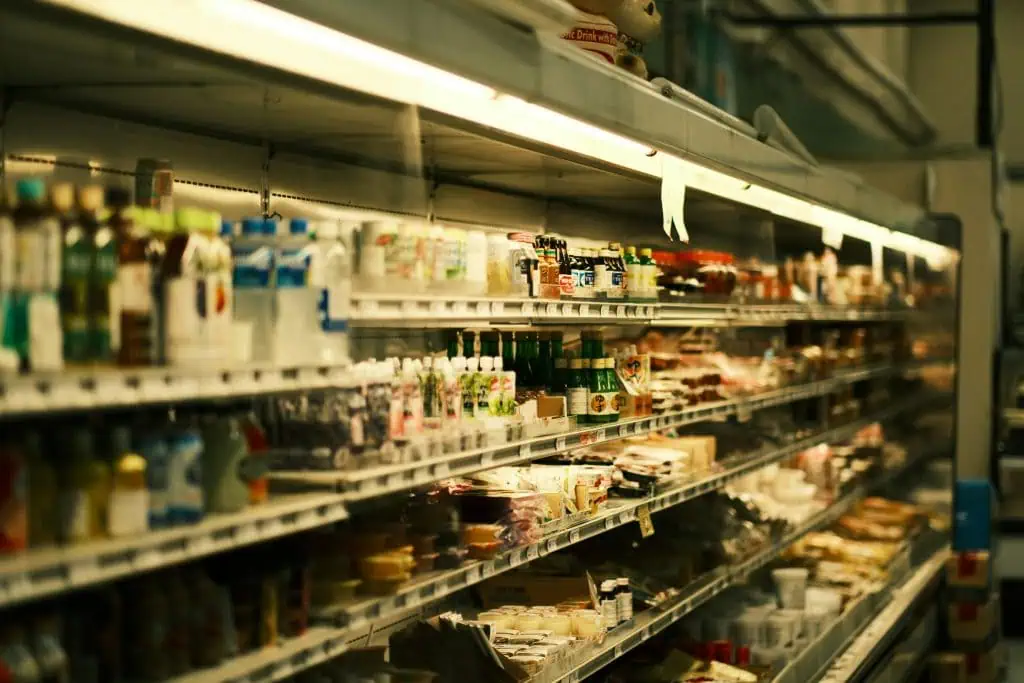
The foundation of smart bulk buying is planning. Walking into a store without a clear list often leads to oversized purchases that never get eaten. A well-prepared list built around a week of meals helps ensure that every item placed in the cart has a purpose. Families that plan meals before shopping spend less overall and avoid the trap of stocking up on items that only gather dust in the pantry. Sticking to familiar staples such as rice, oats, pasta, or canned beans makes bulk shopping efficient because these foods can be used in countless ways without quickly going bad.
Store Properly to Extend Freshness
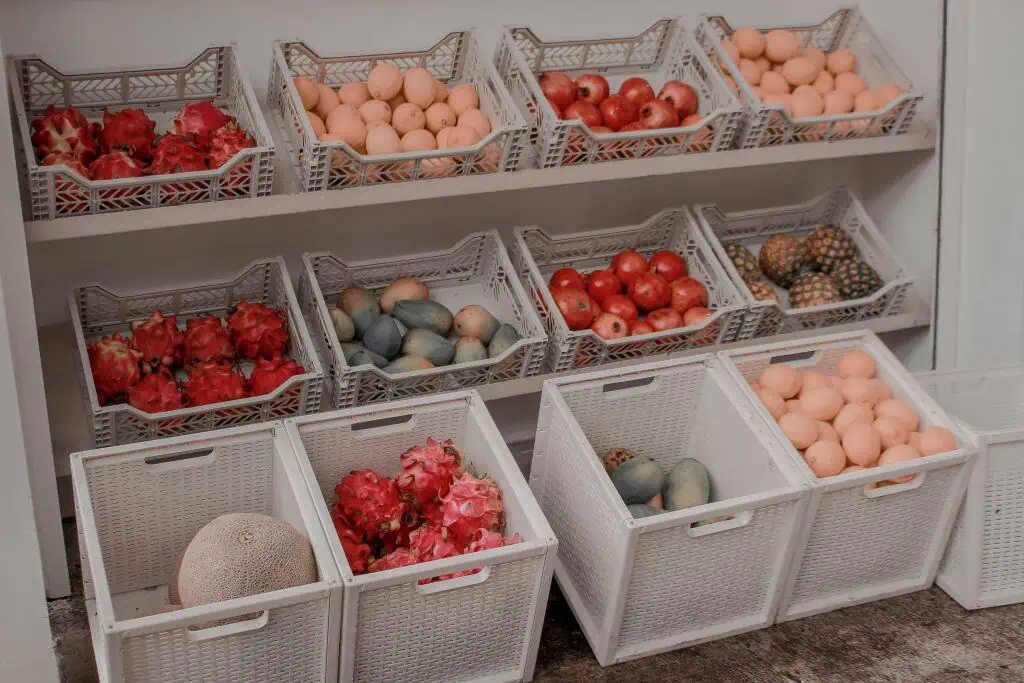
Once purchased, the way food is stored determines how long it will last. Dry ingredients like flour, sugar, or cereal should be transferred to airtight containers to protect them from pests and humidity. Meats, bread, and produce require freezer-safe bags or sealed containers to preserve freshness for months. Labeling everything with the purchase and freeze dates prevents forgotten items from being pushed to the back and wasted. The FDA notes that frozen chicken remains safe for up to nine months, while ground beef should ideally be used within four. Proper storage habits are the key to keeping bulk purchases safe and edible.
Buy Perishables Wisely
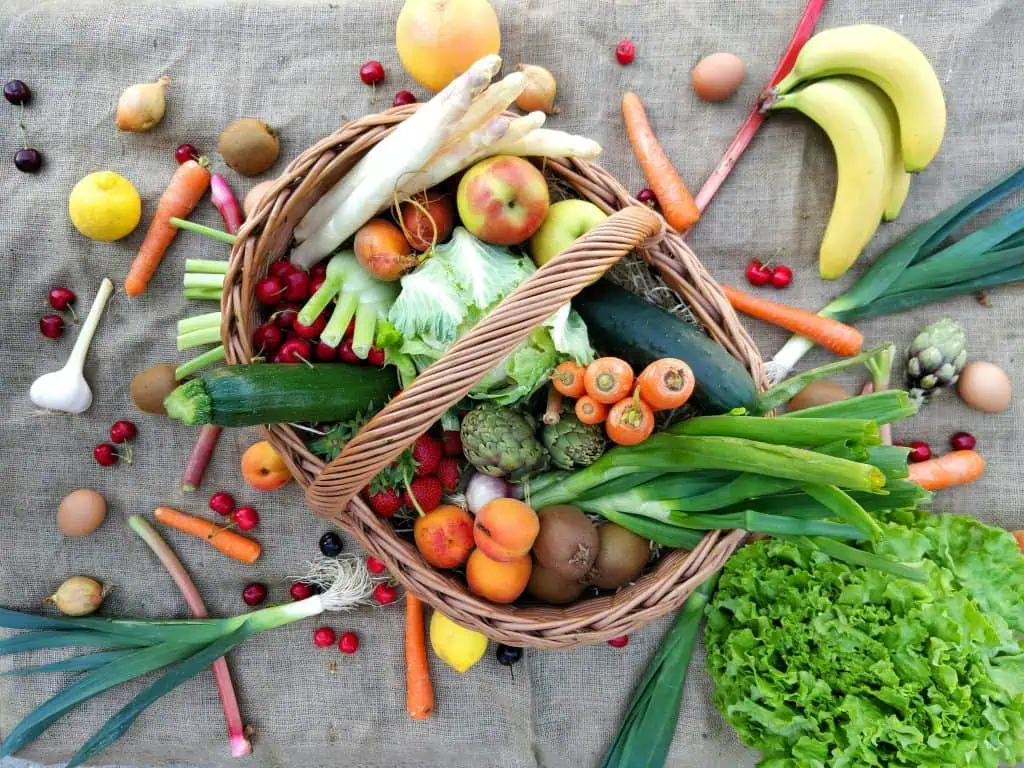
Fresh produce presents the biggest challenge in bulk shopping. Sturdy vegetables such as carrots, potatoes, onions, and cabbage naturally last longer and are ideal for larger purchases. Fruits should be selected at different stages of ripeness to ensure they are eaten gradually, with bananas serving as a perfect example since they can be eaten fresh, baked into bread, or frozen for smoothies once they overripe. More delicate items, like berries or leafy greens, need extra care. They should be used first in meal planning or frozen quickly to preserve them. Small adjustments in purchasing and storage can significantly reduce spoilage and save money.
Portion and Freeze
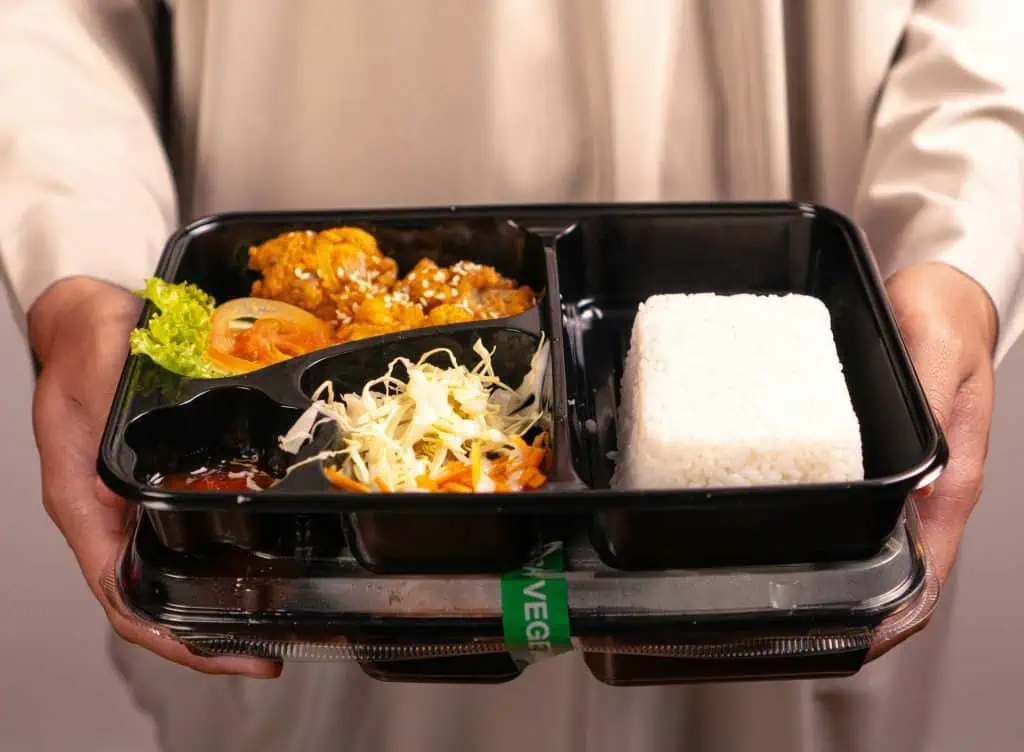
Another effective approach is to portion bulk purchases before freezing. A large bag of chicken thighs, for example, can be divided into family-sized servings so that only the needed amount is thawed at a time. Preparing and freezing cooked meals also adds convenience during busy weeks. Soups, stews, and sauces can be cooled, separated into containers, and stored for later without losing nutritional value. Freezers essentially act as time machines for food, allowing families to buy in bulk today and enjoy meals weeks or months later without the risk of spoilage.
Shop Sales Strategically
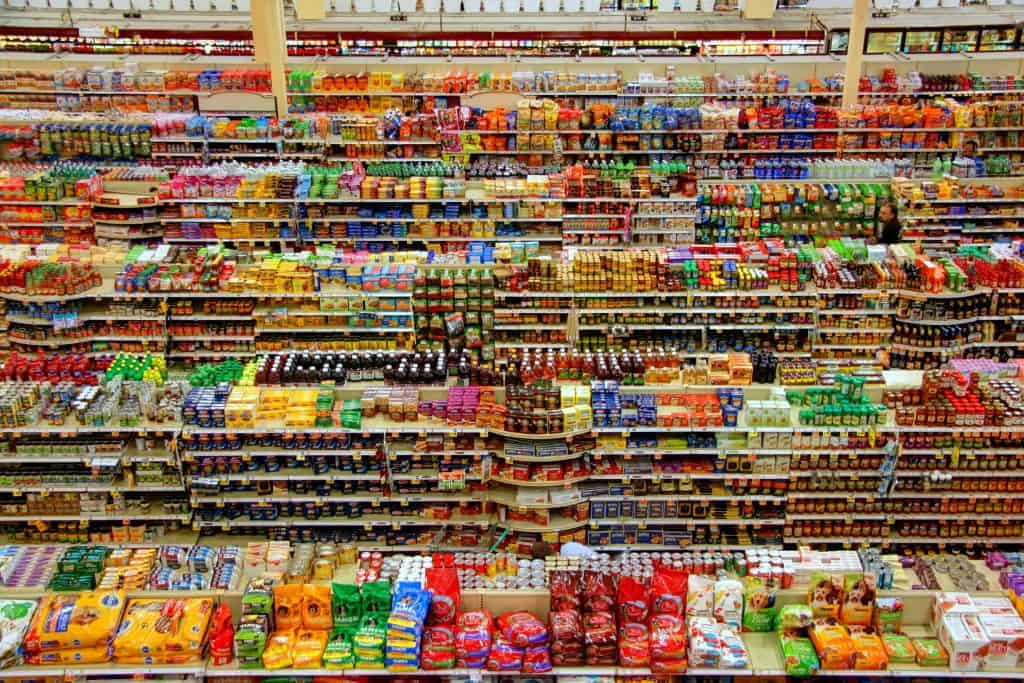
Although buying in bulk often leads to lower prices, it is not always the cheapest option. Shoppers should compare unit prices carefully, since a bulk bag may cost more per ounce than a smaller package on promotion. Warehouse clubs offer good value for staples, but supermarkets frequently run sales that beat bulk pricing. Smart shoppers watch flyers, use loyalty programs, and combine discounts to maximize savings. Being selective is important because purchasing a giant jar of sauce that expires before it is half used results in wasted money and wasted food.
Share with Friends or Family

Bulk deals often make sense only when shared. Splitting purchases with friends, relatives, or neighbors ensures that items are used while still fresh. A large tray of baked goods or a big package of dairy products can be divided so nothing is wasted. In many communities, families informally pool resources to take advantage of wholesale discounts together. Sharing spreads the benefits of lower prices and helps reduce unnecessary waste, especially when it comes to perishable items that are difficult for a single household to finish on its own.
Cook and Repurpose Leftovers

Cooking is another way to ensure bulk purchases are used effectively. Large portions of meat or beans can be prepared once and transformed into different dishes across the week. A roasted chicken might appear as a main dish one night, in sandwiches the next, and finally in a hearty soup. Repurposing meals not only reduces monotony but also prevents leftovers from being tossed away. Organizations such as Feeding America highlight that families who meal prep and repurpose regularly can save hundreds of dollars annually by avoiding waste.
Rotate Stock and Track Expiration Dates
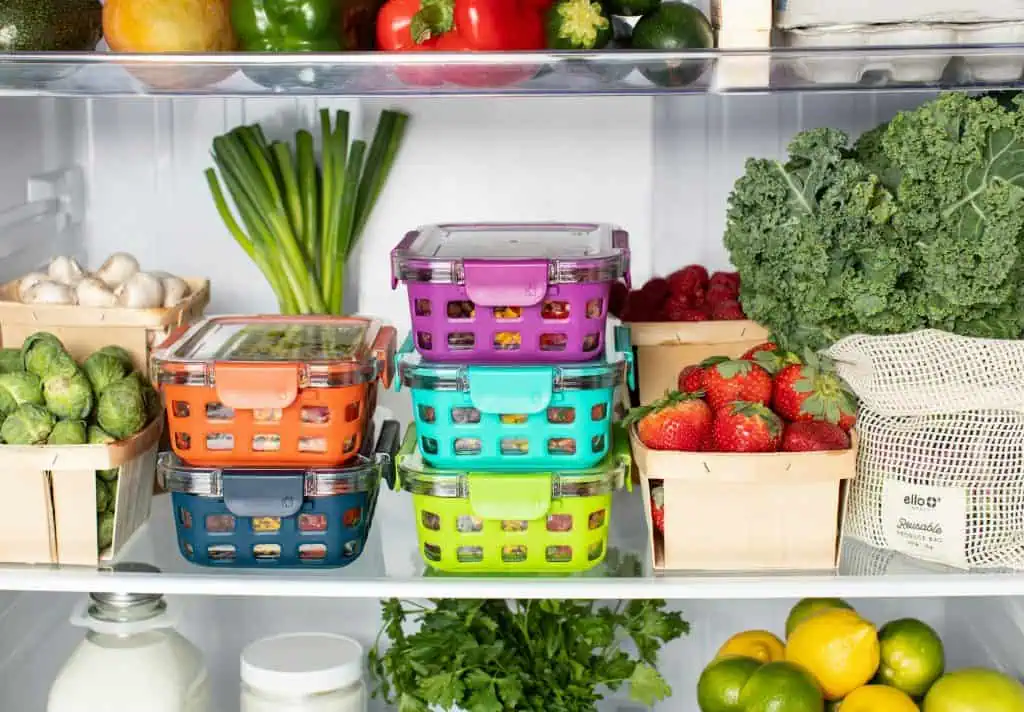
Keeping track of what is already on hand is just as important as buying new items. A simple practice is the “first in, first out” method, which places newly purchased goods behind older ones to ensure the oldest items are used first. This habit is especially important in pantries and freezers where food can easily be forgotten. Maintaining a visible inventory, even with something as basic as a note on the refrigerator, prevents waste. Technology also makes this easier, as mobile apps can track expiration dates and alert households before products go bad.
