
How to Nail Portion Control Without Weighing or Measuring
Have you ever finished a meal and realized you ate far more than you intended, simply because the food was there and you were not really paying attention? It happens to all of us. The good news is that portion control does not require a kitchen scale, a set of measuring cups, or a complicated tracking app. With a few simple visual cues, some mindful habits, and a little practice, you can learn to serve yourself the right amount for your body, without feeling deprived or obsessive.
In this guide, we will explore practical, everyday strategies that make portion control feel natural and even enjoyable. You will learn how to use your own hand as a measuring tool, how to build a balanced plate at a glance, and how to tune into real hunger cues instead of emotional ones. We will also cover smart tricks like using smaller plates, pre-portioning snacks, slowing down at meals, and managing restaurant servings with confidence. As your guide, I want to help you build a healthier relationship with food, one mindful bite at a time. So let's dig in and discover how easy portion control can truly be.
Master the Hand Method

The hand method offers a simple way to estimate portions using your hand as a guide. For proteins, aim for a serving roughly the size of your palm. When it comes to carbohydrates, a cupped hand serves as an ideal measure. Vegetables, crucial for any meal, can be portioned to fit both hands together. This method personalizes portion control, adapting to your individual needs based on hand size.
Embrace the Plate Division Technique

The plate division technique helps balance your meals visually. Fill half your plate with vegetables or salad, providing vitamins and fiber. Use a quarter of the plate for lean proteins, ensuring you receive essential amino acids. Reserve the final quarter for whole grains or starchy vegetables, supporting energy levels. This approach encourages varied textures and flavors while maintaining nutritional balance.
Tune Into Real Hunger Cues
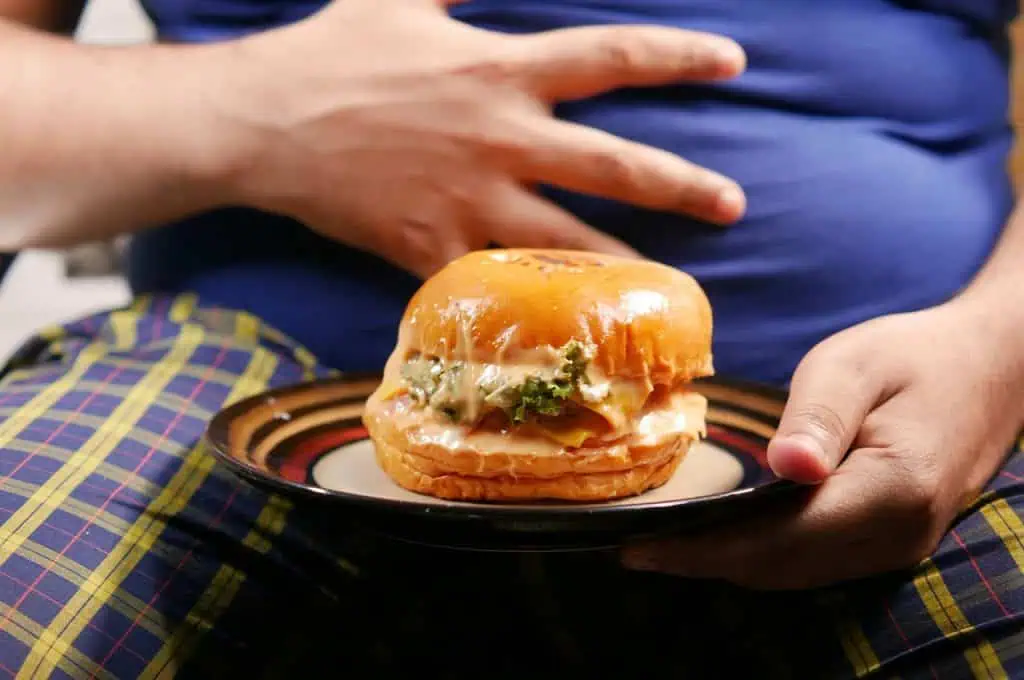
Understanding real hunger involves listening to your body's signals. Before eating, assess whether the desire stems from physical hunger or external cues like stress. Pay attention to sensations like stomach growling or a lack of energy. This mindfulness helps prevent overconsumption and teaches you to respond appropriately to your body's needs, fostering a healthier relationship with food.
Slow Down and Savor Every Bite

Eating slowly enhances portion control by allowing time for your brain to register fullness. Chew each bite thoroughly, appreciating flavors and textures to avoid rushing through meals. This technique not only aids digestion but also heightens the dining experience, making meals more satisfying and reducing the temptation to overeat.
Opt for Smaller Plates and Bowls

Using smaller plates and bowls is an effective and straightforward approach to avoiding oversized portions. A more modest serving space naturally restricts your portion size, allowing your brain to register satisfaction without excess. The visual deception of a full plate can significantly impact your perception of a complete meal, leading to reduced consumption. Choose dishware that encourages moderation, and you may find yourself satiated with less, making this simple adjustment a valuable tool in mindful eating practices.
Pre-Portion Snacks for Success
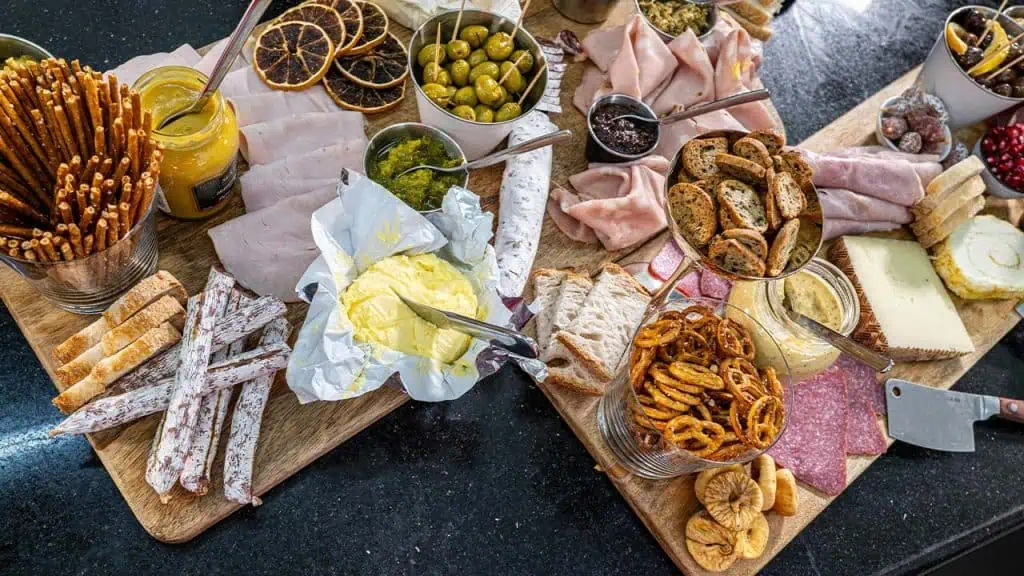
Preparing snacks in advance can help manage intake and prevent mindless munching. Divide larger packages of nuts, fruits, or crackers into single-serving containers. This method ensures that you have convenient, go-to snacks ready, eliminating the temptation to overindulge directly from the bag. By incorporating this habit, you establish control over snack portions, contributing to better overall eating habits and avoiding unnecessary calories during those in-between meal moments.
Prioritize Fiber-Rich Foods
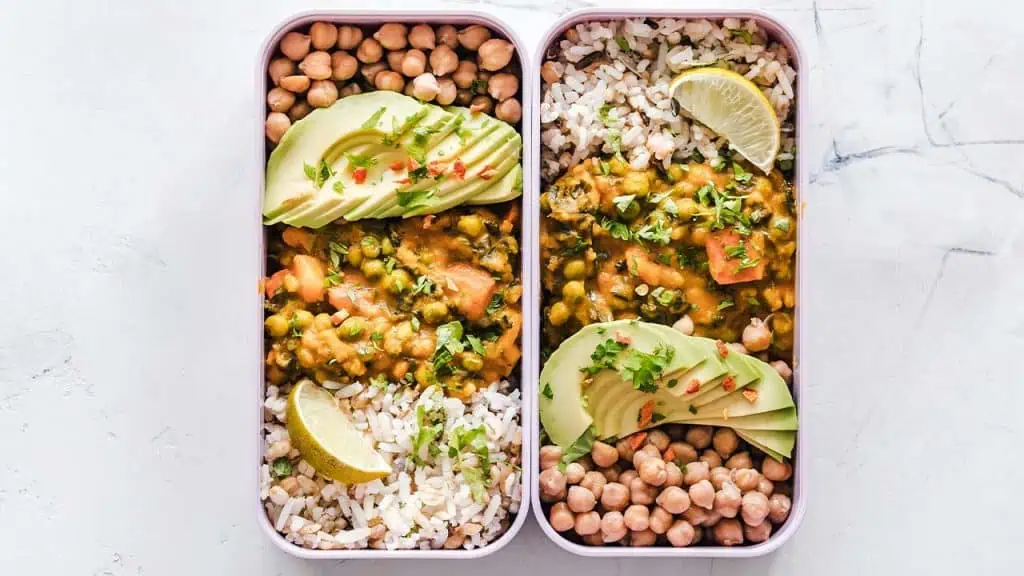
Fiber-rich foods like vegetables, whole grains, and legumes not only promote satiety but also improve digestion. These foods tend to be lower in calories while still filling you up, making them an excellent choice for portion control. Incorporate a variety of textures using crunchy vegetables or hearty grains to make meals more satisfying. By focusing on these nutrient-dense options, you can achieve a balanced feeling of fullness with less food, supporting a more mindful and controlled eating pattern.
Decoding Restaurant Portions
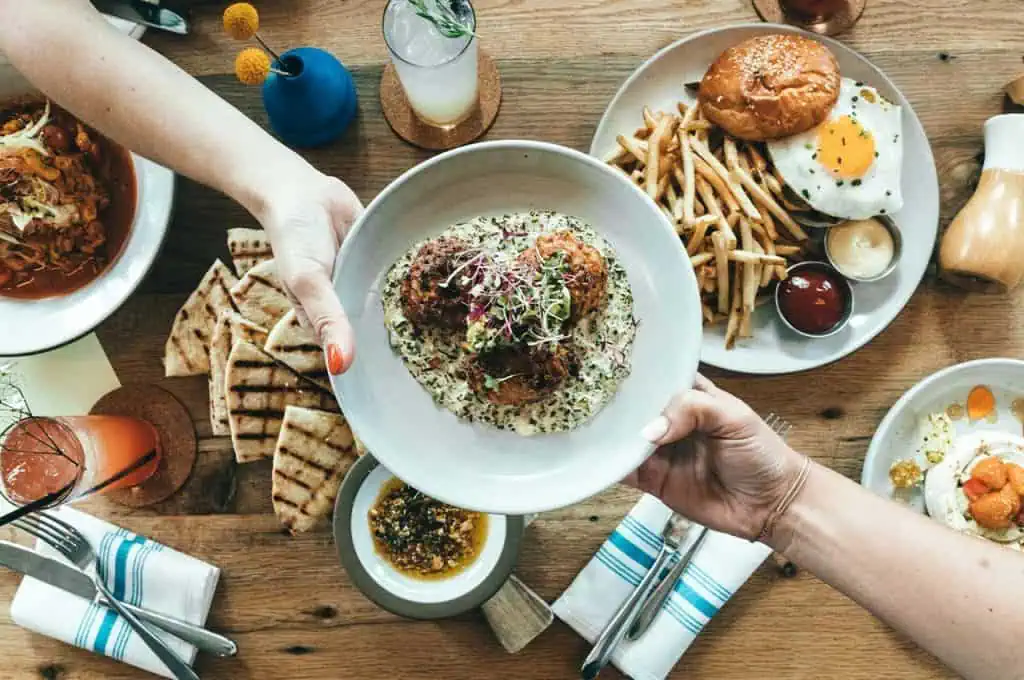
Navigating restaurant portions can be challenging, as servings often exceed what one might typically prepare at home. To tackle this, consider techniques such as splitting a dish with a dining partner, or immediately setting aside half to take home. Engage your server for recommendations on smaller plates or lighter menu options. By proactively managing restaurant portions, you maintain control over your intake while still enjoying the dining experience, fostering a balanced approach to eating out.
Hydrate Before and During Meals

Drinking water before and during meals can be instrumental in managing portion sizes. Hydration aids in naturally curbing hunger by allowing you to distinguish between thirst and actual hunger. A glass of water consumed about 30 minutes prior to eating can set the stage for a mindful meal by promoting a feeling of fullness, thus preventing overeating. Continually sipping water throughout a meal also facilitates digestion, contributing to a more satisfying dining experience.
Minimize Mealtime Distractions

Focusing on your meal without interruptions can help you eat more mindfully and recognize when you're satisfied. Begin by turning off TVs and putting phones aside to create a peaceful dining environment. Engage in the colors and aromas of your food, allowing your senses to guide your meal rather than external stimuli. Eating slower and chewing thoroughly enhances satisfaction, promoting better digestion and helping you naturally control portion sizes. This conscious approach allows your body's internal signals to guide your food intake more effectively.
