
10 Processed Foods That Nutrition Experts Suggest Limiting
Processed foods, while convenient, often come with hidden nutritional pitfalls. Health experts consistently advise moderating their intake to maintain balanced diets and well-being. Paying close attention to ingredient lists and nutritional labels can make a significant difference in managing sugar, sodium, and unhealthy fats in your diet. Understanding the impact of specific processed foods can empower you to make healthier choices without sacrificing flavor or convenience.
Sugary Breakfast Cereals: A Sweet Trap

Despite their appealing colors and flavors, many breakfast cereals are laden with added sugars that can spike blood sugar levels and leave you feeling hungry soon after. Opt for options with whole grains and minimal added sugar instead. Scrutinize labels for fiber content, too higher fiber contributes to satiety and better digestive health. Pairing cereals with protein-rich yogurt or milk can further balance your morning meal.
Soda: The Liquid Sugar Shock

Sodas, often packed with sugar and empty calories, contribute to weight gain and metabolic issues. Even diet sodas, though sugar-free, may impact appetite and metabolic health. Consider water infused with citrus or herbs as a refreshing alternative. If craving fizz, seltzers offer the carbonation without the sugar or artificial sweeteners, allowing for a satisfying taste without the nutritional drawbacks.
Packaged Snacks: Beware the Hidden Additives

Packaged snacks like chips or flavored crackers often contain unhealthy fats and excessive sodium. Pay attention to labels, choosing options with natural ingredients and lower sodium content. Whole-food alternatives, such as nuts or dried fruits, provide more nutrients and can be easily portioned for mindful snacking. Creating your own snack mixes at home allows control over ingredients and flavors.
Instant Noodles: Quick Meal, Slow Digestion

Instant noodles, a staple for convenience, are usually high in sodium and contain preservatives that may affect long-term health. Enhancing them with fresh vegetables and lean proteins can boost nutritional value. Using a low-sodium broth or seasoning alternative reduces sodium intake, while adding spices like ginger or garlic improves depth of flavor without added salt. Exploring whole-grain noodle options can also offer a healthier base.
Frozen Dinners: Convenience Over Health

Frozen dinners offer quick solutions but often come with hidden downsides. They are typically high in sodium and artificial preservatives, which can overshadow their convenience. When selecting a frozen meal, examine the ingredient list and nutrition facts; opt for those with lower sodium levels and fewer additives. Consider enhancing these meals with fresh vegetables or a side salad to boost nutritional value. This approach mitigates health concerns while maintaining convenience.
Processed Meats: The Salty Reality

Processed meats, including sausages, deli meats, and bacon, are frequently loaded with preservatives and excessive sodium. While flavorful, these options can elevate blood pressure and increase the risk of certain health issues. Opt for fresh meat alternatives when possible, and if buying processed, choose brands with lower sodium content and no added nitrates. Pairing these proteins with fresh fruits or vegetables can help balance their sodium richness.
Canned Soups: Sodium Overload Alert
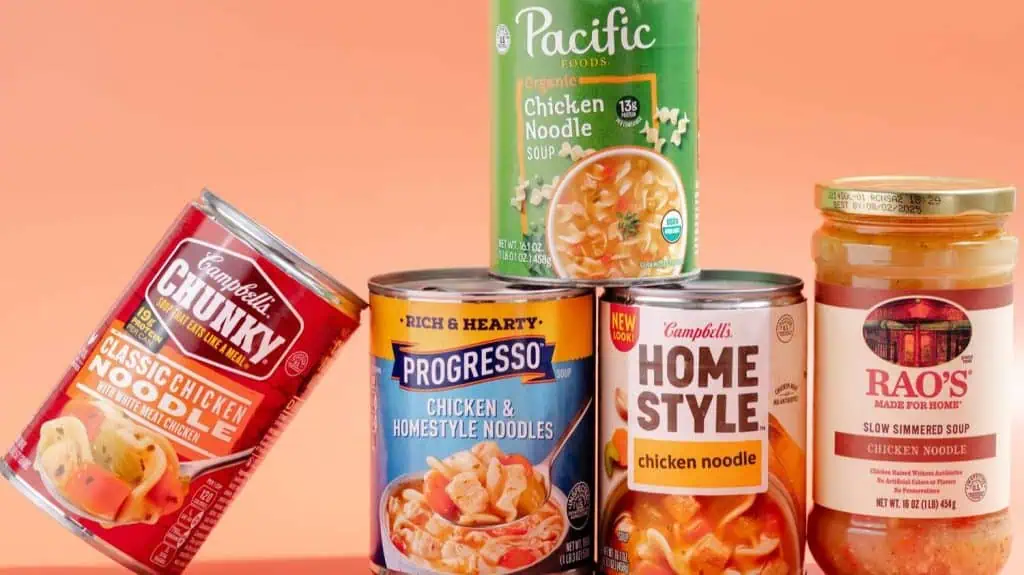
Canned soups often provide warmth and convenience but are notorious for their high sodium content. Reading labels and choosing reduced-sodium versions can make a significant difference. Enhance nutritional value by adding fresh or frozen vegetables, beans, or lean meats to the soup. This not only reduces the sodium percentage per serving but also amplifies flavor and nutrient density, transforming a basic soup into a healthier option.
Flavored Yogurts: Sweetened Misstep

Flavored yogurts might seem like a healthy choice, but they often contain added sugars that diminish their benefits. Opt for plain yogurt and sweeten it naturally with fresh fruits or a drizzle of honey. This choice allows better control over sugar intake while enriching the yogurt with vitamins and fiber. By customizing yogurt with nutritious mix-ins, you strike a balance between flavor and health without sacrificing satisfaction.
White Bread: The Nutrient Void

White bread, though a staple, offers minimal nutritional benefits due to the refining process stripping away fiber and essential nutrients. Whole grain or whole wheat alternatives retain these beneficial elements, offering more sustained energy and better digestive health. Swapping white bread for these options can significantly enhance daily nutrient intake. When shopping, look for breads labeled “100% whole grain” or “whole wheat” to ensure you’re making a nutritious choice.
Pre-Made Sauces: Sugar in Disguise

Pre-made sauces, often loaded with hidden sugars, can dramatically alter the nutritional profile of a meal. Choose these items carefully by scrutinizing labels for added sugars, often listed in varying forms like corn syrup or sucrose. When crafting sauces at home, emphasize fresh ingredients such as ripe tomatoes, garlic, and herbs, allowing natural flavors to shine. Thickening agents like cornstarch or roux add body without relying on sweeteners. Opt for spices like smoked paprika or cumin to infuse depth, ensuring the sauce complements without overpowering dishes.
