
Turnip – America’s Forgotten Veggie Star Gears for a Comeback
When you walk through the produce aisle, you probably walk right past them. Turnips. They're not flashy like kale. They're not trendy like avocados. They don't have the marketing budget of broccoli. But here's the thing: turnips are actually amazing. They have a mild, peppery flavor, a satisfying crunch when raw, and a sweet, caramelized deliciousness when roasted. They're packed with vitamin C, fiber, and potassium, and they're low in calories. Plus, you can eat the greens too! That's right—turnip tops are just as tasty as any other hearty green. So why have we been ignoring this vegetable for so long? It's time to give turnips the spotlight they deserve.
If you're ready to add a new (actually old) veggie to your rotation, you're in the right place. In this article, we're diving into everything turnip—from their surprising nutritional benefits to their incredible versatility in the kitchen. You'll learn how to roast them until golden and sweet, shred them into slaws for crunch, sauté their greens with garlic, and even use them as a lower-carb swap for potatoes. No complicated techniques. Just real, delicious, and sustainable cooking with a vegetable that's been overlooked for way too long. Let's get cooking with turnips.
The Underrated Veggie Revealed

Turnips, often overshadowed by root vegetables like potatoes and carrots, deserve a renewed spotlight. Their mildly peppery flavor and satisfying crunch make them a versatile ingredient in a wide range of dishes. Whether roasted to golden perfection or shredded into slaws, turnips add unique nuances to meals. They are easily adaptable, blending seamlessly into modern recipes while holding their own in more traditional preparations.
Nutritional Powerhouse Benefits

Packed with essential vitamins and minerals, turnips are a nutritional powerhouse. They boast a low-calorie profile while providing significant amounts of vitamin C, fiber, and potassium. Their high antioxidant content supports overall health and strengthens the immune system. Including turnips in your diet contributes to heart health and aids digestion, making them a valuable component in a balanced meal plan.
Culinary Versatility at its Best

Turnips lend themselves to a variety of cooking methods, from roasting and boiling to sautéing and braising. When roasted, they develop a caramelized exterior that enhances their natural sweetness. Sliced thin and sautéed, they offer a delightful alternative to more common side dishes. Their leaves, often discarded, are equally edible and can be used like any hardy green, offering a peppery punch to salads and sautés.
Farm-to-Table: A Sustainable Choice

Embracing turnips supports sustainable agricultural practices. They are hardy, growing well in diverse climates with minimal resources, making them an environmentally friendly choice. Sourcing them locally reduces carbon footprint and supports regional farmers. Turnips grow quickly and help in crop rotation, enhancing soil health. By choosing turnips, you contribute to a sustainable food system while enjoying their fresh, vibrant flavors.
Reviving Traditional Recipes
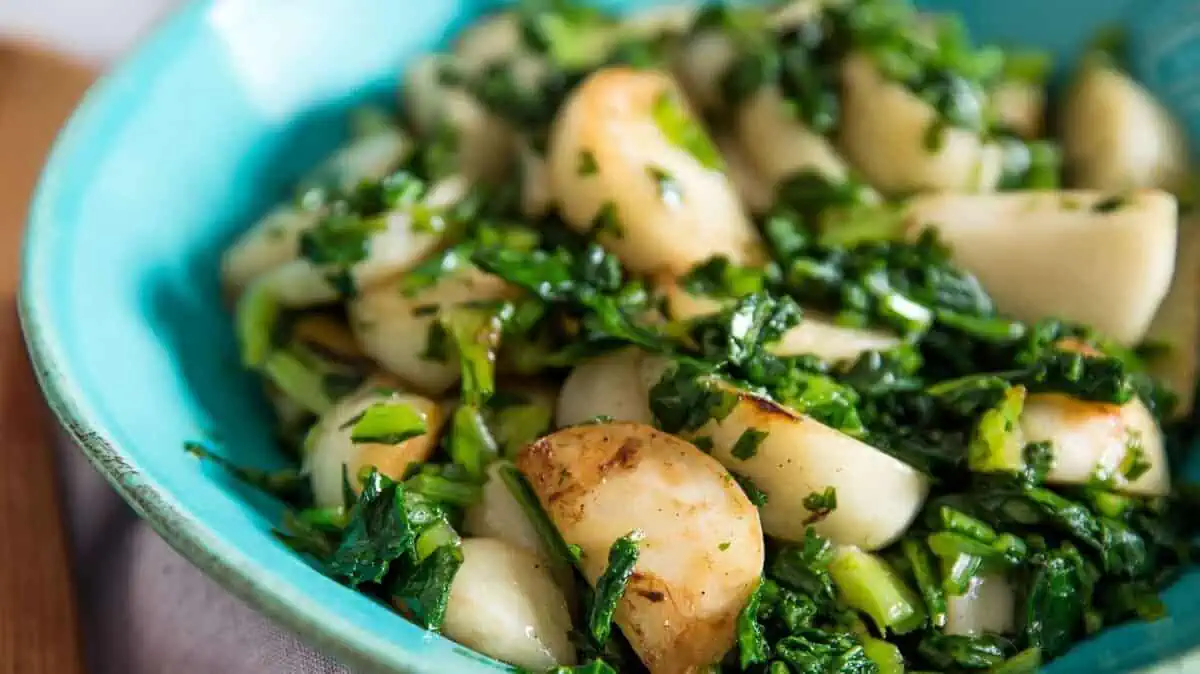
Reintroducing forgotten vegetables into traditional recipes can elevate their nutritional profile and flavor complexity. Consider incorporating kohlrabi into your next coleslaw, its crisp texture and subtle sweetness offering a delightful contrast to creamy dressings. When preparing a stew, introduce salsify, a root vegetable that mimics the taste of oysters when cooked, adding an unexpected depth to familiar dishes. Techniques like roasting bring out the natural sugars in root vegetables such as parsnips and turnips, creating a caramelized exterior that complements their earthy cores. Use these methods to rediscover and breathe new life into classic recipes.
