
10 Surprising Facts About Starbucks Coffee Beans
Starbucks coffee beans are more than just a staple for caffeine enthusiasts; they embody a blend of precision and passion. Known for their robust and consistent flavor profile, these beans are a result of innovative practices and a commitment to quality. Delving into the intricate processes behind Starbucks' coffee reveals surprising facts that elevate the daily brew beyond its commonplace status, offering insights into how meticulous attention to detail ensures every cup is brewed to perfection.
FlavorLock: The Freshness Secret
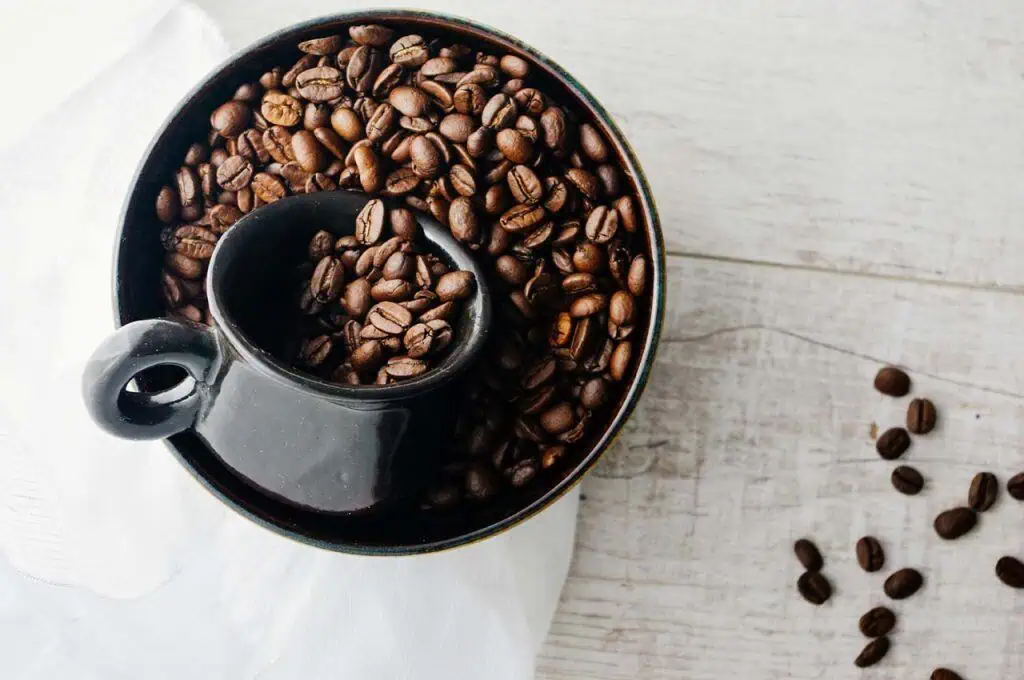
Starbucks employs a unique FlavorLock technology to preserve the freshness of their coffee beans. This method involves sealing the beans in a special one-way valve bag immediately after roasting. By allowing gasses to escape without letting air in, the beans retain their peak flavors. This attention to sealing technique means that when you open a bag, the rich aroma and complex flavors are ready to transform your morning cup into an exceptional experience. Understanding its importance can help home baristas maintain freshness in their own coffee storage.
Sealed Two Hours Post-Roast

One key to Starbucks' signature coffee taste is their dedication to quality control, which includes sealing beans within two hours of roasting. This rapid sealing ensures minimal exposure to air, preserving the coffee’s vital oils and flavors. This practice allows the beans to mature gracefully, offering optimal taste and aroma when brewed. For home brewers, considering how coffee is stored after roasting can significantly influence the final brew, emphasizing the importance of timing and proper packaging.
Sourced from the Coffee Belt
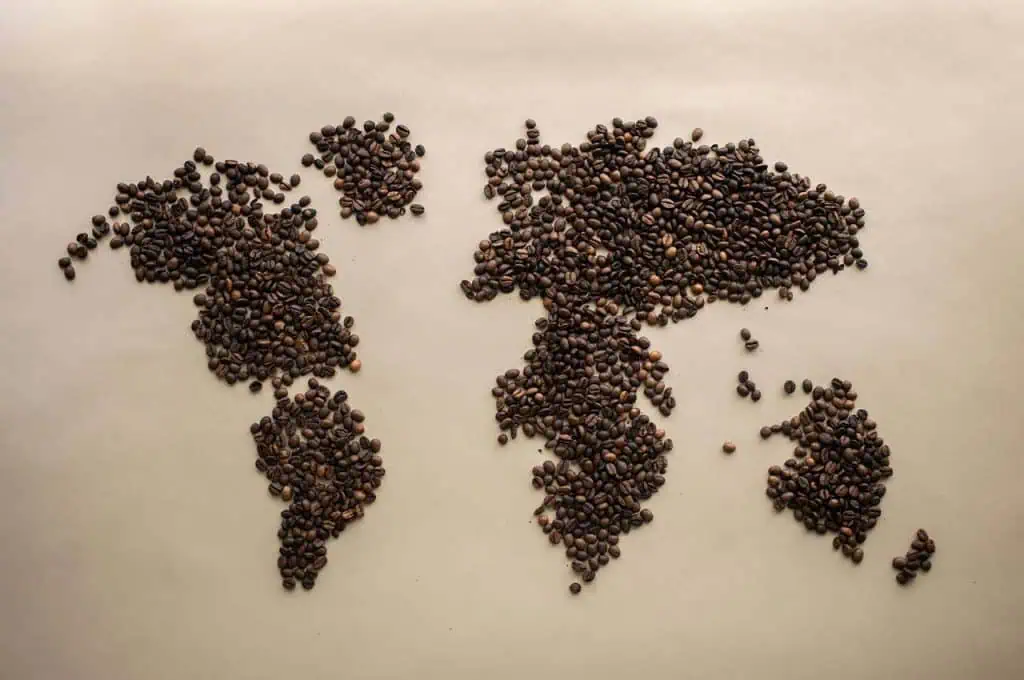
Starbucks sources its coffee beans from the Coffee Belt, a band within latitudes 25° North and 30° South of the equator, known for its ideal growing conditions. This region offers the perfect mix of sunlight, rain, and altitude, which contribute to the diverse and rich flavors found in their blends. By selecting beans from this fertile zone, Starbucks ensures their coffees have the nuanced characteristics that coffee enthusiasts admire. Exploring single-origin options at home can introduce subtle flavor variations worth savoring.
Starbucks' Own Coffee Farm
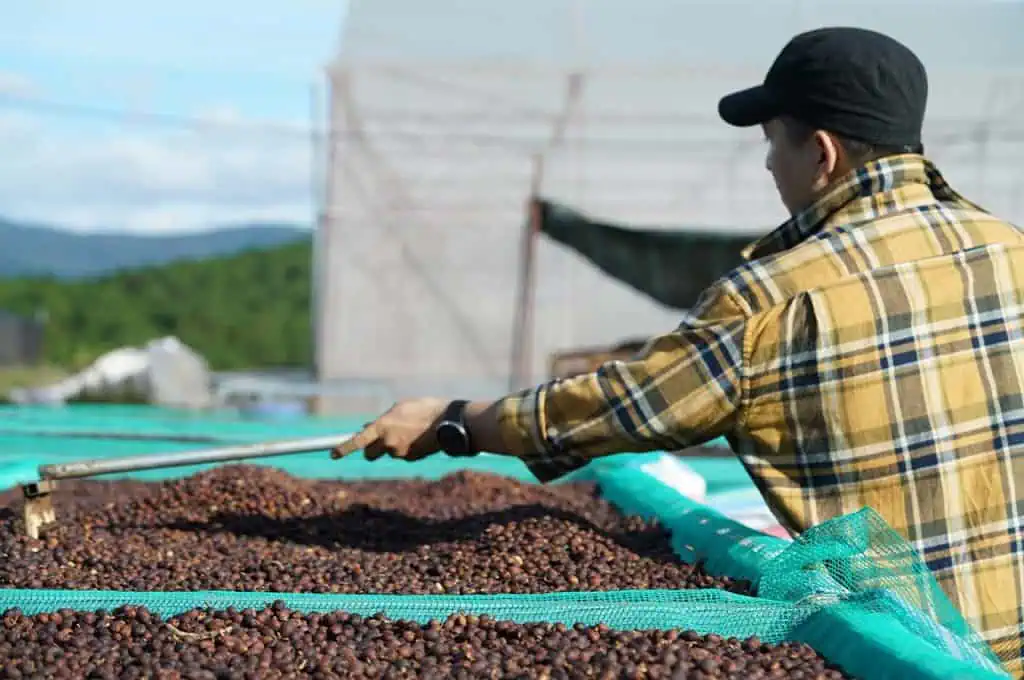
Starbucks owns the Hacienda Alsacia coffee farm located in Costa Rica, enabling them to experiment with sustainable farming techniques and innovative coffee practices. This ownership reflects a commitment to sustainability and quality, as it allows them to oversee every stage of coffee production. The farm is a living laboratory, providing insights that benefit not just Starbucks but the entire coffee-producing community. For those at home, supporting sustainably grown coffee can contribute to these broader environmental and ethical initiatives.
Why Starbucks Never Freezes Beans

Starbucks refrains from freezing their coffee beans to preserve optimal freshness and flavor. Freezing affects the cellular structure of the beans, leading to potential moisture loss and flavor degradation upon thawing. Instead, Starbucks emphasizes freshly roasted beans that are sealed in airtight bags with one-way valves, allowing carbon dioxide to escape while preventing oxygen from entering. This method maintains the beans' natural oils and complexity, ensuring a rich and full-bodied coffee experience.
100% Arabica Beans Only

Starbucks exclusively uses 100% Arabica beans, known for their smooth, nuanced flavors and higher acidity compared to robusta beans. Arabica grows at higher altitudes, where the slower maturation process results in more refined flavor profiles. Choosing Arabica allows Starbucks to consistently provide a superior and diverse range of coffee experiences, from the bright and fruity notes of their blond roast to the deep, chocolatey undertones of their dark brews.
Explore Diverse Bean Blends

Starbucks curates diverse blends by thoughtfully combining beans from various regions, each bringing unique characteristics. Their blends might include beans from Latin America, known for their crisp, clean flavors, or Asia Pacific beans, offering herbal and earthy tones. This blending process requires expertise in balancing different roast levels and flavor complexities, giving Starbucks the capacity to cater to a wide range of palates, ensuring every cup delivers depth and harmony.
Fair Sourcing for Farmers
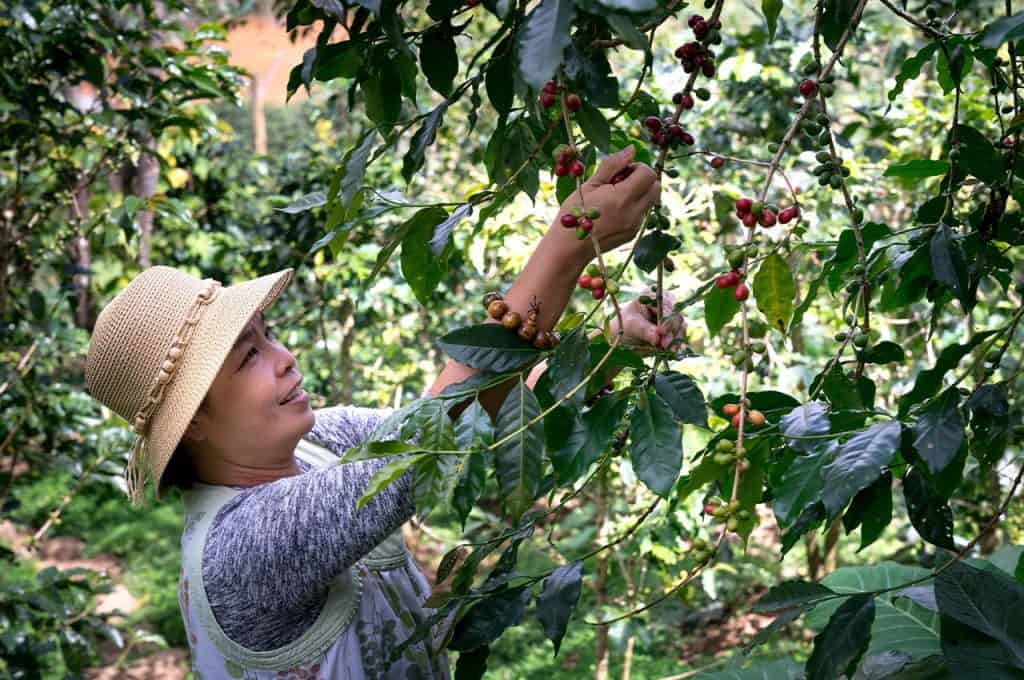
Starbucks practices fair sourcing to support farmers and communities, ensuring ethical standards throughout the supply chain. Partnering with local growers, Starbucks pays premiums above market price, enabling sustainable practices and community development. Their commitment extends to programs like C.A.F.E. (Coffee and Farmer Equity), which measure economic, social, and environmental impacts. This careful sourcing promotes quality beans while fostering long-term relationships with farmers around the globe.
Three Unique Roasting Styles

Starbucks employs three distinct roasting styles: blonde, medium, and dark. Each style highlights different aspects of the beans' flavors. Blonde roast is lightly roasted, accentuating bright, citrusy notes. Medium roast balances acidity and fullness, revealing caramel and nutty aromas. Dark roast is bolder, emphasizing robust, smoky flavors. Mastery in roasting, developed over decades, allows Starbucks to create coffee profiles that appeal to diverse tastes, enhancing every blend's natural qualities.
Whole or Ground: Your Choice
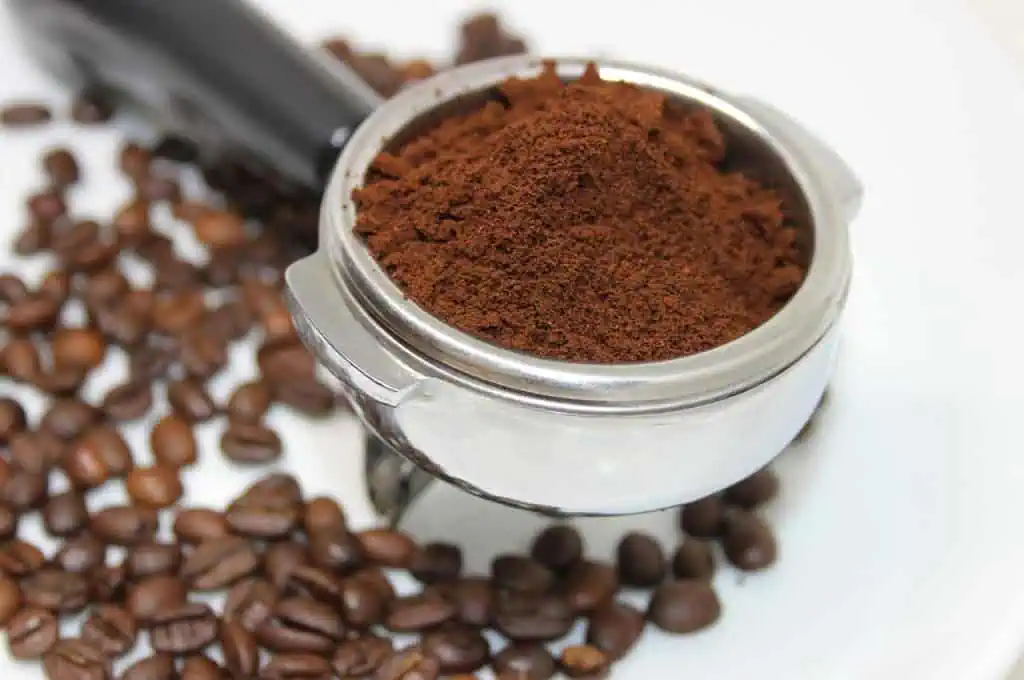
Choosing between whole and ground coffee beans at Starbucks affects the freshness and flavor profile of your brew. Whole beans retain their essential oils and volatile aromas longer, leading to a more vibrant cup. Ground beans offer convenience but begin to lose their aromatic compounds immediately after grinding. To maximize flavor, consider grinding your beans just before brewing. Use a burr grinder for consistent particle size, which ensures even extraction and a balanced taste. The grind size should match your brewing method—coarse for French press, medium for drip, and fine for espresso.
